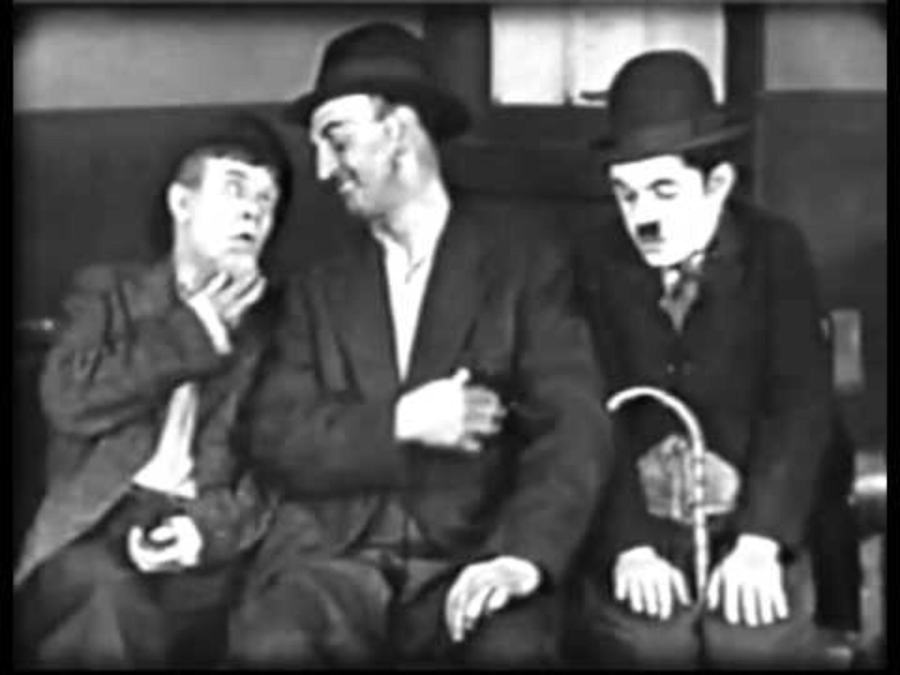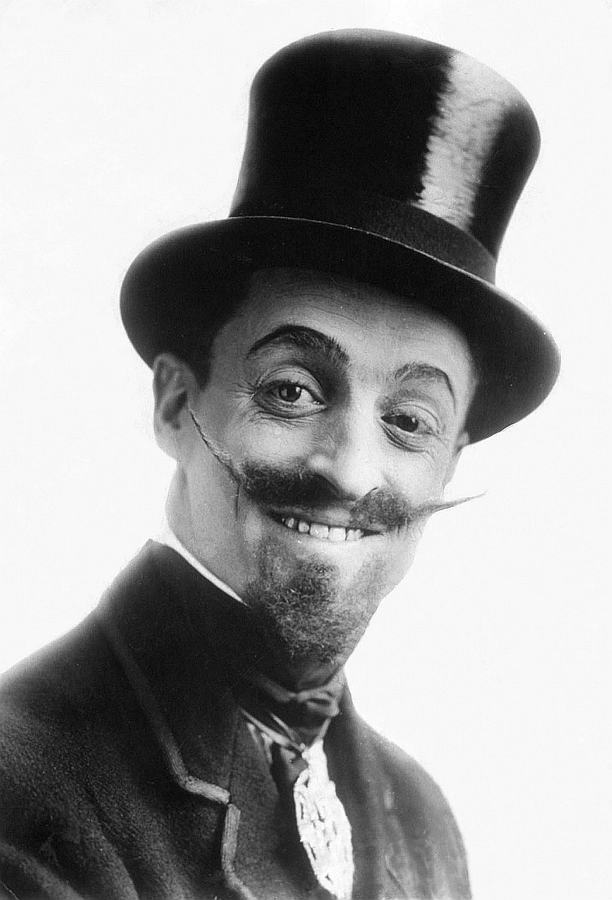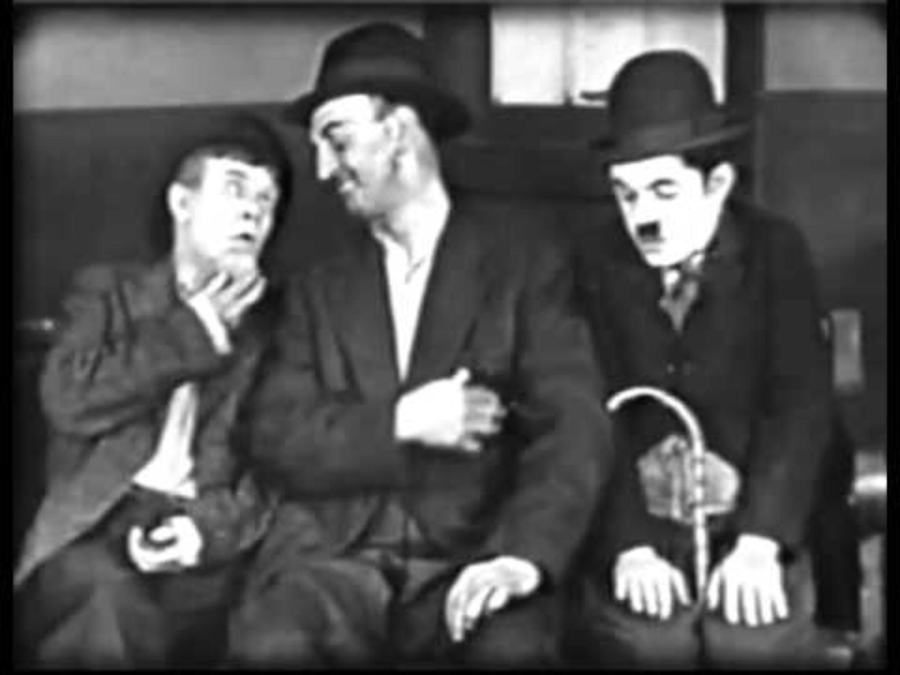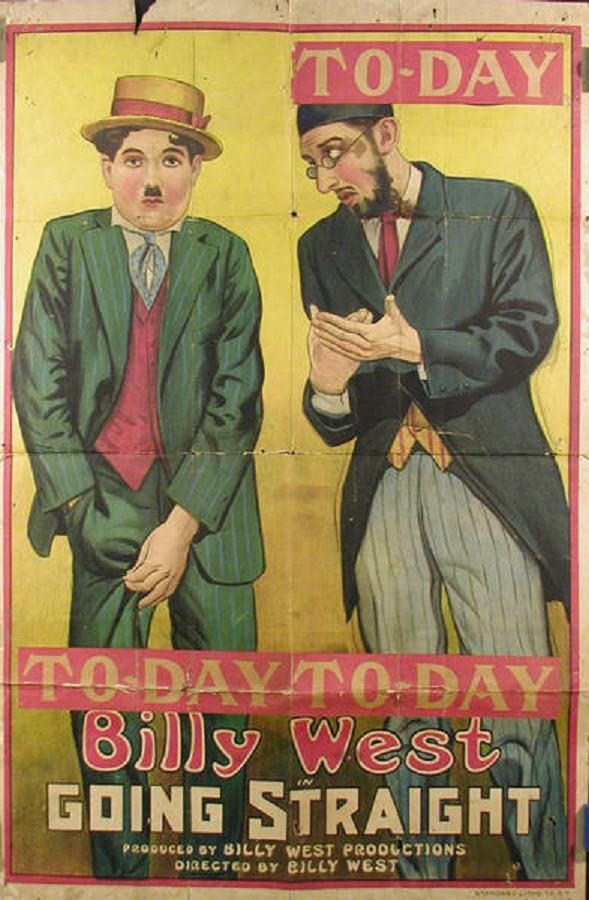
A wallet hits the cobblestones like a gunshot. The camera—static yet ravenous—records the tremor that ripples through Billy West’s eyes: a micro-expression half Ecce Homo, half cornered rat. In that 12-second shot, Going Straight announces it has no interest in Sunday-school parables; instead it wants to pickle your ...
Comparing the cinematic DNA and archive impact of two defining moments in cult history.
Billy West
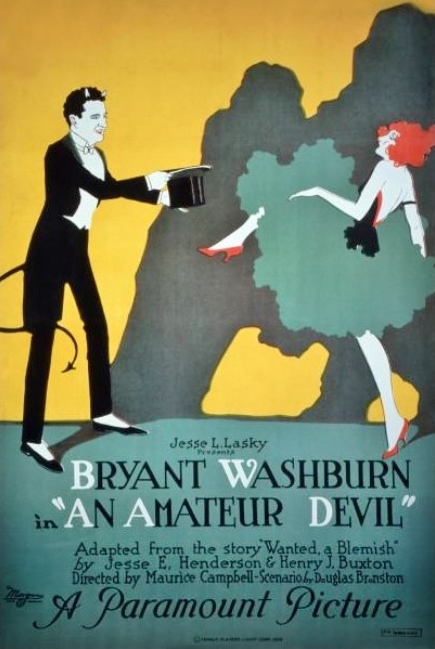
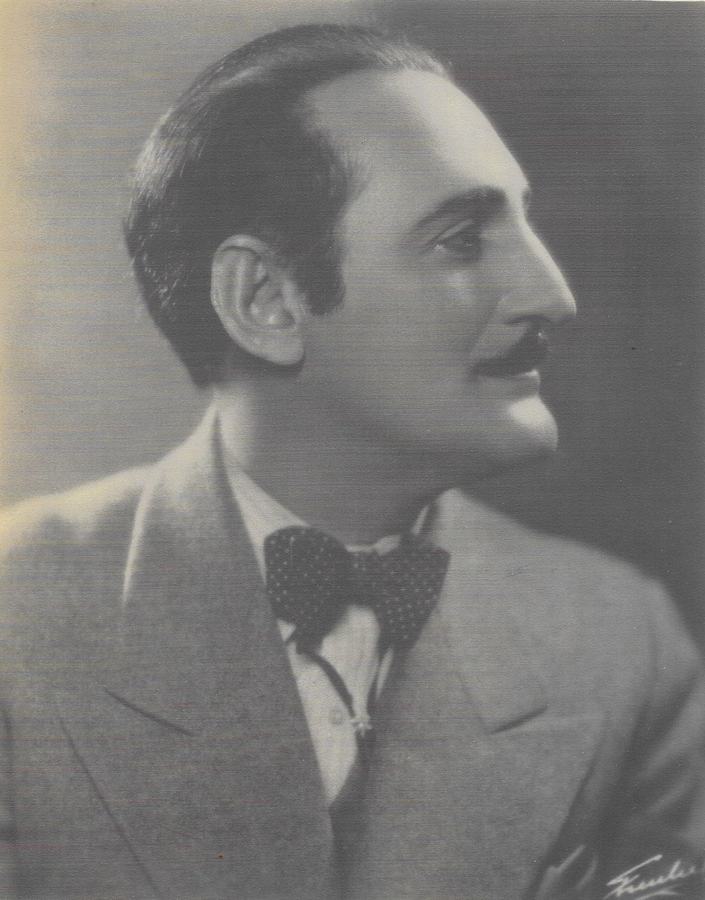
Maurice Campbell
Community
Log in to comment.
" A wallet hits the cobblestones like a gunshot. The camera—static yet ravenous—records the tremor that ripples through Billy West’s eyes: a micro-expression half Ecce Homo, half cornered rat. In that 12-second shot, Going Straight announces it has no interest in Sunday-school parables; instead it wants to pickle your conscience in brackish irony. The Urban Gulag as Silent Symphony Director-producer Billy West (also starring) stages the city as a penal colony without walls. Brick façades sweat ..."
United States
1927 · IMDb 4.2
Deep dive into the cult classic
Discover similar cinematic experiences
A Directorial Spotlight on Billy West