DbcultAccessing Vault...
7.5/10
Senior Film Conservator
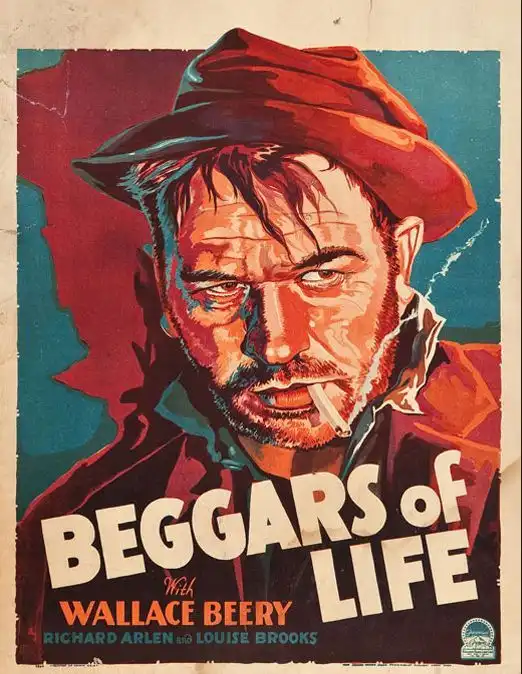
A definitive 7.5/10 rating for a film that redefined the boundaries of cult cinema. Beggars of Life remains a cornerstone of transgressive art.
Beggars of Life is absolutely worth watching today, not as a historical curiosity, but as a genuinely gripping piece of survival cinema. If you find silent films too stagily theatrical or slow, this is the one to change your mind. It’s for anyone who appreciates the 'on the run' genre or the raw aesthetic of pre-Code Hollywood. However, if you require a traditional hero or a clean, happy-go-lucky adventure, the grim opening and the sweaty, claustrophobic tension of the hobo camp might be a turn-off.
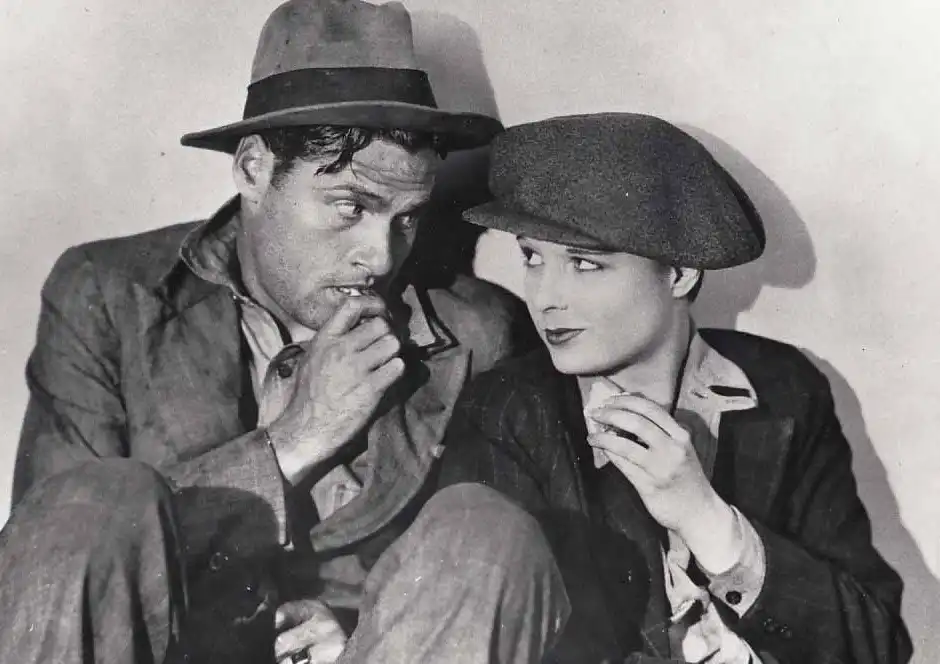
The film starts with a sequence that feels decades ahead of 1928. Louise Brooks, playing Nancy, sits at a kitchen table eating breakfast. In the next room, visible through an open door, her stepfather lies dead in a chair. There is no frantic pantomime here. Brooks plays the moment with a haunting, shell-shocked stillness. When Richard Arlen’s character, Jim, wanders in looking for a handout, the interaction is handled with a bluntness that avoids the usual silent-era exaggerations. You can see the gears turning in Jim's head—not out of moral outrage, but out of a pragmatic need to survive. This isn't a romance; it's a pact.
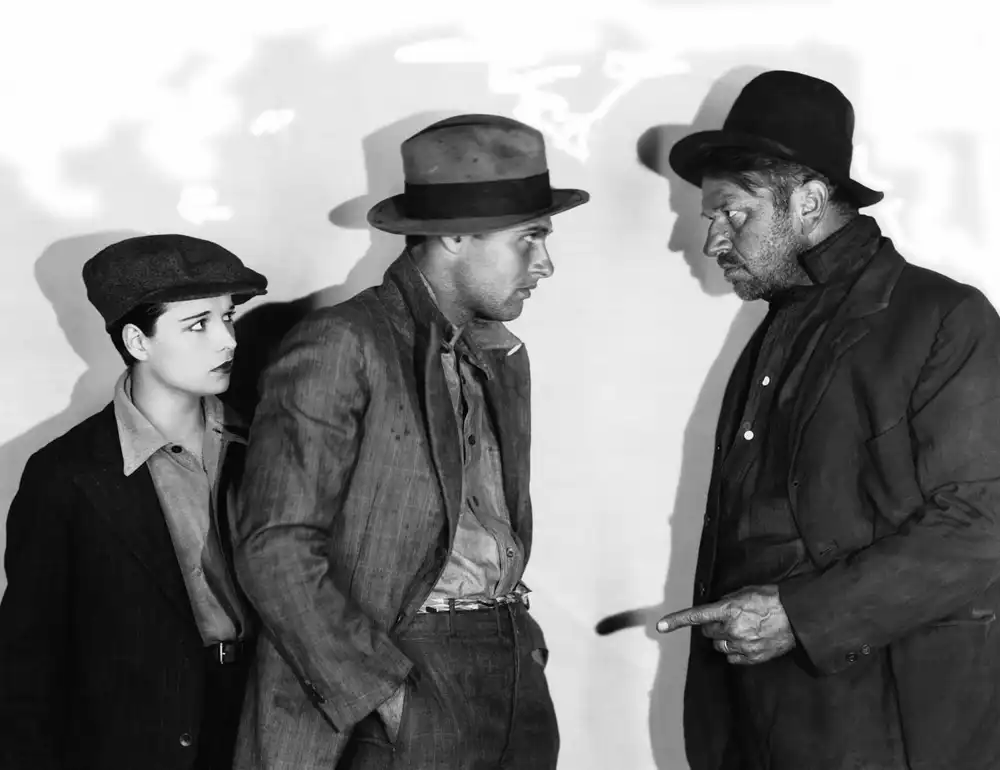
Director William Wellman was known for his love of action and grit, and he brings a documentary-like weight to the train sequences. Unlike other films of the era that used obvious back-projections or static sets, Beggars of Life feels like it was filmed on moving steel. You see the soot on the actors' faces and the way the wind whips Brooks’ hair when she loses her cap. The camera is often placed low to the tracks or right on top of the moving cars, giving the audience a visceral sense of the danger involved in hopping a freight. There is one specific shot where a train passes over a camera buried in a pit; the sheer mass and noise of the machinery are felt even without a synchronized soundtrack.
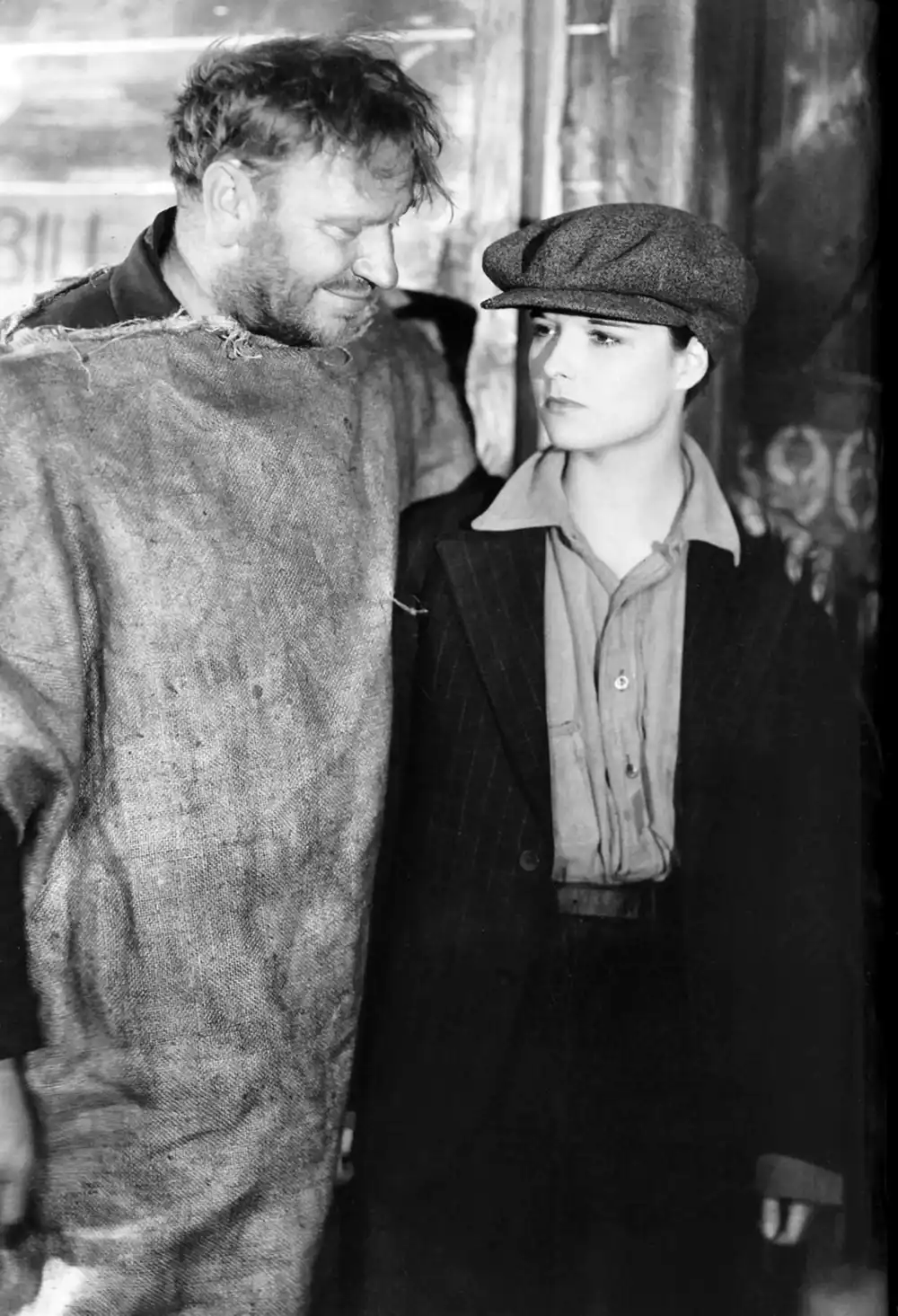
The film shares some DNA with other 'girl on the road' stories like Miss Nobody, but Wellman’s version is significantly darker and more grounded in the physical reality of poverty. The costumes aren't just 'movie rags'; they look heavy, unwashed, and ill-fitting.
While Brooks is the emotional center, Wallace Beery nearly steals the film as Oklahoma Red. He enters about midway through, and the energy shifts immediately. Beery plays Red as a loud, dangerous, yet strangely principled king of the vagrants. The 'hobo jungle' scenes are the highlight of the film’s middle act. The set design here is fantastic—a mess of lean-tos, tin cans, and flickering firelight that feels genuinely lived-in.

The 'hobo court' scene is a standout moment of dark comedy and tension. The way the men pass around a jug of 'white mule' and mock the legal system they've been cast out of is both funny and pathetic. You notice small details: the way the men eye Nancy (still disguised as a boy) with a suspicion that borders on predatory, and the subtle ways Jim tries to shield her without drawing attention. It’s a sequence that relies on looks and positioning rather than title cards, proving how sophisticated silent storytelling had become by the late 20s.
The film does hit a slight lull in the second act when the action stays confined to the camp for too long. Some of the banter among the secondary hobo characters feels a bit repetitive, and a few of the title cards lean into 'hobo slang' that requires a second to parse. However, the tension remains high because the threat of discovery is constant. The tonal shift from the bleakness of the murder to the rowdy energy of Oklahoma Red’s gang is handled well, mostly because Beery is so magnetic that you can’t look away.
Beggars of Life is a rare silent film that doesn't feel like a relic. It’s a tough, unsentimental look at people living on the margins of society. The combination of Wellman's kinetic direction, the dangerous stunt work on real moving trains, and Louise Brooks’ incredibly modern performance makes this a standout of the era. It avoids the easy trap of being a 'message movie' about poverty and instead focuses on the immediate, sweaty reality of staying alive one more day. If you can handle the lack of dialogue, you’ll find a story that is more visceral and honest than many modern big-budget dramas.

IMDb —
1917
Community
Log in to comment.