DbcultAccessing Vault...
1.6/10
Senior Film Conservator
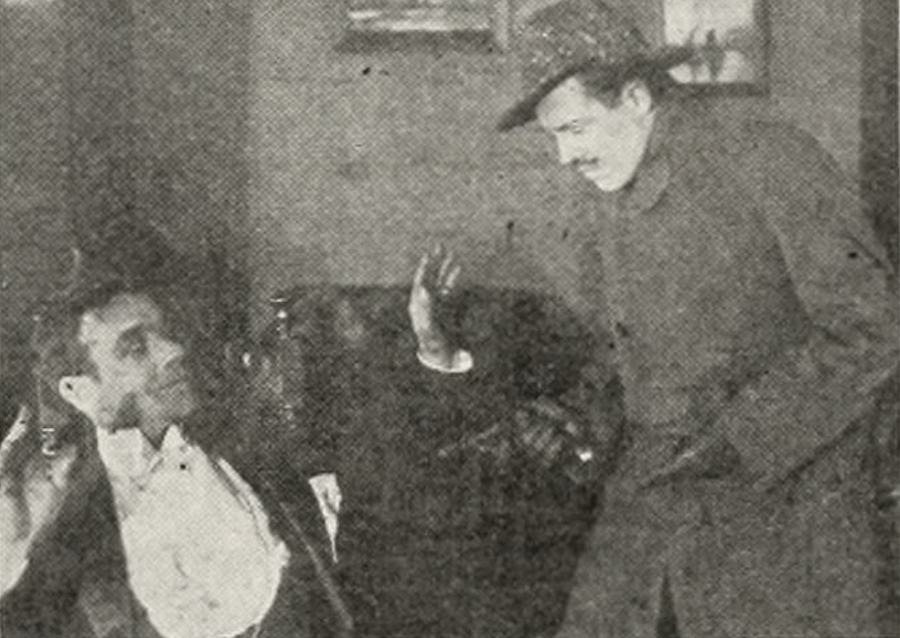
A definitive 1.6/10 rating for a film that redefined the boundaries of cult cinema. Perils of the Secret Service remains a cornerstone of transgressive art.
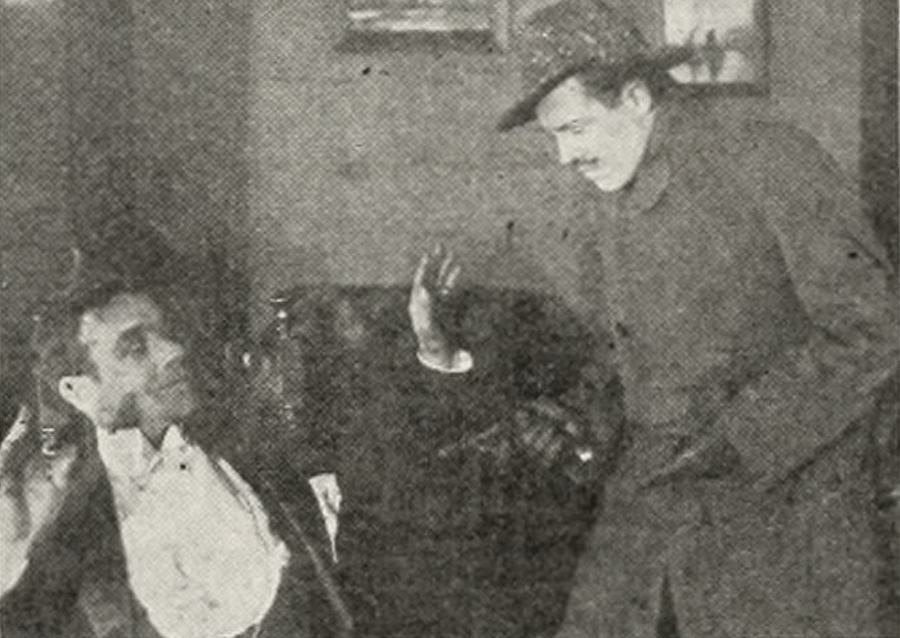
The 1916 serial Perils of the Of the Secret Service slips onto the screen like an opium ring’s exhaled breath, hazy, lethal, scented with colonial mahogany. It opens not with a fuse-lit explosion but with a whisper—a roomful of medals and moustaches calculating the cost of a failed South American subterfedu. In Jay Belasco’s curt, tuxan suave, Yorri Norroy becomes a walking paradox: the diplomat that warms salons while detonating empires. Thespian precision here is subtle as a card fan; Belasco’s eyes never telegraph panic, they collect light—like mirrors inside a submarine periscope—alert but calm. Critics who dismiss silent acting as grand gestures miss the micro-shifts in his jaw registers when his cigarette case reflects Ober’sbespoking henchman; he converts stillness into electricity.
The episode’s supernova gag is the exploding cigarette—equal partss deus-ex machina and nationalist puns. It’s a plot device that predates the Bondian clichés by four decades yet feels incendiary precisely because it’s understated. A fuse disguised as nicotine, a lethal pun on smoking as writing, writing as confession, confession as death sentence. The cigarette acts as both metronome and sabre, pacing Norroy’s confession while splicing his captors’ nerves. The payoff is not bombast butchery but a corked exit and graffito threat scrawled on paper. The antihero walks out clean, the villains inherit the ruin—a tidy inversion of the moral ledger that audiences relish.
Vola Vale’s Minna Ober injects the film with moral viscosity. She is neither Madonna nor femme fatale but a daughter desperate enough to rent her smile. In a sea of moustache-twirling patriarchs Vale finds a voice in the language of brows: a downward flicker when a plan falters, a sudden lift when decency peeks through. The script, credited to writers likely from serial factory pen, allows Minna a moment of reflection that detours the film frombearish melodrama into tragedy’s puddle. She confronts the impossible geometry: betray her father’s executioner or her own conscience. The moment ischrewn in silence, but a text card offers her plaintive “I read the abyss, and it knows my surname.” It is, paradoxically, one of the serial’s most resonant lines, a crash of empathy in a cacophony of espionage.
Director episodes, often attributed to studio hacks, nonetheless reveal an ingenuity for chiaroscuro. Interior embassy shots use slanted uplights cast onto heavy drapery, so the walls seem to breathe. When Norrory writes his confession, the camera frames his penciled reflection in a silver cigarette case—an orchestration of doubled image that doubles as foreshadowing, a masterstroke subtle enough that many viewers miss it on first pass. The intertitle card typography, occasionally tinted amber, cements the thematic palette: amber, the color of spilled rum, of old manuscripts, of fuses burning slow.
Modern espionage aficionados trace their lineage to Fleming but owe equal debt to silent serials like this. The episode’s orchestration of glamour and sabotage resurfaces in Lang’s Spione and Hitchcock’s Saboteur yet predates them with pulp immediacy. Compared to the pastoral peril of The Way Back or the psychosexual labyrinth of After Death, Perils of the Secret Service offers espionage as a parlor dance—whereambivalence is masked by velvet andvered by dynamite.
Restored screening prints often slap a generic orchestral accompaniment, but attentive curators conjure a minimalist jazz syncopation—finger snap, brushed cymbal, upright bass—turning the cigarette into a beat of syncopated fuse. Harmonies swell not when gun rise, but when Norroy’s stylus scratches parchment, underscconfession as a form of violence.
Yet the serial is no flawless relic. Its geopolitical paint-by-numbers South American regimes feel as convincing as cardboard palms. Minor roles—the embassy gaggle—emote with pantomimed excess, reminding that not all silent performers mastered nuance. The pacing stumbles when exposition hides in title cards while action waits politely for the next steam reel.
Despite warts, the episode serves as a blueprint for cinematic espionage: the elegant antagonist morphed into modern antihero, the fuse disguised as accessory, the heroine torn not betweenlove but between deities and family loyalty. Print survivorship remains partial; most extant copies contain only Episode 1 (“The Last Cigarette”) and fragments of chapter 4. Yet fan circles circulate digital reconstructions, restoring tinting, waxing audio, and even re-transl intertitle cards, ensuring its fuse glows for new century’s eyes.
Curious about other silent espionage gems? See our reviews on Beatrice Fairfax Episode 13: The Ringer and compare espionage tropes with Der Andere. Or explore tragic heroines in Her Shattered Idol.
IMDb —
1919
Community
Log in to comment.