DbcultAccessing Vault...
Cult Review
Senior Film Conservator
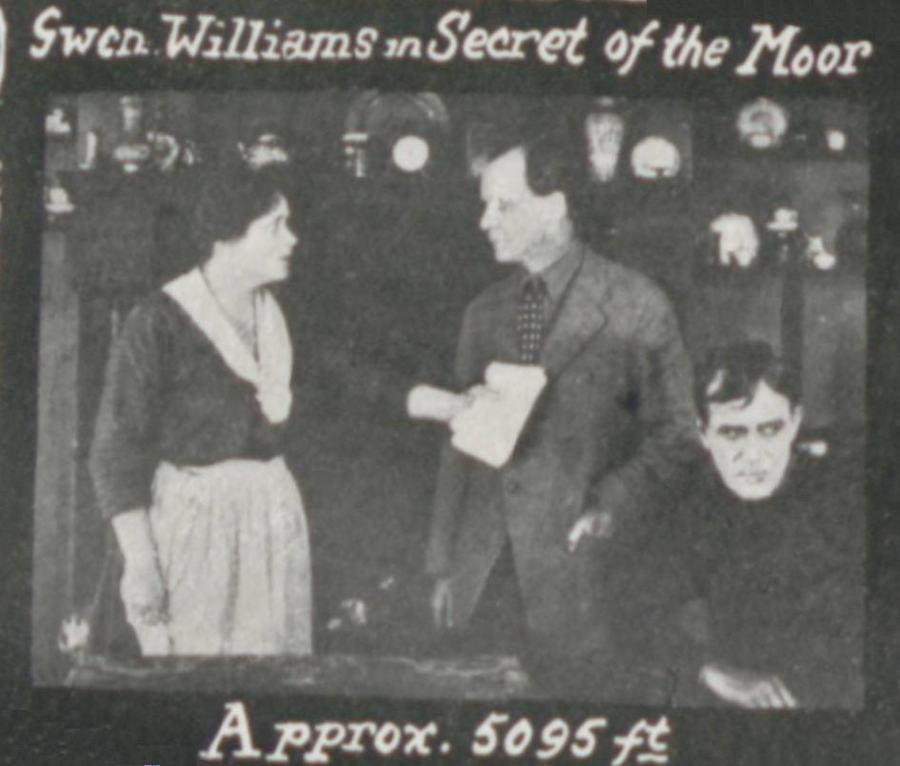
From the moment the opening credits unfurl, The Secret of the Moor plunges its audience into a world steeped in atmospheric gloom and moral ambiguity. It’s a film that eschews grand pronouncements for the quiet, simmering tension of a man grappling with his conscience, set against a backdrop as unforgiving as the choices he’s made. Maurice Gerard’s narrative, while seemingly straightforward on the surface, unravels with a psychological depth that belies its era, inviting viewers to ponder the true cost of compromise and the unpredictable catalysts for transformation.
At its core, this cinematic endeavor charts the harrowing journey of a nameless boatman, portrayed with a brooding intensity by George Goodwin. His life, initially defined by the rhythmic pull of oars against water and the silent, solitary expanse of the moor, becomes irrevocably entangled in the shadowy machinations of a shrewd mining expert. This expert, brought to life with a calculating chill by Edgar W. Hylton, represents the corrupting influence of avarice, luring the boatman into a clandestine operation: the smuggling of illicitly acquired gold. The film doesn't waste time in establishing the bleakness of this existence; the boatman's daily routine is a stark tableau of moral compromise, each clandestine voyage across the somber waters a further descent into complicity. It’s a compelling portrait of how incremental moral failings can coalesce into a life of quiet desperation, a narrative thread that feels as relevant today as it surely did upon its initial release.
Goodwin’s performance is particularly noteworthy here. He conveys the internal conflict not through verbose soliloquies, but through a masterful command of subtle gestures, haunted gazes, and a weary posture that speaks volumes about the burden he carries. One can almost feel the chill of the moor mist on his skin, the weight of the gold in his boat, and the heavier weight of his eroded integrity. His portrayal is a compelling study in understated suffering, drawing the audience into his predicament without resorting to overt melodrama. It’s a testament to the power of early cinematic acting to communicate complex emotional states with minimal external cues.
The narrative’s pivotal turning point arrives not through external confrontation, but through an intensely personal catastrophe: the sudden, grave illness of his beloved child. This is where The Secret of the Moor truly distinguishes itself, elevating a simple tale of illicit dealings into a profound exploration of paternal love and its redemptive power. The child, perhaps portrayed by Hazel Jones or a similarly innocent presence, acts as an unwitting catalyst, an untainted beacon whose fragile existence shatters the boatman's hardened resolve. The desperation he experiences as his child hovers on the precipice of death is palpable, a visceral awakening to the hollow nature of his ill-gotten gains. All the gold in the world cannot buy health or happiness, and this stark realization forces him to confront the moral abyss into which he has willingly, if reluctantly, descended.
The film masterfully uses this crisis to pivot from a crime drama to a powerful character study. The boatman's journey from this point onward is one of arduous reclamation. His struggle is not merely against external forces, but against the entrenched habits of a compromised life and the insidious grip of the mining expert. The emotional resonance of this transformation is deeply moving, reminding us that even in the bleakest of circumstances, the human spirit possesses an innate capacity for change, often ignited by the purest forms of love. This theme of a profound moral awakening, spurred by personal tragedy, echoes the character arcs found in films like The Awakening of Helena Ritchie, where a protagonist’s insulated existence is shattered by an external force, leading to a complete re-evaluation of values.
Maurice Gerard’s writing is particularly insightful in sketching the supporting characters, even if their screen time is limited. Gwen Williams, for instance, likely brings a crucial element of empathy or moral grounding to the narrative, perhaps as a wife, a concerned neighbor, or a figure who quietly observes the boatman’s descent and eventual struggle for redemption. Her presence, however brief, serves to underscore the human cost of his choices and the community's unspoken judgment or support. Similarly, Henry Thompson and Philip Hewland contribute to the intricate tapestry of the moor's inhabitants, each adding a layer of authenticity to the film's world, whether as fellow villagers, unwitting accomplices, or figures representing law and order. Their collective presence helps to ground the boatman's intensely personal struggle within a broader societal context.
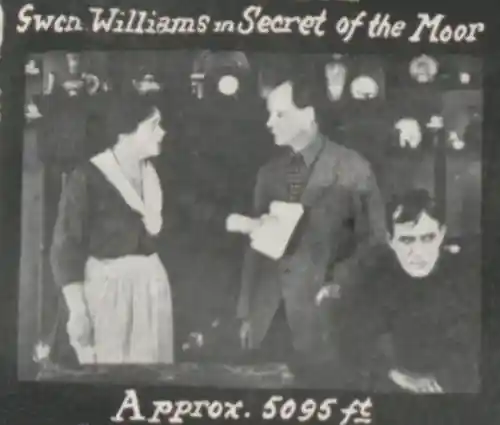
The cinematography, though perhaps constrained by the technical limitations of its era, must have played a crucial role in establishing the film's pervasive mood. One can imagine sweeping shots of the desolate moor, the fog-laden waters, and the isolated dwelling of the boatman, all contributing to a sense of impending doom and the arduousness of his existence. The visual language would have been instrumental in conveying the oppressive weight of his secret and the stark beauty of the natural world, which often mirrors the internal state of the characters. This use of environment as a character in itself, reflecting the internal turmoil, is a classic cinematic technique, seen in various forms across different genres, from the psychological landscapes of Witchcraft to the urban jungles of The Midnight Man.
The thematic richness of The Secret of the Moor extends beyond mere personal redemption. It delves into the insidious nature of greed, personified by Hylton's mining expert, whose relentless pursuit of wealth blinds him to the moral decay he propagates. The film subtly critiques the societal pressures that might push individuals into such desperate measures, while ultimately affirming the enduring power of ethical choice. The tension between the ephemeral allure of material gain and the profound, lasting value of integrity and familial love is a central pillar of Gerard’s sophisticated screenplay. This moral struggle, where a protagonist battles both external adversaries and their own internal demons, is a recurring motif in cinema, often explored with varying degrees of success in films like The Iron Strain, which also features a character wrestling with difficult choices under duress.
What makes this film particularly compelling is its refusal to offer easy answers. The boatman's path to redemption is fraught with peril, requiring not just a change of heart, but active, dangerous steps to dismantle his past. This makes his transformation all the more credible and impactful. His struggle to break free from the clutches of the mining expert and to make amends for his transgressions forms the dramatic backbone of the film's latter half. It’s a testament to the power of narrative to explore complex human experiences without simplifying them into neat moral packages. The child's illness serves as a stark, undeniable truth, cutting through the boatman’s self-deception and forcing him to prioritize what truly matters, a narrative device that still resonates deeply with audiences who understand the fragility of life and the immense power of parental bonds.
The film, in its quiet intensity, also touches upon the theme of societal accountability. While the focus remains squarely on the boatman’s personal journey, the broader implications of illicit trade and its impact on a community are subtly woven into the fabric of the story. The 'secret' of the moor is not just the hidden gold, but the unspoken complicity, the silent judgments, and the collective burden of living in the shadow of such activities. This nuanced approach prevents the film from becoming a mere morality play, instead elevating it to a more profound commentary on human nature and the societal forces that shape our choices. In this regard, it shares a certain thematic depth with films like The Fifth Wheel, which often explored the intricate web of personal decisions and their wider social repercussions.
Ultimately, The Secret of the Moor stands as a powerful testament to the enduring human capacity for change and the transformative power of love. It’s a film that resonates long after the final frame, not just for its gripping plot, but for its profound insights into the human condition. The performances, particularly Goodwin’s, are etched into memory, embodying the struggle between darkness and light that defines us all. Maurice Gerard’s narrative craftsmanship ensures that this seemingly simple story of a boatman and his illicit cargo becomes a timeless meditation on morality, sacrifice, and the arduous, yet ultimately rewarding, journey towards redemption. It reminds us that true wealth lies not in material possessions, but in the integrity of one's spirit and the unwavering love for those who matter most.
The enduring appeal of such narratives, where a character's moral compass is recalibrated by a profound personal crisis, speaks to a universal human experience. Whether it's the innocent gaze of a child or an unexpected turn of fate, these catalysts force introspection and, often, a dramatic shift in priorities. The Secret of the Moor captures this beautifully, presenting a stark yet hopeful vision of humanity. It’s a film that, despite its age, continues to offer valuable lessons about the choices we make and the unexpected paths to grace. The contrast between the bleak, unforgiving landscape and the warmth of a parent's love for their child creates a compelling dramatic tension, making the boatman's ultimate decision to reform all the more impactful and emotionally satisfying. It solidifies its place as a poignant entry in cinematic history, a quiet masterpiece that deserves continued appreciation for its timeless message and compelling performances.
IMDb 5.8
1936
Community
Log in to comment.