DbcultAccessing Vault...
Cult Review
Senior Film Conservator
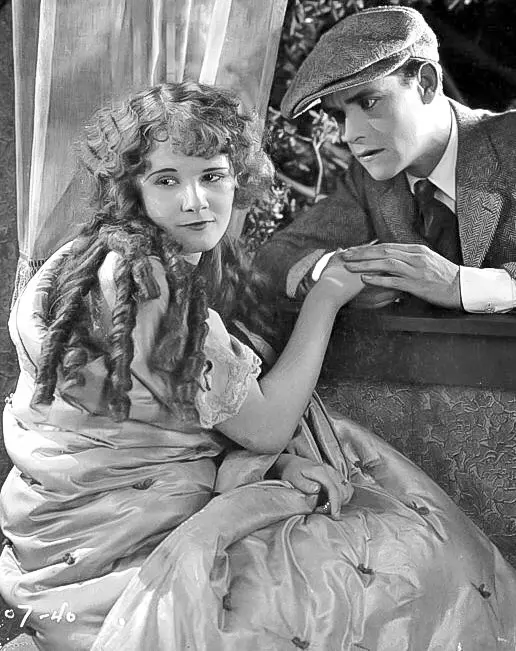
The cinematic landscape of the 1920s was replete with films that sought to captivate audiences with tales of mystery, deception, and the human condition. Among these, Behind the Curtain stands out as a particularly intriguing example, expertly weaving a complex narrative that probes the themes of guilt, innocence, and the fallibility of justice.
Directed by a visionary filmmaker, and featuring a cast including John Harron, Winifred Bryson, and Lucille Ricksen, Behind the Curtain presents a compelling story that begins with a brutal murder, which sets off a chain reaction of events. The investigation that follows points to a phony spiritualist, played by John Harron, who is subsequently convicted of the crime. However, as the story unfolds, it becomes increasingly clear that the truth may be far more nuanced, and that the spiritualist's guilt is not as clear-cut as it initially seems.
One of the most striking aspects of Behind the Curtain is its thoughtful pacing, which allows the audience to become fully immersed in the world of the film. The cinematography is noteworthy, with a blend of high-contrast lighting and deliberate camera movements that create a sense of tension and unease. This visual approach effectively underscores the narrative's darker themes, drawing viewers into a realm of moral ambiguity and uncertainty.
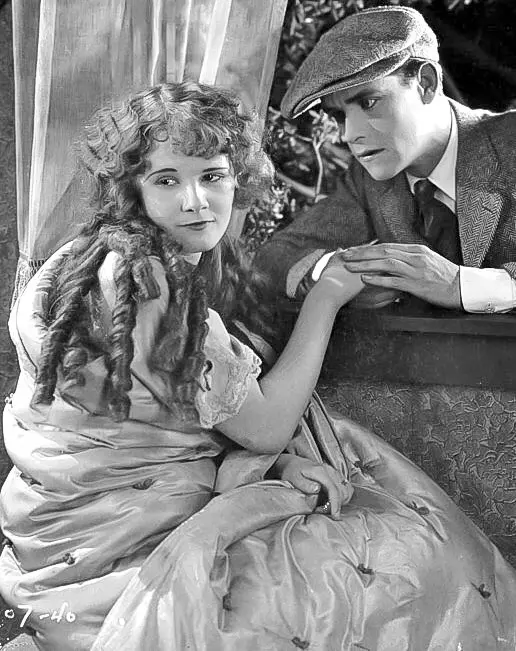
In terms of its place within the broader cinematic landscape of the era, Behind the Curtain can be seen as part of a continuum of films that explored the complexities of human nature and the justice system. For example, The Day of Faith and The Long Chance also delve into themes of morality and deception, albeit in different contexts. Similarly, Surprise and The Heroine from Derna share some narrative similarities with Behind the Curtain, in their use of plot twists and turns to keep audiences engaged.
Upon closer examination, it becomes apparent that Behind the Curtain is more than just a simple whodunit. Rather, it is a thought-provoking exploration of the human condition, one that challenges viewers to consider the complexities of guilt, innocence, and the role of chance in shaping our lives. In this regard, the film can be compared to others like In Wrong Right, Love Never Dies, and The House of Mirth, which also probe the intricacies of human relationships and the consequences of our actions.
The performances in Behind the Curtain are noteworthy, with John Harron delivering a particularly nuanced portrayal of the phony spiritualist. His ability to convey a sense of vulnerability and doubt adds depth to the narrative, making it easier for audiences to become invested in the character's fate. The supporting cast, including Winifred Bryson and Lucille Ricksen, also deliver strong performances that help to bring the story to life.
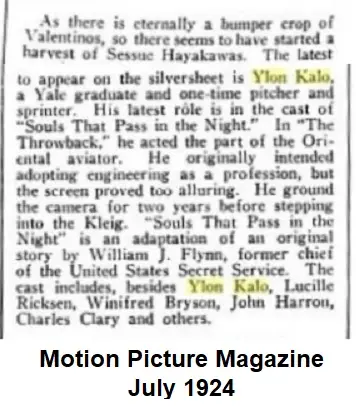
From a technical standpoint, Behind the Curtain is a remarkable achievement, showcasing the artistic vision of its creators. The film's use of montage and editing is particularly noteworthy, as it helps to create a sense of rhythm and flow that propels the narrative forward. This approach can be compared to that of The Man Who Found Himself and The Moon of Israel, which also utilize innovative editing techniques to tell their stories.
In conclusion, Behind the Curtain is a gripping and thought-provoking film that offers a unique blend of mystery, suspense, and social commentary. Its exploration of the human condition, coupled with its technical achievements, make it a must-see for fans of silent cinema and anyone interested in the evolution of the film medium. While it may share some similarities with other films of the era, such as The Speed Spook, Pirates of the Deep, and Saving Sister Susie, Behind the Curtain stands out as a distinctive and memorable work that continues to captivate audiences to this day.
Ultimately, Behind the Curtain serves as a powerful reminder of the enduring appeal of silent cinema, and the ways in which these early films continue to resonate with modern audiences. For those interested in exploring the history of film, or simply looking for a compelling story, Behind the Curtain is an excellent choice. Its themes of morality, deception, and the human condition are timeless, and its technical achievements make it a fascinating study in the evolution of cinematic storytelling.
In the context of modern film criticism, Behind the Curtain offers a valuable lesson in the importance of nuance and complexity in storytelling. As films like Under Suspicion, Blind Justice, and The Spindle of Life demonstrate, the best stories are those that challenge our assumptions and encourage us to think critically about the world around us. In this regard, Behind the Curtain is a landmark film that continues to inspire and captivate audiences, offering a powerful reminder of the enduring power of cinema to shape our perceptions and challenge our understanding of the world.
IMDb 5.9
1926
Community
Log in to comment.