DbcultAccessing Vault...
7/10
Senior Film Conservator
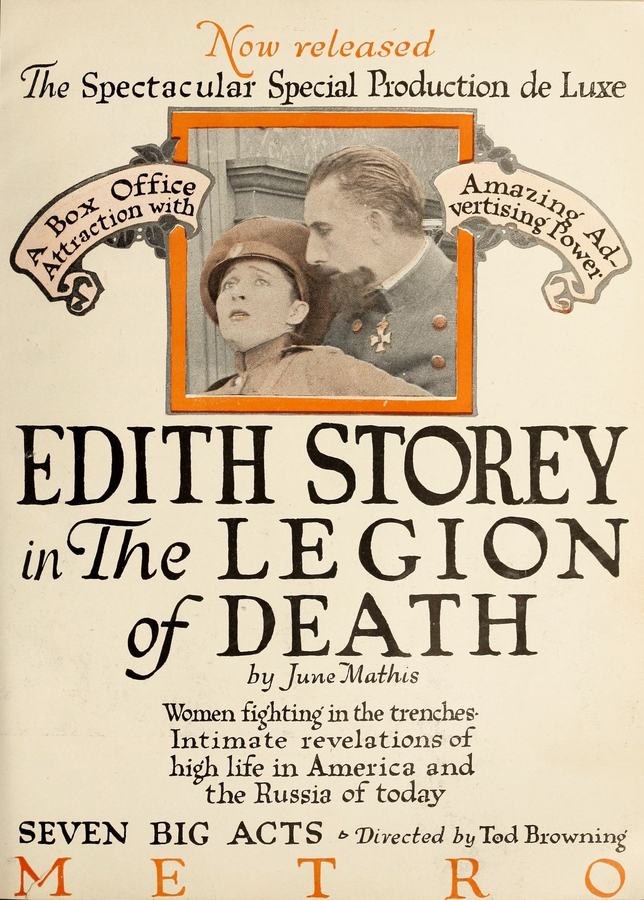
A definitive 7/10 rating for a film that redefined the boundaries of cult cinema. The Legion of Death remains a cornerstone of transgressive art.
Stepping back into the tumultuous currents of 1918, we encounter a cinematic artifact that, even a century later, continues to pulsate with a raw, revolutionary energy: The Legion of Death. This silent era spectacle, a product of its fervent times, isn't just a film; it's a testament to the power of conviction, a dramatic re-imagining of a world in upheaval, and a striking portrayal of female agency amidst unprecedented global conflict. Directed with a keen eye for both grand spectacle and intimate human drama, it plunges us headfirst into the maelstrom of the Russian Revolution and the brutal realities of World War I, all through the extraordinary lens of a fictionalized royal's defiant journey. In an age dominated by sweeping epics and moral allegories, The Legion of Death carved out its own unique niche, offering a vision of heroism that was both timely and remarkably progressive.
The plot unfurls with a captivating blend of political intrigue and personal awakening, centering on Princess Marya, portrayed with compelling intensity by Edith Storey. Marya, along with her brother, Grand Duke Paul (Fred Malatesta), begins our story far from the revolutionary storm brewing in their homeland, pursuing studies in the United States. This initial tranquility is abruptly shattered by the earth-shattering news of Rasputin's impending assassination – a historical touchstone that immediately grounds the narrative in palpable reality. The subsequent abduction of Paul by shadowy Russian secret service agents injects an immediate jolt of suspense, compelling Marya into action. Her fervent appeal to Captain Rodney Willard (H.L. Swisher) for Paul's release not only sets a crucial plot point in motion but also ignites the nascent sparks of a profound connection between the princess and the Allied officer. This early sequence masterfully establishes Marya's fierce loyalty and her burgeoning capacity for decisive action, attributes that will define her audacious path forward.
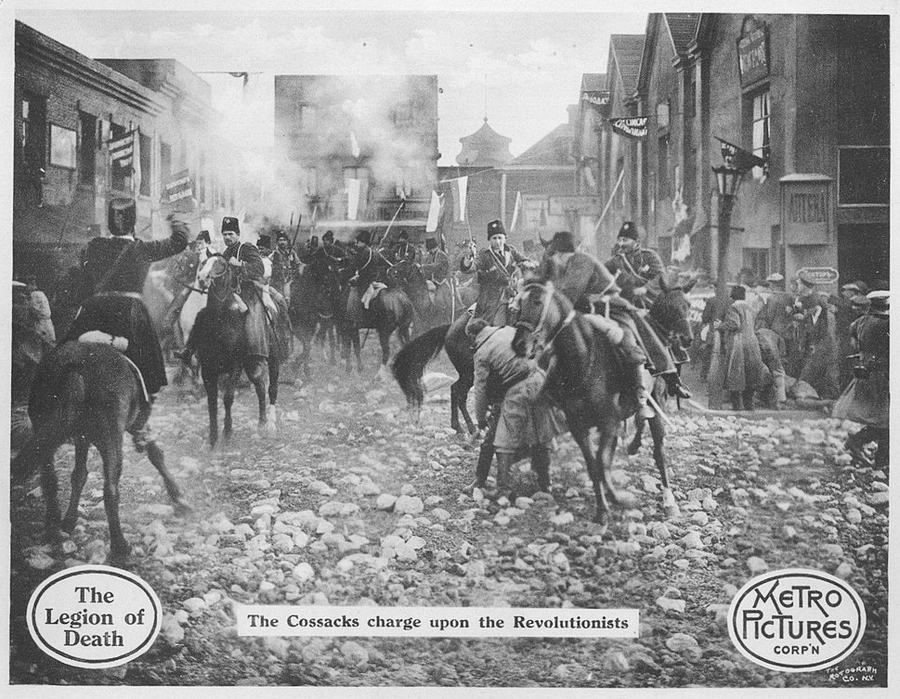
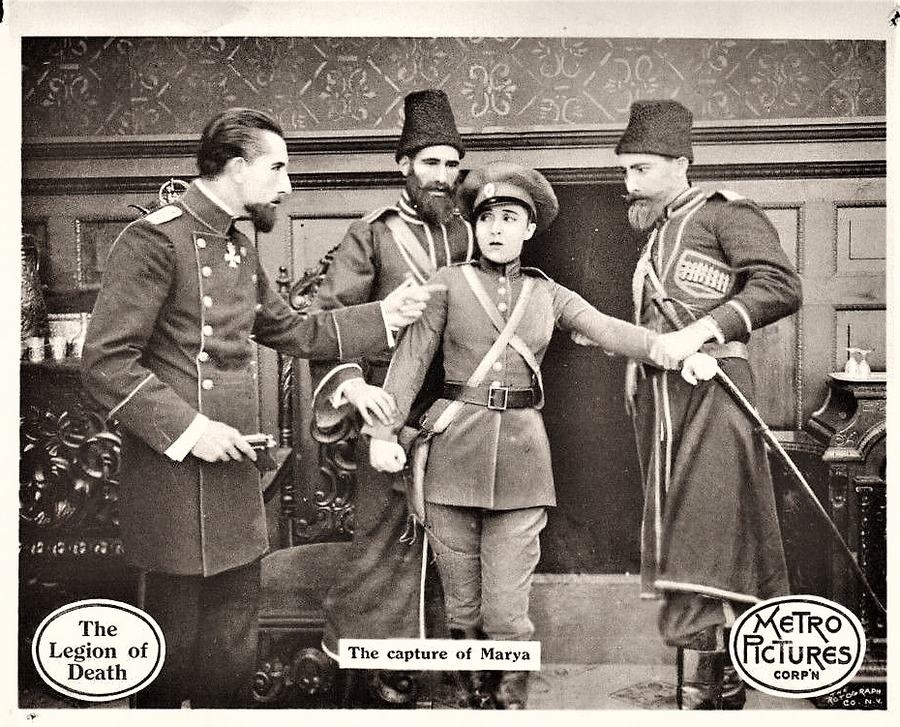
Upon their return to Russia, the narrative shifts gears dramatically, thrusting Marya directly into the heart of the Revolution. She is no mere observer; she becomes an active, impassioned participant, her royal lineage paradoxically empowering her to connect with the fervor of the common people. Meanwhile, Willard, drawn by the inexorable pull of duty and perhaps by his growing affection for Marya, joins the Allied Commission, his presence underscoring the international dimensions of the conflict. The film astutely highlights the pervasive influence of German agents, a clandestine threat that gnaws at the very soul of Russia. It is this insidious infiltration, this fear of betrayal from within, that catalyzes Marya's most radical decision. In a stroke of cinematic genius and historical resonance, she organizes the Legion of Death, a fighting unit composed entirely of peasant women. This isn't merely a plot device; it's a powerful statement on female empowerment, a defiant roar against traditional gender roles in a time of existential crisis. Marya, donning the mantle of a warrior, leads these women into battle against the German forces, a sequence that, despite its tragic outcome – the legion's defeat and Marya's capture – underscores her indomitable spirit and unwavering commitment to her nation. The climax, with Marya ultimately securing her freedom, is a triumphant reaffirmation of her resilience, leaving the audience with a profound sense of her extraordinary journey.
In the silent era, the burden of conveying complex emotions and narrative nuances fell squarely upon the actors' shoulders, demanding a physicality and expressiveness that modern audiences might find exaggerated yet undeniably effective. Edith Storey, as Princess Marya, delivers a performance that is nothing short of captivating. She embodies Marya with a fiery determination, a regal bearing, and a vulnerability that makes her revolutionary zeal all the more poignant. Her transition from an aristocratic student to a battle-hardened leader is rendered with remarkable conviction, her large, expressive eyes and sweeping gestures communicating volumes without uttering a single word. One can almost feel her anguish during Paul's capture, her resolve when forming the Legion, and her unyielding courage on the battlefield. Storey's portrayal is a masterclass in silent film acting, elevating Marya beyond a mere protagonist to an icon of feminine strength.
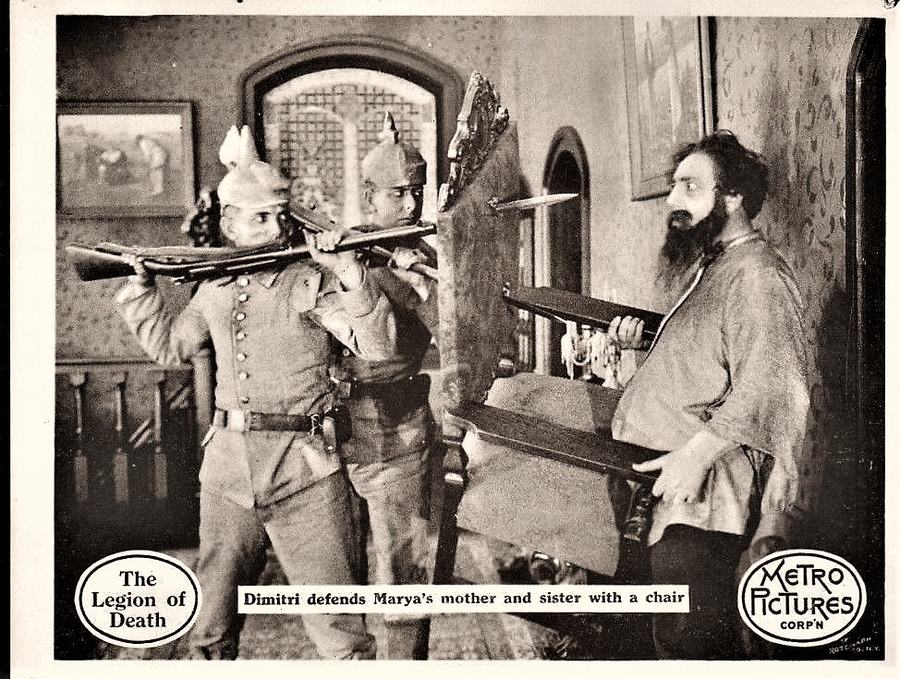
Opposite her, H.L. Swisher, as Captain Rodney Willard, provides a steadfast and honorable presence. His character serves as a crucial anchor, representing the Allied perspective and offering a romantic counterpoint to Marya's revolutionary fervor. Swisher's performance, while perhaps less overtly theatrical than Storey's, conveys a quiet strength and deep commitment, making his burgeoning affection for Marya believable and heartfelt. The chemistry between the two leads, though communicated through glances and subtle body language, is palpable, adding a vital emotional layer to the geopolitical drama. Fred Malatesta, as Grand Duke Paul, effectively conveys the initial aristocratic detachment and subsequent vulnerability, providing the catalyst for Marya's early actions. The ensemble cast, including Philo McCullough, Junior Beckner, Francis Marion, Irene Aldwyn, Pomeroy Cannon, R.O. Pennell, Norma Nichols, Grace Aide, Harry Moody, and Charles K. Gerrard, collectively contribute to the rich tapestry of characters, each fulfilling their role in propelling the intricate plot forward. Their collective dedication to the theatricality inherent in silent film acting ensures that the narrative's emotional beats land with considerable impact, even without spoken dialogue.
The direction of The Legion of Death demonstrates a sophisticated understanding of silent film aesthetics, employing visual techniques to convey scale, emotion, and narrative progression. The film's cinematography, while constrained by the technology of its time, manages to capture both the grandeur of its settings – from stately American universities to the ravaged landscapes of revolutionary Russia – and the intimacy of its character interactions. Battle sequences, though perhaps less graphically explicit than modern war films, are staged with a dramatic sweep that evokes the chaos and brutality of warfare. The sight of the all-female Legion of Death marching into combat is particularly striking, a visual metaphor for the overturning of societal norms and the desperate measures necessitated by global conflict. The use of intertitles is judicious and effective, providing essential dialogue and narrative exposition without overwhelming the visual flow. These textual interventions are not merely functional; they often carry a poetic or dramatic weight, reinforcing the film's thematic concerns and driving the emotional core of the story. The pacing, a critical element in silent cinema, is expertly managed, oscillating between moments of intense action and quieter, character-driven scenes, maintaining audience engagement throughout its considerable runtime. This visual storytelling prowess is what allows the film to transcend its historical context and communicate its universal themes of courage, loyalty, and sacrifice.
No discussion of The Legion of Death would be complete without acknowledging the profound contribution of its writer, June Mathis. In an era often dominated by male creatives, Mathis stood out as a formidable talent, one of the most powerful and prolific screenwriters in early Hollywood. Her writing for this film is a testament to her skill in crafting narratives that were both grand in scope and deeply human in their emotional resonance. Mathis didn't just adapt stories; she shaped them, imbuing characters with complex motivations and constructing plots that resonated with contemporary audiences. For The Legion of Death, she took a potentially sensationalist premise – a princess leading an all-female army – and grounded it in compelling character development and a nuanced understanding of the political landscape. Her script elevates Marya beyond a mere symbol, crafting her into a fully realized individual whose journey of self-discovery and sacrifice forms the very backbone of the film. Mathis's ability to blend historical events with gripping personal drama was a hallmark of her work, and this film stands as a prime example of her narrative craftsmanship. Her influence extended beyond the words on the page; she was known for her meticulous attention to detail and her ability to envision the final cinematic product, a true visionary who played a pivotal role in shaping the nascent art of screenwriting.
Released in 1918, The Legion of Death arrived at a critical juncture in world history. The Russian Revolution was still unfolding, its outcome uncertain, and the Great War raged on, demanding unprecedented sacrifices from nations and individuals alike. The film, therefore, served not only as entertainment but also as a powerful reflection of and commentary on these seismic events. It tapped into the public's fascination with Russia's dramatic transformation and the heroism displayed on the battlefields. The concept of the "Legion of Death," an actual Russian women's battalion formed during WWI, was a potent symbol of national desperation and female patriotism, and the film capitalized on this real-world inspiration to create a compelling fictional narrative. This direct engagement with contemporary events gave the film an immediacy and relevance that few other works could claim. Its portrayal of German agents as sinister forces resonated with the wartime anxieties of Allied nations, framing the conflict in stark moral terms. The film's reception at the time would have been influenced by these prevailing sentiments, likely drawing audiences eager to witness tales of bravery and ultimate triumph in the face of overwhelming odds. It's a snapshot of a particular moment in time, offering insights into the cultural and political currents that shaped the early 20th century.
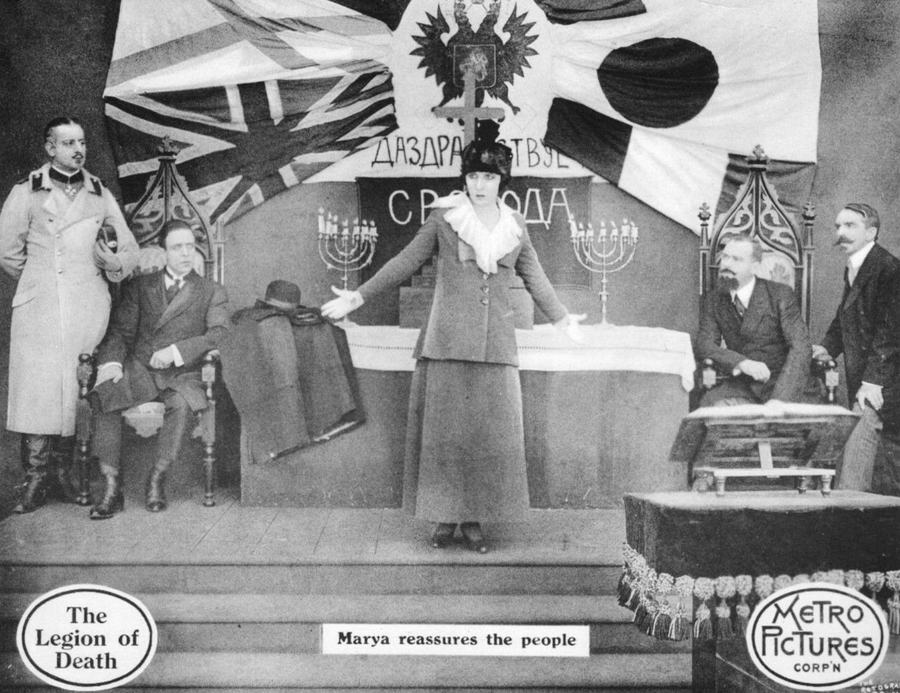
Even a century removed from its initial release, The Legion of Death retains a surprising degree of resonance. Its exploration of female leadership and agency, particularly in a military context, feels remarkably prescient. Marya's decision to form and lead an all-female fighting unit, while rooted in the specific historical context of WWI Russia, speaks to broader, enduring questions about gender roles, courage, and the capacity for heroism irrespective of societal expectations. This theme of a strong, independent female protagonist fighting for a cause greater than herself can be seen, albeit in different forms, across cinematic history, reminding us that stories of empowered women have always held a powerful appeal. While it might not share the grand scale or explicit political commentary of something like The Battle of Love in its romantic entanglements, or the cultural spectacle of The Pageant of San Francisco, its focus on individual resolve amidst national turmoil gives it a unique dramatic weight. Its dramatic intensity and exploration of personal sacrifice echo the emotional depth found in films like Die ewige Nacht, albeit with a more overtly political backdrop. The film also provides a valuable historical document, offering a glimpse into how silent cinema tackled complex geopolitical themes and constructed narratives that aimed to inspire and inform. For enthusiasts of silent film, it showcases the sophisticated storytelling techniques employed before the advent of sound, demonstrating how powerfully emotions and ideas could be conveyed through visual artistry alone. The enduring appeal of its central character, Marya, as a symbol of defiance and resilience, ensures that her story continues to captivate and inspire, marking The Legion of Death as more than just a historical curiosity, but a vibrant piece of cinematic heritage.
The Legion of Death stands as a compelling testament to the power of early cinema to tackle monumental historical events through the lens of individual heroism. With Edith Storey's electrifying performance, June Mathis's masterful script, and a narrative that expertly blends political intrigue with personal drama, the film transcends its silent origins to deliver a potent and enduring message. It is a vibrant, often thrilling, and always engaging journey into a pivotal moment in history, reminding us that courage, conviction, and the audacity to challenge the status quo are timeless human virtues. For anyone seeking to understand the breadth and depth of silent cinema, or simply to witness a truly remarkable tale of a princess who became a revolutionary leader, The Legion of Death is an essential viewing experience. It's a film that speaks volumes without uttering a single word, a silent roar that still reverberates with power and purpose.

IMDb —
1917
Community
Log in to comment.