DbcultAccessing Vault...
6/10
Senior Film Conservator
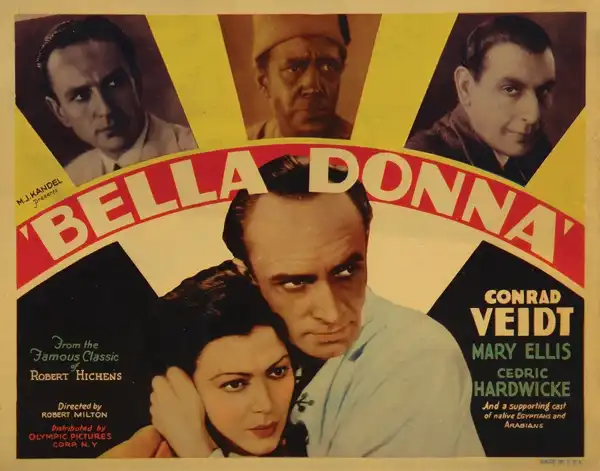
A definitive 6/10 rating for a film that redefined the boundaries of cult cinema. Bella Donna remains a cornerstone of transgressive art.
Okay, so *Bella Donna* from 1934. Is it worth tracking down today? Well, if you like your classic films, especially the ones where folks get into real trouble, then yes. This one’s a treat for those who appreciate old-school melodrama and a truly menacing villain. But if you need fast action or bright colors, you'll probably find it a bit of a snooze. 😴
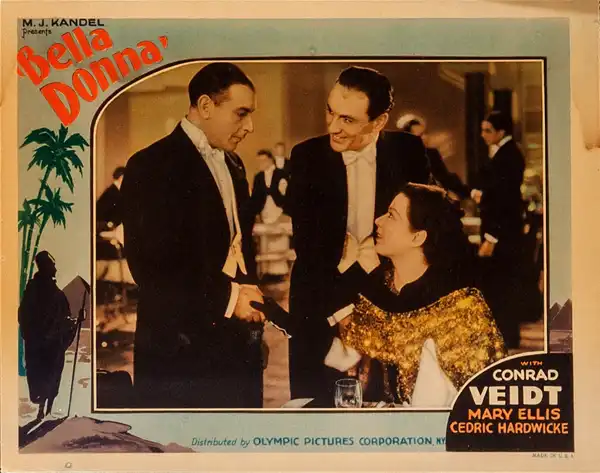
The story’s simple enough: Isabella (Mary Ellis) is just *done* with her nice, boring husband, Nigel (John Stuart), and their perfectly respectable life. She meets Mahmoud Baroudi (Conrad Veidt), a guy who radiates danger and charm. He quickly talks her into a very bad plan, *almost too easily*.
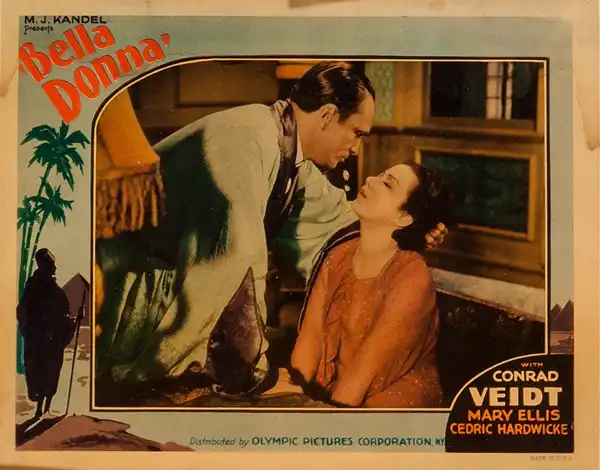
Mary Ellis, as Isabella, spends a lot of the film with this sort of *weary* look. Like she's constantly waiting for something to happen, and when it does, it's just more boring stuff. Her eyes, they just hold so much of that feeling.
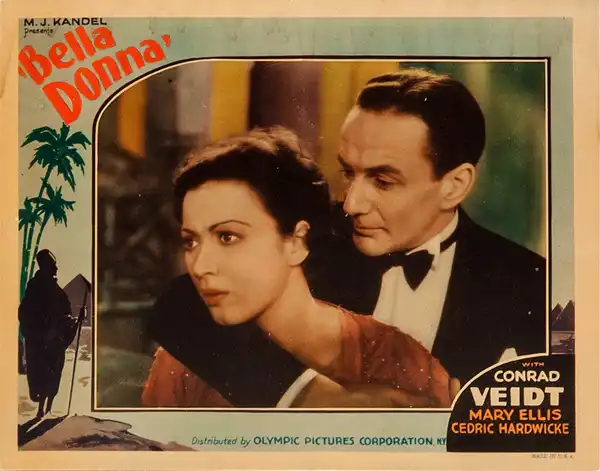
Then there’s Conrad Veidt. Wow. He just *oozes* sinister. His character, Baroudi, doesn't even have to do much. He just stands there, often in shadow, maybe a slight smirk, and you just know he’s up to no good. It’s not a loud performance, but it’s **so powerful**. Remember him in Casablanca? He brings that same kind of quiet menace here.
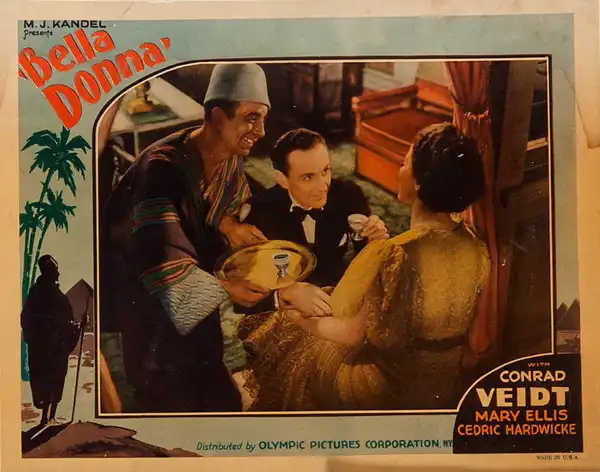
John Stuart plays the husband, Nigel, as almost *too* good-natured. You almost want to shake him and say, 'Wake up, man!' Poor guy. He's kind of oblivious, which makes Isabella's plot feel even crueler. It’s a bit of a thankless role, honestly.
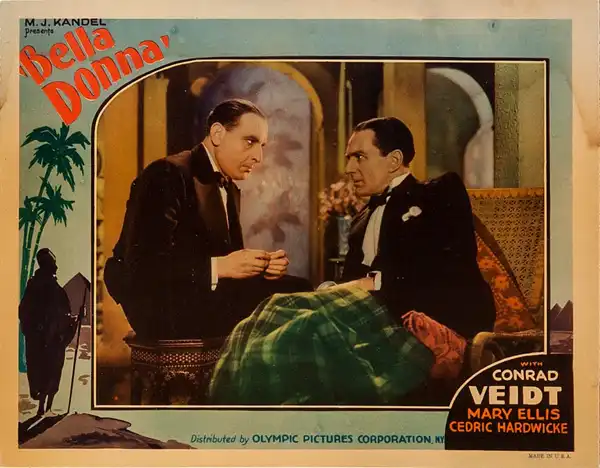
The whole setup in Egypt feels a bit exotic, in that old movie way. Palm trees, veiled women in the background. It helps sell Baroudi’s mysterious vibe, I guess. The camera often lingers on these little decorative elements, kinda adding to the atmosphere.
There’s this one scene where Isabella and Baroudi are talking, and the camera just keeps cutting between their faces. You see Isabella’s internal struggle, then Baroudi’s steady, *hypnotic* stare. It’s almost too intense, really. You can practically feel the air crackle.
The pacing is definitely of its time. It builds slowly, letting the tension simmer. Don't expect quick cuts. Sometimes a scene just *holds* for a moment longer than you'd think, letting the silence do the work. It feels very deliberate.
I noticed a couple of things. The way Isabella’s maid, Marie, keeps looking at her, like she knows *something’s* up but can’t quite place it. It’s a tiny detail, but it adds to the suspense. And the sound design, for 1934, is pretty good. The distant street noises, a faint musical cue, it all just works.
The ending felt… well, I won't spoil it. But it leaves you thinking. It’s not wrapped up in a neat little bow, which I kinda appreciate. It respects the audience enough, I think, to let them ponder it.
It's a solid watch for classic film fans, especially those who appreciate a good villain and a slow-burn psychological drama. It’s got that pre-Code edge, too, where things don't always go the way you expect in later Hollywood. Definitely one to check out if you’re into that era. 🎬
IMDb —
1920
Community
Log in to comment.