DbcultAccessing Vault...
6.3/10
Senior Film Conservator
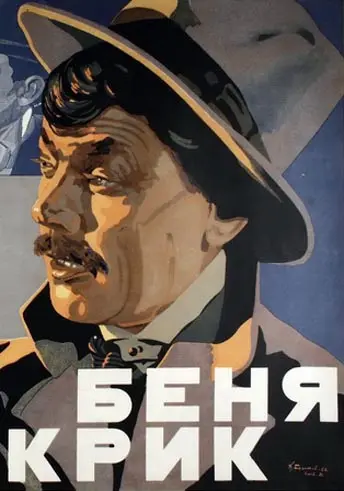
A definitive 6.3/10 rating for a film that redefined the boundaries of cult cinema. Bennie the Howl remains a cornerstone of transgressive art.
Is Bennie the Howl worth watching today? Short answer: yes, but with significant caveats. This 1926 Soviet silent film is a fascinating, if sometimes arduous, journey into a specific historical and cinematic moment, offering a raw glimpse into the Jewish underworld of Odessa that is unlike almost anything else in the gangster genre. It's a film for those who appreciate the historical significance of cinema, the artistry of silent storytelling, and a deep dive into character-driven period pieces, rather than modern action or narrative conventions. Conversely, it is decidedly not for viewers seeking fast-paced plots, clear-cut heroes, or the polished production values of contemporary film. Its deliberate pacing and the inherent limitations of the silent medium will test the patience of many.
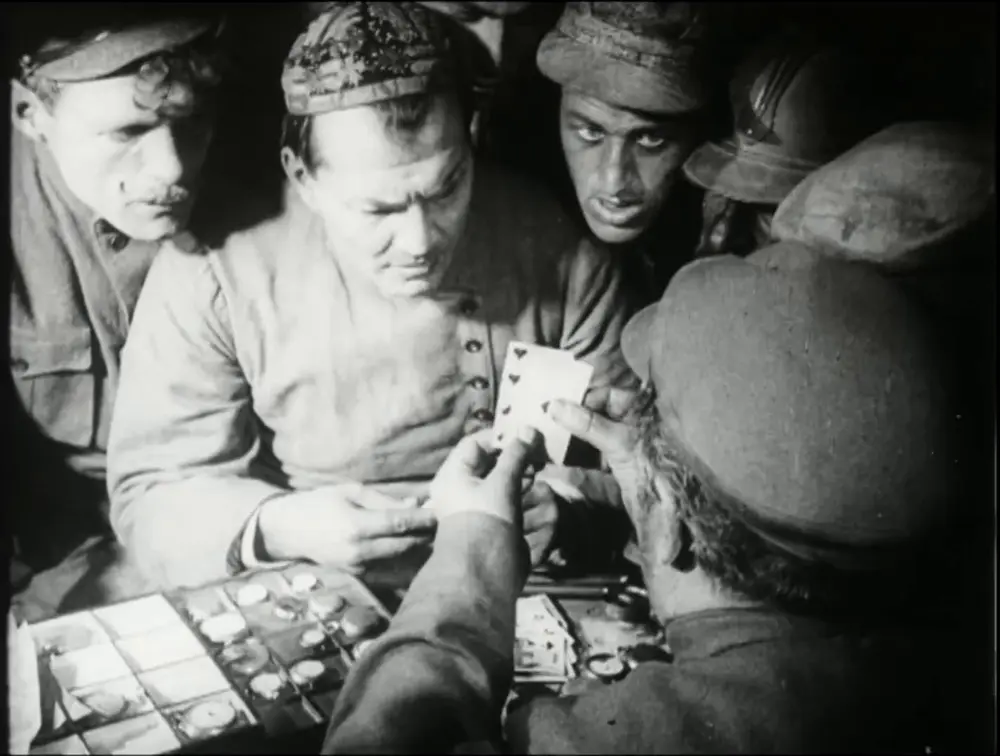
This film works because it offers an unparalleled, gritty portrayal of a specific historical subculture, anchored by a compelling central performance and a surprisingly nuanced moral landscape for its era. It fails because its narrative can feel episodic, its silent-era conventions demand a particular kind of engagement, and its political messaging, while historically relevant, occasionally overshadows its dramatic core. You should watch it if you are a history buff, a devotee of silent cinema, or someone eager to explore the foundational texts of the gangster genre through a unique Soviet lens. If you’re looking for a casual watch or an entry point into classic cinema, you’d be better served elsewhere.
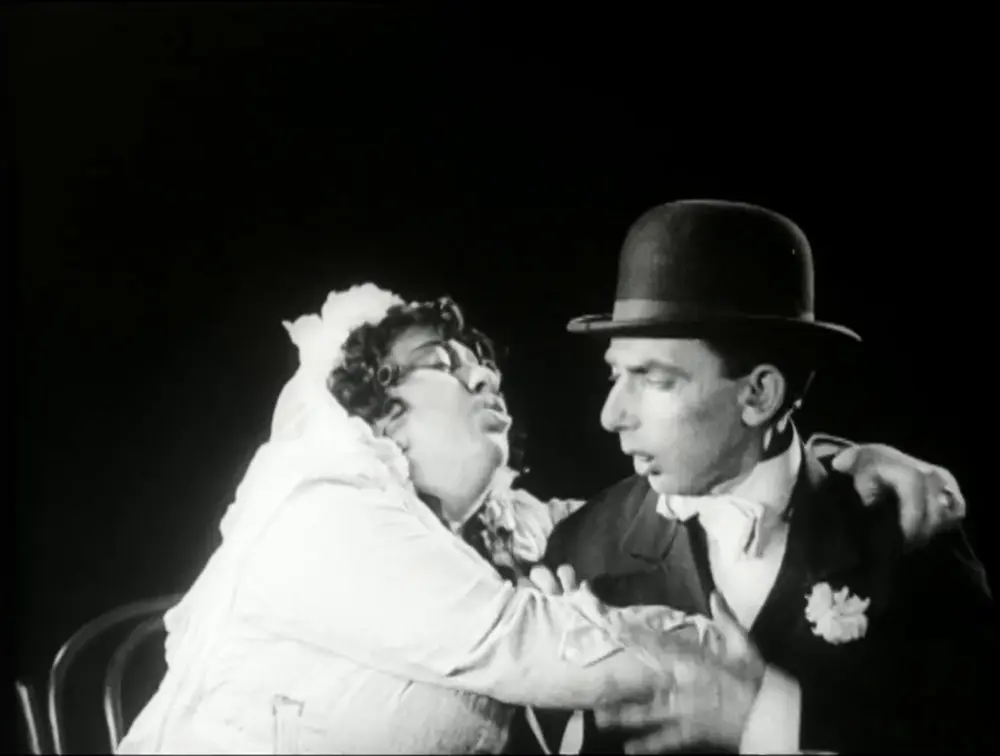
Bennie the Howl isn't merely a gangster film; it's a historical document, a vivid, often brutal, recreation of the Jewish criminal underworld of Odessa during the tumultuous years following the Russian Revolution. Directed by Vladimir Vilner, the film draws its narrative directly from the stories of Isaak Babel, particularly his 'Odessa Stories' collection, which immortalized the exploits of Benya Krik, a character famously modeled on the real-life gangster Mishka Yaponchik. What unfolds on screen is less a conventional crime saga and more a cultural excavation, portraying a community where crime is not just an illicit activity but a deeply entrenched, almost institutionalized way of life, complete with its own codes, hierarchies, and peculiar sense of justice.
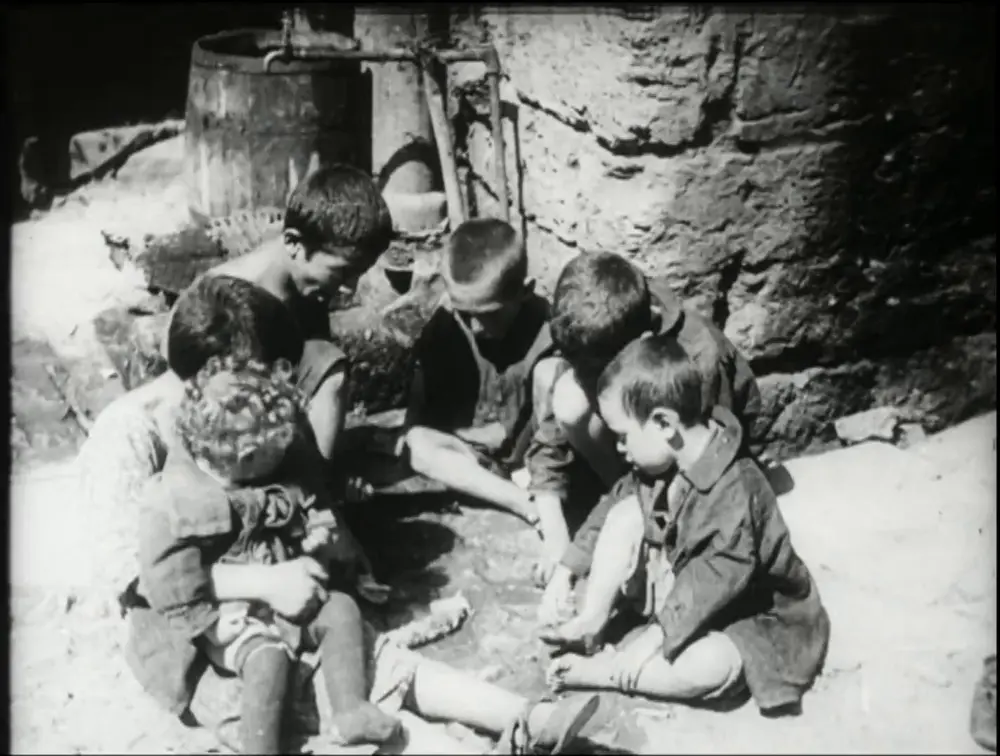
The film eschews romanticization for a stark realism, depicting a world where survival often dictates morality. Benya Krik, portrayed with a compelling blend of swagger and underlying menace by Ivan Sizov, is not a simple villain. He is a product of his environment, a figure who commands loyalty through both fear and a strange, almost paternalistic protection of his own. His gang operates with a brazenness that is shocking even by modern standards, carrying out murders and robberies with a casual impunity that speaks volumes about the societal breakdown of the period. This isn't the slick, organized crime of later Hollywood; it's a raw, desperate, and often chaotic struggle for dominance in a city teetering on the brink of profound change.
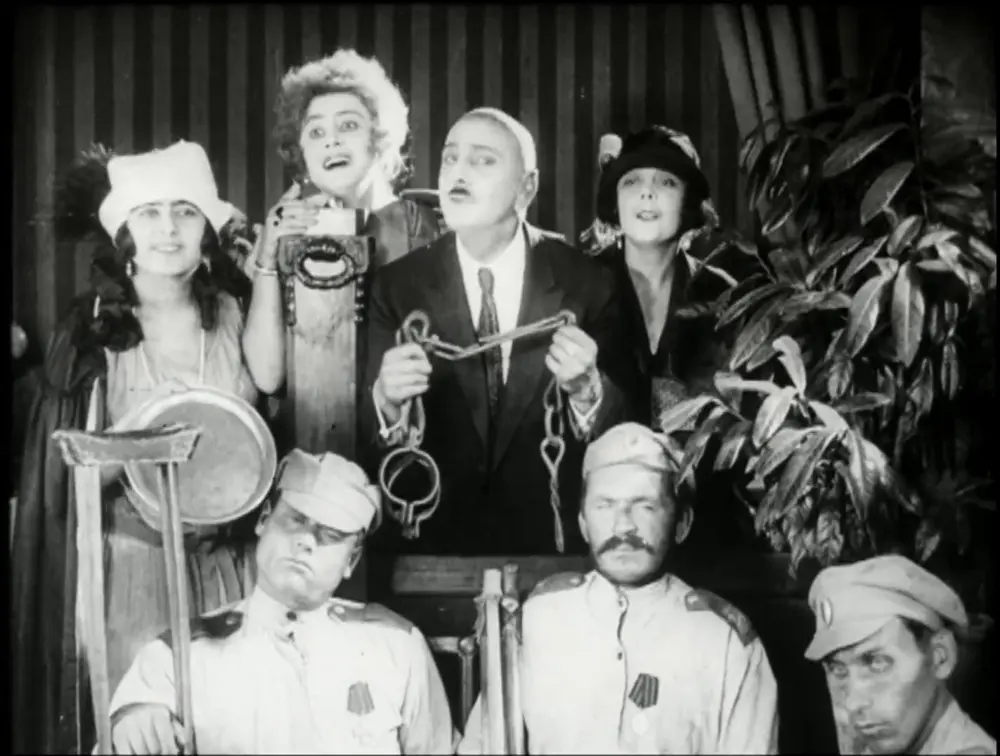
The introduction of the Bolsheviks into this established criminal ecosystem fundamentally shifts the narrative, moving it beyond a mere character study into a broader commentary on revolution and the clash of old and new orders. Benya's gang, once the undisputed masters of their domain, find themselves increasingly out of step with the emerging political landscape. The 'trap' mentioned in the plot summary isn't just a physical snare; it's an ideological one, as the organized, disciplined force of the revolution begins to systematically dismantle the anarchic, individualistic power structures Benya has built. The film thus becomes a poignant, almost elegiac, account of a dying world, a specific cultural moment being swept away by the unstoppable tide of history.
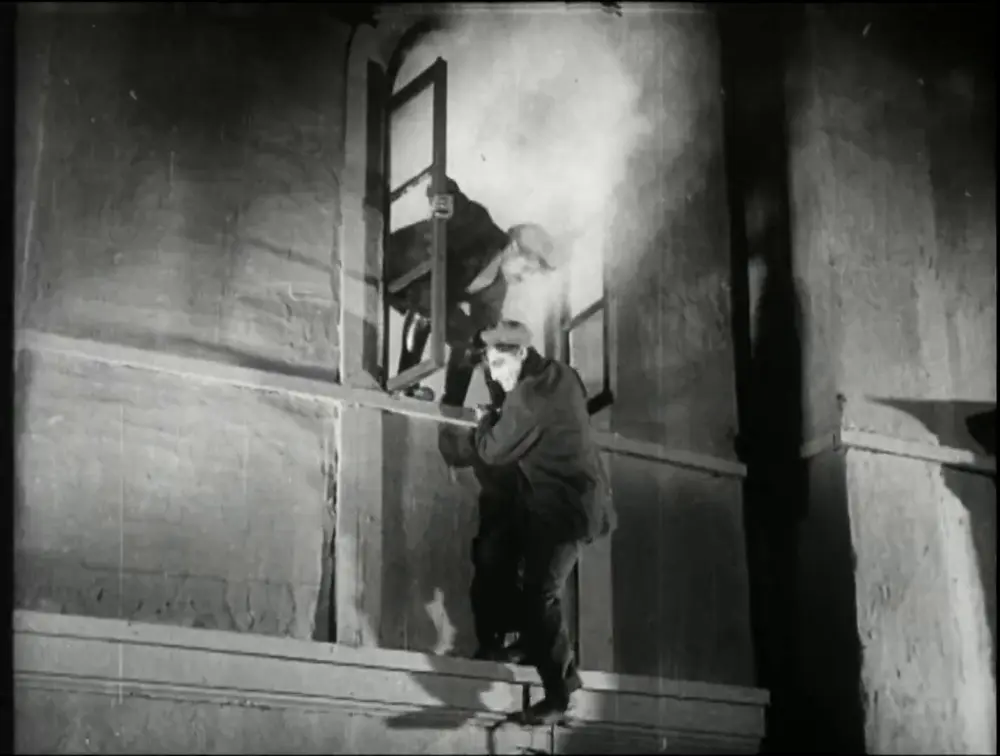
Vladimir Vilner's direction in Bennie the Howl is a testament to the power of visual storytelling in the silent era. Without the crutch of dialogue, every frame, every gesture, every cut had to communicate narrative and emotion with absolute clarity. Vilner achieves this largely through evocative cinematography and a keen understanding of ensemble staging. The film utilizes deep shadows and stark contrasts to great effect, particularly in scenes depicting the gang's clandestine meetings or their brutal acts of violence. This creates a sense of foreboding and moral ambiguity that permeates the entire picture.
One particularly memorable visual choice is the recurring motif of crowds and tight, almost claustrophobic compositions. Odessa itself, with its bustling markets and narrow alleys, feels like a living, breathing character. Vilner frequently employs wide shots to establish the scale of the underworld, only to zoom in on the intense, often unsettling expressions of the characters. For instance, the scene where Benya asserts his dominance over rival gangs isn't just about the act of violence; it's about the collective reaction of the onlookers, their fear and grudging respect palpable through their exaggerated, yet effective, silent film acting.
The pacing, while deliberate by modern standards, is surprisingly dynamic for a film of its age. Vilner understands the rhythm of visual storytelling, using quick cuts during moments of action and lingering shots to emphasize emotional weight. The editing, though basic by today's standards, effectively builds tension, particularly as the Bolshevik threat escalates. It's a masterclass in how to convey complex political shifts and personal dramas through purely visual means, demanding active engagement from the viewer.
The success of any silent film hinges entirely on the expressiveness of its cast, and Bennie the Howl largely delivers. Ivan Sizov's portrayal of Benya Krik is the undeniable anchor. He brings a magnetic, almost animalistic intensity to the role, conveying Benya's arrogance, cunning, and surprising moments of vulnerability through his posture, his piercing gaze, and his broad, theatrical gestures. Sizov makes Benya a figure of both admiration and fear, a man who lives by his own code in a world that increasingly has no place for it. His physicality in scenes of confrontation is particularly striking, projecting raw power without uttering a single word.
The supporting cast, while less individually defined, contributes significantly to the film's immersive atmosphere. Abram Vabnik and Aleksandr Sashin, as members of Benya's inner circle, effectively communicate loyalty, fear, and desperation. Their performances, like many in silent
IMDb 7.3
1932
Community
Log in to comment.