DbcultAccessing Vault...
5.5/10
Senior Film Conservator
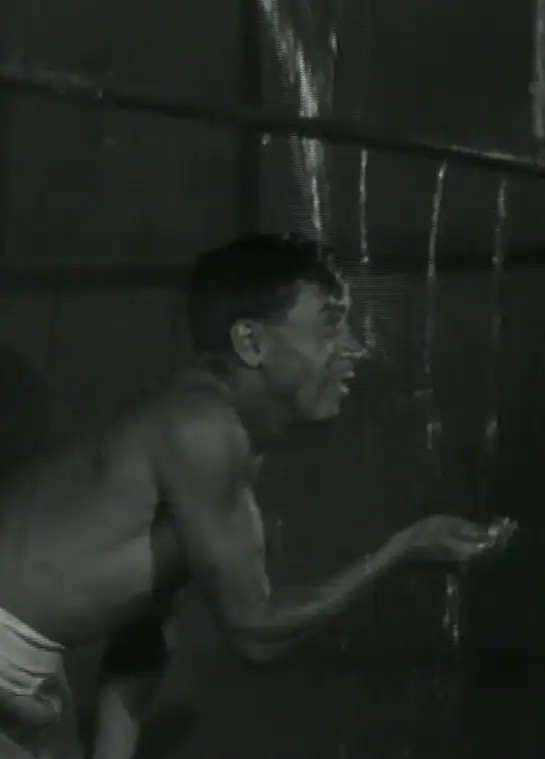
A definitive 5.5/10 rating for a film that redefined the boundaries of cult cinema. Beregi zdorovye remains a cornerstone of transgressive art.
Alright, let’s be real. If you’re not *super* into obscure Soviet-era educational shorts, then Beregi zdorovye isn’t going to be your next binge-watch. It’s really for folks who get a kick out of historical curiosities, or maybe anyone fascinated by the sheer earnestness of old instructional films. If the idea of watching soldiers learn to wash their hands with intense concentration sounds like a snooze, then yeah, you’ll probably want to skip this one. But for a certain kind of film nerd, it’s a neat little time capsule. 🕰️
This film, from way back in the 1930s, is basically a health and hygiene lesson for Red Army soldiers. It’s all about keeping them fit and ready, you know, for soldier stuff. Aleksandr Medvedkin is credited, and you can sort of feel that direct, no-nonsense approach, even in something this, well, instructional.
The whole thing feels like a stern but caring lecture from a very serious uncle. Every single point about hygiene is delivered with such gravity. You’d think they were explaining how to defuse a bomb, not just how to properly brush your teeth. The focus on dental care, for instance, is quite something. There’s a whole segment on how to hold the brush, the *exact* motions. It’s almost balletic, in a very rigid way. 🦷
One scene that stuck with me involves a soldier demonstrating foot care. He removes his boot, and the camera just *lingers* on his foot. Like, a proper close-up. Then he carefully washes it, towel-dries between each toe, and powders it. It’s meticulous. And you think, wow, they really didn’t want their troops getting trench foot. It makes sense, but the sheer visual devotion to it is a bit much.
It’s not just about personal cleanliness either. The film touches on things like keeping barracks tidy and food safe. There are these quick cuts showing clean dishes, then a shot of soldiers eating with impeccable posture. Everything is about order. About discipline. About the collective good, even down to how you wipe your plate.
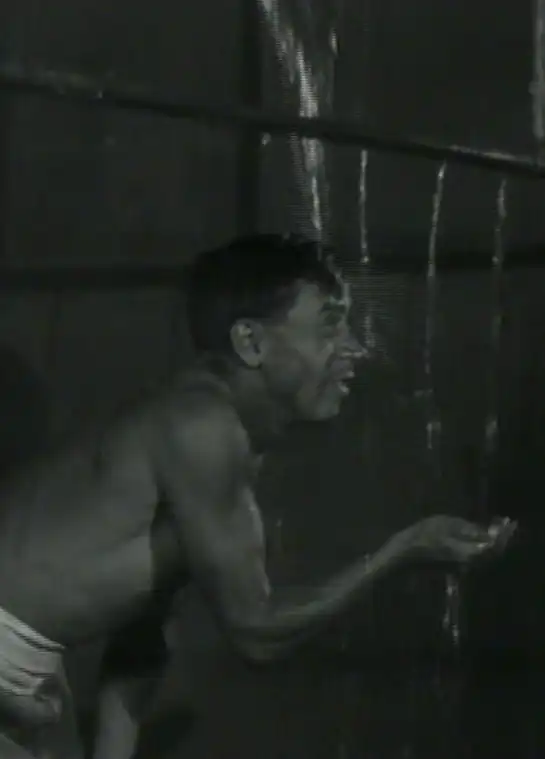
What’s really interesting is the *tone*. It’s not preachy in a harsh way, but it’s definitely insistent. Like, there’s no room for debate here. This is how you stay healthy, comrades, and you *will* do it this way. The voiceover is deep, authoritative. It almost makes you want to go scrub something, just out of respect. Or fear. Maybe a little of both. 😂
You can see the period clearly in the uniforms and the settings. Everything looks stark, functional. There are no frills. It’s all about the message. Sometimes, the framing of a shot is quite striking. Like a group of soldiers doing calisthenics, perfectly synchronized, against a very simple, almost bare backdrop. It emphasizes the uniformity, the collective.
There’s a part about avoiding illness, and it’s pretty basic by today’s standards. Don’t cough on people. Wash your hands. Simple things. But presented with such importance, it feels… weighty. You get a sense of how vital these instructions were considered, especially for maintaining a fighting force.
For a modern audience, it’s mostly a curiosity. A historical document. It doesn't really have a story, obviously. But it does offer a little window into the past, into the mindset of a particular time and place. It’s a very specific kind of film, Ashi ni sawatta onna it is not, but it certainly holds its own niche.
It’s not trying to entertain, not really. It’s trying to instruct. And in that, it probably succeeded for its intended audience. For us today, it’s a quiet, sometimes amusing, reminder of how much things change, and how some things, like the importance of washing your hands, never really do. Just maybe the *way* we’re told to do it. 😉

IMDb 5.8
1931
Community
Log in to comment.