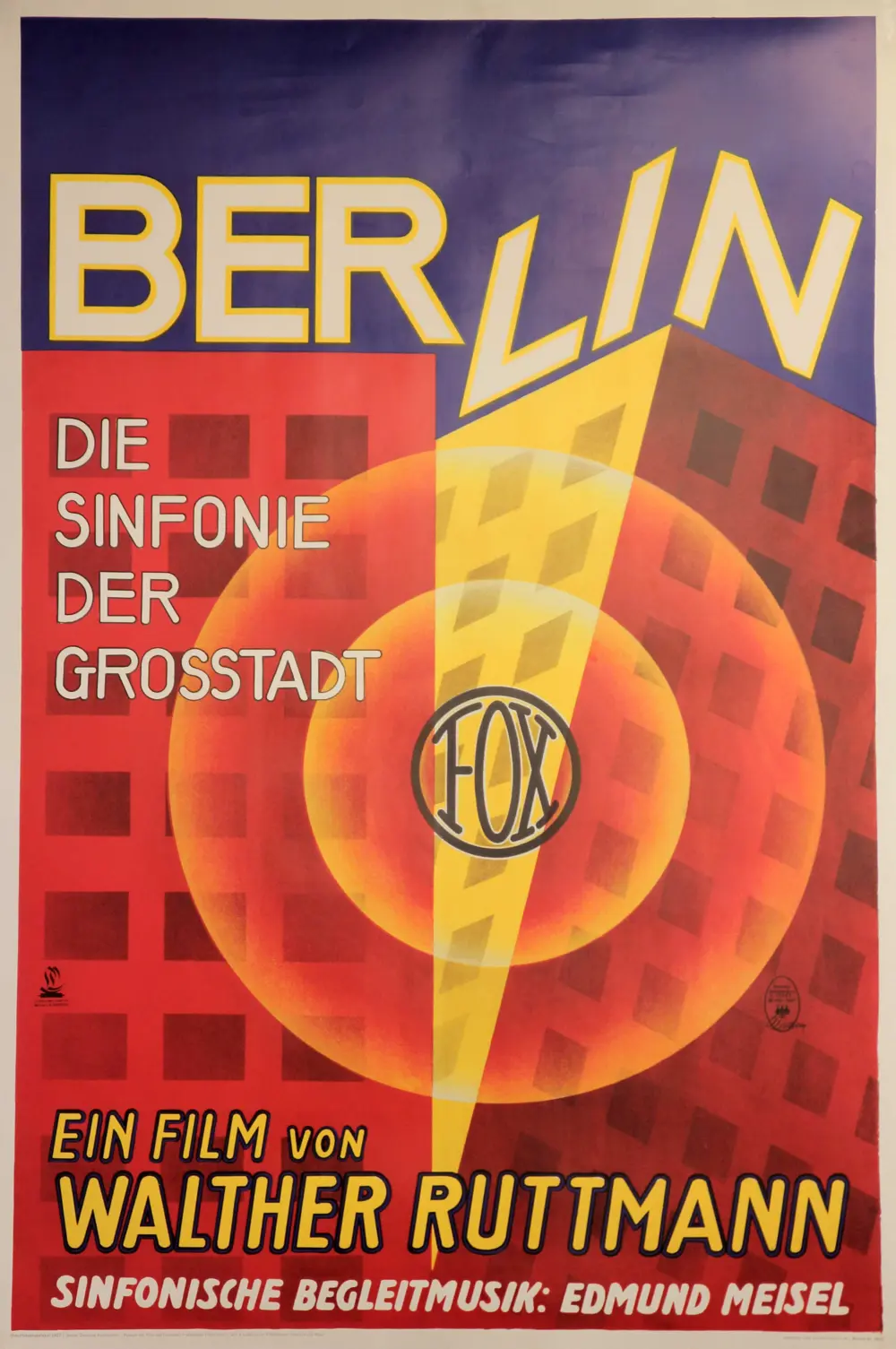
A definitive 7.6/10 rating for a film that redefined the boundaries of cult cinema. Berlin: Symphony of Metropolis remains a cornerstone of transgressive art.
Is 'Berlin: Symphony of Metropolis' worth watching today? Short answer: absolutely, but with significant caveats that demand a certain kind of viewer engagement. This film is an essential, almost hypnotic experience for those fascinated by cinematic history, urban studies, and experimental documentary filmmaking, yet it will likely prove a challenging, even alienating, watch for audiences accustomed to traditional narrative structures or seeking a casual viewing experience.
It’s a film that demands effort, and unapologetically so. To truly appreciate its genius, one must meet it on its own terms, abandoning expectations of plot or character development. This is pure cinema, a visual and rhythmic poem dedicated to the spirit of a city.
This film works because of its audacious formal experimentation, its groundbreaking use of montage to create a living, breathing portrait of a city, and its enduring power as a historical document of Weimar-era Berlin.
Scene from Berlin: Symphony of Metropolis
Cinematic perspective: Exploring the visual vocabulary of Berlin: Symphony of Metropolis (1927) through its definitive frames.
This film fails because its relentless, non-narrative structure can feel repetitive and emotionally distant to modern viewers, and its lack of character or dramatic arc makes sustained engagement difficult for many.
You should watch it if you are a film student, a history buff, an admirer of avant-garde cinema, or someone curious about the origins of the city symphony genre.
A City Awakens: The Genesis of the Urban Symphony
Walter Ruttmann's 1927 silent film, Berlin: Symphony of Metropolis, is not merely a film; it is a declaration. A bold, unapologetic statement about the power of cinema to capture the intangible essence of urban life. Before the term 'documentary' became strictly defined, Ruttmann, alongside cinematographer Karl Freund and writer Carl Mayer, embarked on a project to distill a single day in Berlin into a purely visual and rhythmic experience. This wasn't about telling a story with actors and dialogue; it was about revealing the story embedded in the city itself, in its infrastructure, its inhabitants, and its relentless pace.
Scene from Berlin: Symphony of Metropolis
Cinematic perspective: Exploring the visual vocabulary of Berlin: Symphony of Metropolis (1927) through its definitive frames.
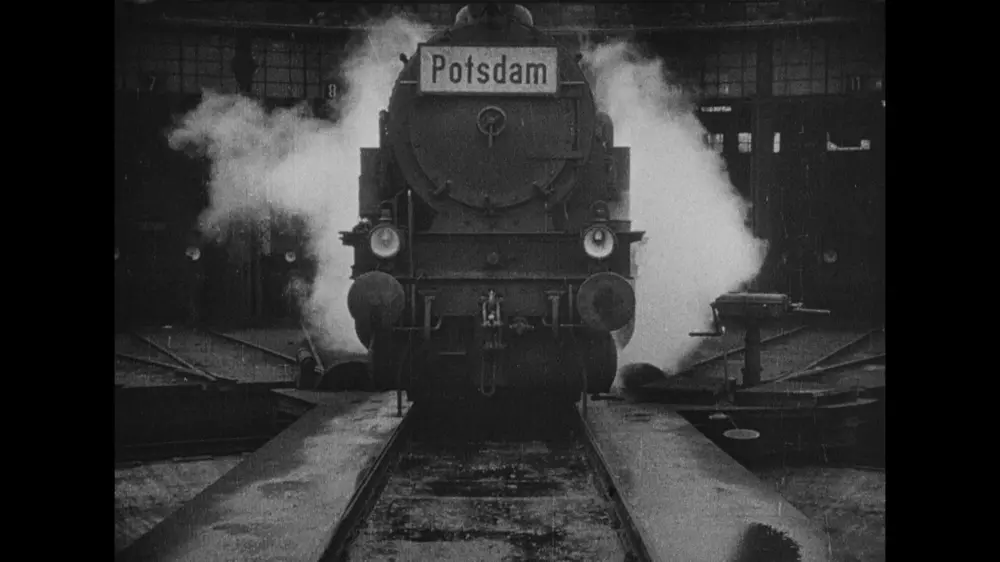
The film opens with a sequence that remains breathtakingly effective today: trains hurtling towards the city, their rhythmic clatter serving as the first beat of the metropolis’s awakening. We see tracks converging, signals changing, the gradual acceleration of machinery. This isn't just a depiction of transport; it’s the very pulse of the city beginning to throb. Ruttmann’s directorial vision was to treat the city as a grand orchestra, each element – a factory smokestack, a bustling streetcar, a worker’s face – a distinct instrument contributing to a larger, complex symphony. He sought to create a 'film-poem,' an abstract yet deeply immersive experience that transcended conventional narrative.
This approach was revolutionary. At a time when cinema was largely focused on narrative melodramas or comedies, Ruttmann was pushing the boundaries of what film could be. He was exploring the medium's inherent ability to manipulate time and space, to create meaning through juxtaposition and rhythm. His work laid the groundwork for the 'city symphony' genre, influencing countless filmmakers who sought to capture the spirit of urban environments. It wasn't just observing Berlin; it was actively interpreting it, shaping its raw reality into an artistic statement.
The Unseen Protagonist: Berlin Itself
In Berlin: Symphony of Metropolis, the true protagonist isn't a person, but the city of Berlin itself. Walter Ruttmann, with the masterful eye of Karl Freund behind the camera, transforms the urban landscape into a dynamic, multifaceted character. Freund’s cinematography is nothing short of extraordinary for its time, employing innovative angles, tracking shots, and close-ups that imbue inanimate objects with life and elevate everyday actions to monumental significance.
Scene from Berlin: Symphony of Metropolis
Cinematic perspective: Exploring the visual vocabulary of Berlin: Symphony of Metropolis (1927) through its definitive frames.
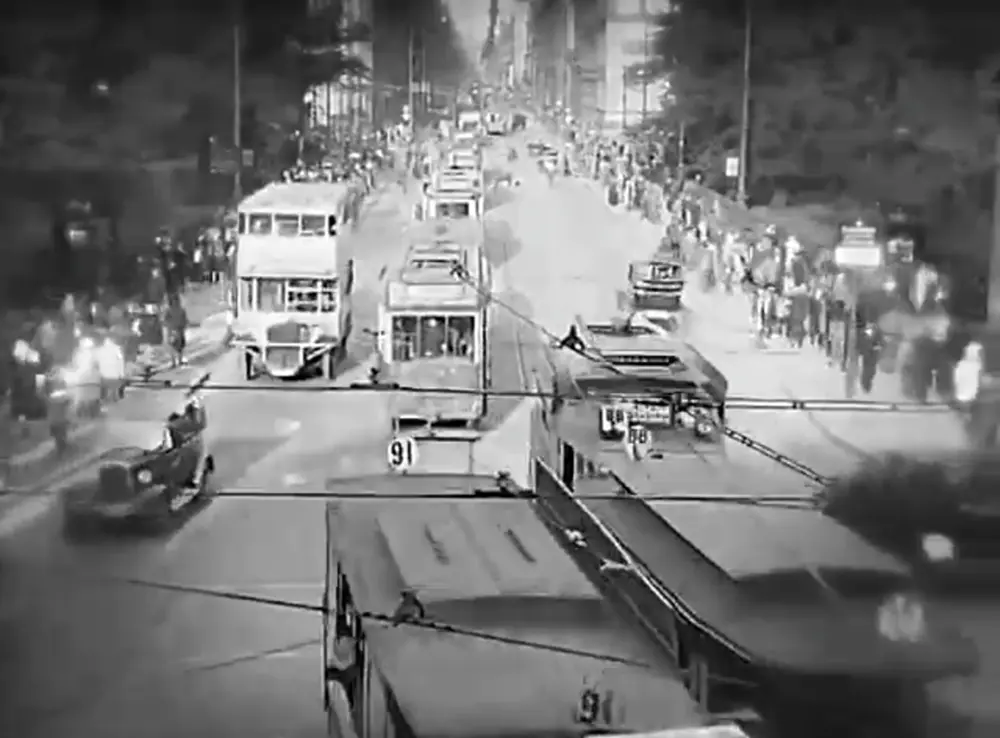
The camera glides through streets, peers into windows, and captures the intricate dance of pedestrians and vehicles. One particularly striking aspect is the way the film captures the sheer scale of the city's industry. We witness the colossal machinery of factories, the meticulous labor of countless workers, and the vast networks of transportation that make the metropolis function. These aren't just establishing shots; they are intimate portraits of a city powered by human ingenuity and ceaseless effort.
The tone throughout is one of detached observation, yet it evokes a powerful sense of awe. There’s a palpable energy that radiates from the screen, a feeling of being swept up in the inexorable current of urban life. Freund’s lens doesn't judge; it simply presents, allowing the viewer to absorb the spectacle of a city in full swing. This objective yet immersive style is central to the film’s lasting impact, allowing it to transcend its specific historical context and speak to the universal experience of living within a bustling modern city.
Rhythm and Montage: The Heartbeat of the Metropolis
The pacing of Berlin: Symphony of Metropolis is its very heartbeat. Ruttmann, a pioneer of abstract film, applied principles of musical composition to his editing, creating a visual rhythm that fluctuates with the city’s daily cycle. The film begins with slow, deliberate shots of an awakening city – empty streets, sleeping buildings – gradually accelerating as the day progresses. The early morning montage of workers heading to their posts, trains clattering, and factories roaring establishes a relentless, almost mechanical cadence.
Scene from Berlin: Symphony of Metropolis
Cinematic perspective: Exploring the visual vocabulary of Berlin: Symphony of Metropolis (1927) through its definitive frames.
As the day reaches its peak, the editing becomes frenetic. We are bombarded with rapid-fire cuts of traffic, market activity, and the ceaseless motion of people. This isn't random; it's a deliberate orchestration designed to overwhelm the senses, mirroring the sensory overload of a thriving metropolis. The lunch break sequence is a prime example: a dizzying array of faces eating, drinking, laughing, all cut together with an almost percussive urgency. It's a testament to Ruttmann's belief that meaning could be generated not just by what was shown, but by the speed and order in which it was shown.
This groundbreaking use of montage was deeply influenced by, and in turn influenced, Soviet filmmakers like Vertov and Eisenstein. Ruttmann’s technique creates a sense of collective experience, where individual identities dissolve into the larger flow of urban life. However, one might even argue that its relentless pace, while intended to convey dynamism, inadvertently flattens the individual human experience, reducing people to cogs in a larger urban machine. While effective in its thematic goal, this relentless rhythm can, for some viewers, become monotonous, creating a sense of emotional distance rather than engagement. It works. But it’s flawed. The film’s brilliance lies in its ambition, but its challenge lies in its unwavering commitment to that ambition.
Beyond the Frame: Socio-Political Undercurrents
While Berlin: Symphony of Metropolis purports to be an objective, non-narrative portrait, it is impossible to divorce it entirely from its socio-political context. The film offers a fascinating, if subtle, glimpse into Weimar-era Berlin, a city teetering between post-war recovery, economic instability, and an explosion of cultural innovation. Ruttmann’s camera, even in its detached observation, cannot help but capture the stark class divisions and the underlying anxieties of the period.
Scene from Berlin: Symphony of Metropolis
Cinematic perspective: Exploring the visual vocabulary of Berlin: Symphony of Metropolis (1927) through its definitive frames.
The film juxtaposes scenes of diligent labor in factories and offices with moments of leisure among the more affluent. We see workers toiling in arduous conditions, their faces etched with fatigue, contrasted with elegant diners in restaurants and carefree individuals enjoying parks and entertainment venues. These aren't explicit criticisms, but the sheer visual contrast speaks volumes. It’s an unconventional observation, but the film, in its celebration of the city's dynamism, might inadvertently gloss over the human cost of such progress, presenting a highly aestheticized view of industrialization that borders on glorification.
The tone, while largely celebratory of the city's energy, occasionally dips into moments of quiet reflection, particularly in the later sections depicting the city at rest or engaged in evening pursuits. These moments hint at the individual lives within the collective, offering brief respite from the relentless urban grind. The film is a powerful historical artifact, preserving the visual texture and social fabric of a pivotal moment in German history, before the shadow of Nazism fully enveloped the nation.
Is This Film Worth Watching Today?
Yes, Berlin: Symphony of Metropolis is absolutely worth watching today. It is a foundational text in cinematic history. Its innovative techniques influenced generations of filmmakers. The film offers a unique window into a bygone era. It challenges viewers to reconsider what cinema can be. It is best suited for those with a strong interest in film theory, urban history, or experimental art. Casual viewers seeking conventional entertainment may find it difficult.
The Cast of Thousands (and One Director)
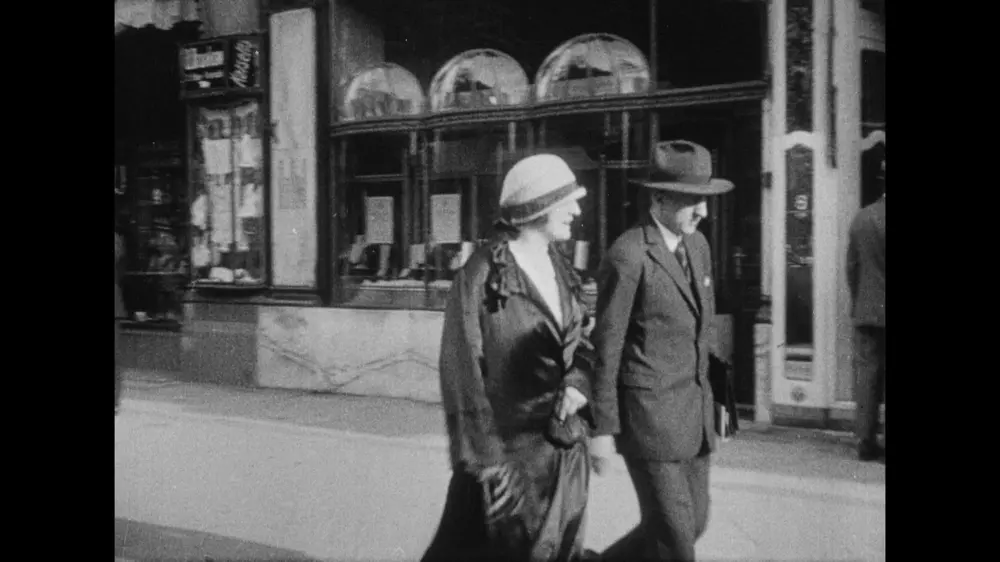
To discuss 'acting' in Berlin: Symphony of Metropolis is to misunderstand its very premise. There are no named characters, no dramatic performances in the traditional sense. Instead, the film presents an anonymous 'cast of thousands' – the real inhabitants of Berlin going about their daily lives. Workers, commuters, shoppers, children playing, couples strolling, entertainers performing – these are the unwitting 'performers' in Ruttmann's grand urban spectacle.
Their 'performances' are authentic, unscripted moments captured by Karl Freund’s camera, often from a distance or through candid observation. The collective 'acting' of these individuals forms the tapestry of the city. Their expressions, movements, and interactions contribute to the film's overall rhythm and tone. It’s a testament to Walter Ruttmann's singular vision as a director that he could sculpt such a compelling narrative (or anti-narrative) from the raw material of everyday life, transforming the mundane into something profoundly cinematic.
His role was less about directing actors and more about orchestrating footage, creating meaning through selection, juxtaposition, and timing. In this sense, Ruttmann himself is the ultimate 'performer,' his artistic sensibility shaping every frame, every cut, into a cohesive and impactful experience.
Pros and Cons
Pros:
Groundbreaking Filmmaking: A pivotal work in the history of cinema, pioneering the 'city symphony' genre and montage techniques.
Stunning Cinematography: Karl Freund's innovative camera work captures the city with incredible detail and dynamism.
Historical Document: Offers a vivid, authentic glimpse into Weimar-era Berlin.
Artistic Vision: A pure, unadulterated artistic expression of urban life, free from traditional narrative constraints.
Cons:
Lack of Narrative: Its non-traditional structure can be challenging and alienating for viewers seeking a story.
Repetitive Pacing: The relentless, rhythmic editing, while intentional, can feel monotonous over its runtime.
Emotional Distance: The film's objective, observational style offers little emotional hook for the audience.
Niche Appeal: Not for everyone; best appreciated by cinephiles and those interested in experimental film.
Key Takeaways
Best for: Film students, historians, avant-garde cinema enthusiasts, and those interested in urban studies.
Not for: Viewers seeking traditional narrative, character development, or light entertainment.
Standout element: Its revolutionary use of montage and visual rhythm to create a living portrait of a city.
Biggest flaw: Its relentless, non-narrative structure can lead to emotional detachment and viewing fatigue for some.
Verdict
Berlin: Symphony of Metropolis is a triumph of experimental filmmaking, a audacious, vibrant, and historically invaluable document that redefined what cinema could be. It is not an easy watch, nor is it meant to be. It demands engagement, patience, and an open mind. For those willing to surrender to its unique rhythm, it offers a profoundly rewarding experience, revealing the soul of a city through pure cinematic artistry. It’s a film that resonates, not through dialogue or plot, but through the sheer force of its visual poetry and its relentless pulse. An essential viewing for serious cinephiles, it stands as a testament to the enduring power of the moving image to capture the world, not just tell a story within it. Its influence is undeniable, its ambition unparalleled. A mandatory experience for anyone truly interested in the art form.