DbcultAccessing Vault...
7.4/10
Senior Film Conservator
A definitive 7.4/10 rating for a film that redefined the boundaries of cult cinema. The First Year remains a cornerstone of transgressive art.
Is Frank Borzage's "The First Year" a film worth unearthing today? Short answer: absolutely, but with a few crucial caveats. This charming, if somewhat creaky, silent comedy offers a fascinating glimpse into early Hollywood's take on domestic chaos, making it an essential watch for cinephiles interested in the genre's evolution and Borzage's formative years.
However, it's decidedly not for those seeking modern comedic pacing or a film that challenges its era's social norms. If you appreciate the intricate physical humor and subtle character work of the silent era, prepare for a delightful, if occasionally predictable, ride. If your patience for intertitles is thin, you might find its charm wanes.
"The First Year" occupies a curious space in Frank Borzage's filmography. Released in 1926, it predates his celebrated romantic dramas like "Seventh Heaven," yet it already showcases his innate understanding of human emotion, even when wrapped in a comedic package. The film, adapted from Frank Craven's popular play, focuses on the trials and tribulations of a young married couple, Tommy and Grace, as they navigate the treacherous waters of societal expectations and domestic bliss.
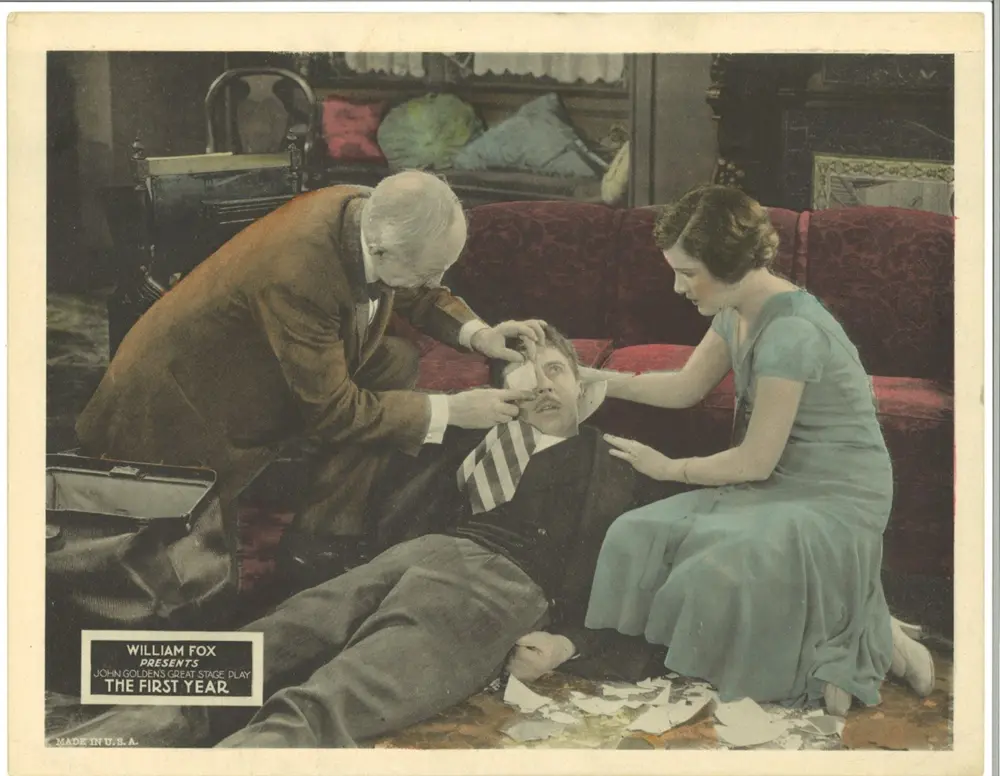
The plot, deceptively simple, revolves around a single, pivotal event: a dinner party. Tommy (Matt Moore), a hopeful businessman, sees this dinner as his chance to impress an important financial partner, Mr. Barstow (J. Farrell MacDonald). Grace (Katherine Perry), eager to prove herself as a capable wife, vows to make it a success. What ensues is a masterclass in escalating comedic misfortune, a domino effect of kitchen disasters, social gaffes, and the relentless pressure to maintain appearances.
Borzage, even in this contract assignment for Fox, demonstrates a nuanced touch. He doesn't just present slapstick; he carefully builds character and emotional stakes. The humor stems not merely from the physical comedy – though there's plenty of that – but from the relatable anxieties of a young couple desperate to succeed, both in their marriage and in society.
Let's break down the core elements of "The First Year":
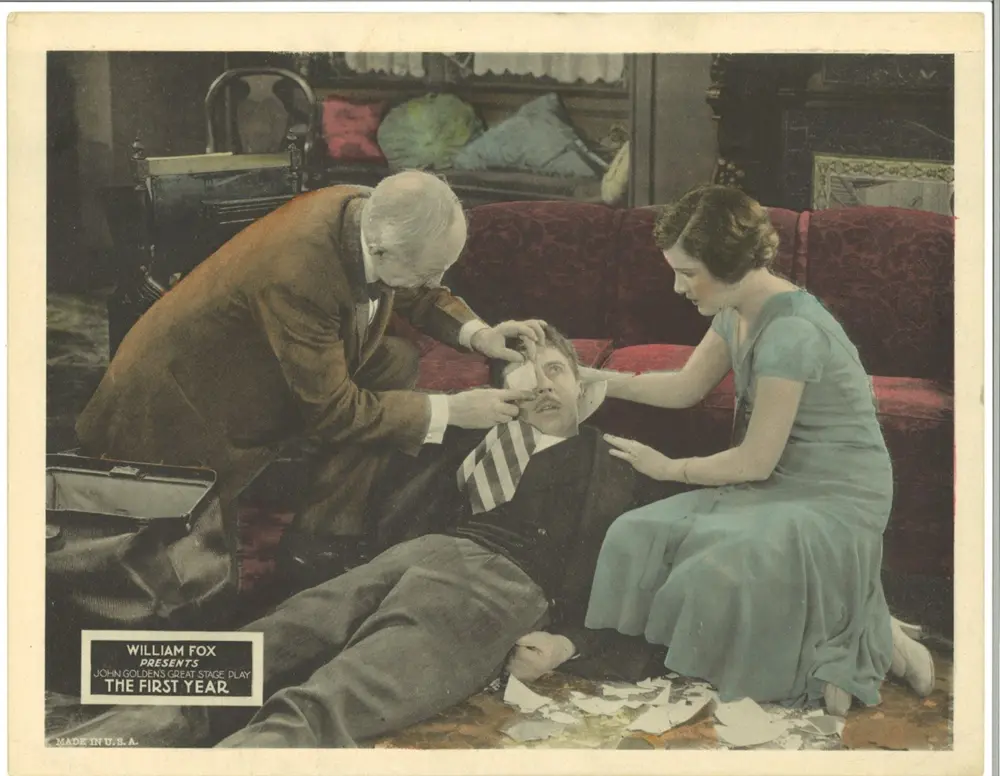
This film works because of its meticulous comedic timing and the palpable chemistry between its leads, Matt Moore and Katherine Perry. The escalating chaos of the dinner party is expertly orchestrated, each mishap building logically on the last, creating a genuinely funny and stressful sequence that feels remarkably modern in its construction.
This film fails because its pacing can feel sluggish by contemporary standards, particularly in the setup before the main event. Some of the ancillary characters also feel more like caricatures than fully fleshed-out individuals, serving primarily as catalysts for the central couple's dilemmas rather than contributing much depth.
You should watch it if you have an appreciation for silent-era comedies, enjoy character-driven domestic humor, or are a student of Frank Borzage's directorial evolution. It's a charming time capsule that offers genuine laughs and insights into early 20th-century marital pressures.
Frank Borzage's direction in "The First Year" is surprisingly assured for what was essentially a studio assignment. While it lacks the profound emotional depth that would define his later, more personal projects, his skill in staging and character interaction is evident. He understands the power of the close-up, using it to highlight Grace's mounting panic or Tommy's exasperated expressions, drawing the audience into their internal struggles even amidst the external chaos.
Borzage's approach to comedy here is less about grand, theatrical gestures and more about the accumulation of small, humiliating moments. The sequence leading up to and during the dinner party is a masterclass in controlled pandemonium. From a dropped tray of glassware to a disappearing turkey, each misstep is choreographed with precision. He allows the awkwardness to linger, extracting maximum comedic value from every uncomfortable silence and frantic whisper.
Compared to some of his earlier, more straightforward dramas like A Son of the Hills or even Jettchen Gebert's Story, "The First Year" showcases Borzage's versatility. He proves he could handle lighthearted material with as much finesse as more serious fare, laying groundwork for the nuanced character work that would soon become his hallmark. This film demonstrates his nascent ability to blend genre, injecting genuine human feeling into what could have been mere farce.
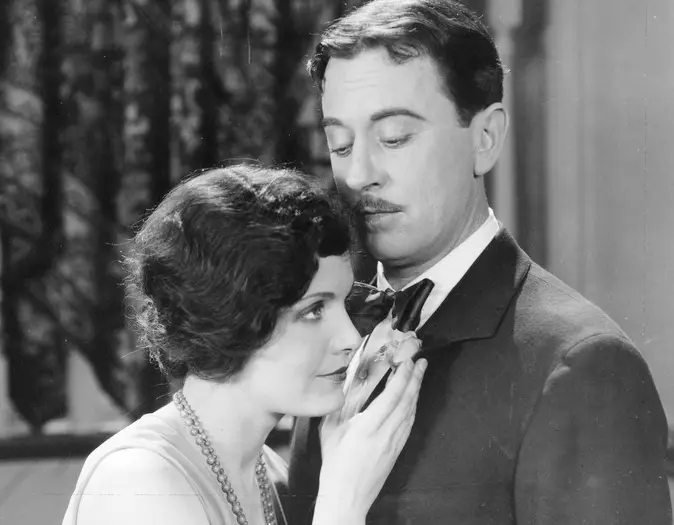
The success of any silent comedy hinges heavily on its performers, and "The First Year" is no exception. Matt Moore, as Tommy, embodies the well-meaning but often overwhelmed husband with a charming earnestness. His physical reactions to the unfolding disaster are priceless – a blend of disbelief, frustration, and a desperate desire to maintain composure. He’s the everyman caught in a whirlwind, and his exasperation is highly relatable.
Katherine Perry, as Grace, is the true anchor of the film's comedic and emotional core. Her performance is a wonderful balance of naive optimism, escalating anxiety, and fierce determination. She carries much of the physical comedy, particularly in the kitchen scenes, but also conveys the underlying fear of failure that drives her character. Her expressive face tells a story in every frame, from hopeful preparations to tearful despair, without ever resorting to over-the-top melodrama.
The supporting cast, while less developed, provides strong comedic beats. Carolynne Snowden, in particular, shines as the maid, a delightful source of unintended sabotage and deadpan reactions. Her presence adds another layer of comedic friction, as she unwittingly contributes to the couple's woes. J. Farrell MacDonald, as the imposing Mr. Barstow, perfectly embodies the financial partner whose good opinion is so desperately sought, his reactions to the dinner party's unraveling acting as a barometer for the couple's impending doom.
The interplay between Moore and Perry is the film's greatest strength. Their chemistry feels genuine, making their marital spats and reconciliations feel earned. They convey the unspoken language of a couple learning to navigate life together, their shared glances and frustrated sighs speaking volumes. It’s a testament to their acting that, despite the farcical situations, their relationship feels grounded and real.
As a silent film, "The First Year" relies heavily on visual storytelling, and Borzage, alongside his cinematographer, employs effective techniques to convey the narrative and emotional beats. The set design for the couple's home is crucial; it’s a space that feels both intimate and claustrophobic as the pressures mount. The kitchen, in particular, becomes a battleground, its cramped quarters amplifying the comedic tension during the frantic dinner preparations.
Lighting is used judiciously to highlight key moments, drawing attention to Grace's worried expressions or the glistening, spilled food. While not as avant-garde as some German Expressionist films of the era, the cinematography is clean and functional, serving the story without unnecessary flourish. It’s a pragmatic approach that allows the performances and the comedic timing to take center stage.
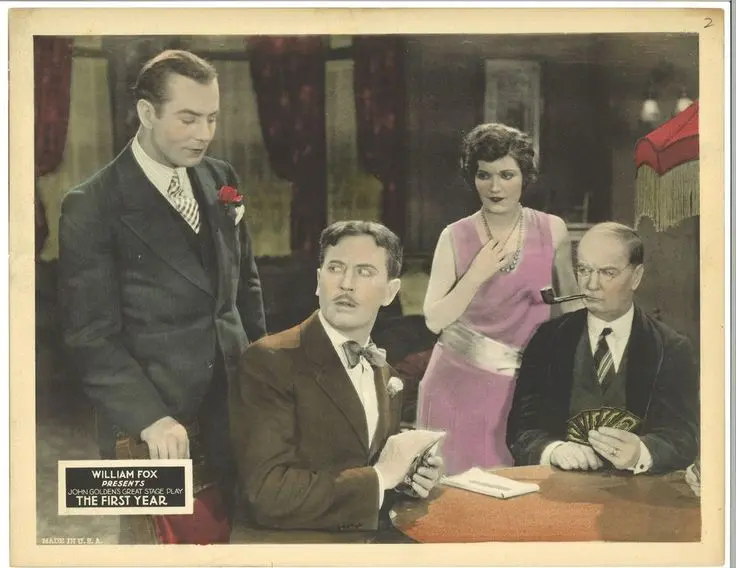
The editing is brisk when needed, particularly during the dinner sequence, cutting between the frantic kitchen and the increasingly awkward dining room. This rapid-fire editing enhances the sense of escalating chaos, making the audience feel the same mounting pressure as the characters. It works. But it’s flawed. Some transitions feel a bit abrupt, a common trait in films of this period, but it rarely detracts from the overall enjoyment.
The pacing of "The First Year" is undeniably a product of its time. The film takes its time establishing the characters and their domestic situation, allowing the audience to settle into their world before the comedic storm hits. Modern viewers accustomed to rapid-fire gags might find the initial setup a bit slow. However, this deliberate pace allows for a stronger emotional connection to Tommy and Grace, making their eventual predicament all the more impactful.
Once the dinner party preparations begin, the film shifts gears, accelerating into a sustained sequence of comedic mishaps. The tone remains lighthearted throughout, despite the characters' genuine distress. Borzage expertly walks the line between farce and relatable domestic drama, ensuring that the audience laughs *with* the characters, not just *at* them. There's an underlying warmth to the humor, a recognition of the universal struggles of young love and social aspiration.
The film maintains a consistent comedic tone, never straying into overly dramatic territory. Even the moments of marital friction are played for laughs, serving to highlight the couple's endearing imperfections rather than suggesting deep-seated problems. It’s a feel-good comedy designed to entertain, and in that, it largely succeeds.
Yes, "The First Year" is absolutely worth watching today for specific audiences. It offers a delightful look at silent-era domestic comedy. It showcases early Frank Borzage direction, highlighting his skill with character and timing. It's a charming period piece that provides genuine laughs. However, it's not for those who dislike silent film conventions or prefer fast-paced modern humor. Its appeal lies in its historical context and its well-executed, classic comedic structure.
"The First Year" is more than just an artifact; it's a genuinely enjoyable silent comedy that deserves a wider audience. While it may not possess the profound artistry of Borzage's later romantic epics, it reveals a director already adept at humanizing his characters and orchestrating compelling narratives, even in the realm of domestic farce. It’s a testament to the enduring power of simple, relatable humor, executed with skill and warmth.
For those willing to step back in time and embrace the unique charm of silent cinema, this film offers a delightful evening's entertainment. It’s a foundational piece in Borzage's career, showcasing his versatility, and a charming snapshot of newlywed life under pressure. Don't expect a revelation, but do expect to smile, perhaps even laugh aloud, at the timeless predicaments of love and social ambition. It's a solid, if unspectacular, entry into the annals of classic comedy, proving that some anxieties, and the humor derived from them, are truly universal.
IMDb —
1918
Community
Log in to comment.