DbcultAccessing Vault...
Cult Review
Senior Film Conservator
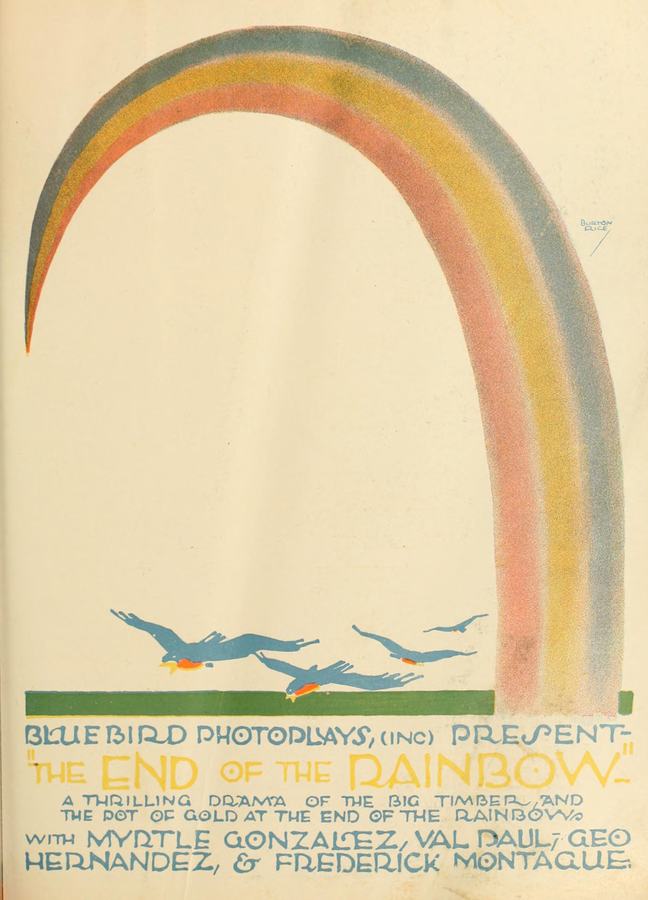
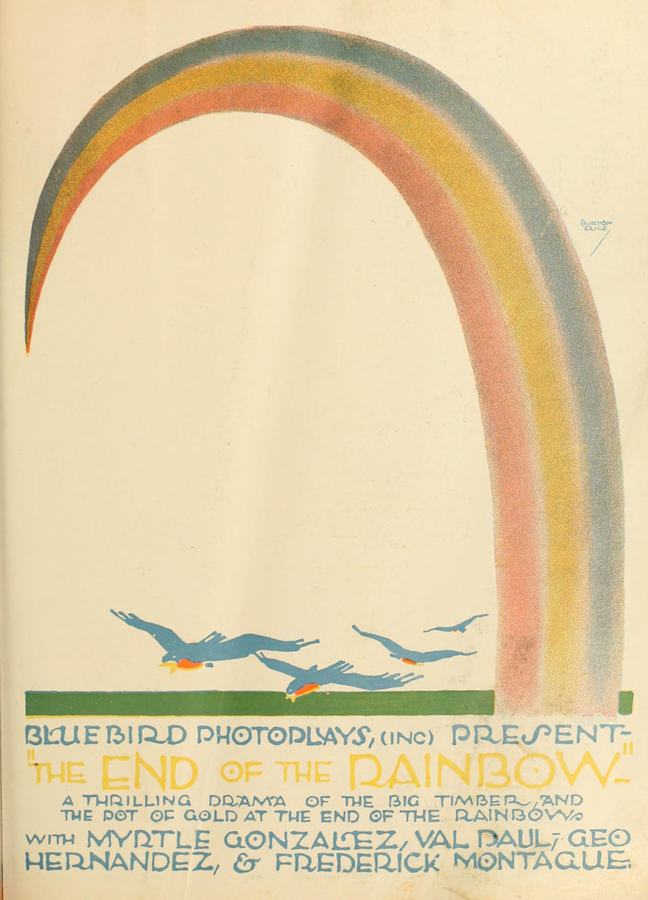
In the annals of early cinema, few narratives capture the zeitgeist of burgeoning social consciousness and individual heroism quite like Lynn Reynolds' 1915 silent film, The End of the Rainbow. This cinematic gem transcends its era, presenting a potent critique of corporate avarice and celebrating the indomitable spirit of a woman who dares to challenge the established order. It's a story steeped in the rugged majesty of the Redwood forests, where the clash between unbridled industrial expansion and the preservation of natural heritage plays out with gripping intensity. More than just a melodrama, the film emerges as a profound commentary on power, corruption, and the relentless pursuit of justice, all set against a backdrop of breathtaking, if now lost, natural splendor.
At the heart of this compelling drama is Ruth Bennett, portrayed with an imagined blend of intelligence and resolve by Myrtle Gonzalez. Ruth is no ordinary heiress; she is a woman of formidable intellect and moral conviction, deliberately charting a course distinct from the gilded cage of her father, Elihu Bennett, the powerful lumber magnate. Her acquisition of a business education, including stenography, speaks volumes about her desire for agency and practical engagement with the world, a radical notion for many women of her time. While her father initially relegates her to charitable pursuits, ostensibly to keep her from the rough-and-tumble of his industry, Ruth's philanthropic endeavors are far from passive. They are a manifestation of her deep-seated empathy and a precursor to her more active intervention. She embodies a nascent feminist ideal, demonstrating that true strength lies not in inherited wealth but in cultivated intellect and an unwavering moral compass. Her character stands in stark contrast to the more passive female roles often seen in contemporary films, echoing perhaps the burgeoning calls for suffrage and greater female independence that characterized the early 20th century.
The narrative swiftly introduces the central conflict: the relentless expansion of the lumber monopoly, epitomized by Elihu Bennett's ambition and the ruthless tactics of his field representative, Ferdinand Stocker (Jack Curtis). This is a familiar tale, yet rendered with particular poignancy here, as the target of their rapaciousness is the standing timber owned by independent mountaineers like Jerry Simpson’s family. Jerry, a law student, represents the voice of justice and the common man, making a direct appeal to Bennett for fair treatment. His fruitless mission underscores the impenetrable wall of corporate self-interest, where ethical considerations are readily sacrificed at the altar of profit. Stocker, in particular, is drawn as a thoroughly despicable character, a man who not only facilitates the company's predatory practices but also engages in personal corruption and exploitation. The film thus paints a vivid picture of systemic injustice, where individual rights are trampled by the machinery of unchecked capitalism. This theme of unchecked corporate power and its devastating human cost resonates with other films of social critique from the era, such as The Curse of Greed, which similarly delved into the moral decay brought about by insatiable desire for wealth.
Ruth's decision to infiltrate Stocker's lumber camp as a stenographer, assuming the identity of 'Kitty Mitchell,' is a stroke of audacious brilliance, transforming her from a benevolent observer into an active agent of change. This daring move highlights her resourcefulness and courage, as she navigates a world designed to exclude and exploit women. The intricate deception, involving persuading a legitimate applicant to surrender her credentials for money, adds layers of intrigue to her mission. However, this subterfuge is not without its perilous complications. When Stocker discovers the real Kitty Mitchell's scandalous past through newspaper clippings – a common trope of the time reflecting public fascination with moral failings – he attempts to blackmail Ruth after she repulses his unwanted advances. This moment is crucial, showcasing Ruth's vulnerability while simultaneously affirming her unwavering integrity. It’s a testament to her strength that she endures such a threat, maintaining her composure and commitment to her mission despite the immense personal risk. The tension created by this dual identity and the threat of exposure adds a thrilling dimension to the narrative, reminiscent of the dramatic stakes in films like The Secret Orchard, where hidden identities and illicit pasts fuel much of the dramatic conflict.
Amidst the harsh realities of the lumber camp, a bond of mutual respect and burgeoning affection forms between Ruth and Jerry Simpson (Val Paul). Their shared idealism finds expression in their collaborative efforts to establish a library for the lumbermen, a small but significant act of uplift and empowerment in an otherwise bleak environment. This initiative is more than just charity; it's a symbolic act of resistance, providing intellectual nourishment and a sense of community to those systematically disenfranchised. It’s during this period of close collaboration that Ruth uncovers the deeper layers of corruption: Stocker, in league with his foreman Bill Hardy (Jack Connolly), is systematically defrauding her own father through false reports. This revelation adds a profound layer of personal betrayal to the corporate malfeasance, intensifying Ruth's resolve. The film expertly builds suspense as Ruth meticulously gathers evidence, her stenographic skills now serving a higher purpose than mere corporate record-keeping. The discovery of this internal pilfering elevates Stocker from merely a ruthless corporate agent to a deceitful criminal, complicating the moral landscape and setting the stage for the narrative's explosive climax.
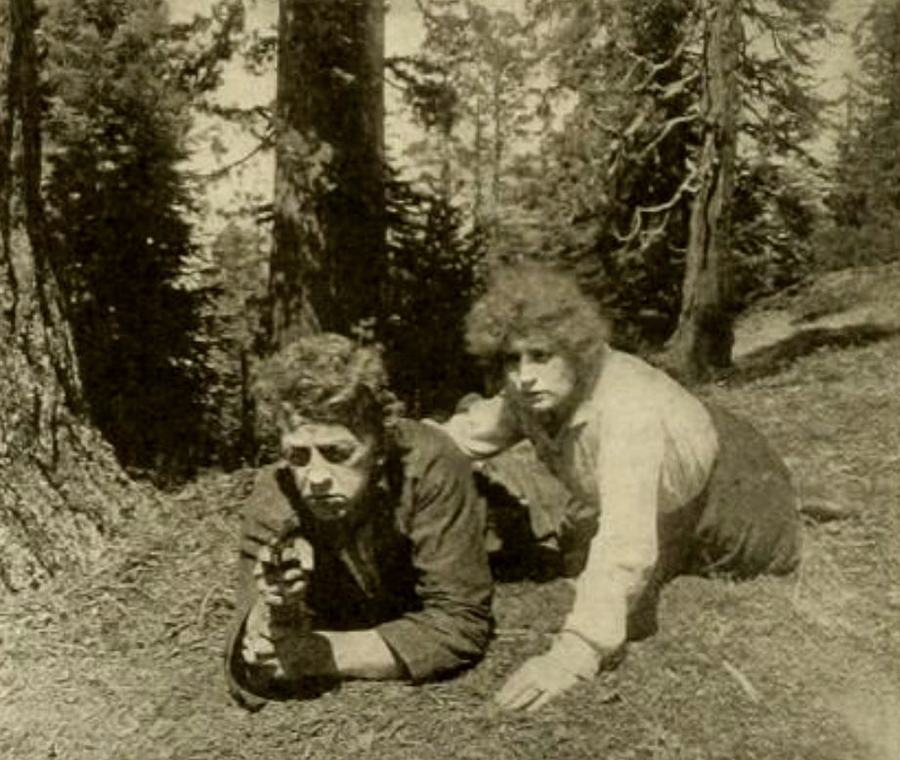
The narrative’s moral and environmental core crystallizes around the fate of "Old Sentinel," a majestic Redwood standing on Simpson’s property. Stocker's determination to fell this iconic landmark is not merely an act of corporate expansion; it is an act of blatant disregard for both property rights and the symbolic value of nature. Jerry Simpson, embodying the spirit of resistance, attempts to prevent the felling through physical means, a desperate but ultimately futile act against the might of industrial machinery and brute force. His valiant effort results in a brutal beating, leaving him nearly insensible. This scene is pivotal, highlighting the raw power imbalance and the violence inherent in unchecked greed. Ruth, having learned of the proposed raid, arrives at the scene to find Jerry, battered and broken. Her immediate action—reviving him and handing him a revolver—is a defining moment, transforming her from an undercover investigator into an active participant in the struggle for justice. The subsequent shooting and wounding of Hardy by Jerry, armed by Ruth, marks a dramatic shift in the conflict, escalating it from legal maneuvering to outright physical confrontation. It’s a testament to the film's progressive leanings that it portrays a woman taking such decisive, even violent, action in defense of justice, moving beyond the typical damsel-in-distress trope.
The aftermath of Hardy's shooting plunges the camp into mystification, but Stocker, having witnessed Ruth's pivotal role, seizes the opportunity for further villainy. He attempts to blackmail Ruth, threatening to expose her unless she accompanies him to a disreputable resort for dinner. This scene powerfully underscores Stocker’s depravity, as he exploits a moment of crisis for personal gain. However, Stocker's hubris is his undoing. In a moment of arrogant cruelty, he denies the wounded Hardy his share of the ill-gotten gains, believing his confederate to be helpless. This act of betrayal proves to be his fatal miscalculation. Hardy, fueled by rage and a desire for retribution, alarms the lumbermen, setting in motion a furious pursuit. Jerry, recovered and galvanized by the injustice, leads the charge. The chase culminates in a dramatic confrontation, with Jerry and the men arriving just in time to save Ruth from Stocker's second, more vicious assault. Stocker, in a desperate attempt to escape, utilizes a water chute designed for timber, only to meet his demise in a broken section, a fittingly swift and brutal end delivered by the very industry he corrupted. This climactic sequence, with its elements of chase, rescue, and a villain's downfall, shares the dramatic intensity and moral clarity of films like The Woman Pays, where the consequences of unethical actions invariably catch up with their perpetrators.
The film reaches its satisfying resolution with the arrival of Elihu Bennett, summoned by Ruth’s letter. Faced with the undeniable evidence of his company’s corruption, and perhaps chastened by the near-tragedy involving his daughter, Bennett is compelled to rectify the injustices. He disentangles the web of deceit and exploitation, bringing a measure of order and fairness back to the lumber operations. More significantly, he grants his consent to Ruth’s marriage to Jerry. This union is more than a romantic pairing; it symbolizes the merging of justice and industry, of compassion and enterprise. It represents the promise of a more ethical future, where the vast resources of the Redwoods can be managed with respect for both nature and humanity. The "end of the rainbow" here is not merely a pot of gold, but the realization of a just and equitable society, built on integrity and love. It’s a hopeful conclusion, suggesting that even entrenched systems of power can be reformed through courage, intelligence, and unwavering moral conviction.
While silent films rely heavily on exaggerated expressions and gestures, one can imagine Myrtle Gonzalez imbuing Ruth Bennett with a nuanced blend of steely resolve and empathetic intelligence. Her performance would have been critical in conveying Ruth's internal struggles and her unwavering commitment to justice without the aid of dialogue. Jack Curtis, as the villainous Stocker, likely delivered a performance of theatrical malevolence, his sneers and menacing advances painting a clear picture of his morally bankrupt character. Val Paul, as Jerry Simpson, would have conveyed the earnest idealism and physical bravery required of the leading man. Lynn Reynolds' screenplay, though adhering to certain melodramatic conventions of the era, crafted a narrative rich in moral complexity and strong character arcs. The pacing, crucial for silent film engagement, would have steadily built tension, punctuated by dramatic action sequences. The End of the Rainbow stands as an important early example of social commentary in cinema, using the nascent medium to highlight issues of corporate ethics, environmental preservation, and female empowerment. Its themes remain remarkably relevant, reminding us that the struggle for justice and the protection of our natural world are timeless endeavors. The film, through its compelling narrative and memorable characters, offers a valuable glimpse into the moral anxieties and progressive hopes of its time, cementing its place as a significant, if often overlooked, piece of cinematic history.
IMDb —
1929
Community
Log in to comment.