DbcultAccessing Vault...
7/10
Senior Film Conservator
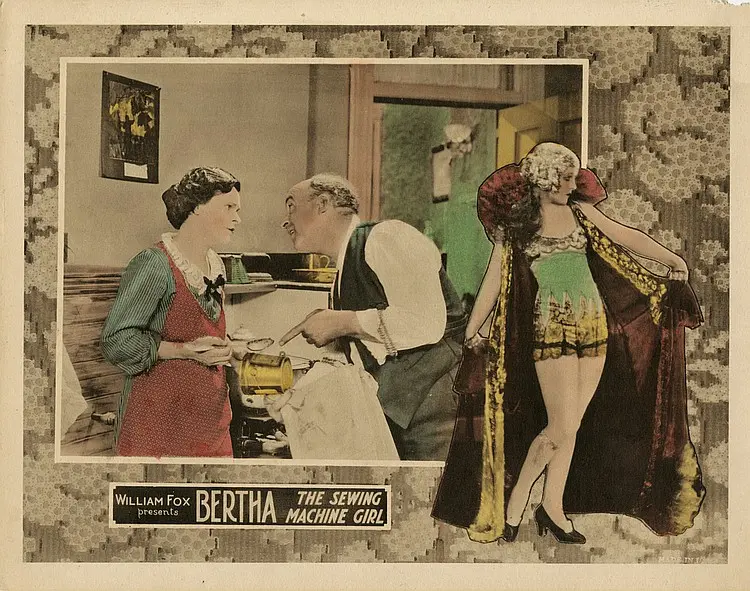
A definitive 7/10 rating for a film that redefined the boundaries of cult cinema. Bertha, the Sewing Machine Girl remains a cornerstone of transgressive art.
Short answer: Yes, but it’s flawed. Bertha, the Sewing Machine Girl, offers a glimpse into early 20th-century America through the eyes of a young telephone girl who becomes the beloved model of a lingerie company. While the film is not without its flaws, it’s a worthwhile watch for those interested in classic cinema and historical romance.
This film is particularly engaging for those who appreciate the elegance of early film acting and the appeal of a classic love story. However, it might not be to the taste of modern viewers who prefer more complex storytelling or contemporary filmmaking techniques.
This film works because of its engaging narrative and the strong performances by Virginia Whiting and Paul Nicholson. The chemistry between the lead actors is palpable, and their interactions provide the emotional core of the film. Additionally, the film’s use of location shooting and the incorporation of the motorboat chase sequence add excitement and authenticity to the story.
This film fails because it relies heavily on melodramatic plot points and predictable narrative structures. The film’s focus on the romantic entanglements and the intrigue surrounding Bertha’s promotion to chief model sometimes overshadows the more interesting aspects of the story, such as the business dynamics within the company. The film’s pacing can be slow at times, which might make it less engaging for modern audiences.
You should watch it if you’re a fan of early film acting, historical romance, or are curious about the evolution of film in the 1920s. The film’s charm lies in its period setting and the performances of its lead actors, making it a worthwhile experience for those interested in classic cinema.
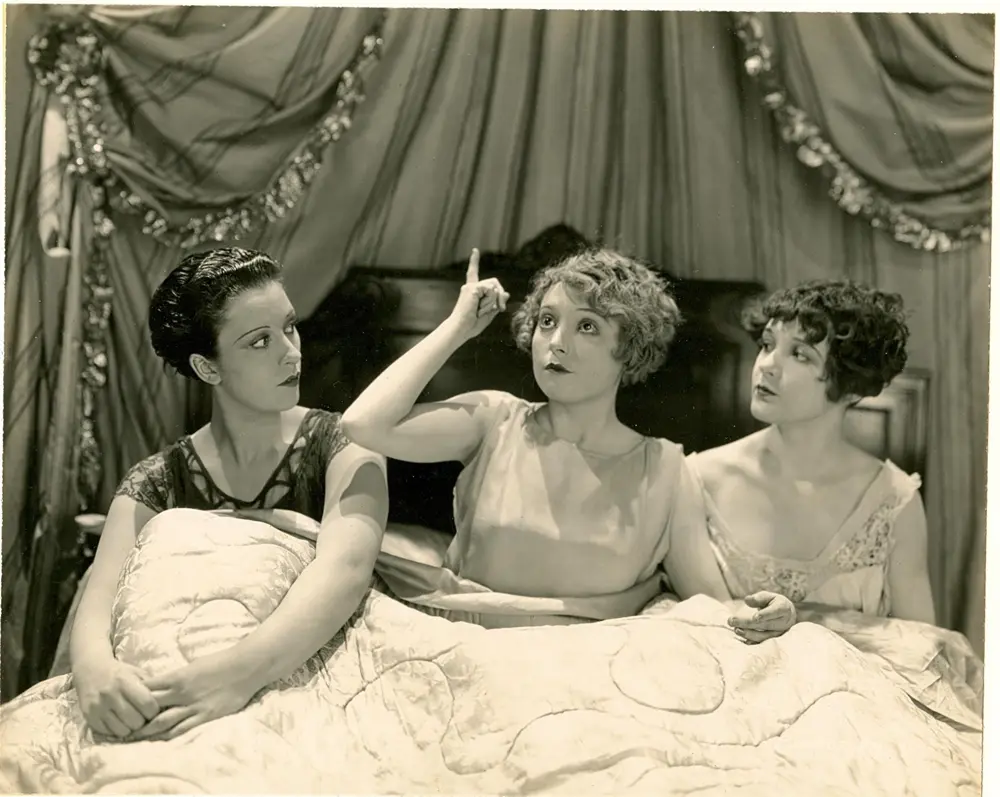
The film’s setting in early 20th-century America is beautifully captured through the use of period-specific clothing and the backdrop of the lingerie manufacturing company. The film also benefits from its location shooting, which adds a sense of authenticity to the story. The motorboat chase scene, set against the backdrop of the Hudson River, is particularly thrilling and adds excitement to the narrative.
The performances by Virginia Whiting and Paul Nicholson are standout elements of the film. Whiting’s portrayal of Bertha is delicate and nuanced, conveying a range of emotions from vulnerability to confidence. Nicholson’s performance as Roy is equally compelling, with his chemistry with Whiting making their on-screen relationship believable and engaging. The supporting cast, including Anita Garvin and Ethel Wales, also contribute to the film’s charm with their strong performances.
Director George Fitzmaurice’s handling of the film’s narrative is competent, though occasionally predictable. The film’s pacing can be slow at times, but the use of location shooting and the motorboat chase sequence help to keep the viewer engaged. The cinematography, particularly in the motorboat chase scene, is impressive and adds to the film’s visual appeal.
The film’s pacing can be slow at times, which might make it less engaging for modern audiences. The narrative structure is also somewhat predictable, with the plot’s focus on the romantic entanglements and the intrigue surrounding Bertha’s promotion to chief model sometimes overshadowing the more interesting aspects of the story, such as the business dynamics within the company. However, the film’s use of location shooting and the motorboat chase sequence help to keep the viewer engaged.
Despite its flaws, Bertha, the Sewing Machine Girl, is a worthwhile watch for those interested in classic cinema and historical romance. The film’s charm lies in its period setting and the performances of its lead actors, making it a worthwhile experience for those looking to explore the evolution of film in the 1920s. However, it might not be to the taste of modern viewers who prefer more complex storytelling or contemporary filmmaking techniques.
In conclusion, Bertha, the Sewing Machine Girl, is a film that offers a glimpse into early 20th-century America through the eyes of a young telephone girl who becomes the beloved model of a lingerie company. While it has its flaws, it’s a worthwhile watch for those interested in classic cinema and historical romance. The film’s charm lies in its period setting and the performances of its lead actors, making it a worthwhile experience for those looking to explore the evolution of film in the 1920s. However, it might not be to the taste of modern viewers who prefer more complex storytelling or contemporary filmmaking techniques.

IMDb 6.5
1937
Community
Log in to comment.