DbcultAccessing Vault...
5.4/10
Senior Film Conservator
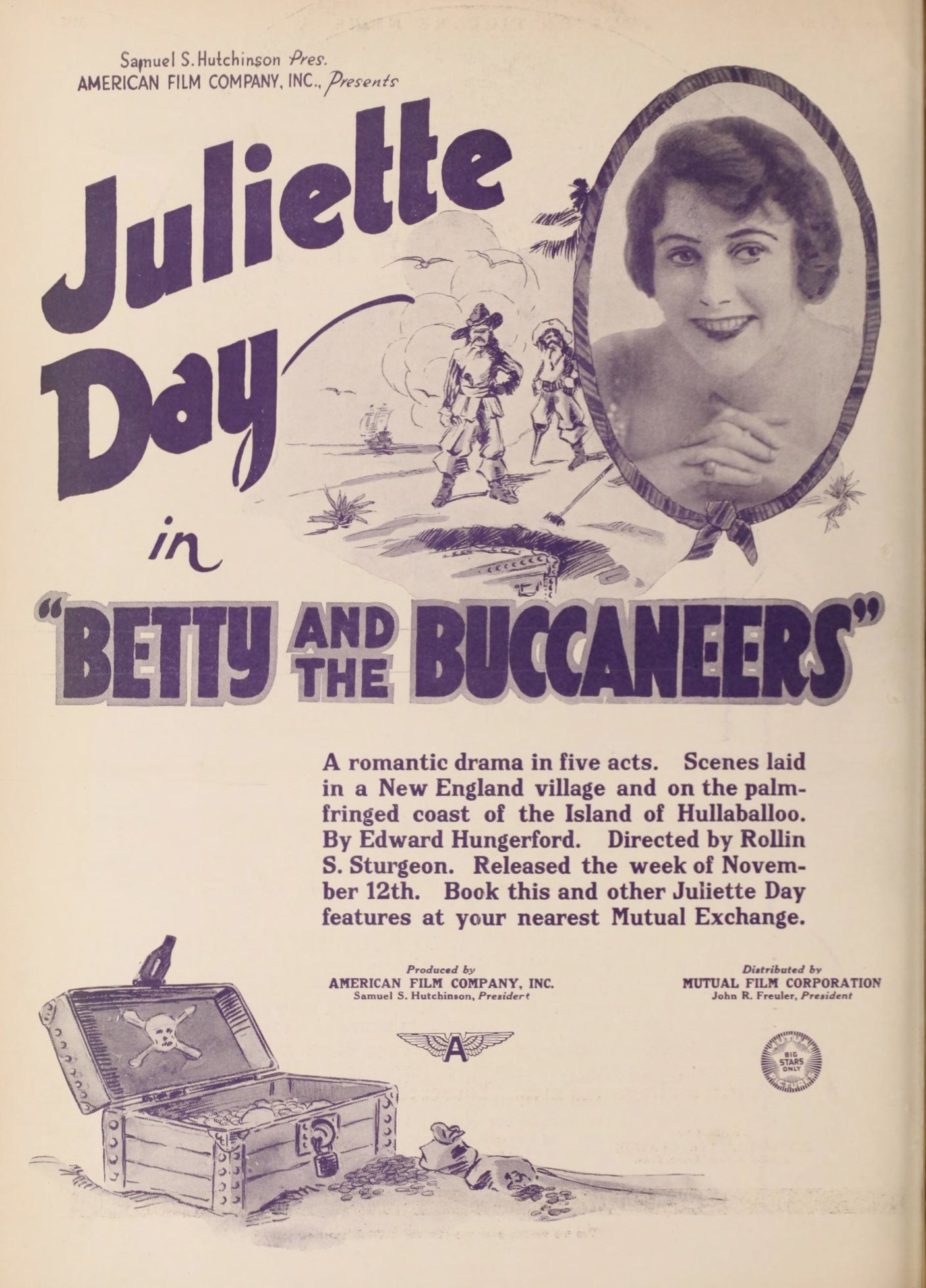
A definitive 5.4/10 rating for a film that redefined the boundaries of cult cinema. Betty and the Buccaneers remains a cornerstone of transgressive art.
The silver screen, in its nascent years, frequently served as a canvas for grand narratives, tales spun from the threads of human longing, villainy, and ultimate triumph. J. Edward Hungerford's 'Betty and the Buccaneers' stands as a quintessential artifact from this prolific period, a cinematic escapade that, despite its age, still pulsates with a certain undeniable charm and a surprisingly complex undercurrent of thematic inquiry. This isn't merely a quaint relic; it's a vibrant illustration of early filmmaking's capacity to weave compelling drama from familiar tropes, elevating them through earnest performances and a keen sense of narrative pacing. At its core, the film explores the dangerous allure of the unknown, the perilous consequences of youthful impetuousness, and the enduring power of courage when faced with overwhelming odds.
Juliette Day, in her portrayal of Betty, embodies a spirit both naive and fiercely independent, a character type that resonated deeply with audiences then and continues to intrigue today. Betty is not content with the placid academic existence offered by her father, Professor Russell, played with admirable earnestness by J. Gordon Russell. Her soul yearns for something beyond the confines of their comfortable, yet stagnant, world. This craving for 'excitement' isn't merely a frivolous girlish fancy; it's a profound dissatisfaction with the prescribed roles and predictable rhythms of early 20th-century life, a sentiment not entirely dissimilar to the restless energy seen in other heroines of the era, perhaps even echoing the independent streak found in works like Betty in Search of a Thrill, albeit with a more overtly adventurous bent. Betty's desire to inject a dash of peril into her father's scholarly pursuits is the unwitting catalyst for the entire drama, a testament to the powerful, often unforeseen, ripple effects of a single yearning heart.
The professor, a man more comfortable deciphering ancient texts than navigating treacherous waters, is persuaded by his daughter's fervent desire for adventure. His decision to embark on a treasure hunt, a concept so far removed from his intellectual sphere, highlights the potent influence of familial affection and the lengths to which a parent might go to fulfill a child's dream, however misguided. This paternal devotion, while touching, sets the stage for his eventual vulnerability. Russell's character is not a fool, but rather a man out of his element, thrust into a world where academic prowess is no match for brute cunning. It's a poignant portrayal of innocence abroad, a theme that adds a layer of pathos to the ensuing high-stakes drama.
The antagonist, the unnamed Captain, brought to life with menacing conviction by William Kyle, is a classic cinematic villain: opportunistic, ruthless, and driven by a potent cocktail of greed and lust. His agreement to guide the professor on the treasure hunt is merely a thinly veiled ruse, a calculated maneuver to exploit the scholar's naiveté. The moment he abandons Professor Russell on a desolate island, leaving him to face a grim, solitary end, is a chilling testament to his depravity. This act of betrayal isn't just a plot device; it's a stark reminder of the darker side of human nature, a stark contrast to the professor's trusting nature. The Captain's subsequent return, not for the treasure he ostensibly sought, but for the professor's possessions and, more disturbingly, for Betty herself, elevates him from a simple rogue to a truly formidable threat. His intentions towards Betty introduce a sinister undercurrent to the adventure, transforming it from a mere treasure hunt into a race against time to protect her virtue and freedom. This predatory aspect might draw parallels to the darker social commentaries occasionally found in films like The Sex Lure, where female vulnerability is often exploited for dramatic tension.
The tension established by the Captain's villainy is palpable, creating a genuine sense of dread for both the professor's fate and Betty's impending danger. Hungerford's script, while adhering to genre conventions, manages to imbue the Captain with enough cunning to make him a truly formidable adversary, rather than a one-dimensional caricature. The audience is left to ponder the depths of his malice, a crucial element in building suspense and ensuring that the eventual rescue feels earned and impactful. The isolation of the island, a classic trope, serves to amplify the professor's helplessness, making his eventual salvation all the more dramatic.
Enter Dick, portrayed by Joe King, the archetypal hero who arrives just when all hope seems lost. Dick is not merely a plot device; he is the embodiment of righteous intervention, a figure whose courage and resourcefulness stand in stark opposition to the Captain's villainy. His journey to save the professor from the desolate island is depicted with a sense of urgency and determination, showcasing the physical and moral fortitude expected of a leading man in this era. This rescue is not a simple act; it involves navigating the perils of the sea and perhaps even outwitting the elements, lending an epic quality to his heroism. The film skillfully builds anticipation for his arrival, allowing the audience to truly appreciate the stakes involved.
Following the professor's rescue, Dick's mission extends to Betty. His timely arrival to thwart the Captain's despicable plans for her is the climax of the narrative, a moment of cathartic release after sustained tension. This dual rescue underscores Dick's unwavering commitment to justice and protection, solidifying his role as the story's moral compass. The confrontation between Dick and the Captain is undoubtedly the film's most thrilling sequence, a clash of ideals as much as a physical struggle. While specific details of the fight might be left to the imagination, the dramatic weight of the moment is undeniable. Such valorous acts are common in adventure serials of the time, recalling the daring feats in films like The Railroad Raiders, where heroes often faced overwhelming odds with unwavering resolve. Dick's character, though perhaps less complex than Betty's, serves as a vital anchor, embodying the steadfast principles that ultimately restore order and safety.

The ensemble cast, including Tote Du Crow, Charles Marriott, and Hal Wilson in supporting roles, contributes significantly to the film's immersive quality. While silent cinema relied heavily on exaggerated gestures and facial expressions, the actors in 'Betty and the Buccaneers' manage to convey genuine emotion and character motivation without devolving into mere caricature. J. Gordon Russell's transition from academic serenity to island despair is particularly noteworthy, demonstrating a range that elevates his character beyond a simple plot device. Juliette Day's Betty, as previously noted, is a vibrant, multi-faceted protagonist, whose initial naiveté gives way to a more mature understanding of the world's dangers. William Kyle's Captain, meanwhile, is a masterclass in silent film villainy, his every glare and calculated movement radiating menace. The effectiveness of these performances is crucial, as they carry the narrative weight in an era before spoken dialogue could fill in the nuances.
J. Edward Hungerford's writing, while working within the conventions of the adventure genre, demonstrates a keen understanding of dramatic structure. The pacing is deliberate, allowing for the build-up of tension and character development before unleashing the full force of the conflict. The transitions between the professor's plight on the island, Betty's growing unease at home, and Dick's relentless pursuit of justice are handled with a surprising fluidity for the time, ensuring that the audience remains engaged throughout. The narrative avoids unnecessary digressions, maintaining a tight focus on the central conflict and the characters' emotional journeys. This economy of storytelling is a hallmark of effective early cinema, where every frame had to count. The film's ability to maintain suspense and emotional resonance, even without the benefit of sound or sophisticated special effects, is a testament to the power of well-crafted storytelling and strong performances.
Beyond the thrilling surface narrative, 'Betty and the Buccaneers' delves into several enduring themes. The most prominent is the distinction between perceived adventure and genuine peril. Betty's initial romanticized view of a treasure hunt quickly gives way to the harsh realities of betrayal and danger. This serves as a cautionary tale, suggesting that true excitement often comes with unforeseen and unwelcome consequences. The film also explores themes of paternal duty and protection, as Professor Russell's initial indulgence of his daughter's whim leads to his own suffering, only to be redeemed by Dick's heroic intervention. This mirrors, in a way, the themes of sacrifice and familial bonds seen in films like For sin Dreng, where the well-being of loved ones drives the narrative.
Furthermore, the film touches upon the societal expectations placed upon women during this period. Betty's desire for excitement can be interpreted as a subtle rebellion against the confines of her world, a yearning for agency in an era that often denied it. While she ultimately requires rescue, her initial proactive stance in sending her father on the quest is a significant act of self-determination. This echoes the struggles for autonomy seen in other cinematic heroines, even if their paths and outcomes differed significantly. The resolution, with Dick saving both father and daughter, reinforces traditional gender roles of the time, yet Betty's initial spark of defiance remains a compelling aspect of her character. The film, therefore, acts as a fascinating cultural document, reflecting both the aspirations and limitations of its era.
While 'Betty and the Buccaneers' might not possess the grand scale or lasting critical renown of some of its contemporaries, its enduring appeal lies in its straightforward yet effective storytelling. It's a film that understands its audience and delivers precisely what it promises: a thrilling adventure with clear-cut heroes and villains, moments of genuine peril, and a satisfying resolution. The use of location, even if implied through limited sets and stock footage, effectively creates the sense of exotic locales and dangerous seas. The visual language, though dated by modern standards, is articulate and expressive, communicating emotion and narrative beats with clarity. The film serves as a valuable entry point for understanding the conventions and craftsmanship of early silent cinema, demonstrating how compelling narratives could be constructed with relatively nascent technology.
In an age saturated with complex narratives and morally ambiguous characters, there's a certain refreshing honesty to 'Betty and the Buccaneers.' It's a film that doesn't shy away from clear distinctions between good and evil, offering a moral clarity that can be both comforting and invigorating. It reminds us of a time when the stakes felt simpler, yet no less profound. While it may not challenge conventions in the way a radical work like Carmen might have, its strength lies in its confident embrace of genre. For those interested in the evolution of cinematic storytelling, or simply in search of a well-executed tale of adventure and rescue, 'Betty and the Buccaneers' offers a delightful and insightful journey back to the formative years of film. It's a testament to the enduring power of classic narratives to captivate and entertain, proving that even a century later, a good story, well told, never truly loses its lustre.
The film’s relatively simple plot structure belies a meticulous attention to pacing and character motivation, ensuring that each development feels earned. The contrast between the professor’s scholarly world and the raw, untamed nature of the high seas and deserted islands is visually striking, even through the lens of early cinematography. The sense of isolation and vulnerability experienced by Russell on the island is conveyed with stark effectiveness, highlighting the immense courage required of Dick to undertake his rescue. These moments transcend mere plot points; they become emotional anchors that ground the fantastical elements of the treasure hunt in relatable human experience. The journey from a naive desire for excitement to a confrontation with genuine danger is masterfully handled, making Betty's transformation subtle yet impactful. This film, far from being a mere historical curiosity, offers a compelling window into the narrative techniques that laid the groundwork for future generations of adventure cinema.
Ultimately, 'Betty and the Buccaneers' is more than just a period piece; it's a testament to the timeless appeal of narratives where virtue is tested, villainy is exposed, and heroism prevails. The performances, particularly Day's spirited Betty and Kyle's menacing Captain, lend gravitas to the familiar archetypes, making their struggles feel immediate and compelling. J. Edward Hungerford's script, while adhering to the dramatic conventions of its time, skillfully crafts a story that is both exciting and emotionally resonant. It's a film that, despite its silent nature and early production, speaks volumes about the human desire for adventure, the dangers of unchecked ambition, and the steadfast courage required to right wrongs. Watching it today is not merely an exercise in historical appreciation, but a genuine experience of classic storytelling at its most potent and unadorned. It reminds us that the foundational elements of compelling drama – character, conflict, and resolution – have remained constant throughout cinema's rich history, proving that a well-told tale of daring deeds and noble rescues never truly goes out of style. The film’s lasting resonance lies in its ability to evoke universal emotions through its specific historical lens, a quality that continues to draw viewers into its dramatic embrace.

IMDb —
1922
Community
Log in to comment.