DbcultAccessing Vault...
7.2/10
Senior Film Conservator
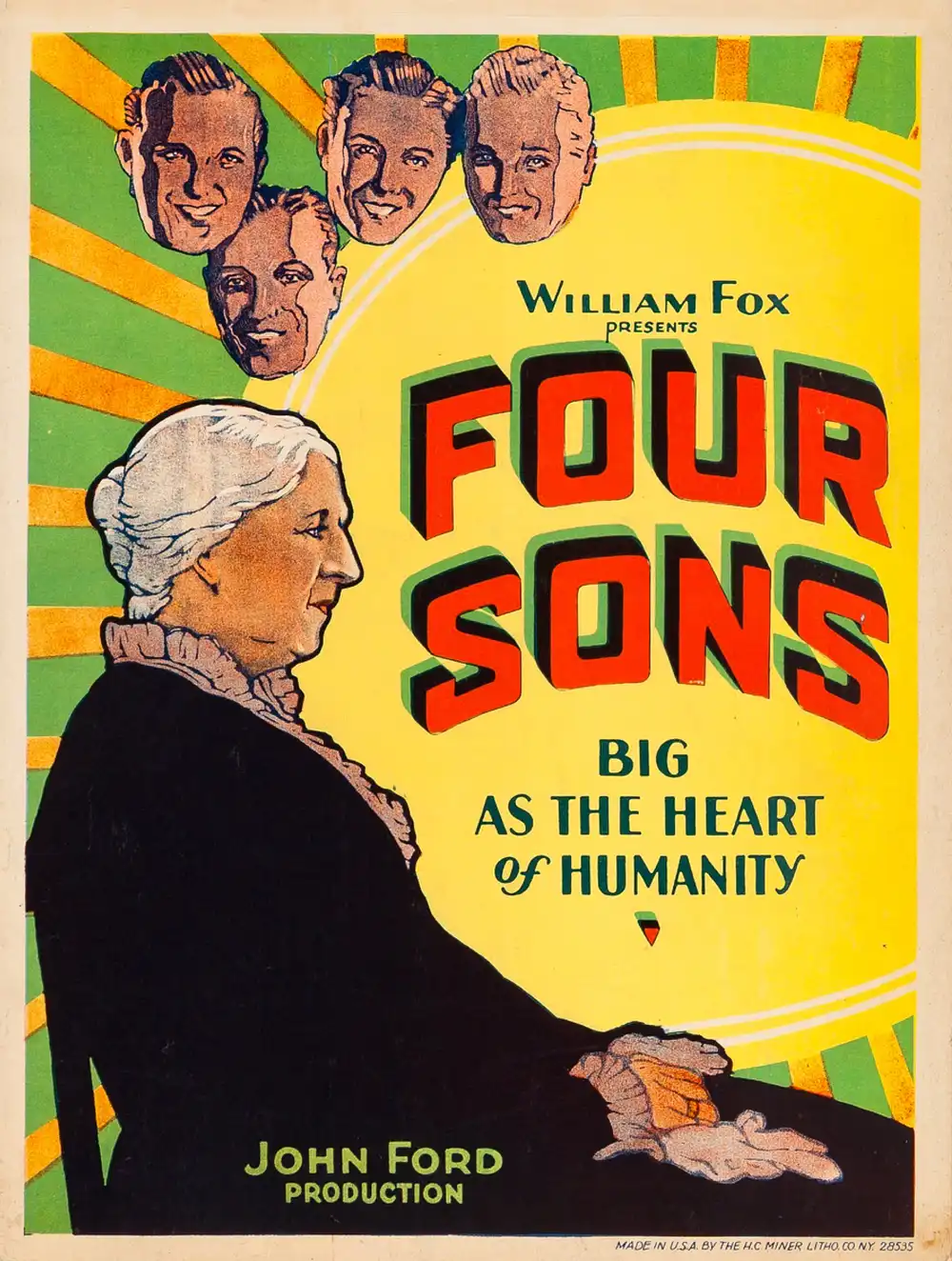
A definitive 7.2/10 rating for a film that redefined the boundaries of cult cinema. Four Sons remains a cornerstone of transgressive art.
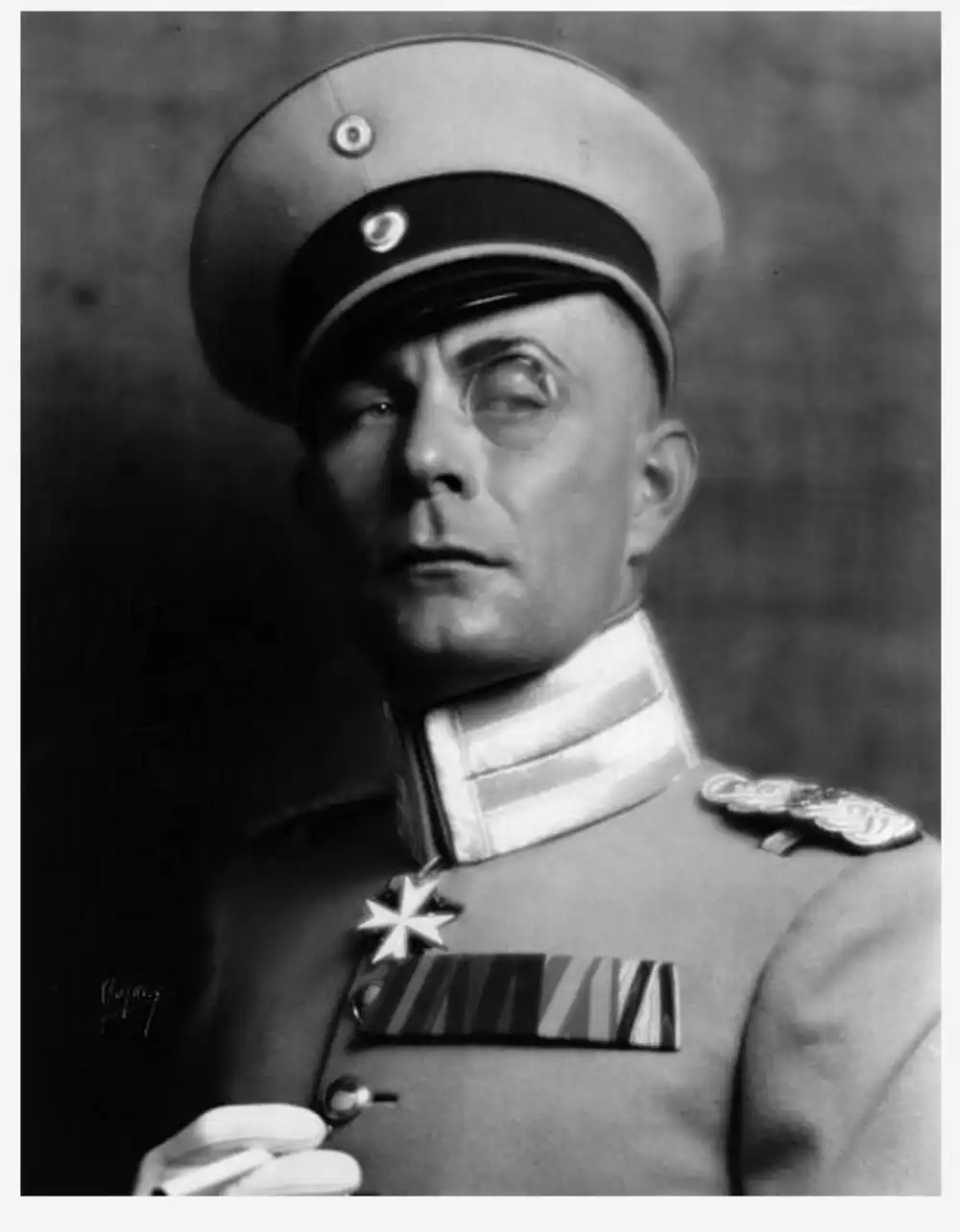
If you have any interest in how the visual language of cinema evolved, Four Sons is mandatory viewing. It is a bridge between the gritty, sentimental Americana that John Ford would eventually master and the high-contrast, moody aesthetic of German Expressionism. It is not a subtle film, and it isn't a fast one, but it is deeply effective. Modern viewers who struggle with the slow-burn pacing of silent dramas might find the first thirty minutes a bit sugary, but once the war begins, the film shifts into a haunting, rhythmic study of loss that still carries a heavy emotional punch today.
To understand why Four Sons looks the way it does, you have to look at what was happening on the Fox lot in 1927. F.W. Murnau had just arrived from Germany to film Sunrise, and his influence was infectious. Ford clearly took notes. You can see it in the way the light cuts across Mother Bernle’s kitchen and the way the camera moves through the village streets. There is a fluidity here that was rare for the time.
The village itself feels like a storybook world, which makes the intrusion of the war feel even more violent. When the soldiers march out, the camera doesn't just sit still; it captures the rhythmic, mechanical movement of the boots against the cobblestones, contrasting it with the stationary, crumbling figure of Margaret Mann as the mother. It’s a visual trick that emphasizes how the state moves forward while the individual is left behind in the dust.
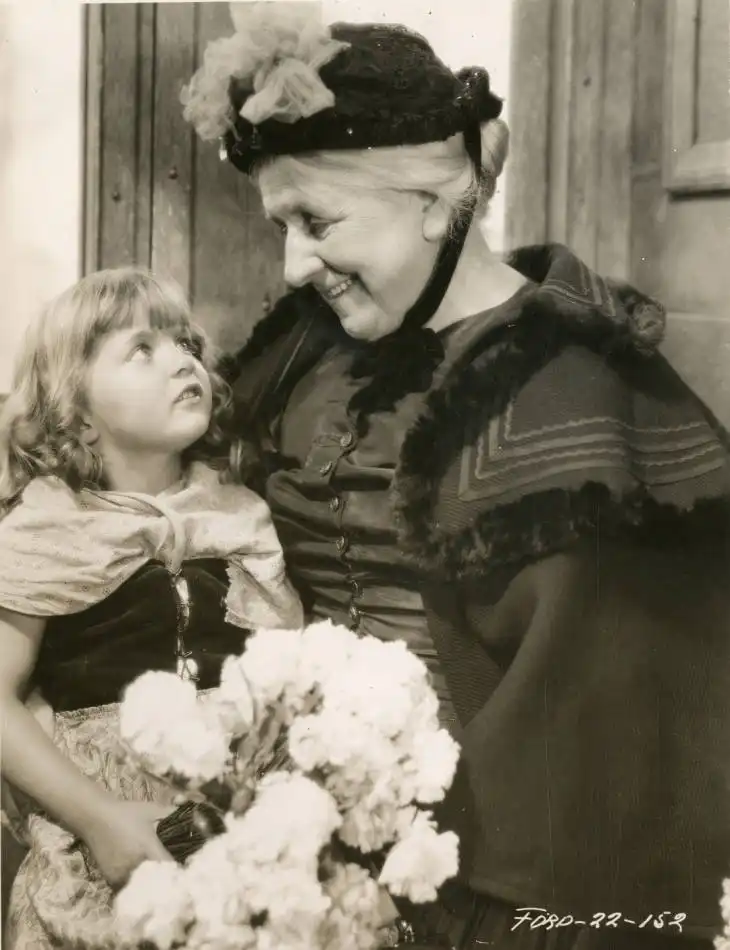
Margaret Mann was in her late 50s when she played Mother Bernle, and her performance is the film’s anchor. In an era where silent acting often leaned toward the theatrical—wide eyes, clutching chests, frantic pacing—Mann is remarkably contained. Much of her performance happens in the set of her mouth and the way she handles objects. There is a scene where she meticulously brushes a uniform, and you can feel the weight of her dread in every stroke of the bristles.
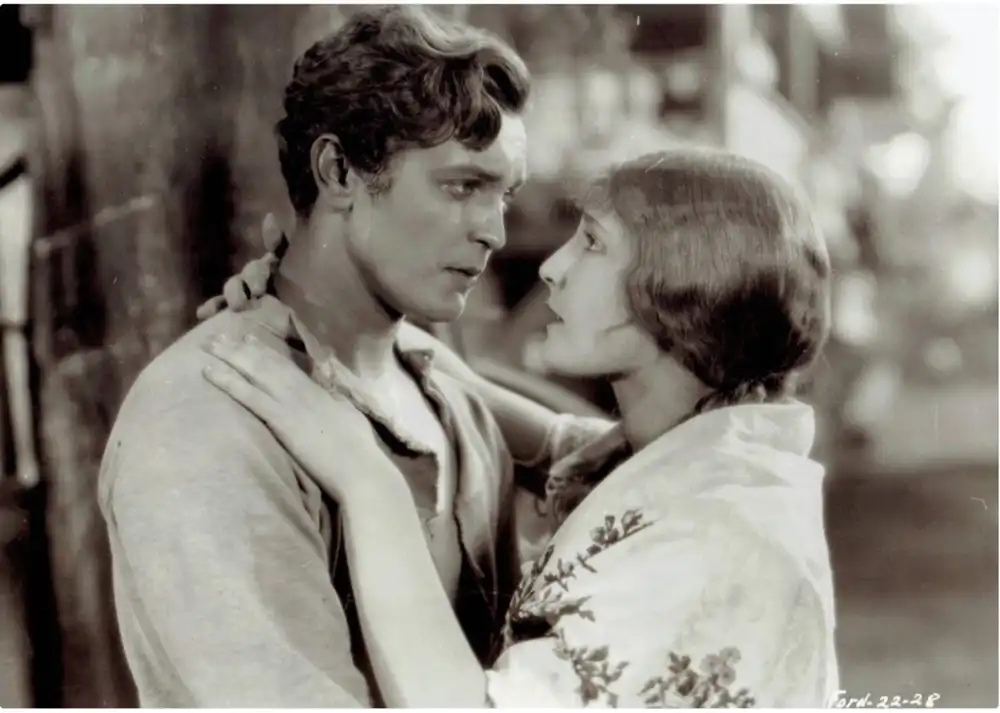
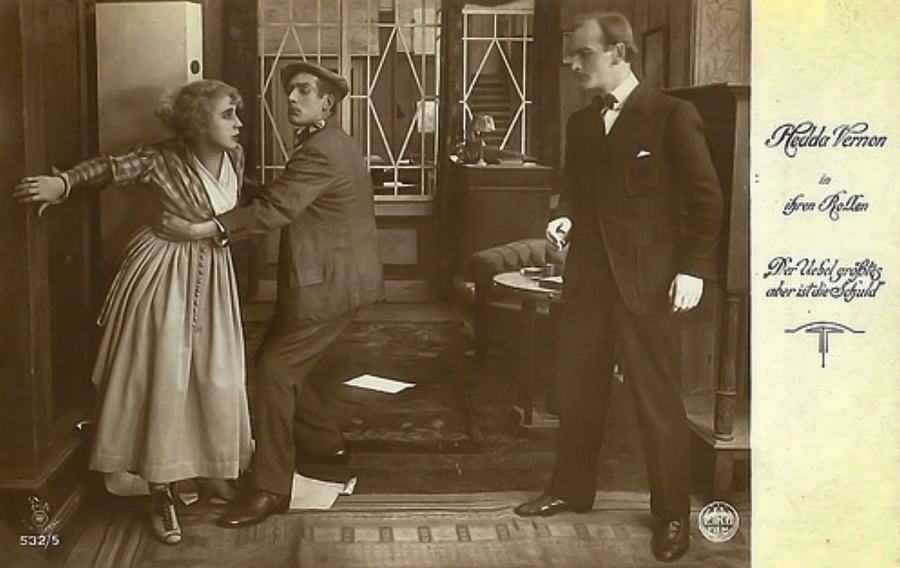
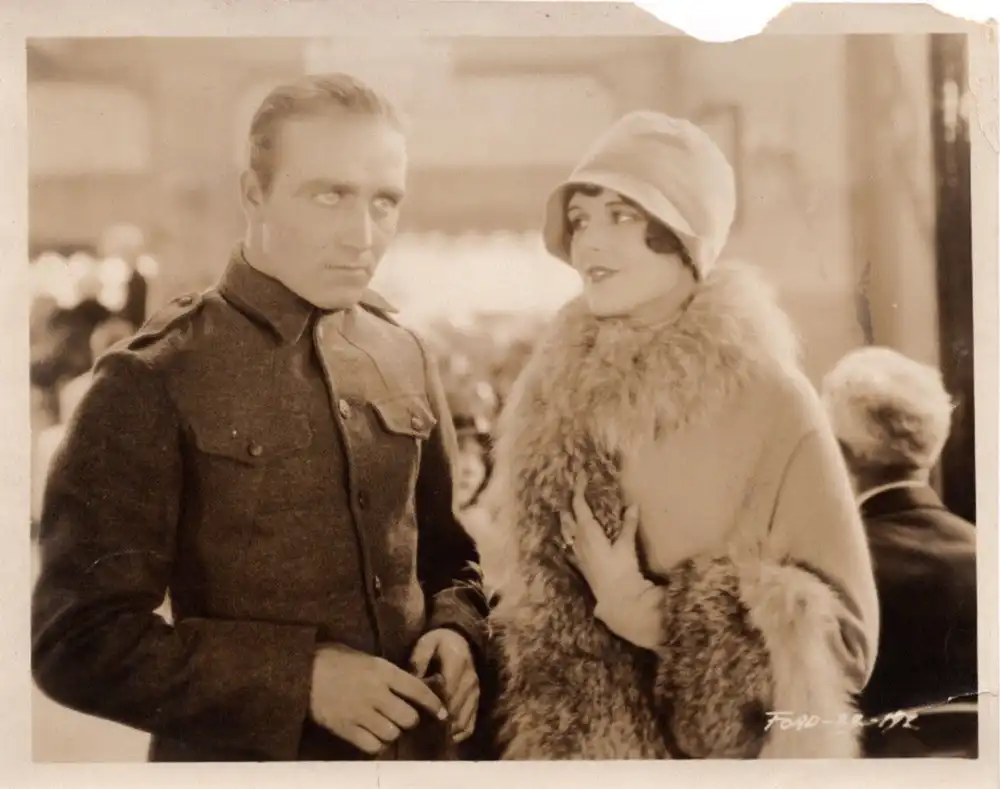
The sons are played with varying degrees of success. James Hall as Joseph, the son who goes to America, provides the necessary 'New World' optimism, but his scenes occasionally feel like they belong in a different, lighter movie. The real tension lies with the brothers who stay in Germany. The physical transformation of the characters as the war drags on is handled well; they don't just look tired, they look hollowed out. This stylistic darkness mirrors the tone found in other European imports of the era, such as Hilde Warren und der Tod, where the visual atmosphere is as much a character as the actors themselves.
The most effective recurring motif in the film is the arrival of the village postman. In a small town, the mailman is usually a symbol of connection, but here he becomes a herald of doom. Ford shoots these arrivals with a repetitive, almost ritualistic dread. We see the postman’s shadow before we see him; we see the neighbors peeking through curtains, relieved it isn’t their door he’s stopping at, then immediately guilty.
When the 'black-bordered' letters finally arrive, Ford doesn't overplay the reaction. He lets the silence of the medium work for him. There is a specific shot of Mother Bernle standing by the gate, the light fading, simply holding a piece of paper. It’s more effective than any dialogue-heavy scene in a modern war movie because it forces the audience to fill in the sound of her grief.
The film isn't without its flaws. The middle section, which follows Joseph’s life in America, feels a bit like a propaganda piece for the American Dream. It’s designed to make the eventual conflict—brother against brother—feel more tragic, but it drags the pacing down. We go from a deeply atmospheric European drama to a somewhat generic immigrant success story, and the transition is jarring.
The trench scenes, however, bring the focus back. There is a specific moment where two brothers encounter each other in the fog of No Man's Land. Is it a massive coincidence? Yes. Is it melodramatic? Absolutely. But Ford directs it with such a sense of atmospheric pressure—the fog is thick enough to choke on, and the lighting is harsh and unforgiving—that you buy into the tragedy of it anyway. It’s a sequence that highlights the absurdity of war without needing a single title card to explain the irony.
One detail that only becomes apparent upon a close watch is the use of depth in the frames. Ford and his cinematographers, George Schneiderman and Charles G. Clarke, often place Mother Bernle in the foreground while life—or death—moves in the background. In the final act, when she is traveling to America, the scale of the ship and the bustling New York harbor are used to show how small she has become. She is a woman who has lost her world and is being swallowed by a new one.
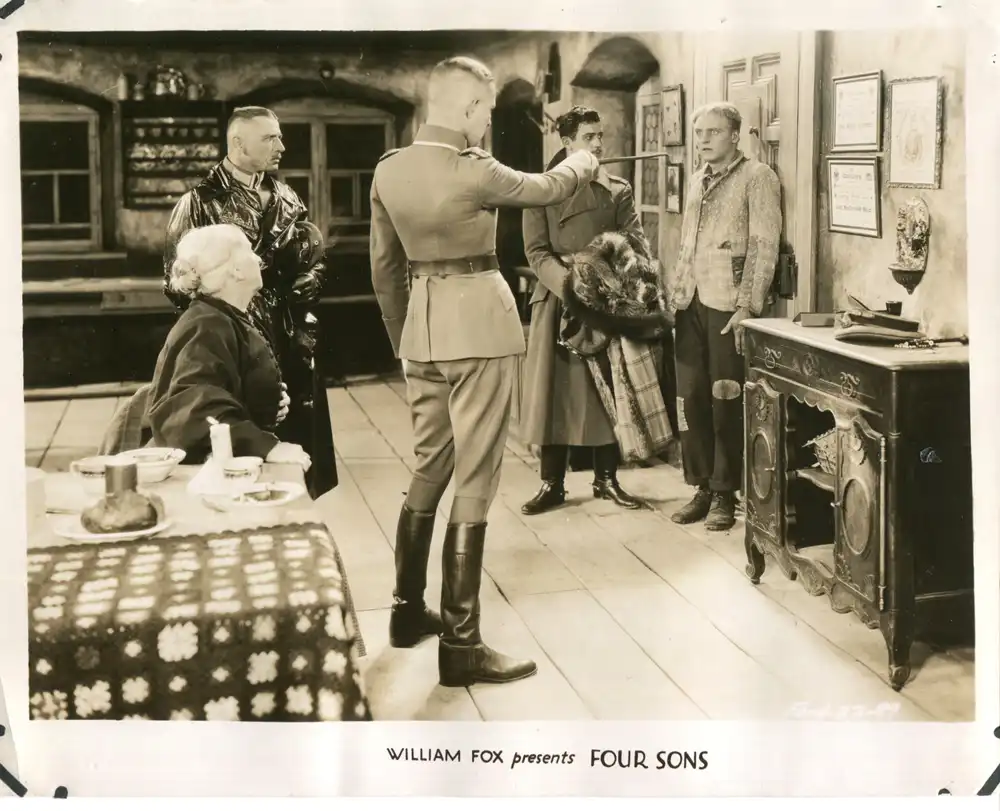
The editing rhythm in the final twenty minutes is surprisingly modern. The cuts between the quiet of the old village and the noise (implied, of course) of the city create a sense of disorientation that mirrors the protagonist’s state of mind. It isn't just a happy ending; it’s a survival ending, and the film is honest enough to let that bitterness linger.
Four Sons is a heavy watch, but a rewarding one. It manages to be a 'big' movie with grand themes of war and immigration while remaining an intimate portrait of a mother’s face. It avoids the trap of being a mere historical curiosity by anchoring its stylistic flourishes in genuine human emotion. If you can forgive the occasionally thick sentimentality of the first act, you will find a film that understands the visual power of grief better than almost any of its contemporaries.
IMDb 2.7
1923
Community
Log in to comment.