DbcultAccessing Vault...
Cult Review
Senior Film Conservator
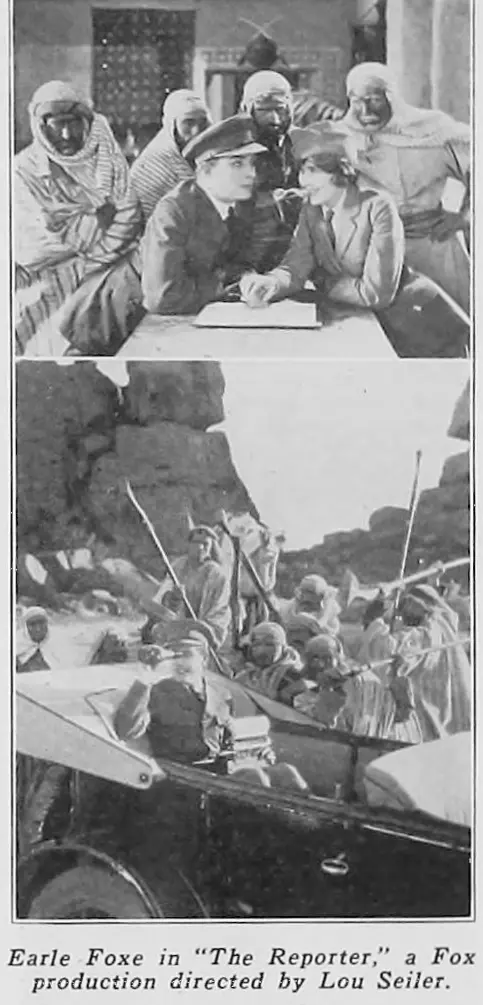
Is the 1926 version of The Reporter worth your time in the age of digital streaming? Short answer: yes, but only if you treat it as a historical artifact rather than a gripping thriller.
This film is for the silent cinema purist who thrives on the physical comedy and fast-paced editing of the mid-twenties. It is absolutely not for anyone who requires a nuanced, realistic portrayal of investigative reporting or high-definition visual fidelity.
1) This film works because Earle Foxe possesses an undeniable charisma that bridges the gap between slapstick and sincerity.
2) This film fails because the script relies on coincidences that feel lazy even by the standards of 1926.
3) You should watch it if you enjoyed the energetic social dynamics of The Exiles or the lighthearted antics of Foxe's other work.
The first thing that strikes you about The Reporter is its speed. Directed with a focus on the hustle of the city, the film captures the 'Van Bibber' spirit that Earle Foxe was famous for. The newsroom scenes are cluttered with papers, smoke, and the frantic movement of copy boys. It feels alive. It feels messy. It works. But it’s flawed.
For instance, the scene where Foxe’s character attempts to intercept a telegram is a masterclass in silent-era blocking. He moves with a rhythmic intensity that makes the mundane act of reading a letter feel like a life-or-death struggle. Compared to the slower, more deliberate pacing of The Last Frontier, this film feels like it’s running on high-octane fuel.
If you are looking for a historical curiosity, yes. The Reporter offers a window into how the 1920s viewed the power of the press. It treats the journalist as a swashbuckling hero rather than a cynical observer. This makes it a fascinating counterpoint to more somber films of the era like Isterzannye dushi.
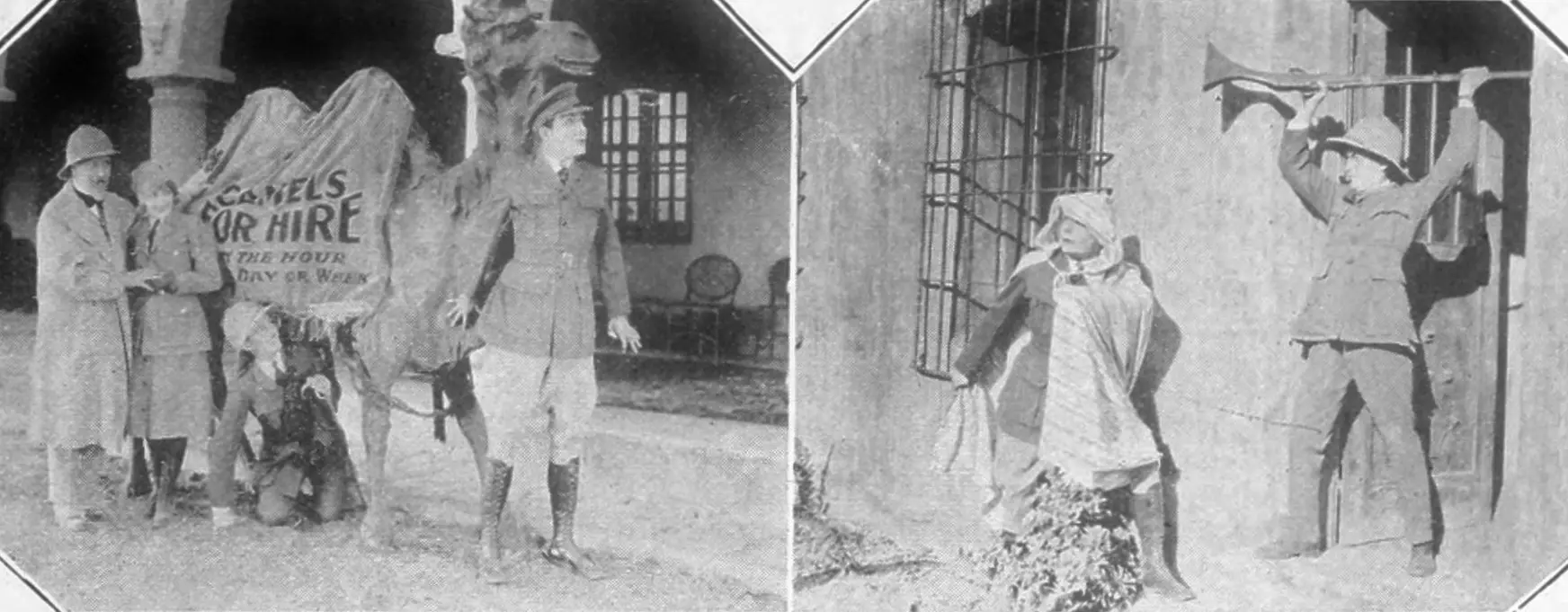
However, the casual viewer might find the plot thinning out by the second act. The stakes are high, but the resolution feels unearned. It’s a breezy watch, but it leaves no lasting impression on the soul.
Earle Foxe was the quintessential leading man for this type of role. He has a face that was built for the silent screen—expressive but not overly theatrical. In The Reporter, he manages to balance the 'everyman' quality with a hint of the aristocratic charm he displayed in Pampered Youth.
Harry Woods, playing the antagonist, provides the necessary friction. Woods had a way of looming over a scene that made even the simplest dialogue cards feel threatening. When he and Foxe share the screen in the climactic confrontation at the socialite ball, the tension is palpable. It is a classic 'hero vs. villain' dynamic that avoids the melodrama found in The Vengeance Trail.
Florence Gilbert, unfortunately, is relegated to the 'concerned love interest' role. While she performs well with what she’s given, the script doesn't allow her the agency seen in female leads of films like A Bit of Jade. She is a decorative plot point, which is a common but frustrating trope of the period.
The cinematography in The Reporter is functional rather than revolutionary. However, there are flashes of brilliance in the night photography. The way the shadows fall across the wet pavement during the street scenes evokes a proto-noir atmosphere. It lacks the experimental flair of Le lys du Mont Saint-Michel, but it effectively communicates the grit of the city.
"The film treats the telephone as a magical device, almost a character itself, reflecting 1926's fascination with instant communication."
One surprising observation is the film's reliance on the telephone as a plot device. In 1926, the idea of instantaneous information was still relatively novel to the masses. The director uses close-ups of the receiver and the switchboard to heighten the sense of urgency. It’s a primitive version of the 'ticking clock' thriller, and it works surprisingly well.
Richard Harding Davis was the superstar journalist of his time, and his influence on The Reporter cannot be overstated. He romanticized the profession, turning the 'reporter' into a figure of adventure. This film leans heavily into that myth. Unlike the more grounded A Son of Erin, The Reporter wants us to believe that a journalist can save the day through sheer wit and a fast car.
This romanticism is the film's greatest strength and its greatest weakness. It’s charming to watch Foxe outsmart the bumbling police, but it robs the story of any real danger. The stakes feel manufactured. It’s a movie that knows it’s a movie, which is a stark contrast to the gritty realism of Ultus, the Man from the Dead.
When compared to other 1926 releases like Nimrod Ambrose or Grevarna på Svansta, The Reporter stands out for its urban energy. While many silents of the mid-20s were moving toward rural melodramas or epic westerns, this film remains firmly planted in the city. It celebrates the noise, the traffic, and the corruption of the metropolis.
It also shares some DNA with Aladdin's Other Lamp in its whimsical approach to a modern setting. However, The Reporter is far more cynical. It acknowledges that the news is a business, and that business is often dirty. This slight edge of bitterness makes it more palatable to a modern audience than some of its more sentimental contemporaries.
The Reporter (1926) is a middle-of-the-road silent comedy that is elevated by its lead actor and its frantic energy. It doesn't have the depth of The Payment, nor the visual innovation of the era's best dramas. But it is a fun, fleeting experience. It’s a reminder of a time when the press was the ultimate frontier for a young man with ambition.
It isn't a masterpiece. It isn't a cinematic journey. It's just a solid, well-crafted piece of entertainment from a time when the world was moving faster than it knew how to handle. Watch it for Foxe, stay for the 1920s atmosphere, and don't expect it to change your life.
IMDb 6.9
1913
Community
Log in to comment.