DbcultAccessing Vault...
Cult Review
Senior Film Conservator
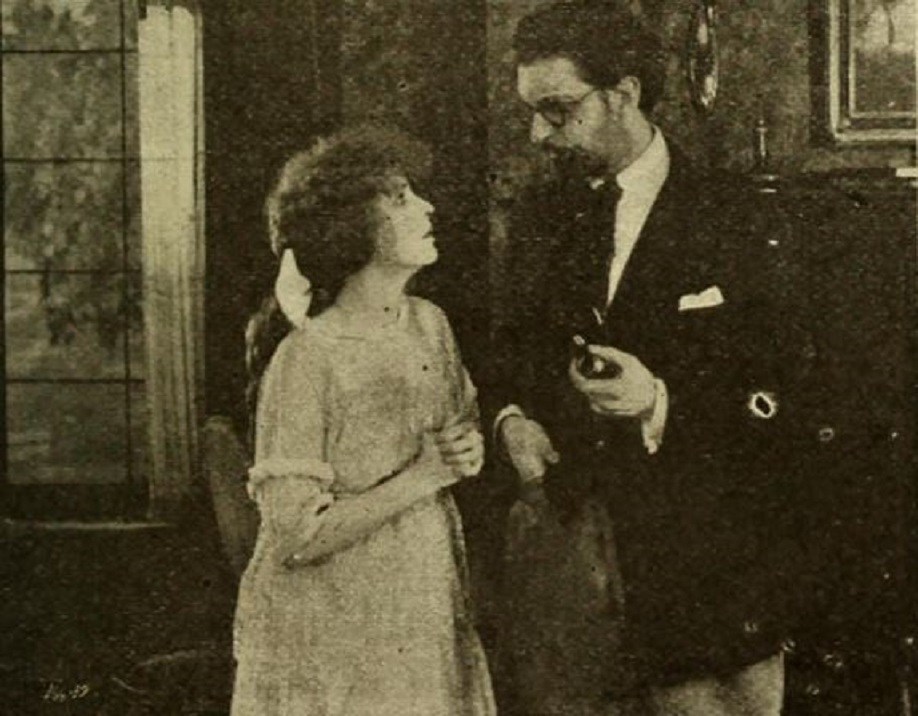
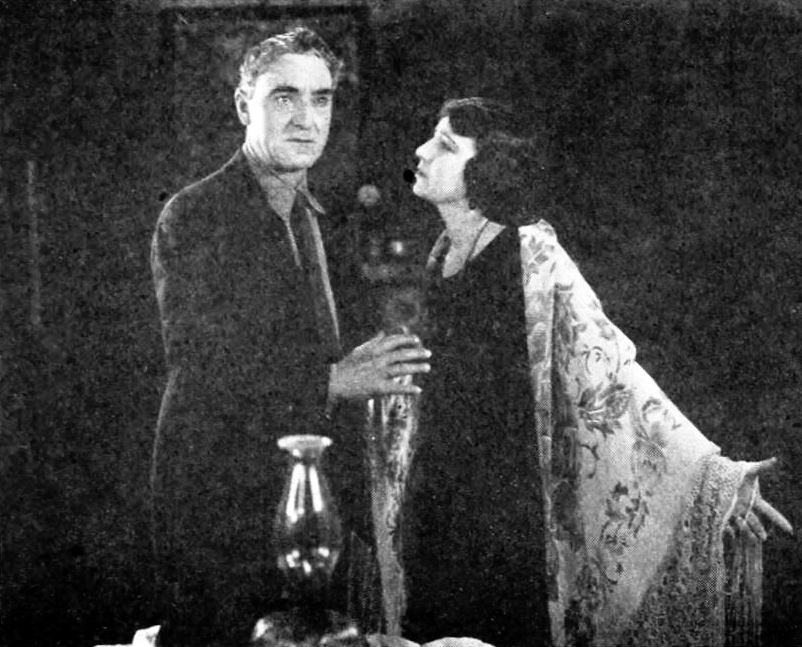
Stepping back into the nascent years of cinematic storytelling, we encounter a shimmering relic from 1917, a silent drama titled Betty to the Rescue. This isn't just a film; it's a window into the narrative sensibilities and audience expectations of over a century ago. Directed by an uncredited hand, and penned by Beatrice DeMille and Leighton Osmun, it delivers a potent blend of melodrama, financial intrigue, and blossoming romance, all wrapped in the visual poetry of the silent era. For contemporary viewers, it serves as a fascinating study in how filmmakers conveyed complex emotional landscapes and intricate plotlines without the aid of spoken dialogue, relying instead on the expressive power of actors like Fannie Ward, Lillian Leighton, and Charles West, alongside evocative intertitles and carefully staged scenes.
At its heart, Betty to the Rescue is a cautionary tale about appearances and the insidious nature of greed. The narrative unfurls with Henry Sherwin, a man who has poured his life's savings into a mine, only to face the crushing reality that it appears worthless. This initial premise immediately sets a tone of vulnerability and the fickle hand of fate. However, the tragedy is compounded by a calculated act of villainy: James Fleming, a seemingly reputable mine expert portrayed with a sinister charm, discovers a rich vein of gold within Sherwin's property but, with Machiavellian cunning, keeps this momentous secret to himself. This act of deception is the foundational tremor that ripples through the entire plot, affecting every character and driving the subsequent dramatic turns.
Upon Mr. Sherwin's untimely demise, his daughter, Betty, becomes the ward of John Kenwood and his sister, Constance. These guardians, discovering the estate to be utterly bereft of value, make a noble but ultimately unsustainable decision: they shield Betty from the harsh truth, allowing her to believe she possesses a substantial income. This act of kindness, born of affection and a desire to preserve Betty's innocence, inadvertently sets the stage for further complications. Betty, accustomed to a life of luxury at boarding school, returns home to a shocking revelation: her guardians are now toiling diligently, a stark contrast to the comfortable existence she has always known. In a gesture of well-meaning but misguided generosity, she hires two servants, further draining the Kenwoods' already strained resources.
The film masterfully escalates the stakes, pushing its characters to their breaking point. A devastating frost wipes out the orange crop, the Kenwoods' last vestige of hope and income. This moment of environmental catastrophe mirrors the personal and financial desolation the characters face. It's a stark reminder of the fragility of life and fortune, a theme often explored in early cinema, much like the struggles depicted in films such as The Eternal Strife or Home, Sweet Home, which similarly spotlight characters grappling with overwhelming odds.
Amidst this despair, James Fleming, ever the opportunist, seizes the moment to propose to Betty, believing her vulnerability will make her an easy conquest. His proposal, however, is met with a firm refusal, showcasing Betty's spirit despite her circumstances. In a poignant display of her character, Betty, still oblivious to her true financial state, offers John Kenwood all her (non-existent) money. This selfless act, born of genuine affection and concern, is met with John's heartbreaking amusement, a moment that beautifully underscores the dramatic irony permeating the narrative. His quiet suffering and unrequited love for Betty are palpable, even without spoken words, a testament to the emotive power of silent acting.
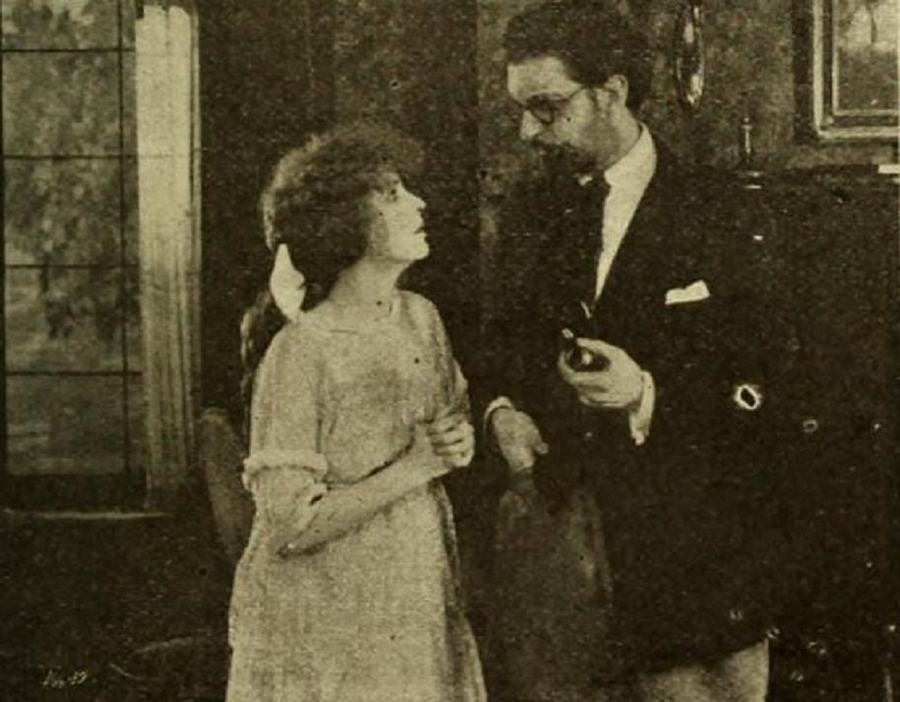
Fleming, undeterred, finally reveals the truth about the mine's apparent worthlessness, using this revelation as leverage for yet another marriage proposal, which Betty again staunchly refuses. Her resilience in the face of such crushing news and persistent pressure speaks volumes about her inner strength, positioning her as more than just a passive object of affection or a victim of circumstances. She is a protagonist who, though sometimes naive, possesses an admirable core of integrity.
Driven by a vivid dream of gold pouring from her mine, Betty embarks on a desperate quest, running to the mine where she encounters Big Jim. Together, they begin a search for the elusive precious metal. This sequence introduces a touch of whimsical hope amidst the bleakness, a common narrative device in early cinema to propel the plot forward and offer a momentary respite from despair. The boys, in a mischievous turn, "salt" the mine, leading Betty to believe she has struck it rich. Her delight, however, is short-lived as she learns of the prank. This moment, while seemingly a setback, acts as a catalyst for Betty, pushing her towards a reckless, yet understandable, decision to try her luck at gambling.
The gambling house scene is a classic silent film trope, often used to depict moral decay or a desperate gamble for fortune. Betty stakes her "nuggets" in a roulette game and, predictably, loses everything. It's a moment of profound vulnerability, where she appears utterly defeated. Yet, once again, Fleming appears, taking her into his arms and, in a dramatic flourish, announces their impending marriage just as John Kenwood enters. This theatrical timing is a hallmark of the era's melodramas, designed to maximize emotional impact and heighten suspense. The narrative often employed such coincidences, much like the dramatic convergences found in films like The Double Event, to drive its resolutions.
The true turning point arrives when Jim and the proprietor of the gambling house examine Betty's supposed nuggets. Jim notices a peculiar one, sparking a renewed curiosity. Betty, leading him back to the mine, unwittingly sets in motion the unraveling of Fleming's elaborate conspiracy. The subsequent discovery of a rich vein of gold, valued at a staggering million dollars, is the film's climactic revelation. This moment not only restores Betty's fortune but also exposes Fleming's villainy, bringing justice to the Sherwin legacy. The film, in this regard, adheres to the conventional morality of the time, where virtue is ultimately rewarded and deceit unmasked.
With Fleming's machinations exposed and Betty's true inheritance revealed, the emotional landscape shifts dramatically. John Kenwood, no longer burdened by the illusion of Betty's poverty or his own inability to provide for her, finally takes her in his arms and confesses his enduring love. This is the moment the audience has been waiting for, the culmination of subtle glances and unspoken affections. However, a new, albeit temporary, obstacle emerges: Betty's sudden wealth seems to create a perceived gulf between them in John's mind. It's a nuanced psychological beat, reflecting the societal pressures and gender roles of the era, where a man's ability to provide was often intertwined with his sense of worth. Yet, Betty, with her characteristic forthrightness and deep affection, quickly bridges this imagined chasm. She wriggles back into his embrace, declares her love, and, breaking with convention, proposes to him. This act of agency, while perhaps subtle by modern standards, is significant for a female character in early 20th-century cinema, echoing the quiet strength seen in protagonists of films like The Little School Ma'am. His immediate acceptance and their subsequent embrace signify the complete triumph of love over adversity, greed, and societal expectations, culminating in a scene of pure, unadulterated happiness.
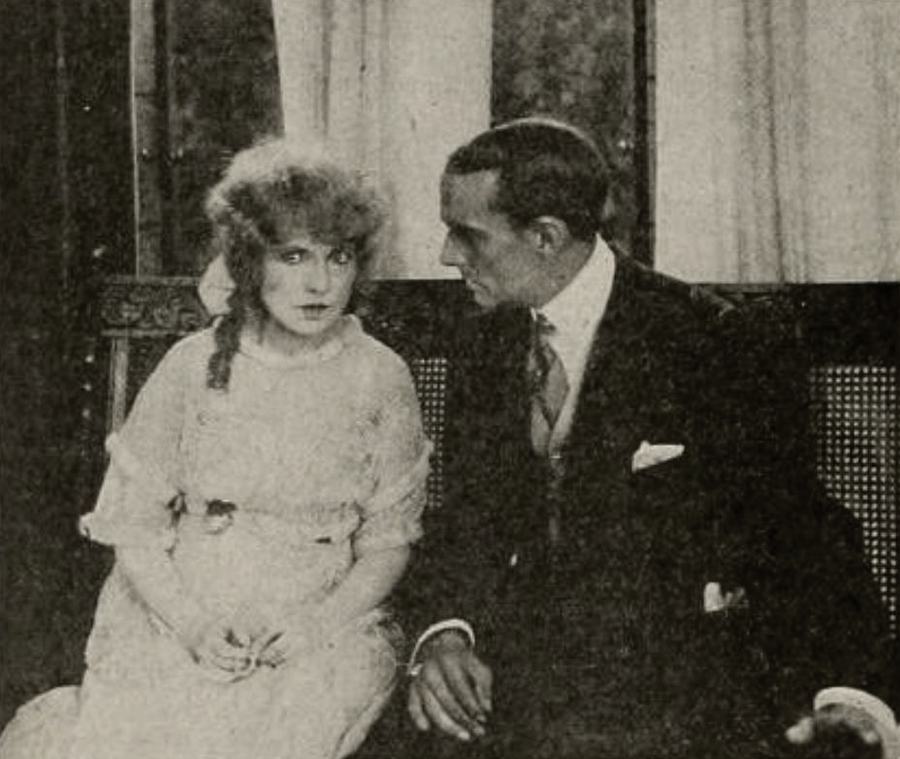
Fannie Ward, as Betty, delivers a performance that is both charming and empathetic. Her transition from naive boarding school girl to resilient woman facing immense challenges is conveyed through expressive facial gestures and body language, essential tools for silent film actors. She manages to imbue Betty with a spirited quality that prevents her from becoming a mere damsel in distress, despite the numerous predicaments she faces. Charles West, as John Kenwood, embodies the quiet, stoic hero, his love for Betty conveyed through longing glances and subtle acts of self-sacrifice. His internal struggle between duty and desire is beautifully articulated without a single spoken word. Lillian Leighton, likely in a supporting role given the common casting patterns of the time (though specific role not detailed in prompt), would have contributed to the emotional texture, often providing grounding or comedic relief. Taylor N. Duncan, Jack Dean, and James Neill, as supporting players, would have filled out the world of the film, adding depth to the various characters, from the conniving Fleming to the supportive Big Jim.
The efficacy of silent film often hinged on the clarity of its visual storytelling. Betty to the Rescue relies on a series of well-constructed scenes and descriptive intertitles to guide the audience through its intricate plot. The pacing, while perhaps slower than modern cinema, allows for a deliberate build-up of tension and emotional resonance. The use of close-ups to capture facial expressions, long shots to establish setting, and dramatic cross-cutting would have been employed to heighten the dramatic impact. The film's aesthetic, typical of its era, would have favored clear, uncluttered compositions, ensuring that the audience could easily follow the narrative thread. Compared to the grand historical epics like The Triumph of an Emperor or the stark realism of Life of the Jews of Palestine, Betty to the Rescue occupies a comfortable space within the popular melodrama genre, focusing on personal drama and moral dilemmas.
Released in 1917, Betty to the Rescue emerges from a pivotal period in film history. The industry was rapidly maturing, moving beyond mere novelty to embrace complex narrative forms. Audiences were hungry for stories that entertained, educated, and often, reinforced prevailing social norms. The themes of hidden wealth, economic struggle, and the ultimate triumph of good over evil were immensely popular, resonating with a public that often faced its own economic uncertainties. The film’s exploration of a woman’s agency, however constrained by the period’s expectations, also offers a glimpse into evolving gender roles. Betty's refusal of Fleming's proposals and her eventual proposal to John, while seemingly minor, speak to a nascent desire for female autonomy that would only grow stronger in subsequent decades. This contrasts with more traditional portrayals of women, sometimes seen in films like The Unwelcome Mother, where female characters often faced more rigid societal constraints.
The allure of gold and the promise of instant riches, a persistent motif in American folklore and history, also finds a comfortable home in this narrative. The "gold rush" mentality, though perhaps past its peak by 1917, continued to capture the public imagination, making the mine a potent symbol of hope and despair. The film, therefore, taps into a collective cultural consciousness, providing a story that is both entertaining and reflective of broader societal aspirations and anxieties. The dramatic revelations and clear-cut morality were designed to provide a satisfying emotional arc for the audience, a form of escapism and moral reinforcement that was highly valued.
Betty to the Rescue, while not perhaps a groundbreaking masterpiece that redefined cinematic language, is nonetheless a thoroughly enjoyable and historically significant film. It showcases the enduring power of classic storytelling tropes: the cunning villain, the innocent heroine, the noble hero, and the dramatic revelation that sets everything right. The film's charm lies in its earnestness, its clear moral compass, and the dedicated performances of its cast, who masterfully navigate the challenges of silent acting. It reminds us that even without spoken dialogue, the human capacity for love, betrayal, and resilience can be conveyed with profound emotional depth.
For enthusiasts of early cinema, Betty to the Rescue offers more than just entertainment; it provides invaluable insight into the evolutionary path of film as an art form. It’s a testament to the ingenuity of filmmakers who, armed with nascent technology and an understanding of human emotion, crafted narratives that captivated audiences and laid the groundwork for the cinematic wonders that would follow. It stands as a delightful example of how simple yet effective storytelling, combined with compelling characters and a touch of dramatic flair, can create a lasting impression, proving that even a century later, Betty's journey to rescue her fortune and find love still resonates with a quiet, enduring charm. It's a film that, like a newly discovered gold vein, holds unexpected riches for those willing to dig a little deeper into its historical and narrative layers.
IMDb 6.6
1934
Community
Log in to comment.