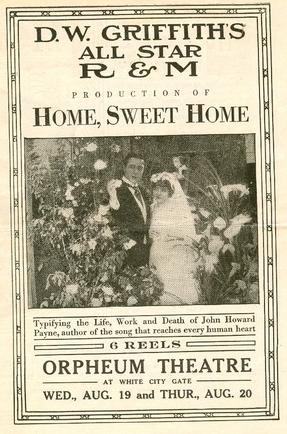
John Howard Payne at his most miserable point in life, writes a song which becomes popular and inspires other people at some point in their lives..
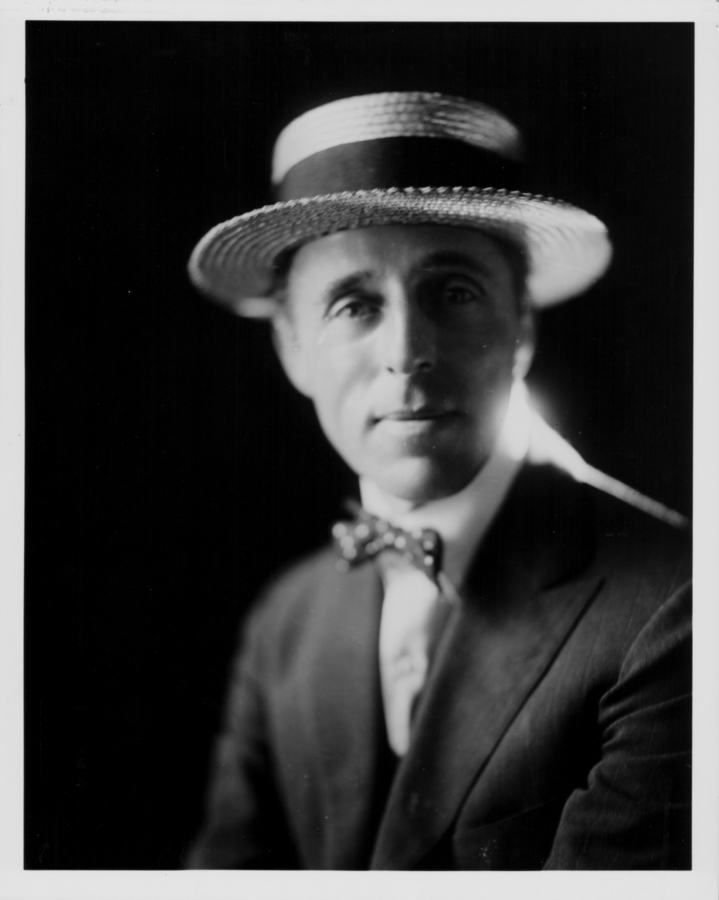
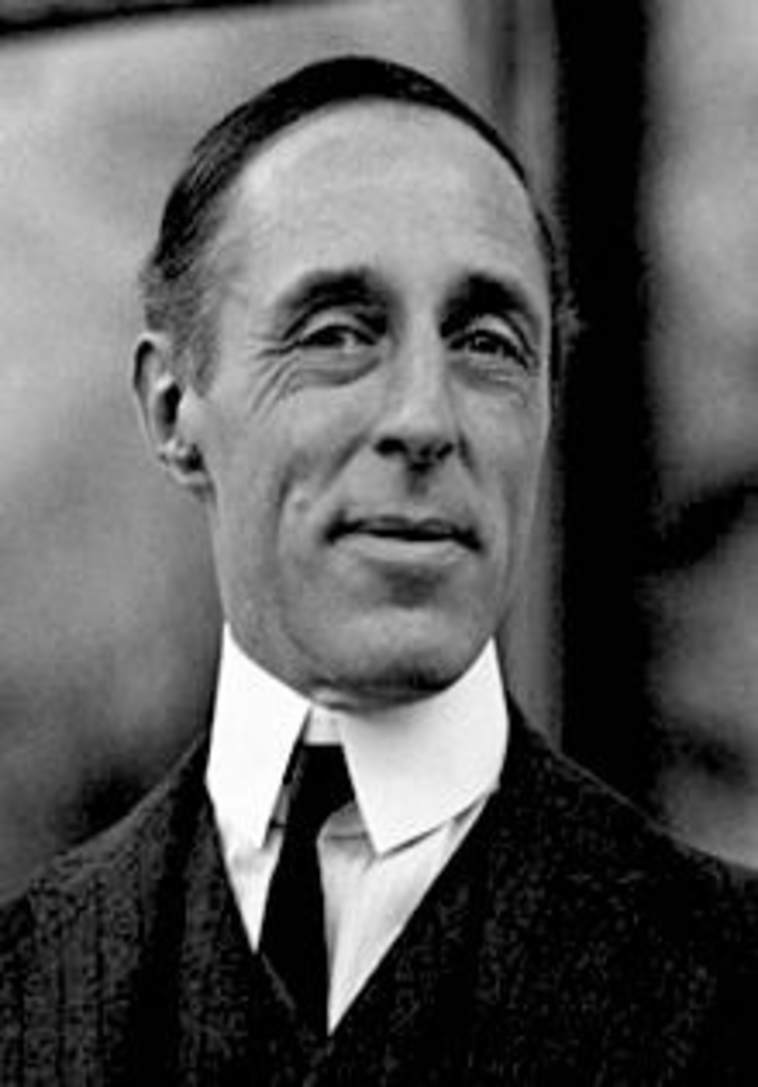
D.W. Griffith, H.E. Aitken
United States
The Melodic Architecture of Memory: Re-evaluating Griffith’s 1914 Vision By the time 1914 rolled around, the cinematic landscape was undergoing a seismic shift from the ephemeral novelty of short subjects to the sustained gravitas of the feature film. Standing at the epicenter of this evolution was D.W. Griffith, a ...
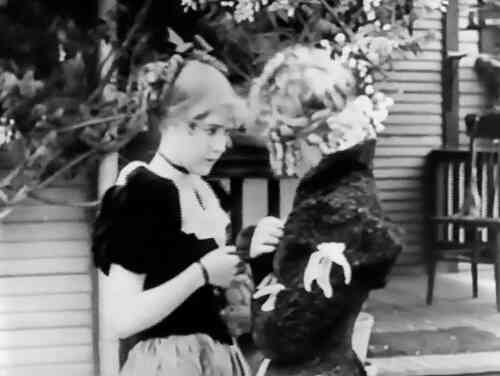
still_frame

still_frame
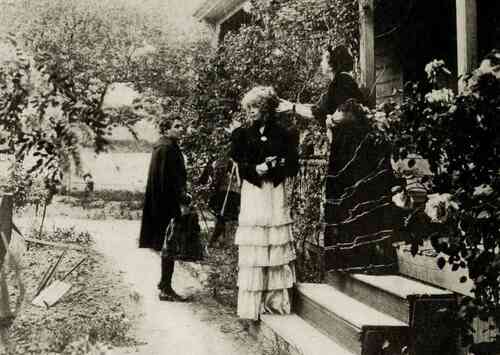
still_frame
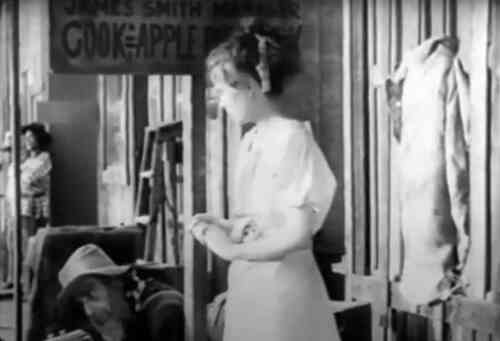
still_frame
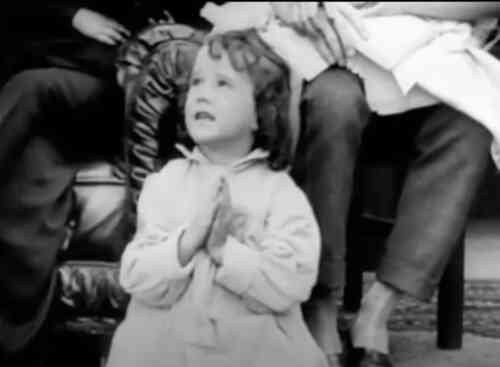
still_frame
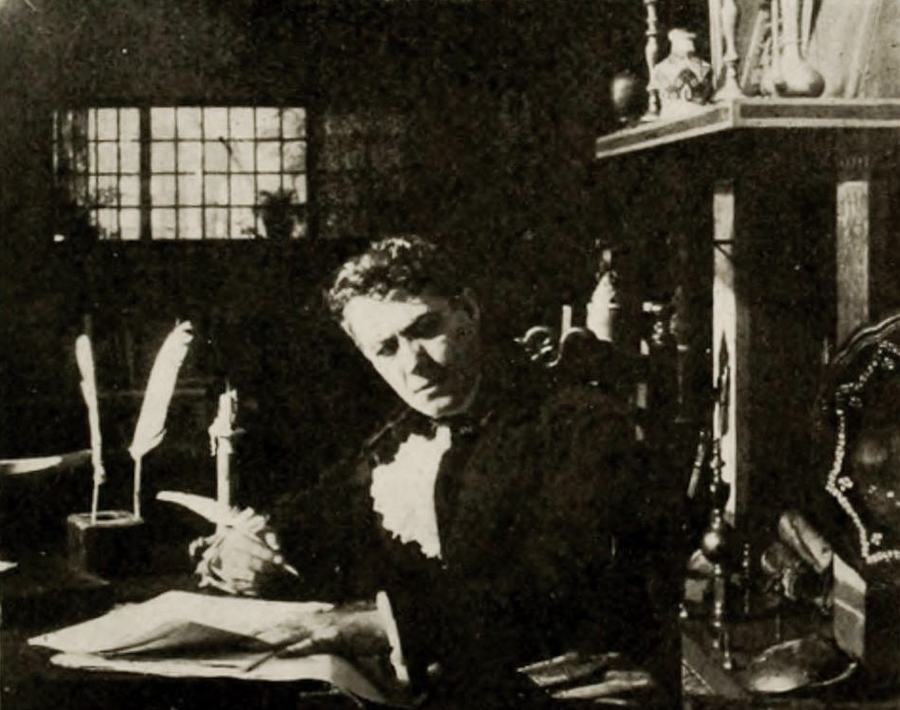
still_frame

still_frame
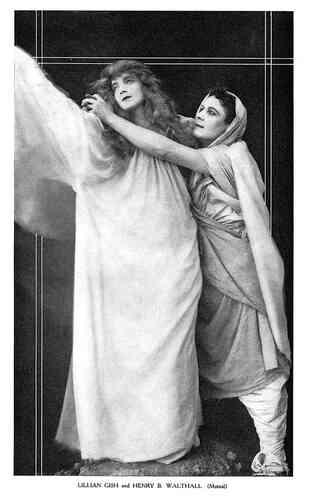
product


Comparing the cinematic DNA and archive impact of two defining moments in cult history.
D.W. Griffith

D.W. Griffith
Community
Log in to comment.
" The Melodic Architecture of Memory: Re-evaluating Griffith’s 1914 Vision By the time 1914 rolled around, the cinematic landscape was undergoing a seismic shift from the ephemeral novelty of short subjects to the sustained gravitas of the feature film. Standing at the epicenter of this evolution was D.W. Griffith, a man whose ego was matched only by his technical intuition. In Home, Sweet Home (slug: home-sweet-home), Griffith attempts something far more ambitious than a mere biography. He con..."

Deep dive into the cult classic
Discover similar cinematic experiences
A Directorial Spotlight on D.W. Griffith