DbcultAccessing Vault...
Cult Review
Senior Film Conservator
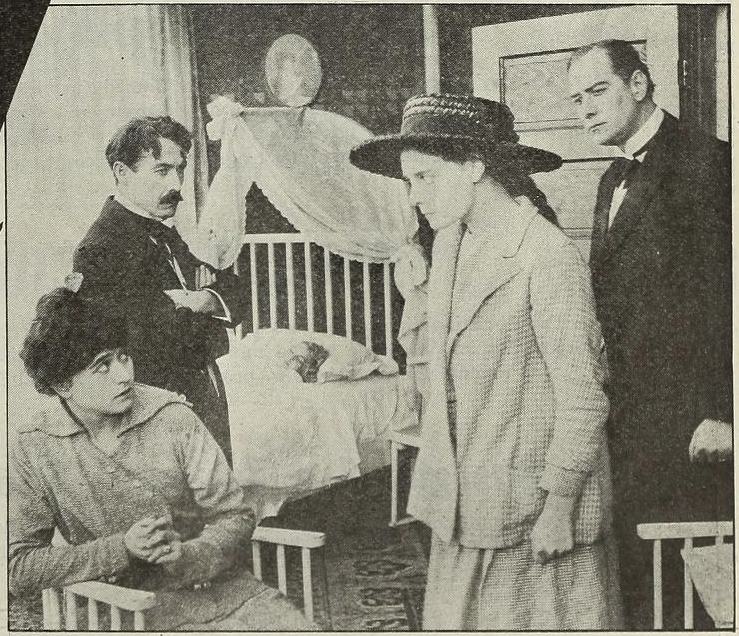
The film Beulah is a masterpiece of early cinema, weaving a complex narrative that delves into the human experience with profound depth and sensitivity. At its core is the story of Dr. Guy Hartwell, a character whose tragic past has sculpted him into a man of melancholy and distrust. His marriage, which ended in betrayal and death, leaves him questioning the very fabric of humanity and his faith in God. This emotional landscape is beautifully contrasted with the introduction of Beulah Benton, a young and vibrant spirit, whose innocence and purity of heart gradually penetrate the armor of Hartwell's bitterness.
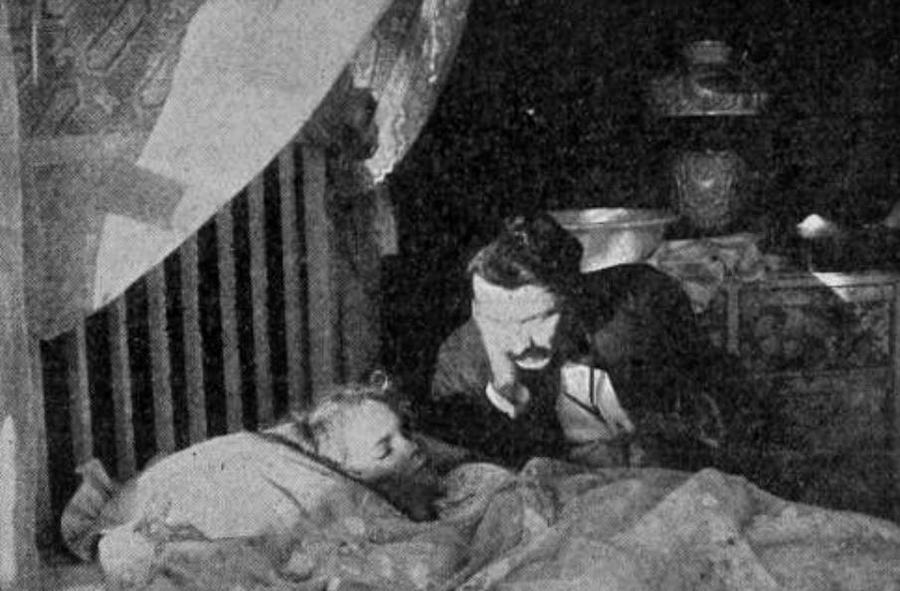
The narrative is rich with themes of love, loss, and the struggle for redemption. Beulah, with her untainted love and her yearning for connection, becomes the catalyst for Hartwell's journey towards healing. Her own story, intertwined with that of Eugene, a boy she loved and lost to the allure of wealth and status, serves as a poignant reminder of the enduring power of true love and the devastating consequences of its betrayal. The return of Eugene, now a shadow of his former self, pledged to marry another, presents a pivotal moment in the film, highlighting the conflict between the ideals of love and the harsh realities of life.
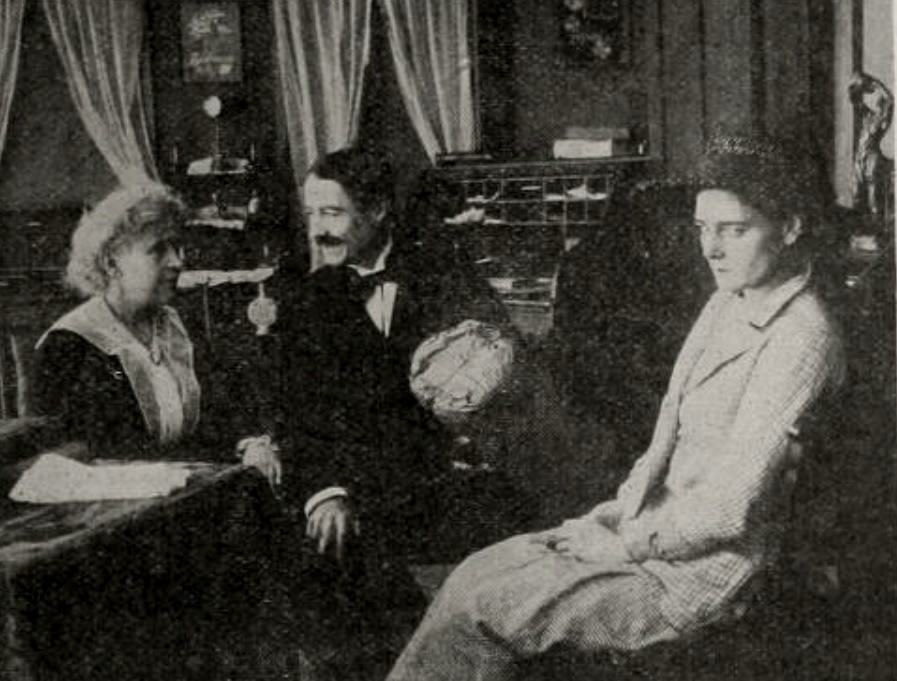
The outbreak of an epidemic in the city marks a turning point in the narrative, as Hartwell and Beulah find themselves united in their efforts to combat the disease. This shared struggle against a common enemy forges a bond between them, one that is strengthened by the selfless love and ultimate sacrifice of Clara Saunders, a friend of Beulah's who falls in love with Hartwell. In her dying breath, Clara joins the hands of Hartwell and Beulah, symbolically uniting them in a bond of love and mutual respect. This act of unity, set against the backdrop of tragedy and loss, underscores the film's central theme of the redemptive power of love.
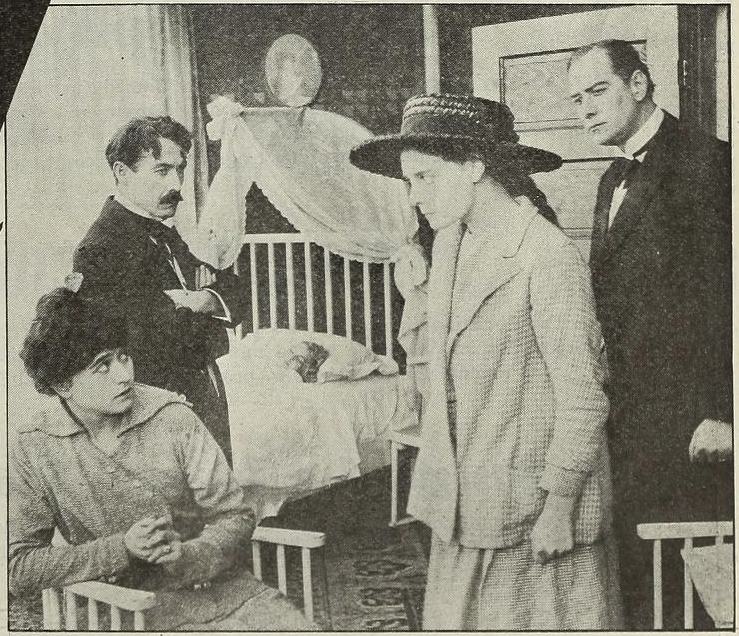
The character development in Beulah is noteworthy, with each character adding depth and complexity to the narrative. Dr. Hartwell's transformation from a man consumed by bitterness to one who finds solace and love again is particularly compelling. Beulah, with her unwavering optimism and capacity for love, serves as a beacon of hope, illuminating the path towards redemption for those around her. The supporting cast, including Eugene and Clara, adds layers to the story, exploring themes of betrayal, sacrifice, and the true meaning of love.
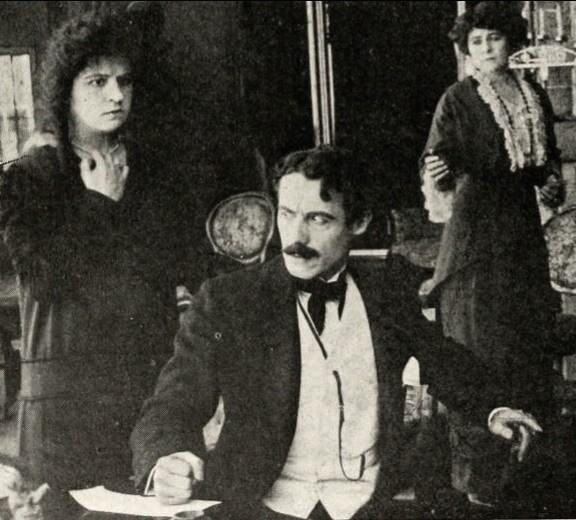
In comparison to other films of the era, such as The Old Curiosity Shop and Pyotr Velikiy, Beulah stands out for its nuanced exploration of human emotions and its thoughtful pacing. The film's use of cinematography, though limited by the technology of the time, effectively captures the mood and atmosphere of each scene, drawing the viewer into the world of the characters. The score, minimal yet evocative, adds an emotional depth to key moments, enhancing the overall impact of the film.
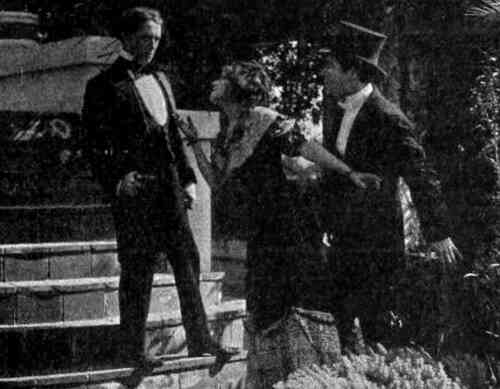
In conclusion, Beulah is a film that transcends its time, offering a powerful exploration of the human spirit. Through its characters and their journeys, it reminds us of the importance of love, forgiveness, and the enduring capacity for redemption that defines us. As a piece of cinematic history, it stands as a testament to the power of storytelling, capable of touching hearts and minds across generations. For those interested in the evolution of cinema and the art of storytelling, Beulah is a must-see, a window into a past that continues to influence the present.
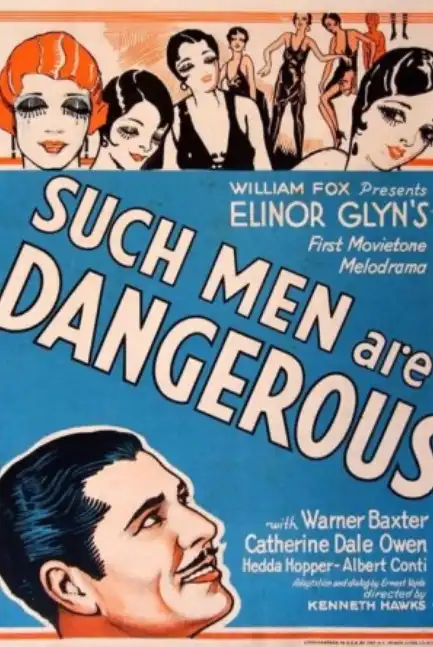
IMDb 5.8
1930
Community
Log in to comment.