DbcultAccessing Vault...
Cult Review
Senior Film Conservator
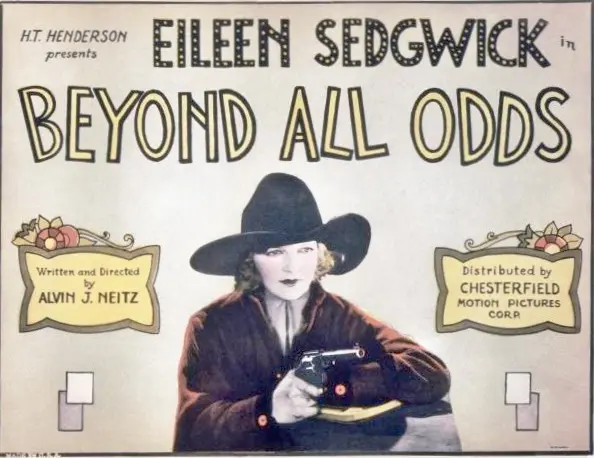
Is 'Beyond All Odds' worth watching today? Short answer: yes, but with significant caveats that define its unique, if imperfect, appeal. This film is a compelling watch for enthusiasts of early cinematic storytelling and those fascinated by raw, character-driven dramas, yet it will likely alienate viewers seeking modern pacing or polished narratives.
It’s a film that demands a certain patience, a willingness to engage with its historical context, and an appreciation for its unvarnished portrayal of human endurance. For some, it will resonate deeply; for others, it might feel like a relic best left to film archives.
This film works because of its unflinching commitment to its central theme of resilience, anchored by a powerful lead performance that transcends the limitations of its era.
This film fails because of its occasionally erratic pacing, which can test the patience of modern audiences, and some underdeveloped supporting character arcs that leave narrative potential untapped.
You should watch it if you appreciate the gritty realism of early cinema, enjoy character studies focused on perseverance, and don't mind a slower burn that prioritizes thematic depth over rapid-fire plot developments.
"Beyond All Odds," directed by Alan James, stands as a testament to the enduring appeal of the underdog narrative. The film, a product of its time, doesn't rely on elaborate special effects or convoluted twists. Instead, its strength lies in its simplicity and its unwavering focus on the human element.
The plot, while straightforward in its premise – a journey or struggle against overwhelming forces – gains its power from the psychological depth it attempts to plumb. We witness the protagonist, portrayed with stoic intensity by Lew Meehan, confronting a series of escalating challenges that threaten to break not just his body, but his very spirit.
What makes this narrative particularly compelling is its refusal to romanticize suffering. There are no easy victories, no sudden deus ex machina moments that neatly resolve the tension. Every step forward feels earned, every setback painfully real. This grittiness, while perhaps challenging for some viewers, is precisely where the film finds its unique voice.
Consider, for instance, the film's second act, which dedicates significant screen time to the sheer physical and mental toll of the protagonist's quest. Unlike the more action-oriented adventure films of its period, such as The New Adventures of J. Rufus Wallingford, "Beyond All Odds" leans into the quiet desperation, using long takes to emphasize the isolation and the seemingly endless nature of the struggle. It’s a bold choice that, while occasionally slowing the pace, amplifies the emotional impact.
Frankly, some critics overstate its pioneering spirit; it's more a competent execution of familiar tropes than a revolutionary one. However, its competence in exploring these themes with such earnestness is commendable, particularly when viewed through the lens of early filmmaking.
The narrative's primary flaw, however, lies in its occasional reliance on convenient plot devices to propel the story forward, especially in the latter half. While the initial struggles feel organic and earned, there are moments where solutions appear a little too neatly, slightly undermining the film's earlier commitment to raw realism. It’s a minor quibble, but one that prevents it from achieving true narrative perfection.
The strength of "Beyond All Odds" rests heavily on its cast, particularly Lew Meehan in the central role. Meehan delivers a performance built on quiet resilience and unspoken determination. His character isn't verbose; his struggles are etched onto his face, conveyed through his weary gait and the intensity in his eyes.
There’s a particular scene, early in the second act, where his character faces a devastating setback, and Meehan conveys a world of internal turmoil with little more than a hardened gaze and a subtle clenching of his jaw. It’s a masterclass in understated acting, avoiding the histrionics common in films of the period.
Eileen Sedgwick, though given less screen time, brings a much-needed emotional counterpoint. Her portrayal of a character tied to the protagonist's fate adds layers of vulnerability and hope. Her scenes, though few, are impactful, providing moments of respite and human connection amidst the relentless struggle. Her presence subtly shifts the tone, injecting warmth into an otherwise stark narrative.
The supporting cast, including Alfred Hewston, Theodore Henderson, and Dutch Maley, fulfill their roles with varying degrees of success. Hewston, often playing the antagonist or a formidable obstacle, brings a palpable sense of threat. His interactions with Meehan create genuine tension, elevating the stakes of their confrontations. However, some of the other supporting characters, unfortunately, feel more like archetypes than fully fleshed-out individuals.
This isn't necessarily a fault of the actors, but rather a limitation of the script, which prioritizes the protagonist's journey above all else. Characters like Ray Childs and Les Bates, while present, often serve purely functional roles, their motivations and backstories left largely unexplored. This uneven development means that while the central performances shine, the ensemble doesn't always coalesce into a unified, dynamic whole.
Despite these limitations, the core performances are strong enough to carry the film. Meehan’s unwavering presence is the magnetic force that draws you in and keeps you invested, making the character’s seemingly impossible quest feel deeply personal and profoundly human.
Alan James’s direction in "Beyond All Odds" is a fascinating study in early cinematic technique. While not consistently groundbreaking, James demonstrates a clear understanding of how to use the camera to evoke mood and enhance narrative tension. His strength lies in his ability to capture the vastness and indifference of the natural world, making it a formidable character in itself.
The cinematography, though limited by the technology of the era, manages to convey the scale of the protagonist's challenges. There are sweeping landscape shots that emphasize isolation, juxtaposed with tight close-ups that highlight the characters' internal struggles. The visual language is often stark, mirroring the harsh realities faced by the characters.
Consider the sequence involving a perilous river crossing; James employs tight framing and surprisingly dynamic cuts for the period, amplifying the danger and the sheer physical effort required. It’s a moment that truly makes you feel the cold, the current, and the desperation. This scene, in particular, stands out for its effective use of visual storytelling, a stark contrast to the more static, theatrical staging seen in some contemporary films like The Easiest Way.
However, the direction isn't without its flaws. Some of the more expositional scenes suffer from a lack of visual dynamism, relying heavily on dialogue rather than cinematic expression. The camera often remains static, turning these moments into mere recordings of conversations rather than actively engaging the viewer. This inconsistency in directorial flair can be jarring, highlighting the experimental nature of filmmaking at the time.
It's fascinating how the film inadvertently reveals the anxieties of its era, not just through its plot, but through the very fabric of its production – the urgency, the resourcefulness, even the occasional technical slip speaks volumes about filmmaking 'beyond all odds' itself. The unpolished edges, which some might see as weaknesses, can also be interpreted as a raw authenticity that modern, highly polished productions often lack.
Despite these occasional stumbles, James’s overall vision is clear: to present an honest, unembellished account of human fortitude. When the direction and cinematography align with this vision, the film achieves moments of genuine power and beauty, proving that even with limited resources, a compelling story can be told visually.
The pacing of "Beyond All Odds" is perhaps its most divisive element. This is not a film designed for instant gratification. It operates on a deliberate, often slow rhythm, allowing the audience to truly feel the weight of the protagonist's journey. For viewers accustomed to the rapid-fire editing and constant plot propulsion of contemporary cinema, this might feel like a test of patience.
The film takes its time establishing the stakes, building the world, and immersing us in the protagonist's plight. There are long stretches where little dialogue is exchanged, and the narrative advances through visual cues and the sheer persistence of the characters. This approach, while effective in building a sense of realism and emotional investment, can occasionally lead to lulls.
The tone of the film is overwhelmingly serious, almost somber. There are very few moments of levity, which reinforces the gravity of the characters' situation. This consistent tone contributes to the film's gritty authenticity, ensuring that the audience never forgets the immense challenges at hand. However, a touch more variation, even a brief moment of dark humor or genuine relief, could have provided a more dynamic emotional landscape without sacrificing the core message.
The film’s ultimate message, while noble, feels a touch too saccharine in its final moments, undermining the gritty realism it strives for elsewhere. It's a small misstep, but one that feels like a concession to audience expectations rather than a natural conclusion to the preceding struggle.
How does it stand the test of time? "Beyond All Odds" holds up remarkably well as a historical document of early storytelling and acting. Its core themes of perseverance and the indomitable human spirit are timeless. However, its technical limitations and pacing choices are undeniably products of its era. This isn't a film that will universally captivate modern audiences in the way a technically polished classic like The Argyle Case might, but for those willing to meet it on its own terms, it offers a deeply rewarding experience.
It works. But it’s flawed. Its deliberate pace and serious tone might be a barrier for some, but for others, they are precisely what make it a powerful and memorable viewing experience. It’s a true test of endurance, both for the characters on screen and, occasionally, for the audience watching them.
"Beyond All Odds" is a film that asks its audience to invest, to lean into its deliberate pace and unvarnished aesthetic. It's not an easy watch, nor is it a perfect one. Yet, within its historical framework and its occasional imperfections, lies a powerful, resonant story of human endurance. Lew Meehan's performance alone makes it worth seeking out for those interested in the craft of early acting, and the film's unwavering commitment to its central theme ensures its place as a compelling, if overlooked, piece of cinematic history. While it might not appeal to everyone, for the discerning viewer willing to appreciate its unique strengths, "Beyond All Odds" offers a profound and ultimately rewarding experience. It reminds us that sometimes, the most enduring stories are those told with the least adornment, focusing solely on the sheer, stubborn will to survive.
IMDb 6.7
1919
Community
Log in to comment.