DbcultAccessing Vault...
Cult Review
Senior Film Conservator
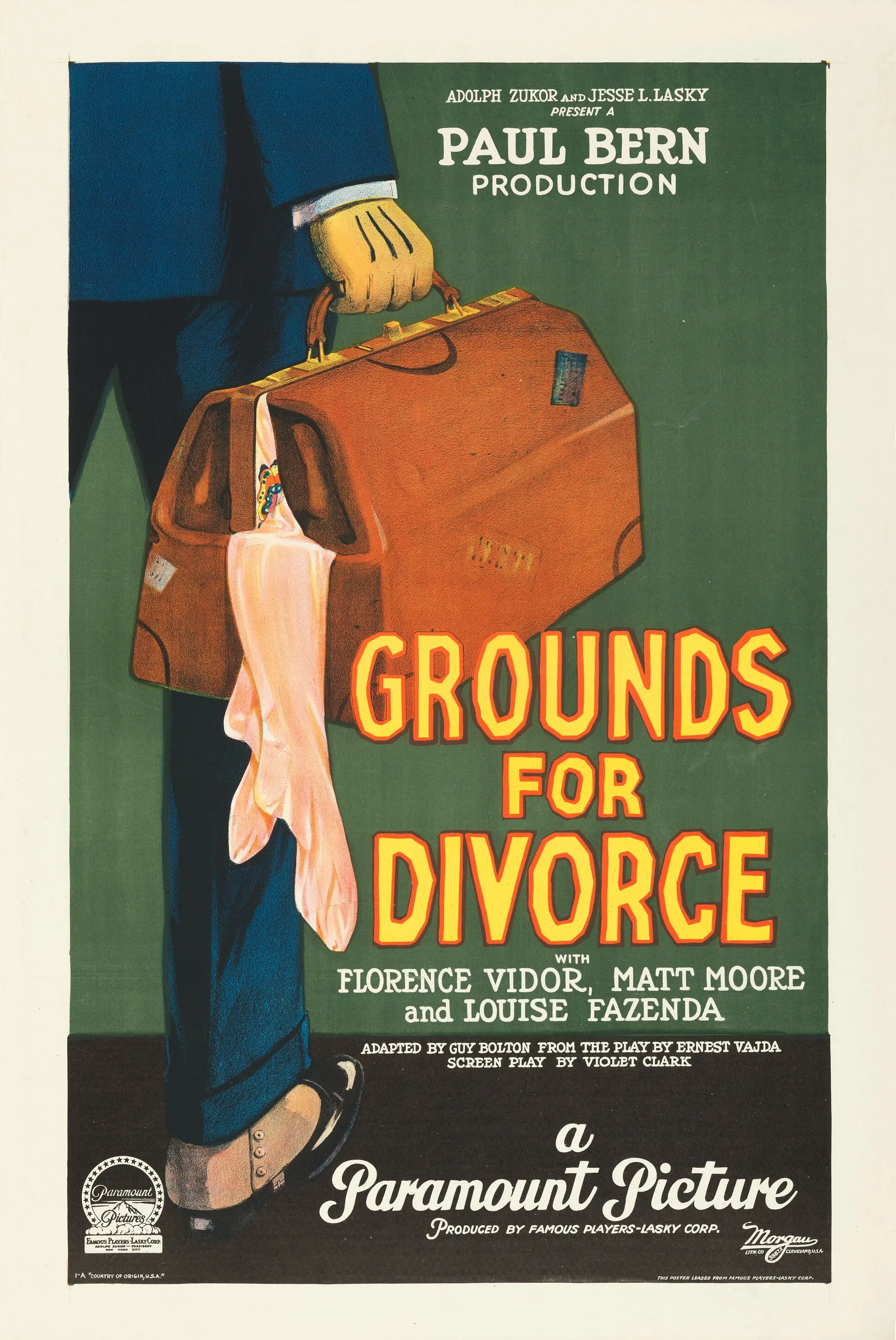
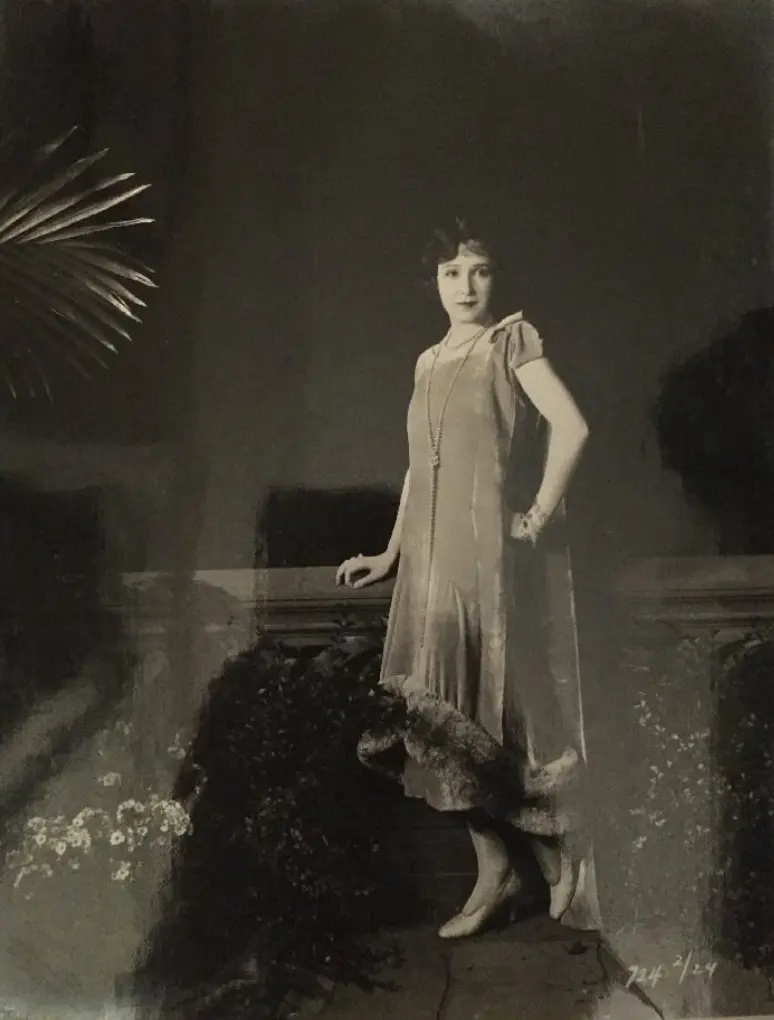
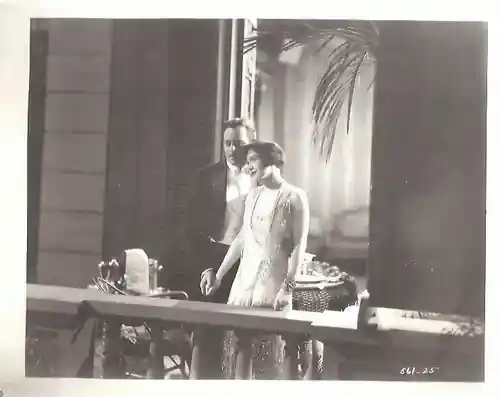
Grounds for Divorce, a 1920 film directed by Guy Bolton, Ernest Vajda, and Violet Clark, is a profound exploration of marital betrayal and the subsequent journey towards reconciliation. Set against the backdrop of a divorce lawyer’s personal life, the film is a testament to the intricate dance between professional and personal ethics. The story follows Maurice, played by Matt Moore, a successful divorce lawyer who, much to the dismay of his wife, Alice (Florence Vidor), has been neglecting their marriage. On their anniversary, Maurice decides to spend the day with a famous actress, Marianne (Louise Fazenda), leading Alice to seek a divorce of her own. This pivotal moment sets the stage for a narrative that unfolds with layers of complexity and emotional depth.
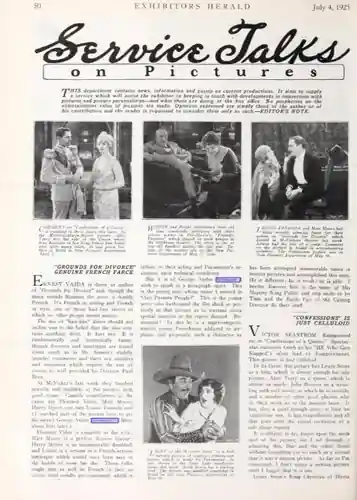
Maurice’s character is a multifaceted portrayal of a man struggling with his values and personal desires. His professional life, centered around helping couples end their marriages, is juxtaposed with his personal life, where he is unable to commit fully to his wife. The film’s exploration of this dichotomy is both intriguing and thought-provoking. The actors’ performances, especially Matt Moore and Florence Vidor, are nothing short of stellar, bringing a sense of realism and authenticity to the characters.
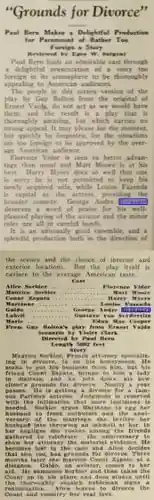
The narrative is meticulously crafted, with a plot that is both predictable and unpredictable. The predictability lies in the fact that infidelity often leads to divorce, a common theme in many films. However, the unpredictability comes from the way the story is told. The film does not shy away from the harsh realities of marriage and the devastating impact of betrayal. It is a film that is not afraid to show the uglier sides of life, which makes it all the more compelling.
The cinematography and production design are equally impressive. The film’s use of lighting and color is particularly noteworthy, with dark orange and yellow hues contributing to the overall mood of the film. These colors are often used to highlight moments of tension or to indicate the emotional state of the characters. The setting, a mix of domestic interiors and public spaces, adds to the film’s realism, making the viewer feel like they are right there with the characters.
The supporting cast, including George Beranger, Edna Mae Cooper, Gustav von Seyffertitz, Olive Borden, and Harry Myers, all deliver strong performances that complement the lead actors. Their characters add depth to the story, providing a well-rounded perspective on the world of divorce and relationships. The screenplay, penned by Guy Bolton, Ernest Vajda, and Violet Clark, is a masterclass in dialogue writing, with each line carefully crafted to reveal the characters’ innermost thoughts and emotions.
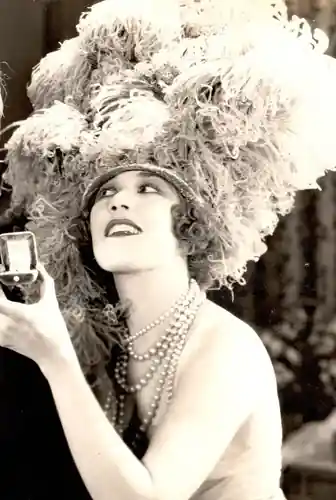
Grounds for Divorce is a film that stands out in the context of its era. It is reminiscent of other films such as Phantom Fortunes and The Divorcee, both of which deal with the themes of infidelity and the consequences of personal choices. However, what sets Grounds for Divorce apart is its nuanced approach to these topics. Where Phantom Fortunes might focus more on the external events leading to divorce, Grounds for Divorce delves deeper into the psychological and emotional aspects, providing a more comprehensive view of the human experience.
One of the film’s strengths is its ability to humanize its characters. Even those who might be seen as villains in a typical narrative are given moments of vulnerability and complexity. This approach to character development is what makes the film resonate on a deeper level. It is not just about the external actions but also about the internal struggles that drive those actions. The film’s exploration of the impact of infidelity on both the betrayed and the betrayer is particularly poignant and thought-provoking.
Grounds for Divorce is also notable for its thematic relevance. While it is a product of its time, the film’s exploration of marital betrayal and the impact of personal choices on relationships is still relevant today. It is a film that challenges the viewer to reflect on their own relationships and the value they place on commitment and honesty. The film’s message is clear: no matter how much the world changes, the impact of personal choices on our lives remains constant.
Ultimately, Grounds for Divorce is a film that is not just entertaining but also thought-provoking. It is a film that challenges the viewer to question their own beliefs and values. The performances, the storytelling, and the production values all come together to create a compelling narrative that is both beautiful and haunting. It is a film that will stay with you long after the credits roll, leaving you with a sense of both sadness and hope.
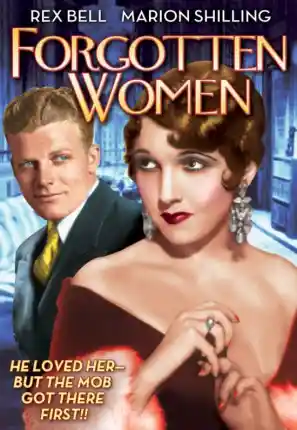
IMDb 5
1931
Community
Log in to comment.