DbcultAccessing Vault...
7.8/10
Senior Film Conservator
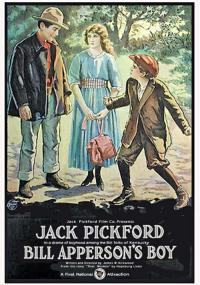
A definitive 7.8/10 rating for a film that redefined the boundaries of cult cinema. Bill Apperson's Boy remains a cornerstone of transgressive art.
Step back into the nascent days of cinematic storytelling, where the raw power of human emotion was conveyed through expression, gesture, and the evocative flicker of light and shadow. In this captivating milieu, Bill Apperson's Boy (1919) emerges not merely as a relic of a bygone era, but as a compelling narrative tapestry woven with threads of filial strife, burgeoning romance, and the often-unforgiving judgment of a close-knit community. This is a film that, even a century later, resonates with a profound understanding of the human condition, showcasing the intricate dance between personal conviction and societal expectation.
The narrative, penned by the astute minds of Madeline Matzen and Hapsburg Liebe, eschews grandiose spectacle for an intimate portrayal of a young man's tumultuous journey toward self-discovery and acceptance. At its core, we find Buddy, brought to vivid, simmering life by the remarkable Jack Pickford. Pickford, an actor whose nuanced performances often captured the restless spirit of youth, imbues Buddy with a palpable sense of longing and indignation. He is a young man adrift, motherless in the rugged embrace of the mountains, grappling with an unspoken void that shapes his every interaction.
Buddy's world is one of stark choices and simmering resentments. His affections alight upon Martha Yarton, portrayed with a delicate strength by Gloria Hope. Martha is no mere damsel in distress; she is a pillar of resilience, shouldering the weighty responsibility of her widowed father and six boisterous brothers. Her practical resolve and innate kindness offer Buddy a glimpse of stability and warmth, a stark contrast to the emotional landscape of his own home. Hope delivers a performance that is both understated and deeply affecting, conveying Martha's quiet fortitude and unwavering moral compass through subtle gestures and expressive eyes. Her portrayal grounds the more melodramatic elements of the plot in a relatable human experience.
The arrival of Bill Apperson's (Russell Simpson) new wife, Mary, acts as the catalyst that ignites the film's central conflict. Simpson, a veteran character actor, brings a rugged authenticity to Bill, a man whose love for his son is undeniable, yet whose capacity for understanding is initially clouded by patriarchal expectation. Buddy's sullen refusal to acknowledge Mary as "mother" is not born of malice, but of a deep-seated loyalty to his departed mother's memory and a fear of replacement. This emotional stubbornness, so characteristic of adolescent angst, is met with Bill's frustrated, regrettable act of violence – a strike that, though instantly regretted, shatters the fragile peace of their household.
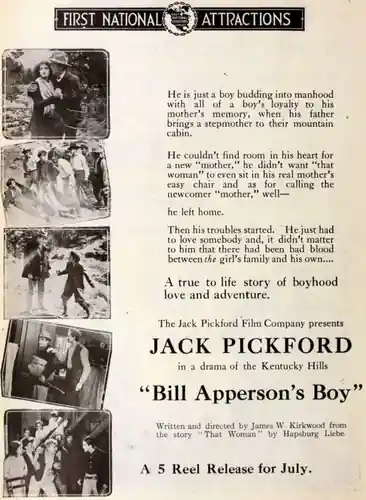
Buddy's subsequent flight from home is not an act of wanton rebellion but a desperate search for autonomy and understanding. His wanderings lead him to the Yarton household, where fate, in its cruelest guise, intertwines his path with that of a thief. The ensuing confrontation, though brief, sets in motion a chain of events that tests the limits of loyalty and community. Buddy's shot misses the fleeing culprit, yet he is caught, a scapegoat for a crime he didn't commit. Here, Martha's character truly shines. Faced with the grim prospect of Buddy's incarceration, she bravely fabricates an eyewitness account, claiming to have seen the true thief. This selfless act of protection is a testament to her profound affection for Buddy, elevating her beyond a mere love interest to a figure of unwavering moral courage.
The film then delves into the often-brutal reality of small-town justice and prejudice. Despite Martha's intervention, the shadow of suspicion clings to Buddy like a persistent mountain fog. The town, quick to judge and slow to forgive, shuns him, creating an atmosphere of isolation that amplifies his internal struggles. This societal ostracization is a theme explored in various forms throughout cinematic history, from the moral quandaries of The Solitary Sin to the community tensions in dramas like Knocknagow. Bill Apperson's Boy handles this with a raw, unvarnished honesty, showcasing the devastating impact of collective mistrust on an individual's spirit.
The reconciliation between Buddy and Bill is hard-won, a fragile truce built on regret and unspoken understanding. Yet, the familial landscape remains fraught. Mary, Bill's new wife, emerges as a figure of quiet grace and immense self-sacrifice. Recognizing her inadvertent role as an wedge between father and son, she makes the agonizing decision to leave, believing her absence will foster healing. This act of altruism is a powerful moment, highlighting the depth of her character and her desire for the Apperson family's peace. Her return, prompted by Buddy's eventual, heartfelt acceptance – a moment signaled by his simple utterance of "mother" – is a testament to the transformative power of genuine affection.
However, the path to domestic harmony is rarely linear. Buddy's unease at witnessing his father's affectionate embrace of Mary speaks volumes about his lingering possessiveness and the slow, arduous process of fully integrating a new maternal figure into his heart. This psychological complexity elevates the film beyond simplistic melodrama, delving into the messy, often contradictory emotions that define family relationships. The writers, Matzen and Liebe, demonstrate a keen understanding of these subtle psychological currents, crafting a narrative that feels authentically human.
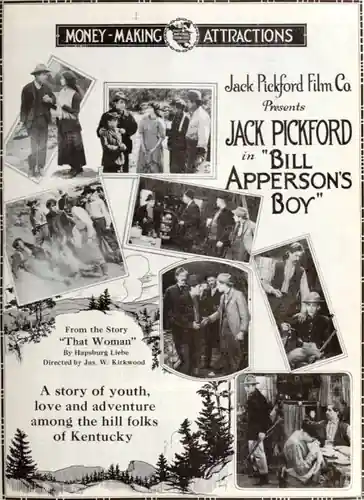
Just as Buddy begins to navigate this new family dynamic, another emotional blow strikes. Martha, perhaps burdened by her own responsibilities or misinterpreting Buddy's emotional turmoil, declares that she does not love him. This rejection, coming after her heroic act of saving him from jail, sends Buddy into a year of self-imposed exile, a period of wandering and introspection that allows him to mature and gain perspective. This trope of the protagonist leaving and returning, transformed, is a timeless narrative device, seen in countless tales of personal growth. One might draw a parallel to the transformative journeys in films like Under Two Flags, where characters are forged in the crucible of separation and hardship.
His eventual return to the mountain community orchestrates a series of resolutions that bring the narrative to a satisfying, if somewhat neatly tied, conclusion. The truth about the original theft finally emerges, with the actual culprit confessing, thus clearing Buddy's name and lifting the cloud of suspicion that had long plagued him. This exoneration allows for a communal healing, restoring Buddy's standing within the town. Concurrently, his year away has fostered growth, enabling him to genuinely embrace his stepmother, a bond cemented by the joyful arrival of Bill and Mary's new baby. This new life symbolizes a fresh start, a complete family unit born from past pain and present forgiveness.
The ensemble cast, under the direction of the era's skilled craftsmen, delivers performances that transcend the limitations of silent cinema. Jack Pickford, often overshadowed by his sister Mary Pickford, demonstrates a remarkable ability to convey complex emotional states without dialogue. His portrayal of Buddy's sullenness, his flashes of anger, his deep love, and ultimately, his hard-won maturity, is a masterclass in silent acting. He captures the essence of a young man caught between childhood resentments and the responsibilities of adulthood. Russell Simpson's Bill Apperson is a compelling figure of paternal authority and regret, his internal struggle palpable through his facial expressions and body language. His journey from stern patriarch to a man humbled by his mistakes is genuinely moving.
Gloria Hope's Martha Yarton is equally memorable. Her quiet strength and unwavering moral compass provide a vital anchor for Buddy's tempestuous nature. Her willingness to lie to protect him, a pivotal moment in the film, is conveyed with a conviction that makes her act believable and heroic. The supporting cast, including Thomas Ashton and George Nichols, contribute to the rich tapestry of the mountain community, each performance adding texture and depth to the narrative. The artistry of silent film, particularly in its reliance on expressive acting and evocative cinematography, is on full display here. Directors of this period understood how to use close-ups, wide shots, and strategic intertitles to guide the audience through the emotional landscape of the story, a skill evident in the pacing and visual storytelling of Bill Apperson's Boy. While not as widely remembered as some of its contemporaries, the film holds its own against other character-driven dramas of the era, such as Polly Ann or even the dramatic flair of The Tiger Woman, though with a distinct, grounded sensibility.
Ultimately, Martha's enduring affection is reaffirmed, bringing Buddy's personal and romantic arcs to a harmonious close. The narrative of Bill Apperson's Boy, while rooted in the specific social mores and cinematic techniques of its time, possesses a timeless quality. It speaks to universal themes: the challenging transition from youth to adulthood, the complexities of family dynamics, the struggle for acceptance, and the redemptive power of forgiveness and love. The film stands as a testament to the storytelling prowess of the silent era, demonstrating that profound emotional depth and intricate character development were achievable long before the advent of synchronized sound.
For enthusiasts of early cinema, or anyone interested in the evolution of narrative film, Bill Apperson's Boy offers a compelling glimpse into a period of immense creativity and innovation. It is a reminder that the human heart, with all its foibles and triumphs, has always been the most potent subject for cinematic exploration. The film, through its compelling performances and thoughtful script, manages to convey a rich tapestry of human experience, proving that some stories, much like the enduring spirit of the mountains, stand the test of time.

IMDb 7.5
1930
Community
Log in to comment.