DbcultAccessing Vault...
Cult Review
Senior Film Conservator
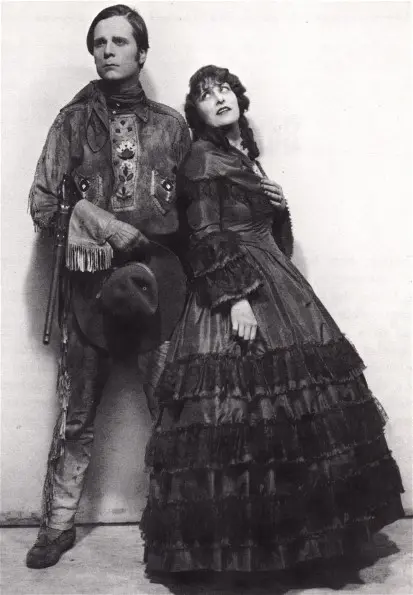
Is Fighting with Buffalo Bill (1926) worth your time in the 21st century? Short answer: Only if you are a dedicated archivist or a Western obsessive who can tolerate the primitive, repetitive storytelling of the silent serial format.
This film is specifically for those who want to study the evolution of the Western genre and the early mechanics of the Hollywood serial. It is absolutely not for anyone seeking a modern narrative, nuanced character arcs, or high-definition spectacle.
This film works because it captures a raw, unpolished athleticism in its stunts that modern CGI cannot replicate.
This film fails because its ten-chapter structure is essentially the same three plot points repeated until the audience surrenders.
You should watch it if you want to see the literal foundation of the Western genre's tropes before they became tired clichés.
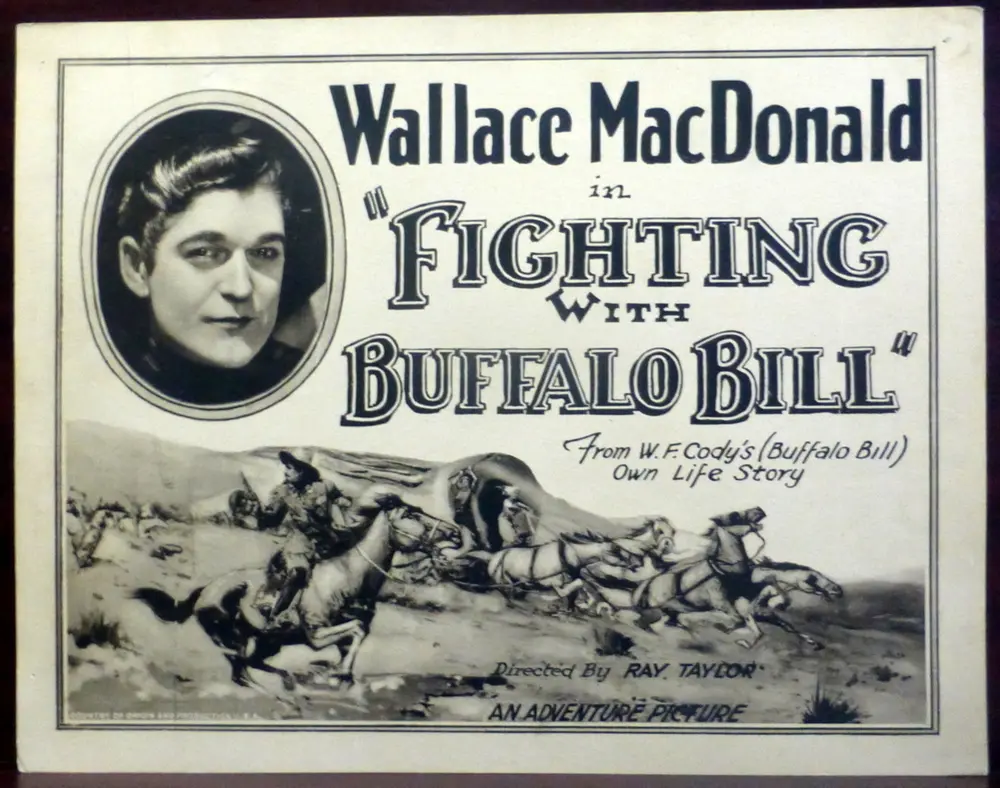
The primary challenge in reviewing a film like Fighting with Buffalo Bill is acknowledging its original delivery method. This wasn't meant to be consumed in a single sitting. In 1926, these chapters were appetizers for a main feature, designed to build tension over ten weeks. When viewed as a single entity today, the pacing feels schizophrenic. We see Ned Taylor escape a burning building in chapter three, only to find himself in a remarkably similar predicament by chapter five. The repetition is the point, but for a modern viewer, it’s a grind.
However, there is a strange, hypnotic quality to the film's simplicity. Unlike more complex dramas of the era like The Third Degree, which experimented with expressionistic camera work, Buffalo Bill stays rooted in a flat, functional aesthetic. Director Ray Taylor isn't interested in the psyche; he's interested in the movement of bodies across a landscape. The camera is often static, watching horses gallop from the far background into a dusty close-up. It’s a literalist approach to filmmaking that feels more like a documentary of a Wild West show than a scripted drama.
Edmund Cobb was a workhorse of the silent era, and here he proves why he was the go-to lead for Universal’s Western unit. He doesn't act so much as he survives. His performance is entirely physical. In the second chapter, there is a sequence involving a runaway wagon that looks genuinely dangerous. There are no safety nets or digital removals here. When Cobb leaps from a galloping horse onto the back of a moving carriage, you are seeing a level of physical risk that modern insurance companies would never allow.
Contrast this with the more refined acting in films like Slaves of Pride or The Snarl. Those films relied on facial close-ups and emotional resonance. Cobb relies on his ability to take a fall. It’s a different kind of cinema altogether. He is a proto-action star, a precursor to the likes of Buster Keaton but without the comedic timing. He is all business, all the time.
Wallace MacDonald plays Bart Thompson with a mustache-twirling intensity that borders on the parodic. Yet, in the context of 1926, this was the standard for villainy. He represents the corrupting influence of civilization on the frontier—the man who uses the law to break the law. His plan to incite the tribes is a plot device seen in dozens of films from The Kentuckians to later sound-era Westerns. It’s a cynical role, and MacDonald plays it with a sneer that you can almost feel through the screen.
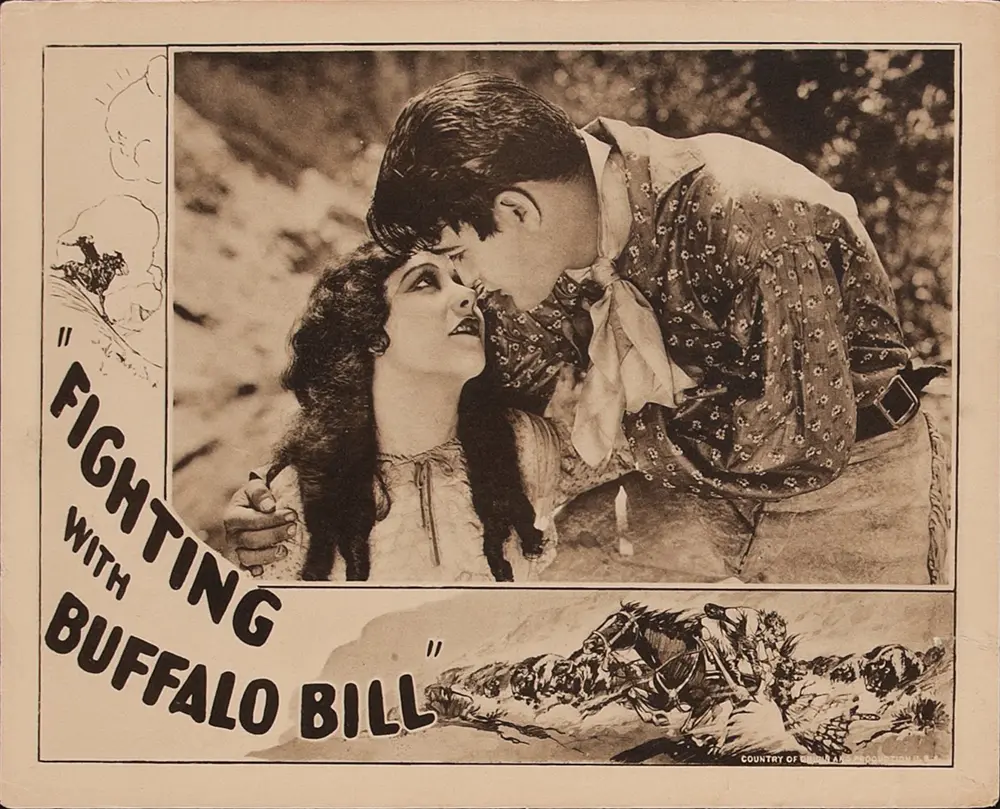
What’s fascinating is how the film treats the Native American characters. They are portrayed as a monolithic force of nature, easily manipulated by the white villain. It is a problematic, though historically accurate, reflection of the era’s prejudices. For a more nuanced look at social dynamics from the same period, one might look at The Woman God Sent, but Buffalo Bill isn't interested in nuance. It’s interested in the chase.
The cinematography by Ray G. Whale is functional. There are moments, however, where the natural light of the California locations creates a stark, beautiful contrast. A scene in chapter seven, where the riders are silhouetted against a rising ridge, shows a flashes of visual ambition. It reminds me of the outdoor grit found in Blue Jeans, where the environment becomes a character in its own right.
The editing is where the film shows its age most clearly. The transitions between the cliffhanger of one chapter and the resolution of the next are often jarring. It’s the "cheat" of the serial format: the previous chapter ends with a character seemingly falling to their death, but the next chapter begins with a slightly different angle showing they actually landed on a ledge. It’s a dishonest form of storytelling that was the bread and butter of the industry.
When compared to international cinema of the time, such as the Swedish film Fiskebyn, Fighting with Buffalo Bill feels incredibly primitive. While European directors were experimenting with montage and psychological depth, Universal was churning out these serials like sausages. Even domestic dramas like Castles for Two or the emotional weight of The Song of the Soul offer more for a modern audience to chew on.
But there is a purity here. It is cinema stripped of its pretension. It’s about the thrill of the hunt. If you look at Mad Love, you see the birth of horror tropes; in Buffalo Bill, you see the birth of the action hero. It’s a vital piece of the puzzle, even if the puzzle itself is a bit dusty.
The most surprising element of the film is the animal acting. The horses in this film are remarkably well-trained. In several sequences, the horses seem to navigate difficult terrain with more intelligence than the human characters. They are the true backbone of the production. While films like My Pal focused on the bond between man and animal, Buffalo Bill treats the horses as high-performance machinery. They are the Ferraris of the 1920s.
Fighting with Buffalo Bill is a fascinating artifact of a bygone era. It works. But it’s flawed. It isn't a masterpiece of storytelling like some of its contemporaries, but it is a masterclass in the industrialization of cinema. It shows a studio—Universal—perfecting a formula that would sustain it for decades. If you can get past the repetitive plot beats and the dated social politics, there is a rugged charm to be found in the dust. It’s a loud, silent film that demands very little of your brain but a lot of your patience. It’s not a movie; it’s a time machine.
IMDb 6
1915
Community
Log in to comment.