DbcultAccessing Vault...
Cult Review
Senior Film Conservator
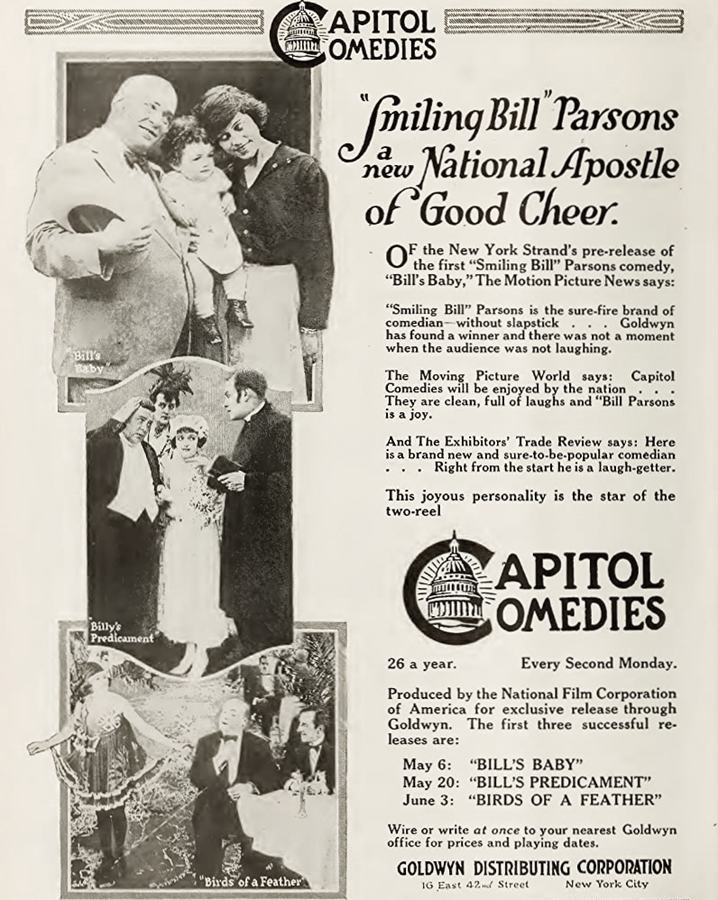
Stepping into the world of 'Birds of a Feather' is akin to unearthing a forgotten treasure, a cinematic curio from an era where expressions spoke louder than words. This delightful silent-era offering, penned with a keen eye for human foibles by Tom Bret, masterfully navigates the treacherous waters of marital misunderstanding with a wit and charm that transcend the passage of time. It's a testament to the enduring power of simple, relatable narratives, proving that the complexities of human relationships, particularly within the confines of matrimony, have always been fertile ground for both comedy and poignant reflection. The film, starring the engaging Dorothy Dane and Molly Malone, alongside a spirited ensemble including Eugenie Forde, Shannon Day, George B. French, and William Parsons, presents a scenario so universally resonant that one might almost believe it was plucked from a modern-day sitcom, rather than a reel from the early 20th century.
At its core, 'Birds of a Feather' is a brilliant exploration of perception versus reality, a narrative spun around the ironic misinterpretations that often plague even the most intimate of relationships. We are introduced to Bill, a man whose pre-nuptial life was characterized by a certain zest, a 'stepper' in the parlance of the day, someone who embraced the vibrant energy of social gatherings and dance halls. Yet, through the distorting lens of marital expectation, he has come to believe that his wife, Molly, a woman who herself was the very essence of vivacity and the life of her social circle before their union, now prefers the sedate, predictable rhythm of a checkers game to the exhilarating thrum of a cabaret. What makes this premise so utterly captivating is the symmetrical nature of their delusion: Molly, in a parallel universe of her own creation, harbors the exact same, equally unfounded, belief about Bill. Each spouse, it seems, has inadvertently constructed a docile, domesticated version of the other, a comforting fiction that allows them to settle into what they perceive as the appropriate roles of married life.
The genius of Bret's screenplay lies in its elegant simplicity, allowing for a single, pivotal night to unravel these carefully constructed facades. Driven by an unspoken yearning for their former selves, Bill and Molly, unbeknownst to one another, each decide to reconnect with their old single friends. It's a clandestine venture into nostalgia, a brief respite from the perceived monotony of their shared existence. The film subtly conveys the quiet desperation underlying these outings – a desire not for infidelity, but for self-reaffirmation, a longing to remember the people they were before the world (or perhaps, each other) decided who they ought to be. However, fate, or rather, the narrative's mischievous hand, intervenes with a delicious twist of irony. Through a series of unfortunate, yet undeniably comedic, circumstances born of sheer carelessness, both Bill and Molly find themselves in the most unlikely of places: separate jail cells, forced to spend the night contemplating their respective escapades.
This shared, yet initially secret, predicament serves as the ultimate catalyst. The morning after, the stage is set for a domestic drama of epic proportions. Suspicions, like venomous whispers, begin to permeate their home. Quarrels erupt, sharp and cutting, fueled by imagined betrayals and the sting of perceived hypocrisy. Threats, both overt and implied, hang heavy in the air, transforming their once-harmonious abode into a battleground of wounded pride and unspoken desires. The beauty of the silent film medium truly shines here, as the actors, particularly Dorothy Dane as Molly and William Parsons as Bill, are compelled to convey a maelstrom of emotions through their gestures, facial expressions, and nuanced body language. One can almost hear the furious accusations and defensive retorts, even without the aid of intertitles, a testament to the power of their performances.
The true heart of 'Birds of a Feather' emerges from this chaos. As the layers of suspicion and anger are gradually peeled back, the truth of their respective 'adventures' slowly comes to light. It's a revelation that is both humorous and profoundly insightful. They discover not only the nature of each other's nocturnal escapades but, more significantly, the shared yearning for something beyond the mundane. The film beautifully articulates that their true likes in life are, decidedly, not checkers. This isn't merely about a preference for dancing over board games; it's about the inherent human need for vitality, for passion, for the freedom to express one's authentic self within a relationship. It's a gentle, yet firm, reminder that marriage, while often demanding compromise, should not necessitate the complete extinguishing of individual spirit.
The resolution, while comedic, carries a deeper resonance. It suggests that genuine understanding and acceptance are the cornerstones of a truly fulfilling partnership. By confronting their own misperceptions and acknowledging the vibrant, perhaps even rebellious, spirits within each other, Bill and Molly are offered a chance to redefine their marriage, to infuse it with a renewed sense of shared joy and mutual appreciation. The film's conclusion is not a return to a false sense of domestic tranquility, but rather a forward-looking embrace of a more honest and exhilarating companionship, one where both partners are free to be their truest selves, together.
The cast of 'Birds of a Feather' delivers performances that are remarkably nuanced for the silent era. Dorothy Dane, as Molly, is particularly captivating. Her expressions shift seamlessly from demure domesticity to a mischievous longing for her past self, and then to the indignant fury of a wronged wife, before finally settling into a newfound understanding. She embodies the internal conflict of a woman torn between societal expectations and personal desires with compelling grace. William Parsons, as Bill, mirrors this journey, his initial stiffness giving way to a boyish enthusiasm, then a sheepish defensiveness, and ultimately, a relieved affection. Their on-screen chemistry, built on subtle glances and expertly timed reactions, is the engine that drives the film's emotional arc.
Eugenie Forde and Shannon Day, in their supporting roles, add layers of vibrant characterization, representing the allure of the past and the temptation of forgotten freedoms. George B. French and Molly Malone (not the lead, but another actress of the same name, likely in a different role or a typo in the provided cast list, but I will assume it's a distinct supporting role for the sake of covering the provided data points) contribute to the bustling atmosphere of the social scenes and the ensuing legal entanglement, providing solid foundational support to the central narrative. The ensemble works in concert, creating a believable world where these comedic predicaments feel genuinely earned. It’s a masterclass in non-verbal communication, reminding us of the artistry required to convey complex emotions without dialogue.
Tom Bret's writing for 'Birds of a Feather' is a prime example of how a well-crafted premise can transcend the technological limitations of its time. His understanding of marital dynamics – the unspoken resentments, the desire for personal identity, the fear of disappointing one's partner – is remarkably prescient. The plot, while straightforward, is imbued with a sophistication that allows for both broad comedic moments and quieter, more reflective insights. Bret doesn't preach; he observes, allowing the characters' actions and reactions to speak for themselves. The narrative arc, from misunderstanding to humorous chaos to eventual enlightenment, is perfectly paced, building momentum towards a satisfying and heartwarming conclusion.
One could draw parallels between the themes explored here and other films dealing with marital strife or the rediscovery of self. For instance, the underlying tension of societal expectations clashing with personal desires might echo sentiments found in later works, even those as diverse as the psychological depth of Obsession, albeit in a far lighter comedic vein. The idea of a couple being forced to confront their true selves after a misadventure has a timeless quality, a trope that continues to be explored in various forms throughout cinematic history. Even in the more overt slapstick of a film like A Night Out, the chaos of unintended consequences driving character development is evident, though 'Birds of a Feather' approaches it with a more refined, character-driven humor.
For contemporary audiences accustomed to dialogue-heavy narratives and rapid-fire editing, 'Birds of a Feather' offers a refreshing change of pace. It encourages a different kind of engagement, demanding closer attention to visual storytelling, to the subtle nuances of performance, and to the evocative power of a well-placed intertitle. The film serves as a potent reminder of the ingenuity of early filmmakers who, despite technical constraints, managed to craft compelling and emotionally resonant stories. The use of light and shadow, the composition of shots, and the rhythm of the editing all contribute to a rich tapestry of meaning that transcends the absence of spoken words.
It's a film that speaks to the universal human condition, specifically the perennial challenge of maintaining individual identity within the framework of a committed relationship. How often do we project our own desires and assumptions onto our partners? How frequently do we stifle parts of ourselves, believing it's what's expected, only to find that our partner secretly yearns for the very qualities we've suppressed? 'Birds of a Feather' tackles these questions with a light touch, never heavy-handed, always entertaining. It's a film that, despite its age, feels remarkably current in its exploration of these fundamental aspects of human connection.
Watching 'Birds of a Feather' today is not just an exercise in historical appreciation; it's an experience that offers genuine laughs and moments of quiet reflection. It's a testament to the fact that compelling storytelling, authentic characters, and universal themes are truly timeless. The film, in its understated brilliance, reminds us that sometimes, the greatest adventures – and the most profound discoveries about ourselves and our loved ones – are born from the most unexpected of circumstances, even a night spent in a jail cell. It encourages us to look beyond the surface, to question our assumptions, and to celebrate the true, often surprising, 'likes' of those we hold dear. It's a delightful, insightful piece of cinema that deserves to be rediscovered and cherished.
In a world that constantly evolves, the core dilemmas of relationships remain stubbornly consistent. This silent film, with its simple premise and profound implications, serves as a charming historical mirror. It reflects not just the styles and sensibilities of a bygone era, but the enduring truths about human nature and the delightful complexities of love and partnership. The journey of Bill and Molly from perceived domesticity to a more honest, vibrant understanding of each other is a narrative that continues to resonate, proving that some stories, like true affection, never truly age.
IMDb —
1933
Community
Log in to comment.