DbcultAccessing Vault...
Cult Review
Senior Film Conservator
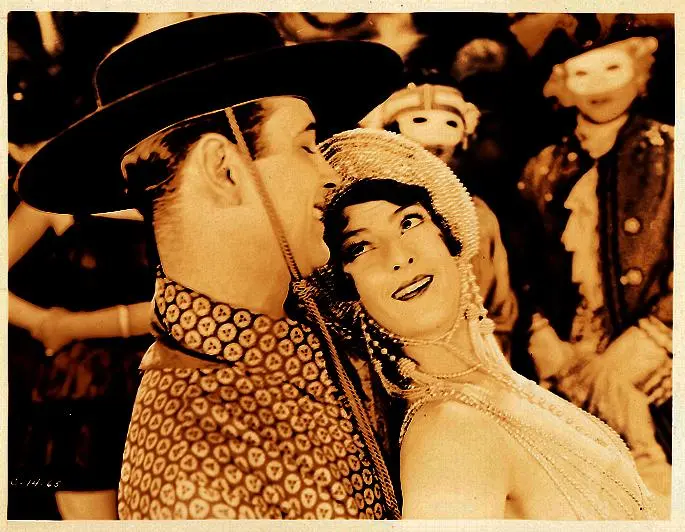
Is "Birds of Prey" (1921) worth watching today? Short answer: yes, but with significant caveats. This obscure silent film offers a fascinating, albeit brief, glimpse into early cinematic storytelling, particularly for those with a keen interest in film history and the evolution of narrative twists. It is absolutely for the cinephile, the academic, and anyone curious about how films communicated complex ideas a century ago. It is definitively NOT for the casual viewer seeking modern pacing, sophisticated dialogue, or high-definition spectacle.
The film, directed by Dorothy Howell, is a relic, yes, but one that still manages to deliver a startling narrative punch, even if its overall execution feels rudimentary by contemporary standards. Its unique premise and abrupt, almost nihilistic conclusion make it a compelling subject for discussion, even if it doesn't provide a traditionally 'entertaining' experience.
The cinema of the early 1920s was a burgeoning art form, still finding its voice without the aid of synchronized sound. Films like "Birds of Prey" relied heavily on visual storytelling, exaggerated performances, and explanatory intertitles to convey plot and emotion. This particular entry, with its concise runtime, exemplifies both the limitations and the surprising narrative daring of the era.
At its core, the film is a morality play wrapped in a heist gone wrong, but with a twist that elevates it beyond simple genre fare. It challenges audience expectations in a way that feels surprisingly modern, despite its age. The abruptness of its ending is a stylistic choice that, intentional or not, leaves a lasting impression.
The plot centers on J. Hamilton Smith, a character whose public facade as a respected metropolitan banker masks a darker past as a former prison inmate. This duality, while not deeply explored due to the film's brevity, hints at a depth of character that would become more common in later cinema. William H. Tooker’s portrayal of Smith, though constrained by the silent film acting conventions of the time, effectively communicates a sense of calculated ambition.
Smith's meticulously planned bank robbery, a “no-problem, big heist,” forms the central conflict. He surrounds himself with a gang of thieves, each presumably playing their part in this seemingly fool-proof scheme. The narrative builds a sense of impending success for the criminals, a common trope designed to heighten the stakes for the audience.
This film works because of its audacious, almost anti-narrative conclusion, which subverts every expectation of a traditional crime story.
This film fails because its brevity and the conventions of its era prevent deeper character development and thematic exploration, leaving much to the imagination.
You should watch it if you are a film historian, a student of early cinema, or someone who appreciates experimental narrative structures, even in their nascent forms.
Dorothy Howell, credited as the writer, crafted a narrative that, while simple, is remarkably impactful for its time. The direction, likely uncredited or a collaborative effort common in early studio systems, handles the limited runtime with a brisk efficiency. There's little wasted motion, and the plot moves directly towards its inevitable, catastrophic conclusion.
The pacing is surprisingly tight, especially considering the often-leisurely pace of many silent films. The film doesn't linger on the planning or the execution of the heist beyond what's necessary to establish the characters' intentions. This lean approach makes the sudden turn of events all the more jarring and effective.
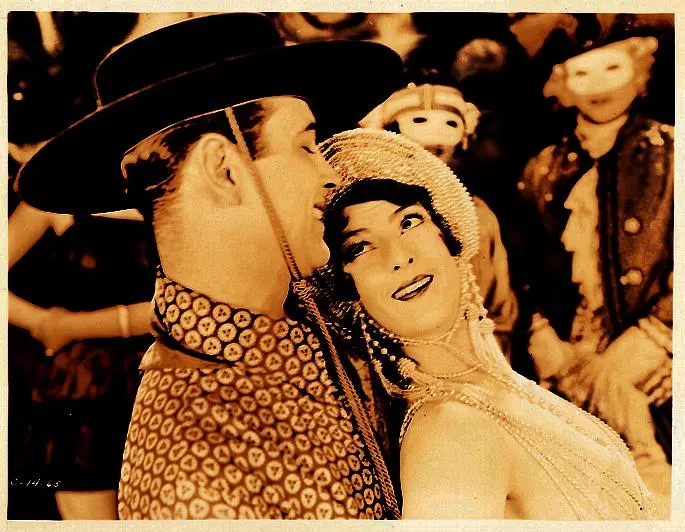
One could argue that the earthquake functions as a literal deus ex machina, an external force resolving the plot in a way no character could predict or prevent. However, given the film's title and its likely thematic intentions, it feels more like an act of cosmic justice or a commentary on the insignificance of human greed against the backdrop of natural power. It’s a bold choice. It works. But it’s flawed.
The cast, including Hugh Allan, Ben Hendricks Jr., Sidney Bracey, and Priscilla Dean, deliver performances typical of the silent era. Acting in these films was often characterized by broad gestures, exaggerated facial expressions, and clear physical pantomime to convey emotion and intent without dialogue. William H. Tooker, as J. Hamilton Smith, likely embodied the archetypal calculating villain, his expressions shifting from confident scheming to perhaps a flicker of panic as the world literally crumbles around him.
While modern audiences might find these performances quaint or even comical, it's crucial to appreciate them within their historical context. These actors were pioneers, developing a new language of performance for a new medium. Their ability to communicate complex ideas through non-verbal cues was paramount. Think of the intense focus in a close-up of Tooker's eyes as Smith, conveying his ruthless determination without a single word.
The ensemble's collective demise in the earthquake, while brief, would have required a coordinated effort to convey chaos and terror. This speaks to the logistical challenges of early filmmaking, even for a short, seemingly straightforward scene of destruction.
Details on the specific cinematography are scarce, but we can infer much from the era. Silent films typically employed a fixed camera, with occasional pans or tilts. Lighting would have been functional, designed to illuminate the actors and sets clearly, often with a stark contrast that suited the dramatic narratives. Intertitles, designed by Dorothy Howell, would have been crucial, not just for dialogue but for setting scenes, explaining motivations, and, in this case, announcing the cataclysmic event.
The depiction of the earthquake itself would have been achieved through practical effects, perhaps miniatures, shaking sets, or clever editing. The effectiveness of such a scene, even a century ago, relied heavily on the audience's willingness to suspend disbelief and the film's ability to convey the sheer scale of the disaster. The sudden, violent shaking, followed by the immediate aftermath of destruction and implied loss of life, would have been a powerful visual shock for contemporary viewers.
"Birds of Prey" stands as a fascinating artifact of early cinema. It showcases a willingness to experiment with narrative structure and to deliver conclusions that defy conventional expectations. In an era where many films offered clear moral lessons or triumphant endings, the film's fatalistic conclusion is remarkably bold. It’s a testament to the early industry's creative spirit, even in what might have been considered a B-picture.
The film’s thematic exploration of fate versus free will, and the ultimate power of nature over human ambition, is surprisingly profound for its time. It echoes sentiments found in literature and philosophy, reminding us that even the most meticulously planned human endeavors can be rendered meaningless by forces beyond our control. This universal theme ensures its continued relevance, even if its presentation is dated.
One could compare its sudden, impactful ending to later narrative curveballs, demonstrating that the desire to shock and surprise audiences is a timeless cinematic impulse. While not as sophisticated as, say, the narrative subversions of a film like The Show (1927), the intent is clearly there.
Absolutely, for the right audience. If you approach "Birds of Prey" not as a modern blockbuster, but as a historical document and an early experiment in narrative audacity, it offers genuine value. It is a compact, punchy example of how silent films, despite their technical limitations, could deliver compelling and even shocking stories.
It serves as an excellent case study for understanding the evolution of film language, acting styles, and thematic concerns in the pre-sound era. Its unique twist is a prime example of a film taking a dramatic risk, even if it feels jarring to modern sensibilities.
"Birds of Prey" (1921) is more than just an old film; it’s a cinematic curiosity, a historical document that speaks volumes about the nascent art form's daring spirit. While it won't resonate with every viewer, its unique narrative twist—a sudden, unpreventable act of nature wiping out all human ambition—is a testament to early filmmakers' willingness to subvert expectations. It’s a stark, almost brutal piece of storytelling that, for the discerning viewer, offers a valuable lesson in cinematic history and the enduring power of a truly unexpected ending. Give it a watch if you appreciate the foundational experiments of the silver screen; otherwise, you might find its silent conventions and abrupt conclusion a bridge too far.
IMDb —
1914
Community
Log in to comment.