DbcultAccessing Vault...
6.5/10
Senior Film Conservator
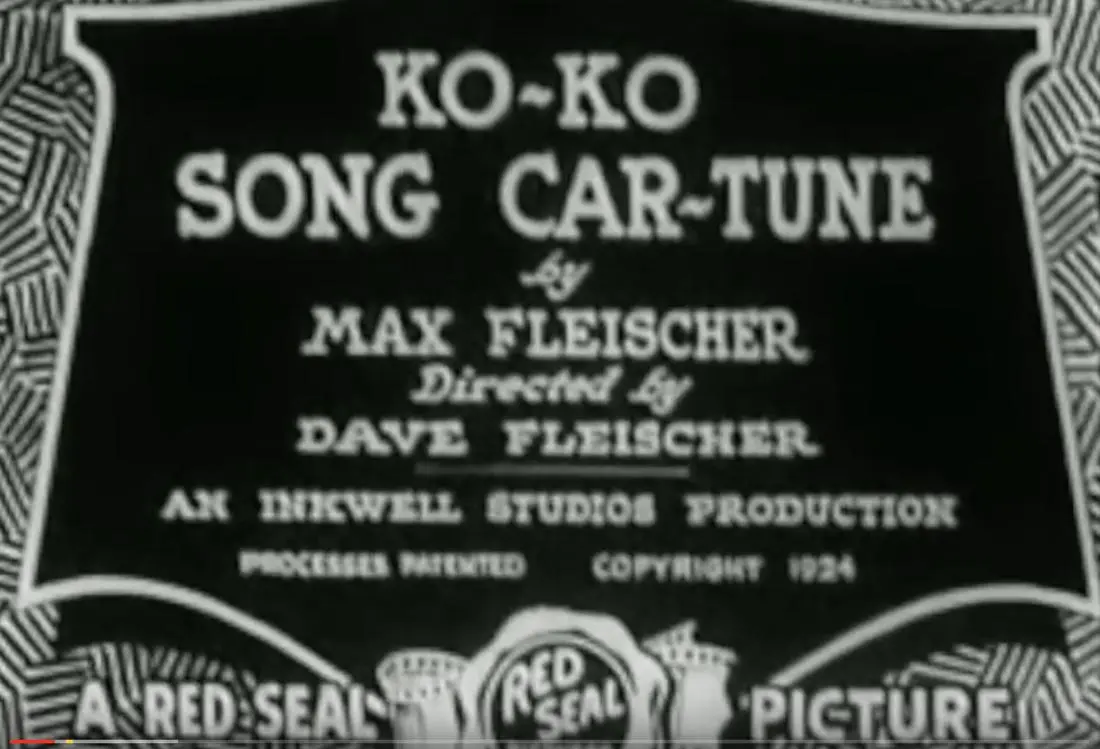
A definitive 6.5/10 rating for a film that redefined the boundaries of cult cinema. Come Take a Trip in My Airship remains a cornerstone of transgressive art.
In the grand tapestry of cinematic history, certain threads, though seemingly modest, prove indispensable for understanding the broader fabric. Dave Fleischer’s 1929 animated short, Come Take a Trip in My Airship, is precisely such a thread – a vibrant, audacious experiment that, despite its brevity, resonates with profound significance. It’s not merely a film; it’s a portal to an era of unbridled innovation, a testament to the nascent magic of synchronized sound, and a delightful precursor to interactive entertainment. Far from being a forgotten curio, this piece represents a pivotal moment in the evolution of both animation and audience engagement, a singular achievement that daringly broke the fourth wall long before it became a narrative trope.
At the heart of Come Take a Trip in My Airship lies an ingenious, yet deceptively simple, concept: the 'bouncing ball.' This isn't just a quaint visual gimmick; it's a stroke of genius that redefined the relationship between screen and spectator. Prior to the advent of synchronized sound, musical accompaniment in cinemas was a live affair, often performed by pianists or full orchestras. The arrival of talkies, while revolutionary, initially presented a challenge for communal singing. How could an audience, accustomed to following sheet music or a live leader, participate in a recorded musical performance? The Fleischer brothers, Dave and Max, found the answer in this animated guide, a small, white sphere that literally bounced over the lyrics displayed on screen. This innovation transformed passive viewing into active participation, cultivating an unprecedented sense of communal joy and shared experience. It democratized performance, making every viewer a potential crooner, a vital member of Ko-Ko’s impromptu glee club. The simplicity of its execution belies the profound impact it had, establishing a template for audience-centric entertainment that would echo through decades, from karaoke to interactive digital media.
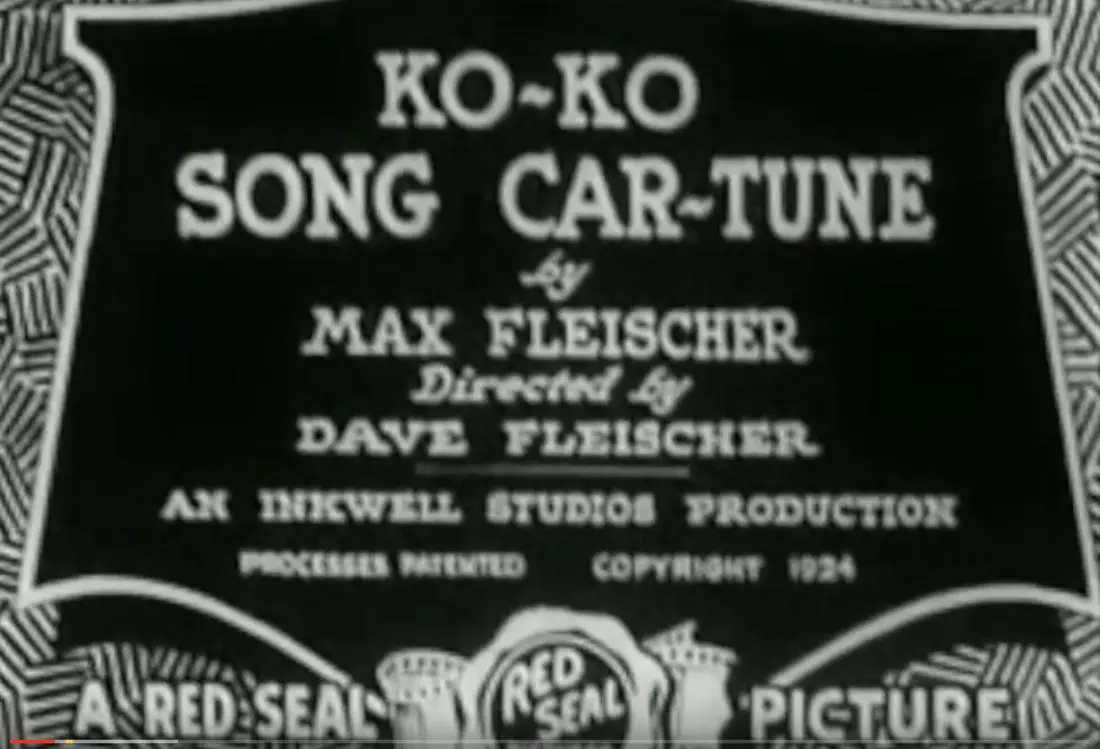
The star of this whimsical endeavor is none other than Ko-Ko the Clown, a character born from Max Fleischer's rotoscoping invention. Ko-Ko, with his distinctive rubber-hose limbs and expressive features, embodies the playful anarchy characteristic of early Fleischer Studios productions. In Come Take a Trip in My Airship, Ko-Ko isn't merely a figure dancing to the tune; he's the charismatic conductor of the entire experience. He and his animated glee club don't just sing; they invite, they cajole, they lead with an infectious enthusiasm that transcends the monochrome palette of the film. His movements, fluid and cartoonishly exaggerated, are perfectly synchronized with the jaunty melody, providing both visual delight and a subtle, non-verbal encouragement for the audience to join in. Ko-Ko, in this context, becomes more than a character; he’s a facilitator, a bridge between the animated world and the eager audience, personifying the very spirit of inclusive entertainment that the bouncing ball mechanism sought to foster.
The visual language of Fleischer Studios, even in these formative years, possessed a distinct charm that set it apart from its contemporaries. While Disney was perfecting fluid character animation and narrative clarity, Fleischer embraced a more surreal, often vaudevillian aesthetic. Their characters, particularly Ko-Ko, frequently broke the laws of physics, stretching and morphing with a delightful elasticity that felt inherently playful. The animation in Come Take a Trip in My Airship, while focused on the functional aspect of the bouncing ball, still showcases this unique style. The backgrounds are relatively simple, allowing the focus to remain on the lyrics and Ko-Ko, yet there's an underlying dynamism in the way the characters move and interact. The synchronization of the animation with the musical track, a remarkable feat for its time, further underscores the technical mastery of Dave Fleischer and his team. This wasn't just about drawing frames; it was about orchestrating a complete audio-visual experience that felt seamless and engaging, pushing the boundaries of what early sound cartoons could achieve.
To fully appreciate the singular nature of Come Take a Trip in My Airship

IMDb —
1933
Community
Log in to comment.