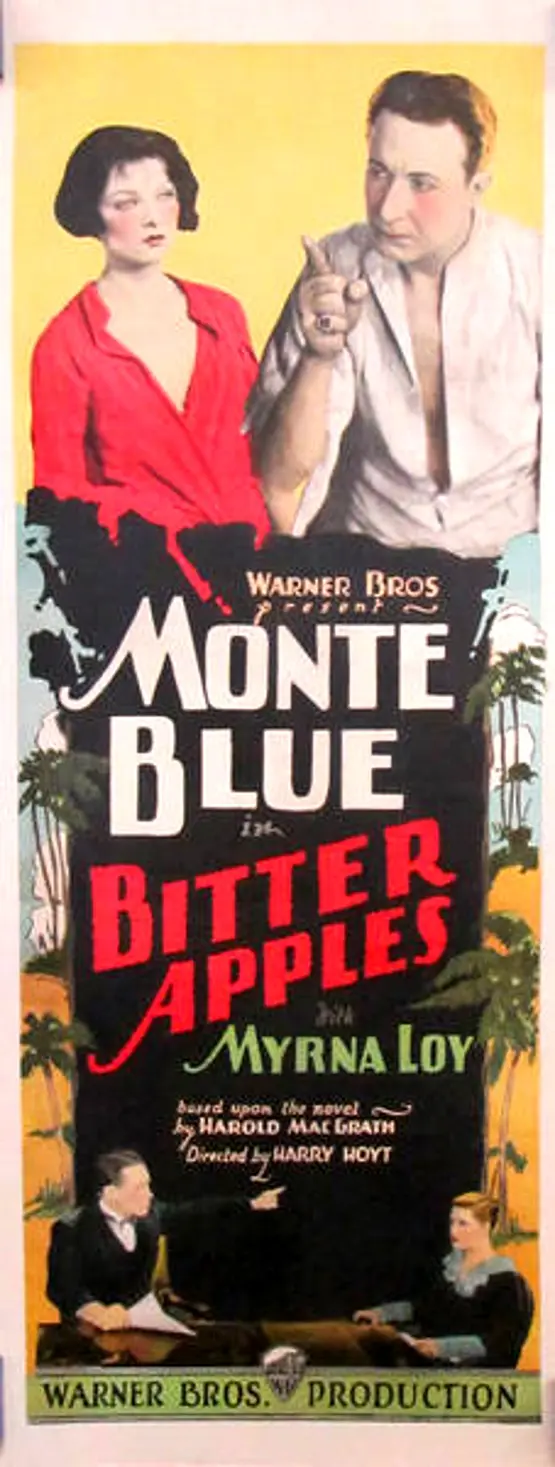
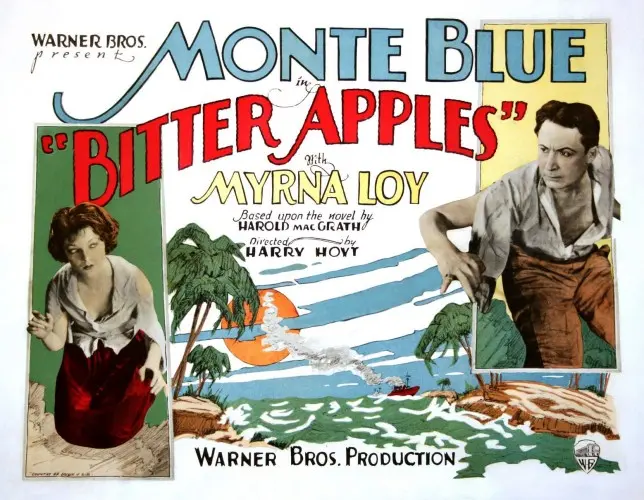
A definitive 7.4/10 rating for a film that redefined the boundaries of cult cinema. Bitter Apples remains a cornerstone of transgressive art.
Is Bitter Apples a Silent Film Worth Unearthing in the Modern Age?
Is Bitter Apples a silent film worth unearthing in the modern age? Short answer: yes, but with significant caveats. This melodrama is a compelling watch for enthusiasts of early Hollywood and those fascinated by the nascent stages of cinematic storytelling, yet it will likely test the patience of viewers accustomed to contemporary pacing and narrative conventions.
This film is for the cinephile who appreciates historical context, the subtle artistry of silent acting, and narratives steeped in classic dramatic irony. It is not for those seeking rapid-fire plots, complex character psychology, or dialogue-driven exposition. Consider it a historical artifact that still pulsates with human emotion, albeit through a very particular lens.
The Unfolding Drama of Inherited Debt and Vengeance
Directed by Joe De Grasse and written by Harold McGrath and Harry O. Hoyt, Bitter Apples plunges us into a world where financial ruin begets personal tragedy, and tragedy, in turn, fuels a relentless quest for retribution. The narrative begins with the death of John Wyncote's father, leaving John to grapple with a bankrupt estate.
His cold, calculated decision to liquidate all assets, facilitated by attorney Thorden, has devastating ripple effects. One such effect is the suicide of an investor, an act that leaves his two children orphaned and consumed by a burning desire for revenge against the Wyncote family.
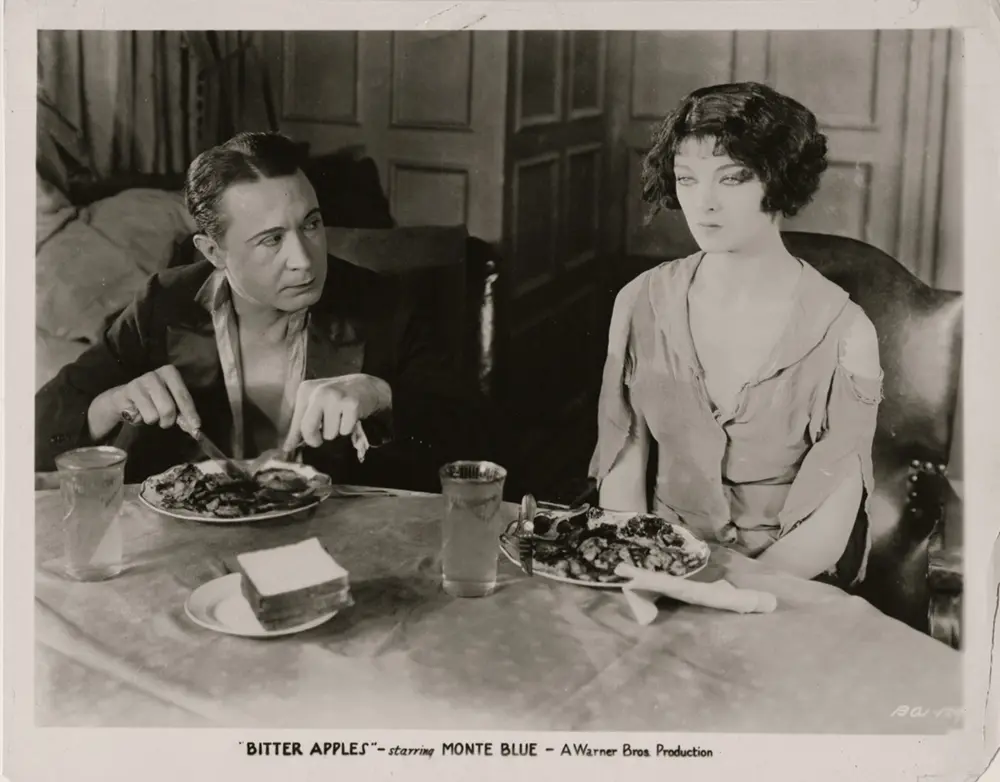
Scene from Bitter Apples
Cinematic perspective: Exploring the visual vocabulary of Bitter Apples (1927) through its definitive frames.
The film then meticulously builds on this premise, exploring the intertwined destinies of the Wyncote heir and the vengeful siblings. It’s a classic setup for a melodrama, relying heavily on visual storytelling and the exaggerated expressions of its actors to convey internal turmoil and external conflict.
The strength of this setup lies in its universal themes: the burden of inherited sin, the corrosive nature of vengeance, and the often-unforeseen consequences of purely business-driven decisions. While the plot points are largely predictable to a modern audience, the execution within its historical context is often quite engaging.
A Glimpse into Early Hollywood Acting: Performance and Presence
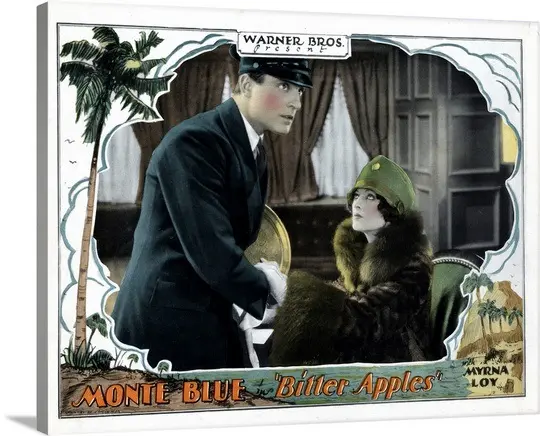
The cast of Bitter Apples, featuring names like Ruby Blaine, Monte Blue, Paul Ellis, Patricia Grey, and a young Myrna Loy, delivers performances characteristic of the silent era. Acting style at this time was a delicate balance of theatricality and nascent cinematic realism.
Monte Blue, in the role of John Wyncote, embodies the stoic, conflicted heir with a gravitas that anchors the film. His expressions, though broad by today's standards, effectively communicate the weight of his inherited burden and the moral dilemmas he faces. There’s a particular scene where he receives the news of the investor’s suicide; Blue’s subtle shift from detached concern to dawning realization is a masterclass in silent film nuance.
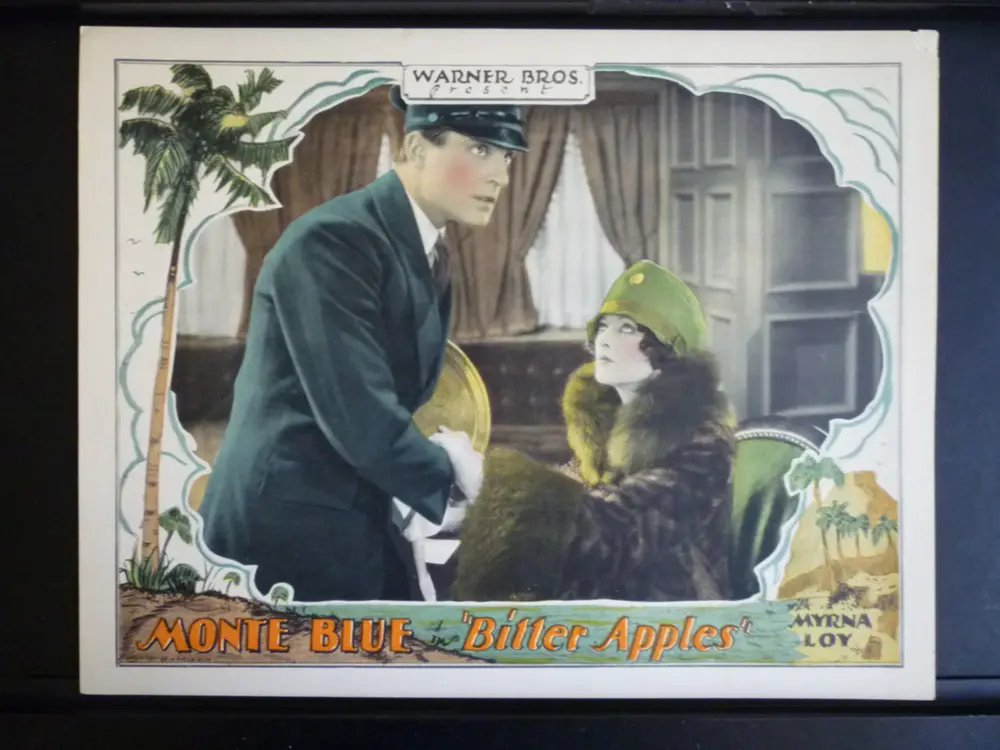
Scene from Bitter Apples
Cinematic perspective: Exploring the visual vocabulary of Bitter Apples (1927) through its definitive frames.
Myrna Loy, even in her early career, demonstrates a captivating screen presence. While her role might not be as central as some of the others, her ability to convey emotion through posture and gaze hints at the star she would become. Her eyes, even without dialogue, speak volumes, suggesting a depth of character that transcends the often-simplistic archetypes of the era.
Conversely, some performances lean heavily into the melodramatic, occasionally bordering on caricature. This is not necessarily a flaw of the actors themselves but rather a reflection of the prevailing acting conventions. The siblings seeking revenge, for instance, often employ gestures that might elicit unintended chuckles from a contemporary viewer, yet they were likely intended to convey fierce resolve and righteous indignation.
The challenge for silent film actors was immense: to tell a story, develop a character, and evoke empathy without the aid of spoken words. The best among them, like Blue and Loy, managed to do so with remarkable skill, proving that true talent transcends technological limitations. Their performances are a crucial window into how emotions were amplified and communicated in a pre-sound cinematic landscape.
Directorial Vision and Cinematographic Craft
Joe De Grasse’s direction in Bitter Apples is competent, if not groundbreaking. He understands the visual language of silent cinema, utilizing close-ups to emphasize emotional states and wider shots to establish setting and convey the scale of the drama. The camera work, while static by modern standards, is deliberate and serves the narrative effectively.
Scene from Bitter Apples
Cinematic perspective: Exploring the visual vocabulary of Bitter Apples (1927) through its definitive frames.
There's a noticeable attention to composition, particularly in scenes depicting the Wyncote estate, which visually contrasts the family's former grandeur with their current financial plight. The use of shadow and light, a hallmark of early cinematography, is employed to heighten dramatic tension, such as in the dimly lit offices where John makes his fateful decisions.
One particularly effective sequence involves the montage of the investor's decline. De Grasse uses quick cuts and intertitles to convey the man's spiraling despair, culminating in the stark, impactful shot of his suicide. This sequence, while brief, is a powerful example of how silent films could compress narrative and emotional impact into a short span of screen time.
However, the film's visual language can also feel rudimentary at times. Pacing, dictated by the rhythm of intertitles and the need for actors to convey emotion slowly, might feel ponderous. While De Grasse makes good use of what he has, the film doesn't push the boundaries of cinematic expression in the way some of its contemporaries might have. It’s a solid, functional piece of filmmaking for its era, rather than a visually inventive one.
Pacing, Tone, and Thematic Resonance
The pacing of Bitter Apples is undeniably slow, especially when viewed through a modern lens. Silent films operate on a different temporal rhythm, allowing scenes to unfold with a deliberate slowness that emphasizes reaction and emotional resonance over rapid plot progression. This isn't a flaw, but a characteristic that requires a shift in viewing expectation. The film truly takes its time to establish the initial tragedy and the subsequent motivations for revenge, laying a methodical foundation for the conflict to come.
Scene from Bitter Apples
Cinematic perspective: Exploring the visual vocabulary of Bitter Apples (1927) through its definitive frames.
The tone is classic melodrama: earnest, heightened, and often morally didactic. There's a clear delineation between good intentions and bad outcomes, between victims and those perceived as perpetrators. The film doesn't shy away from depicting the raw anguish of loss or the simmering intensity of a vengeful spirit. This straightforward emotionality is part of its charm; there's little cynicism or postmodern irony here, just pure, unadulterated drama.
Thematic resonance is where Bitter Apples truly shines. It explores the idea of inherited guilt—how the actions of one generation can irrevocably scar the next. John Wyncote is a man burdened not by his own misdeeds, but by the financial mismanagement of his father. This distinction, however, is lost on the vengeful siblings, who see only the Wyncote name as the source of their suffering. This exploration of collective blame versus individual responsibility gives the film a surprisingly enduring philosophical core.
It also delves into the destructive nature of revenge, a trope that has fueled countless narratives across history. The film suggests that while the pursuit of vengeance may offer a temporary sense of purpose, it ultimately consumes those who wield it, often leading to further tragedy. This moral clarity, typical of the era, makes the film's message potent even today.
Direct Answer Block: Does Bitter Apples Work?
This film works because... it captures the raw emotional power of early melodrama, showcasing strong performances from actors like Monte Blue and Myrna Loy, and exploring timeless themes of revenge and inherited consequence with earnest conviction.
Scene from Bitter Apples
Cinematic perspective: Exploring the visual vocabulary of Bitter Apples (1927) through its definitive frames.
This film fails because... its pacing can be excruciatingly slow for contemporary viewers, and some of the acting leans too heavily into silent-era theatricality, occasionally undermining the emotional impact.
You should watch it if... you are a dedicated student of film history, an admirer of silent cinema, or someone who appreciates a straightforward, emotionally driven drama that prioritizes character expression over rapid plot twists.
Is This Film Worth Watching Today?
Absolutely, but with the right mindset. Bitter Apples is a valuable historical document, offering a window into the narrative conventions and acting styles of 1920s cinema. It’s a compelling example of how stories of human frailty and ambition were told before the advent of sound.
For those who rarely venture into silent film, it could be a challenging but rewarding experience. It demands patience and an appreciation for visual storytelling. The narrative, while simple, is effective, and the performances are often captivating. It works. But it’s flawed. Its historical significance alone makes it worthy of examination.
Key Takeaways
Best for: Silent film enthusiasts, students of early cinema, fans of classic melodrama.
Not for: Viewers seeking fast-paced action, complex modern narratives, or dialogue-heavy films.
Standout element: Monte Blue's nuanced performance as John Wyncote and Myrna Loy's early, captivating screen presence.
Biggest flaw: The extremely deliberate pacing, which can feel tedious to a modern audience.
Pros and Cons
Pros:
Strong Thematic Core: Explores timeless ideas of revenge, inherited guilt, and the ripple effects of financial decisions.
Historical Value: Offers a fascinating glimpse into 1920s filmmaking techniques and acting styles.
Engaging Performances: Particularly from Monte Blue and Myrna Loy, who elevate the material.
Clear Narrative Arc: Despite its age, the story is easy to follow and emotionally resonant.
Cons:
Slow Pacing: Can be a significant hurdle for contemporary viewers.
Melodramatic Acting: Some performances may feel over-the-top and dated.
Predictable Plot: The narrative adheres closely to established melodramatic tropes, offering few surprises.
Limited Visual Innovation: While competent, the direction doesn't push cinematic boundaries.
Verdict
Bitter Apples is more than just a dusty relic; it's a potent reminder of cinema's foundational power to tell emotionally charged stories. While its deliberate pace and silent-era conventions demand a particular kind of engagement, the film rewards patient viewers with a compelling narrative of revenge and consequence. Monte Blue delivers a performance that hints at the complexity of the human spirit, even without uttering a single word, and Myrna Loy's early work is a treat to behold. It’s a film that resonates not because of its technical wizardry, but because of its unwavering commitment to human drama.
As a critic, I believe it's essential to revisit these foundational works. They inform everything that came after. Bitter Apples may not be as groundbreaking as, say, The Abysmal Brute in terms of its genre impact, but it holds its own as a solid, if somewhat understated, example of early studio craftsmanship. It’s a film that asks us to slow down, to observe, and to appreciate the fundamental artistry of moving pictures. For those willing to make that investment, the apples, though bitter, offer a surprisingly rich flavor.