DbcultAccessing Vault...
5.2/10
Senior Film Conservator
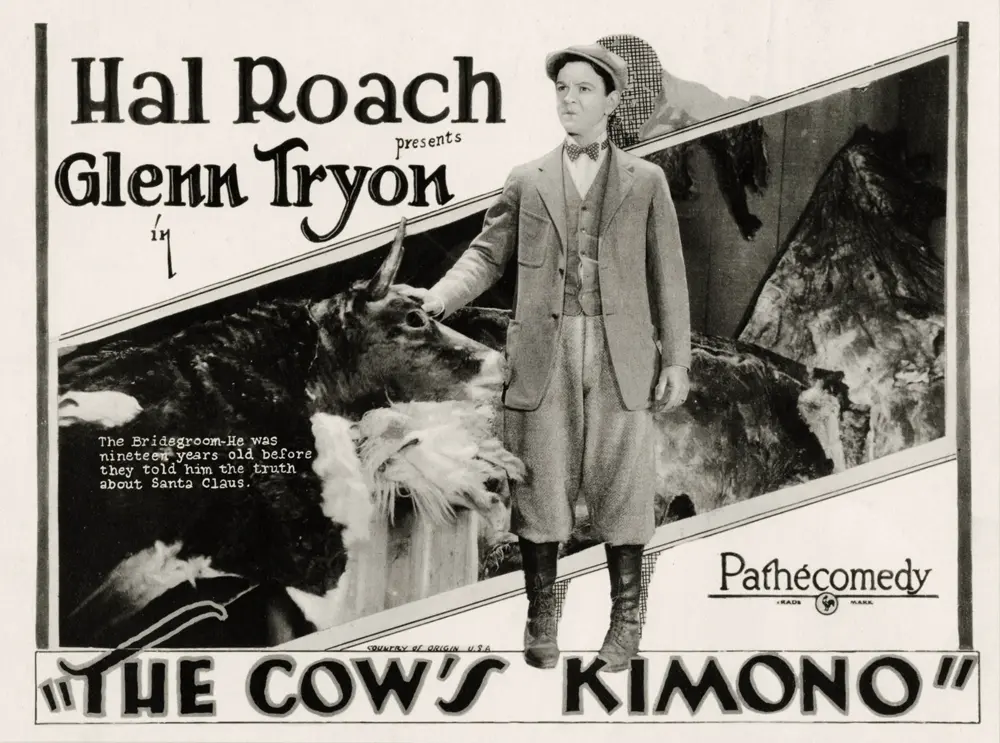
A definitive 5.2/10 rating for a film that redefined the boundaries of cult cinema. The Cow's Kimono remains a cornerstone of transgressive art.
Is The Cow's Kimono a hidden gem of the silent era? Short answer: No, it is a fascinating historical curiosity that rewards fans of slapstick but lacks the structural integrity of a true classic.
This film is strictly for silent cinema completists and those obsessed with the early, pre-Stan career of Oliver Hardy; it is emphatically not for anyone who requires a coherent plot or modern pacing to stay engaged.
1) This film works because of its relentless, rhythmic escalation of auditory-implied chaos.
2) This film fails because the central conflict—Ma’s shooting—is a one-note joke stretched to its breaking point.
3) You should watch it if you want to see how 1920s comedy transitioned from broad physical gags to situational irony.
The Cow's Kimono taps into a very specific 1920s anxiety: the failure of the American vacation. We see this theme explored in other shorts like The Duck Hunter, where the promise of nature is subverted by the incompetence of the protagonists. Here, the 'flivver' automobile acts as a mechanical metaphor for the couple's social standing. It is barely functional, much like their plans for relaxation.
When they finally arrive at the ranch, the shift in tone is jarring. The cinematography by the uncredited cameraman captures the wide-open spaces with a sense of isolation rather than freedom. The introduction of 'Ma' (Charlotte Mineau) is the film's turning point. Mineau plays the role with a terrifying, blank-eyed commitment to her 'night-spells.' The moment she begins firing her pistols into the air while the couple tries to sleep is a masterclass in silent film timing. It isn't just about the shooting; it's about the reaction shots of Glenn Tryon, whose face becomes a canvas of urban neuroticism.
Many modern viewers come to this film seeking Oliver Hardy. It is important to temper expectations. Hardy is a supporting player here, yet his presence is undeniable. Even in this early stage, his ability to use his physicality to convey a sense of exasperated dignity is visible. He doesn't need a bowler hat to be funny; he just needs a situation that is slightly beneath him.
Compare his performance here to his work in Golf. In both films, Hardy acts as a comedic anchor. While Glenn Tryon provides the high-energy, frenetic movement, Hardy provides the weight. It is the contrast between the two that keeps the ranch scenes from devolving into pure noise. The chemistry isn't quite at the Laurel and Hardy level, but the sparks of brilliance are there. It works. But it’s flawed.
The Cow's Kimono is worth watching if you are a student of film history. It provides a clear window into the 'guest ranch' craze of the 1920s. The film uses simple gags to critique the middle-class desire for 'authentic' experiences. It is a short, punchy experience that won't waste your afternoon.
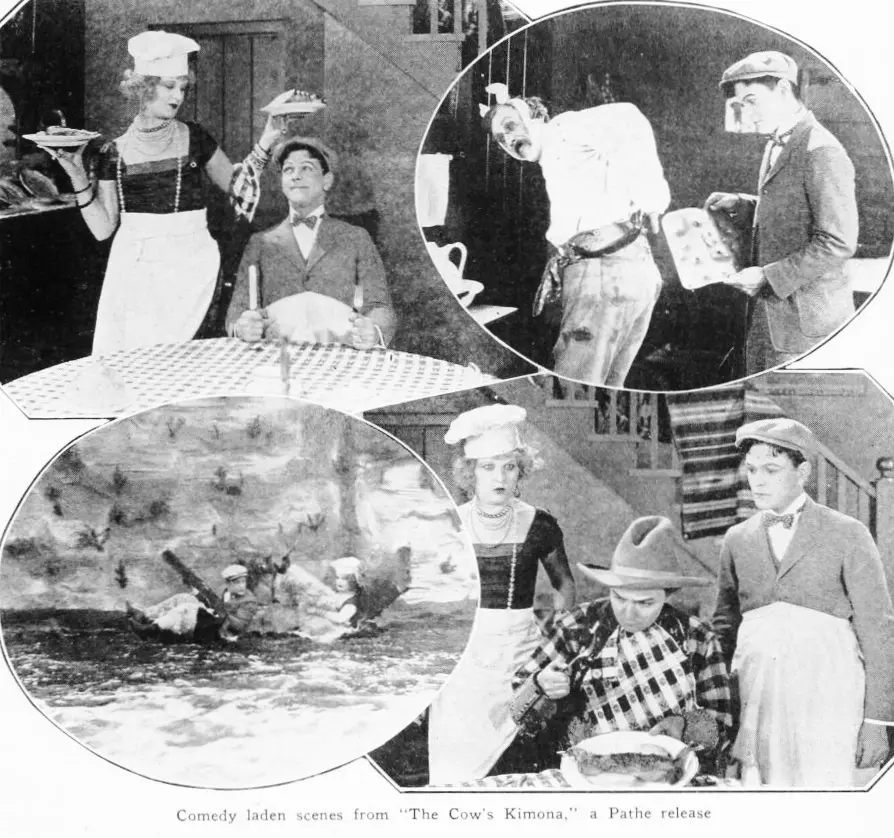
The pacing of the film is its biggest hurdle. The journey to the ranch takes up a significant portion of the runtime, and while the 'flivver' gags are charming, they feel like they belong in a different movie. It’s almost as if the writers had two separate ideas—a car comedy and a haunted ranch comedy—and stitched them together with twine. We see similar structural issues in A Milk Fed Hero, which also struggles to bridge its disparate acts.
However, once the shooting starts, the film finds its rhythm. The use of intertitles is surprisingly sparse, allowing the visual storytelling to take the lead. The 'night-spells' are filmed with a high-contrast lighting scheme that almost leans into the territory of German Expressionism, though it’s played for laughs. It’s an unconventional choice for a broad comedy, and it gives the ranch an eerie, purgatorial feel.
Pros:
The film moves at a brisk pace once the setting is established. The physical comedy from Glenn Tryon is athletic and impressive. It serves as a great example of the 'City Slicker' trope that would dominate comedy for decades. The car stunts, while simple, are executed with a genuine sense of danger that you don't see in modern CGI-heavy cinema.
Cons:
The ending feels abrupt, a common symptom of the short-film format of the era. Some of the racial caricatures or social stereotypes typical of 1926 may be off-putting to modern sensibilities. The film lacks the emotional heart found in the works of Chaplin or Keaton, opting instead for pure, unadulterated chaos.
One surprising observation is how the film treats the American West. In 1926, the West was still often portrayed as a place of rugged heroism, as seen in The Border Legion. The Cow's Kimono spits on that myth. The 'cow' in the title is almost irrelevant; the kimono represents the domesticity the couple tries to bring to a wild place. The West isn't a place of discovery here; it's a place where you get shot at by an old woman while trying to take a nap. It is a brutally simple subversion of the frontier spirit.
This cynical edge is what saves the film from being a total relic. There is a palpable sense of frustration in the couple's journey. They saved for two years. They did everything right. And their reward is a rickety bed and a hail of bullets. It’s a dark premise for a comedy, and it resonates more today than perhaps it did in the roaring twenties.
The Cow's Kimono is a loud, messy, and occasionally brilliant piece of slapstick. It doesn't have the narrative depth of Lily of the Dust or the dramatic weight of Black Friday, but it isn't trying to. It is a film about the collapse of expectations. While it may not be a masterpiece, it is a vital piece of the puzzle for anyone trying to understand the evolution of American screen comedy. Watch it for the history, stay for the gunfire, and leave with a newfound appreciation for your own quiet neighborhood.
IMDb —
1918
Community
Log in to comment.