DbcultAccessing Vault...
6.9/10
Senior Film Conservator
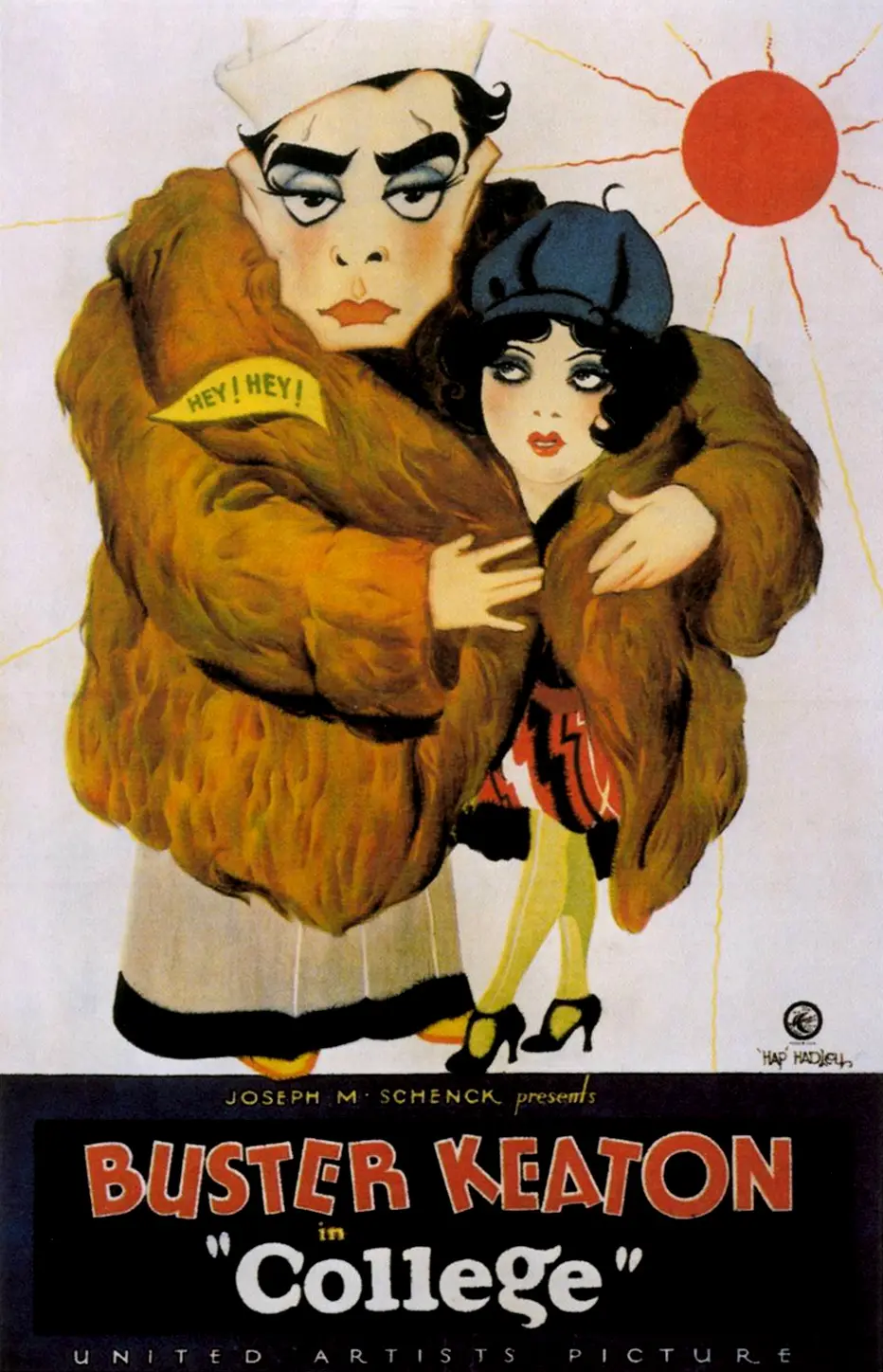
A definitive 6.9/10 rating for a film that redefined the boundaries of cult cinema. College remains a cornerstone of transgressive art.
Is College still worth your time in the 21st century? Short answer: yes, but strictly as a masterclass in physical irony rather than a narrative powerhouse. This film is for those who appreciate the poetry of a perfectly timed stumble; it is not for viewers who require a plot that moves beyond the archaic 'boy meets girl, boy loses girl, boy wins girl' formula.
While many point to The General as Buster Keaton’s magnum opus, College serves as a more intimate, albeit more conventional, exploration of the human body in distress. It is a film that asks a very simple question: can a man think his way into being an athlete? The answer, as Keaton demonstrates with his typical deadpan brilliance, is a resounding 'no'—at least not until the stakes become a matter of life and death. It works. But it’s flawed.
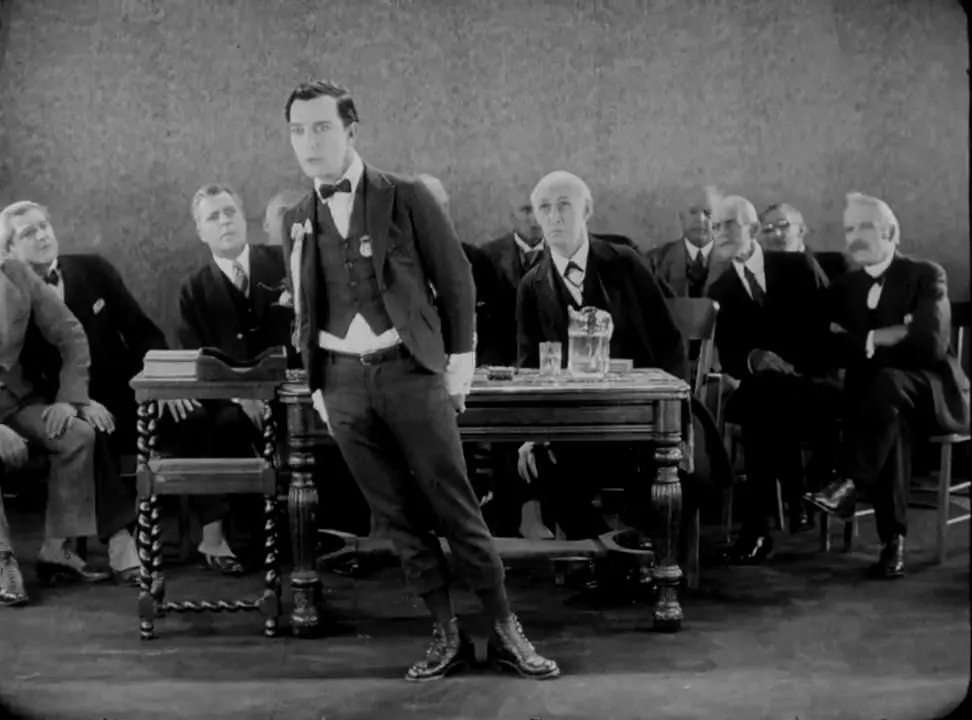
1) This film works because it weaponizes Buster Keaton's actual athletic genius to simulate total physical incompetence.
2) This film fails because its middle act leans too heavily on repetitive sports gags that lack the structural escalation of his best work.
3) You should watch it if you want to see the exact moment silent comedy transitioned from pure slapstick into character-driven satire.
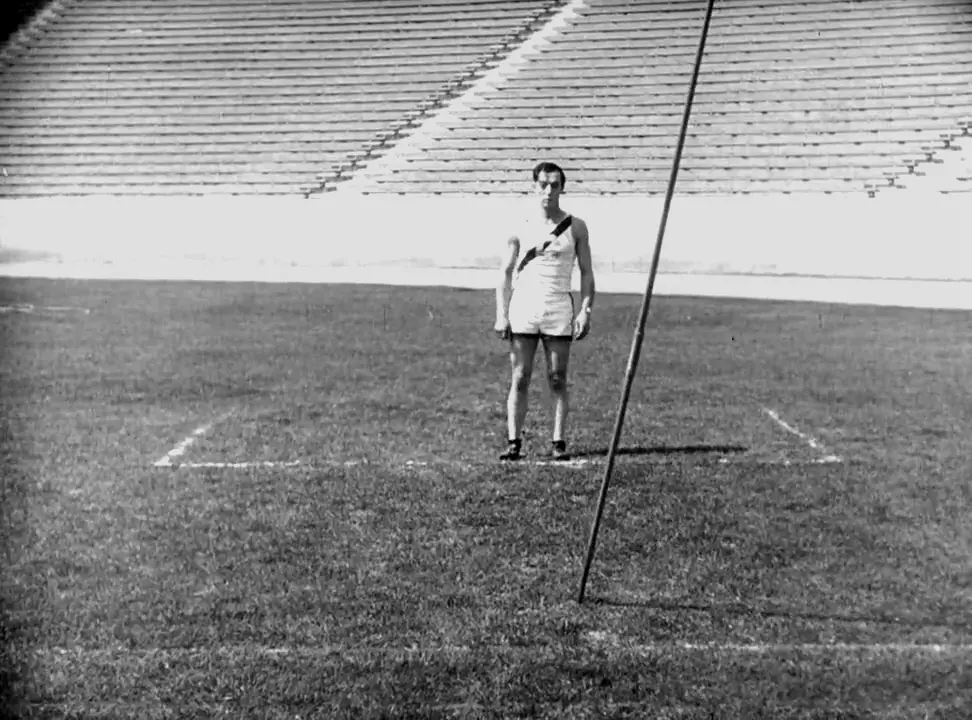
In College, Keaton plays Ronald, a bookworm who views sports with the same disdain a cat views a bath. The irony, of course, is that Keaton was perhaps the most gifted athlete in the history of cinema. To watch him fail at the high jump or the pole vault is to watch a master musician intentionally hitting the wrong notes. It requires more skill to fail as convincingly as Keaton does here than it does for most actors to succeed.
Take the baseball sequence, for example. Ronald stands at the plate with the stiff, uncoordinated posture of someone who has only ever read about the concept of a 'swing' in a textbook. When the ball finally comes, his reaction is a split-second too late, resulting in a physical comedy beat that feels grounded in real-world physics. Unlike the more surreal gags found in The Daffy Dill, the humor in College is derived from the friction between Ronald’s intellectual ego and the cold, hard reality of gravity.
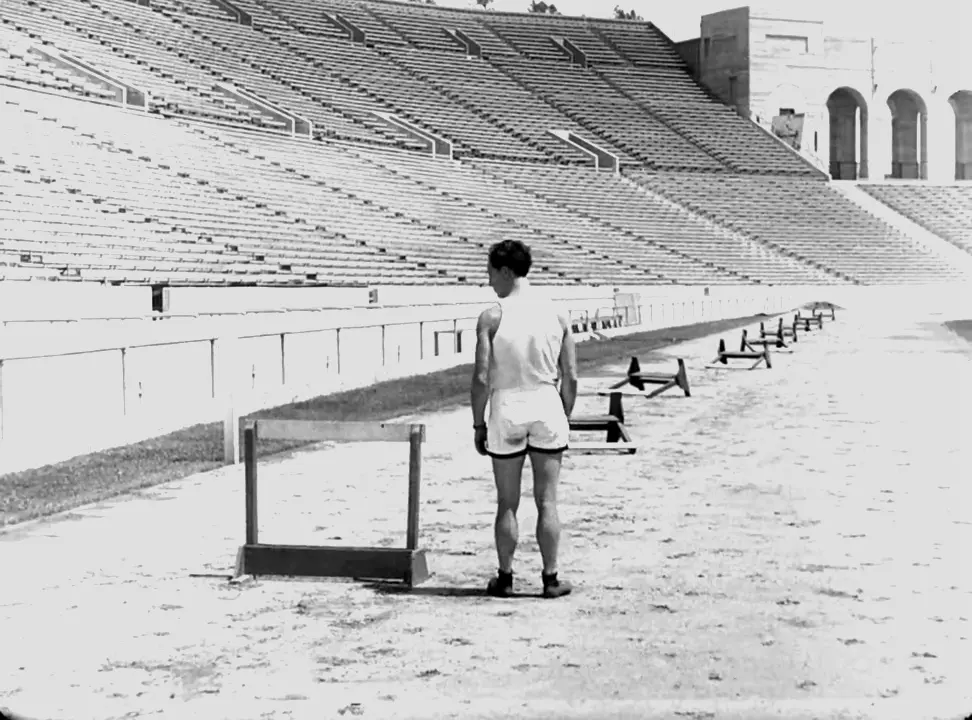
The pacing of these failures is relentless. Keaton doesn't just fail once; he fails in a variety of ways that highlight the specific mechanics of each sport. In the track and field segment, his attempt at the hurdles is a ballet of disaster. He doesn't just trip; he interacts with the hurdles as if they were personal enemies. This isn't just slapstick; it's a character study of a man who is fundamentally at odds with the physical world.
One of the more surprising elements of College is its sharp, if subtle, critique of the idolization of the athlete. In the opening scenes, Ronald’s mother is seen working herself to the bone to pay for his education, while the 'popular' students are depicted as vacuous, muscle-bound bullies. This creates a genuine sense of pathos for Ronald, even when he is being insufferable about his own intelligence.
The film captures a specific American anxiety of the era: the fear that the 'thinking man' was being replaced by the 'sporting man.' While films like The Pace That Thrills celebrated the raw adrenaline of speed and competition, College views it through a lens of skepticism. Ronald only participates in sports because he is coerced by social pressure and the threat of romantic loss. It’s a cynical take on the 'college experience' that still feels relevant today.
However, the film’s stance is complicated by its ending. To win the girl, Ronald must eventually become the very thing he loathed. Is the film suggesting that intellectualism is insufficient? Or is it suggesting that a true man must be both? The final sequence, where Ronald uses his newly 'failed' skills to save Mary, suggests a synthesis of the two, but the path there is paved with a lot of bruised dignity.
Yes, College is worth watching because it contains some of the most technically demanding physical comedy ever filmed. Even if the plot feels thin compared to modern standards, the sheer craftsmanship of the stunts provides a level of entertainment that CGI cannot replicate. It is a vital piece of film history that showcases a genius working within the constraints of a commercial formula.
If you are a fan of silent cinema, this is an essential entry. If you are new to the genre, it serves as a perfect 'entry-level' film because its themes of social inadequacy and athletic failure are universal. It lacks the experimental spirit of Look Out Below, but it makes up for it with a clear, relatable emotional core.
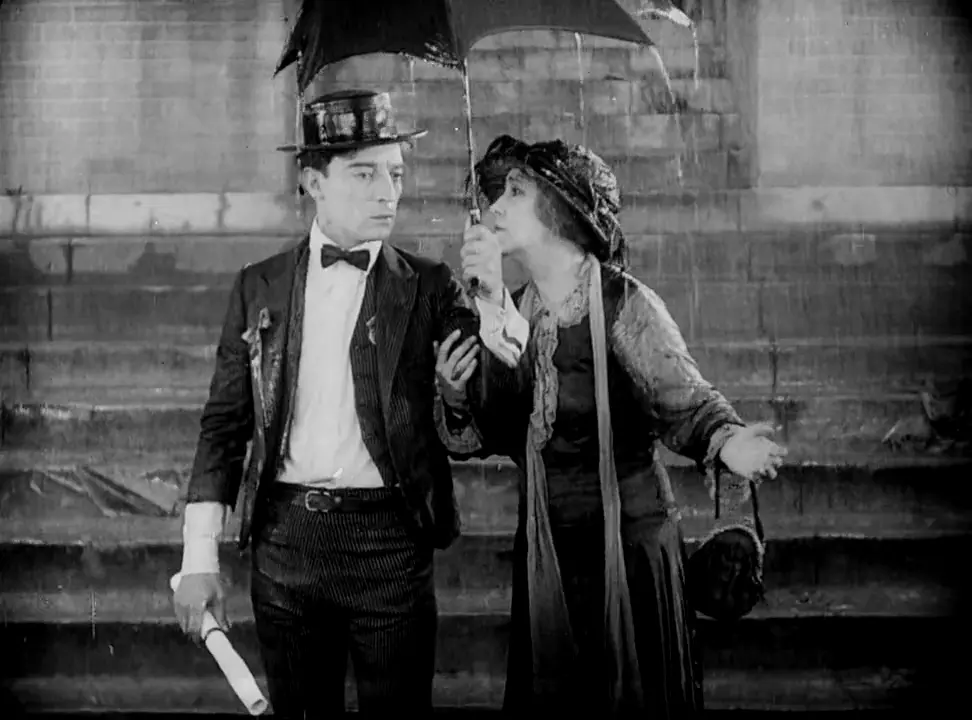
The cinematography in College, handled by Bert Haines and Devereaux Jennings, is remarkably clean. Unlike the chaotic energy of The Bike Bug, the camera here is often static, allowing Keaton’s full-body movements to tell the story. This 'wide-shot' philosophy is what makes Keaton’s comedy so effective; you know there are no wires, no trick cuts, and no doubles. When he falls, he falls.
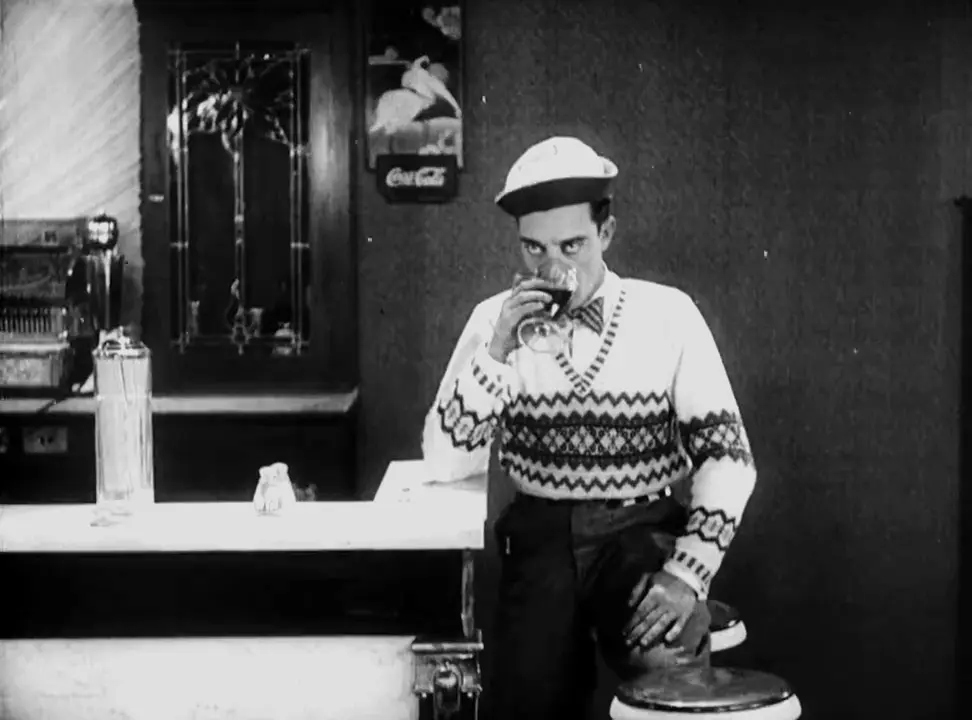
The directing, credited to James W. Horne (though Keaton’s fingerprints are everywhere), is efficient. The film doesn't waste time on subplots. Every scene is designed to move Ronald closer to his inevitable physical confrontation. Even the quieter moments, like the 'soda jerk' sequence where Ronald tries to look cool while making a malted milk, are choreographed with the precision of a clockmaker. The way he flips the canisters and spills the powder is a masterclass in 'controlled chaos.'
One cannot discuss the technical side without mentioning the blackface sequence. It is a jarring, uncomfortable moment that halts the film’s momentum and serves as a reminder of the era's deep-seated prejudices. While some historians argue it was a common trope of the time, it remains a significant stain on the film's legacy and makes it a difficult watch for modern audiences. It is a brutal reminder that even geniuses are products of their time.
Pros:
The pole vaulting stunt is genuinely jaw-dropping and was performed by Keaton himself without a net. The film’s brevity (roughly 66 minutes) ensures it never overstays its welcome. Keaton’s facial expressions—or lack thereof—remain the gold standard for deadpan humor.
Cons:
The character of Mary is essentially a trophy with no agency of her own. The rival, Jeff, is a one-dimensional villain who lacks the charm of Keaton’s better antagonists. The aforementioned blackface scene is a major deterrent for contemporary viewers.
College is a minor work from a major artist, but a 'minor' Keaton film is still better than 90% of the comedies released today. It lacks the epic scale of his more famous works, but it possesses a rhythmic beauty in its portrayal of human failure. While it doesn't reach the heights of The Pace That Thrills in terms of pure excitement, it offers a more nuanced look at the ego of the intellectual.
The film is a fascinating time capsule of 1920s campus life, filled with boisterous energy and a surprisingly cynical edge. It captures the desperation of wanting to belong and the absurdity of the lengths we go to for love. Keaton is a god of motion, and even when he is playing a man who can’t move correctly, he is the most captivating person on screen. It’s a flawed gem, but a gem nonetheless.

IMDb —
1914
Community
Log in to comment.