DbcultAccessing Vault...
6.8/10
Senior Film Conservator
A definitive 6.8/10 rating for a film that redefined the boundaries of cult cinema. Jim la houlette, roi des voleurs remains a cornerstone of transgressive art.
Is Jim la houlette, roi des voleurs still a relevant watch in the modern era? Short answer: yes, but only if you appreciate the specific eccentricity of 1920s French farce and can tolerate a narrative that prioritizes slapstick over logic.
This film is for the dedicated silent cinema enthusiast who wants to see the early evolution of the 'imposter' trope. It is absolutely not for anyone who requires high-octane action or a plot that holds up to rigorous scrutiny.
Before we dive into the technical nuances of Roger Lion’s direction, let’s establish the core reality of this production. This is a film that lives and dies by its performances rather than its script.
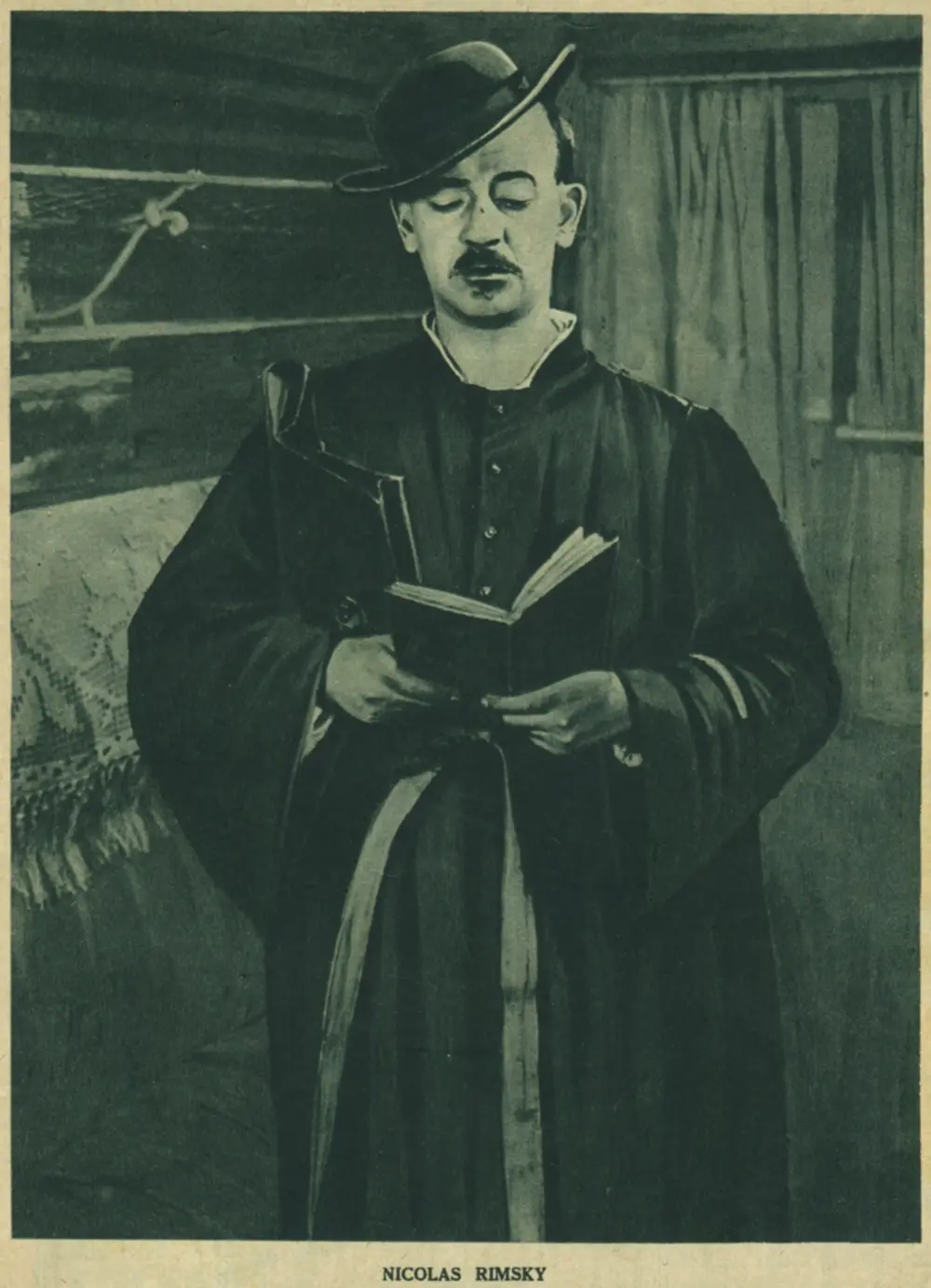
1) This film works because of Nicolas Rimsky’s impeccable physical timing and the way he portrays Moluchet’s internal conflict between loyalty and desire.
2) This film fails because the second-act transition from social satire to crime caper is jarring and relies on characters making bafflingly stupid decisions.
3) You should watch it if you enjoy the lighthearted, theatrical style of films like The Chauffeur or the situational irony found in Behind the Front.
The film opens with a premise that feels surprisingly modern: the celebrity who produces nothing. Philibert Bretonneau is the 1920s version of a social media influencer, a man famous for being famous, while the actual 'content' is generated by a low-paid subordinate.
The dynamic between Bretonneau and Moluchet is the strongest element of the first half. We see Bretonneau preening for his fans while Moluchet is hunched over a desk, literally writing the man’s legacy. It is a cynical look at the publishing world that feels as sharp today as it did in 1926.
One specific scene highlights this beautifully: Bretonneau receives praise for a particularly moving passage in his latest book, and he accepts it with a smug nod, while the camera cuts to Moluchet in the background, his face a mask of weary resignation. It’s a quiet moment of visual storytelling that works better than any title card could.
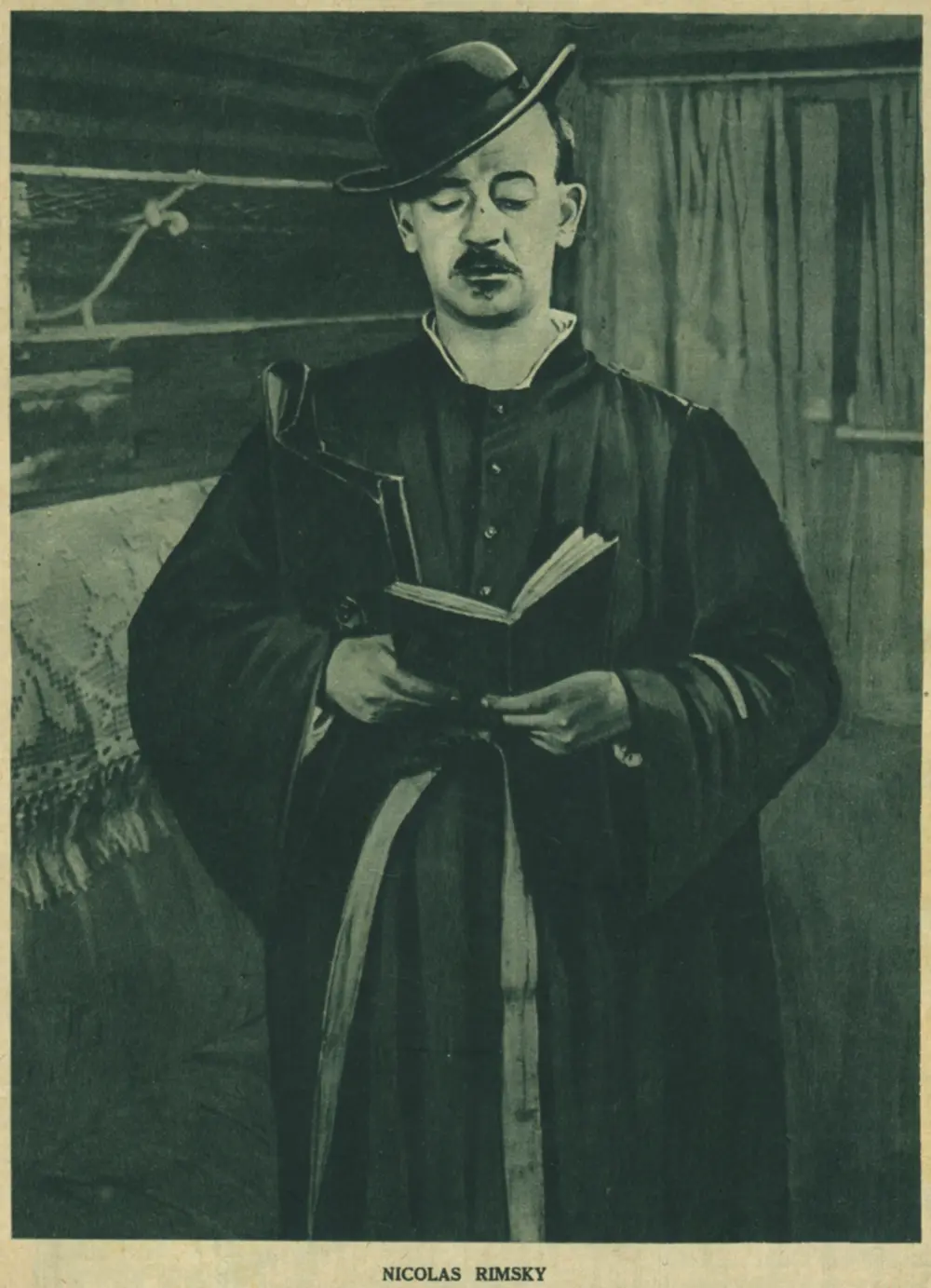
Nicolas Rimsky, as Moluchet, is the engine that keeps this film moving. In an era where many actors still relied on overly broad theatrical gestures, Rimsky brings a certain pathetic charm to the role. He isn't just a clown; he is a man trapped by his own social standing.
When he is forced to impersonate Jim la houlette, his transformation is hilarious precisely because it is so unconvincing. He tries to adopt a menacing swagger, but his knees remain slightly bent, and his eyes dart around in terror. It’s a masterclass in 'acting like a bad actor.'
Contrast this with the stoicism seen in The Oath of Stephan Huller. While that film uses silence to build dread, Jim la houlette uses it to build a sense of frantic, mounting absurdity. Rimsky’s face is a rubberized landscape of anxiety.
Gaby Morlay was one of the biggest stars of French cinema, and her presence here elevates what could have been a thankless 'damsel' or 'trophy wife' role. As Pauline, she isn't just an object of Moluchet’s affection; she is the only person in the film who seems to have any sense of the reality around her.
Morlay has a way of looking at her screen husband, Bretonneau, with a mixture of affection and pity that tells the audience everything they need to know about their marriage. She knows he’s a fraud, but she’s part of the machinery that keeps him afloat.
In the scenes where she interacts with Moluchet, there is a subtle warmth. There is a specific moment where she adjusts his tie, and for a split second, you see the possibility of a different life for both of them. It’s a brief flash of genuine humanity in an otherwise broad comedy.
The narrative pivot occurs when the publisher, Saint-Lévy, decides to manufacture a crime. This is where the film moves into the realm of pure farce. The plan is so transparently foolish that it requires the audience to suspend an immense amount of disbelief.
The scene where Moluchet encounters the real Jim is the film's climax, but it’s also its most frustrating point. The real Jim is played with a standard villainous flair, but the interaction between the two is brief. Moluchet’s decision to let him go is meant to show his inherent kindness (or perhaps his cowardice), but it feels like a missed opportunity for a more complex character beat.
Compared to the tension in Il castello del diavolo, the 'danger' here is strictly for laughs. The stakes never feel truly high, even when Moluchet is facing arrest. We know the truth will come out, and this lack of genuine peril is what prevents the film from reaching the heights of the era's best comedies.
Roger Lion’s direction is functional, if not revolutionary. He utilizes the deep focus available in 1920s cameras to keep multiple layers of action visible. You’ll often see a primary conversation in the foreground while a secondary, comedic bit occurs in the background.
The set design of the Bretonneau estate is lavish, reflecting the decadence of the French upper-middle class. It feels lived-in, cluttered with the artifacts of a man who wants to appear cultured. This attention to detail helps ground the more ridiculous plot points.
However, the pacing in the middle third is sluggish. There are several title cards that over-explain the publisher’s plan, which slows the momentum. In silent film, if you have to explain the joke with a paragraph of text, the visual has failed. Jim la houlette suffers from this occasionally.
If you are looking for a definitive answer, it depends entirely on your patience for the 'comedy of errors' format. It works. But it’s flawed. The film is a fascinating time capsule of French social attitudes toward fame and authorship.
For those who have already seen the major works of the 1920s, like Romeo and Juliet or A Boy of Flanders, this is a worthy addition to your watchlist. It provides a lighter contrast to the heavy melodramas of the time.
The film is a reminder that the 'fake it till you make it' culture is not a 21st-century invention. It existed in the smoke-filled offices of 1920s Paris just as much as it exists on the internet today.
Pros:
Cons:
Jim la houlette, roi des voleurs is a charming, if somewhat lightweight, entry in the canon of 1920s French cinema. It doesn't have the emotional depth of Miarka, the Child of the Bear, nor does it have the historical weight of Velikiye dni Rossiiskoi revolutsii.
What it does have is a sense of fun. It is a film that doesn't take itself too seriously, even when it is making valid points about the nature of success and the invisibility of the working class. It’s a minor work, but a delightful one.
Final thought: If you can find a restored version with a proper score, the experience is significantly improved. The silence of the original can sometimes highlight the slower moments, but with the right musical accompaniment, the comedy truly sings.
IMDb 5.7
1913
Community
Log in to comment.