DbcultAccessing Vault...
4.2/10
Senior Film Conservator
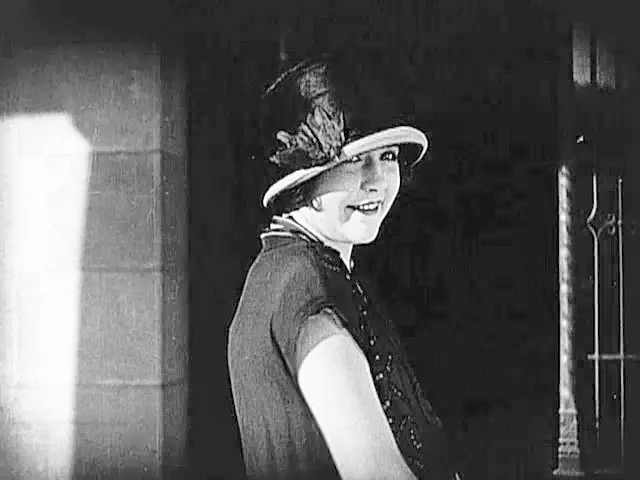
A definitive 4.2/10 rating for a film that redefined the boundaries of cult cinema. Moonlight Nights remains a cornerstone of transgressive art.
Is Moonlight Nights worth watching today? Short answer: For dedicated silent film aficionados and those curious about the roots of physical comedy, absolutely. For viewers accustomed to modern pacing and narrative sophistication, perhaps less so. This film is best suited for those who appreciate the historical context of early cinema and the unadulterated, often exaggerated, joy of silent-era slapstick. It is decidedly not for anyone seeking intricate plots, deep character development, or dialogue-driven humor.
Let’s cut straight to it. Navigating the vast landscape of silent cinema can be daunting, but some films, like Moonlight Nights, offer unique insights into the comedic sensibilities of their time. It’s a film that, despite its age and narrative simplicity, manages to elicit genuine chuckles, primarily through its commitment to physical comedy.
This film works because of its relentless pursuit of physical comedy and the surprisingly expressive performances that transcend the lack of dialogue. It delivers a pure, unadulterated form of slapstick that feels both dated and timeless in its execution.
This film fails because its narrative is thin, serving merely as a flimsy framework for a series of escalating gags. Character motivations are simplistic, and the overall impression can be one of repetitive chaos rather than sophisticated storytelling.
You should watch it if you have a genuine appreciation for the history of comedy, enjoy the broad strokes of silent-era humor, and are willing to overlook narrative shortcomings for the sake of a good, old-fashioned chase sequence.
The premise of Moonlight Nights is a familiar one, even for its era: the entitled rich kid forced to earn his keep. Our protagonist, played with an almost endearing ineptitude by Alfred Roveano, is ejected from his comfortable life and into the unforgiving world of employment. His entry into a bustling nightclub, facilitated by the rather swift dismissal of his predecessor, sets the stage for a series of escalating blunders. It’s a classic comedic setup, designed to highlight the fish-out-of-water scenario with maximum farcical impact.
The film’s pacing is typical of early silent comedies – a rapid succession of visual gags punctuated by title cards. There’s little time for lingering shots or deep introspection. Instead, the narrative propels itself forward through action, each mishap building upon the last. From knocking over trays to accidentally sabotaging performances, Roveano’s character is a magnet for disaster. This relentless pace, while occasionally feeling chaotic, ensures there’s rarely a dull moment, at least visually.
The central plot device, the missing garter belonging to the floor show’s star, is a wonderfully absurd catalyst. It’s a trivial object, yet its loss triggers a chain reaction that culminates in a full-blown street chase. This escalation from a minor inconvenience to public pandemonium is where the film truly finds its stride, embracing the inherent ridiculousness of its own premise. It’s less about a coherent plot and more about the journey through comedic mayhem, a trait shared by many of its contemporaries, such as the early works of Buster Keaton or Harold Lloyd, though perhaps without their refined precision.
The decision to have the protagonist attempt to scam customers with fake garters is a stroke of comedic genius, elevating his incompetence to a new, morally dubious level. It adds a layer of desperation that fuels the latter half of the film, making the eventual chase feel earned, even if the logic behind it is tenuous. This kind of audacious, low-stakes crime leading to high-stakes physical comedy is a hallmark of the era, and Moonlight Nights executes it with admirable commitment.
Silent film acting demands a unique skill set: exaggerated physicality, expressive facial gestures, and a profound understanding of visual storytelling. Alfred Roveano, as our hapless hero, embodies this perfectly. His performance is a masterclass in silent-era physical comedy, relying on wide-eyed confusion, frantic gestures, and a general air of bewildered panic. He’s not a character you root for in the traditional sense, but rather one you observe with a mix of amusement and mild exasperation.
Roveano’s ability to convey a character who is both utterly incompetent and surprisingly resourceful (in his ill-fated scam) is a testament to his comedic timing. He doesn't rely on subtle nuances; instead, he paints with broad strokes, ensuring every audience member, regardless of their proximity to the screen, understands the emotional beats of the scene. Consider the moment he realizes the garter is truly lost—his shift from casual indifference to frantic worry is palpable, even without a single spoken word.
The supporting cast, including Gloria Joy as the star of the floor show, and the various club patrons and staff, contribute significantly to the film’s chaotic energy. While their roles are largely reactive, their exaggerated expressions of annoyance, surprise, or anger perfectly complement Roveano’s antics. Clarence Williams and Max Asher, though given less screen time, each land their comedic beats with precision, whether it's a double-take or a frustrated gesture. It’s a collective effort in comedic synergy, where every performer understands their role in the symphony of visual gags.
One surprising observation is the sheer resilience of Roveano’s character. Despite constant failure and the escalating consequences of his actions, there's an underlying determination, a stubborn refusal to give up, that makes him oddly compelling. He’s a survivor, albeit a clumsy one, and that trait, often overlooked in the flurry of gags, gives him a sliver of depth. It’s a testament to the actors of this period that they could imbue such archetypal characters with hints of personality.
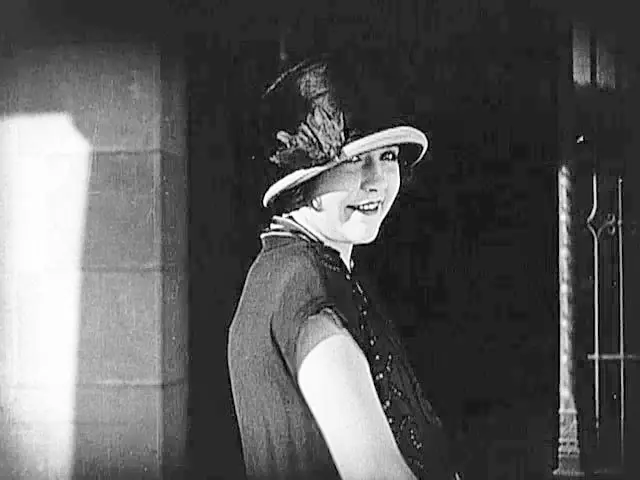
The direction in Moonlight Nights is squarely focused on facilitating visual comedy. The camera is largely static, typical of the era, allowing the actors and the set design to do the heavy lifting. However, within these constraints, the filmmakers demonstrate a keen understanding of how to frame a gag. Wide shots are used to establish the bustling environment of the nightclub, allowing multiple comedic actions to unfold simultaneously, drawing the viewer's eye to various points of interest.
Close-ups are sparingly used but effective, often highlighting a character’s shocked expression or a crucial prop, like the missing garter. The editing, while straightforward, is brisk, cutting between reactions and actions to maintain comedic momentum. There’s a particular sequence during the garter scam where rapid cuts between Roveano’s shifty eyes and the unsuspecting customers amplify the tension and humor of the moment.
The highlight of the film’s visual direction is undoubtedly the climactic street chase. This sequence is a masterclass in early action choreography, transforming mundane urban environments into dynamic obstacle courses. Carriages, pedestrians, and storefronts become props in a grand, kinetic ballet of pursuit and evasion. The camera, while still mostly fixed, is positioned to capture the breadth of the chaos, emphasizing the sheer scale of the chase as it spills out into public view. This kind of extended, high-energy chase would become a staple of silent comedy, seen in films like My Hero! or Speed Wild, and Moonlight Nights contributes a vibrant, if slightly unpolished, example.
The use of practical effects and stunt work, though rudimentary by today's standards, is genuinely impressive. The falls, collisions, and near-misses are all real, lending an authentic, if dangerous, edge to the comedy. It’s this tangible reality, the lack of digital trickery, that gives silent-era physical comedy its unique charm and enduring appeal. The director understands that the humor comes from seeing real people in ridiculous situations, and the camera is simply there to capture it.
The tone of Moonlight Nights is overwhelmingly lighthearted and farcical. It exists purely to entertain, to elicit laughter through exaggerated situations and physical comedy. There’s no heavy drama, no profound message, just a joyous embrace of absurdity. This unwavering commitment to comedic escapism is, in itself, a strength, especially when viewed through the lens of its historical context, a period often marked by social upheaval and post-war introspection.
While not explicitly thematic, the film subtly touches on the class divide and the idea of earning one's keep. The protagonist's forced entry into the working world, contrasted with his initial pampered existence, offers a comedic critique of privilege. He’s not a villain, merely a product of his environment, comically ill-equipped for the realities of labor. This underlying social commentary, while never preachy, adds a surprising layer of depth to what could otherwise be pure nonsense. It's a comedic deconstruction of the 'idle rich' trope, a common theme in early cinema.
The nightclub setting itself is a theme, representing a vibrant, slightly illicit world of entertainment and opportunity. It’s a microcosm of society, where various characters from different walks of life intersect, all contributing to the comedic tapestry. The energy of the club, even in its silent depiction, is palpable, a testament to the era's fascination with nightlife and its inherent theatricality. It’s a world that feels both glamorous and slightly chaotic, perfectly mirroring the protagonist’s journey.
The film’s tone is consistently upbeat, even during moments of near disaster. The audience is never truly meant to feel concern for the characters, only amusement at their predicaments. This unwavering focus on comedic relief is a hallmark of the genre and ensures that Moonlight Nights remains an enjoyable, if undemanding, watch. It works. But it’s flawed. Its simple charm is its greatest asset, preventing it from feeling overly ambitious or pretentious.
For contemporary audiences, the answer hinges entirely on your expectations and appreciation for historical cinema. If you approach Moonlight Nights expecting the narrative sophistication of modern film, you will likely be disappointed. Its plot is a vehicle for gags, not a deeply woven tapestry of character arcs and dramatic tension.
However, if you are a cinephile with a soft spot for the silent era, or simply curious about the evolution of comedy, this film offers genuine rewards. It’s a window into a bygone era of entertainment, showcasing the raw, physical energy that defined early slapstick. The performances, especially Roveano’s, are a joy to behold, demonstrating the unique demands and triumphs of acting without dialogue.
The film’s biggest selling point, beyond its historical value, is its sheer commitment to chaotic fun. The garter scam and the subsequent street chase are genuinely entertaining, proving that well-executed physical comedy transcends the decades. It might not be a foundational text of cinema, but it’s a spirited, engaging example of what made audiences laugh a century ago.
It's a delightful curio, a cinematic time capsule. While it won't redefine your understanding of film, it will provide a charming, often hilarious, glimpse into the comedic sensibilities of the 1920s. Think of it less as a grand narrative and more as a series of well-orchestrated comedic vignettes culminating in a spectacular chase.
Moonlight Nights is not a forgotten masterpiece, nor does it pretend to be. It is, however, a thoroughly enjoyable romp through the early days of silent comedy, buoyed by a committed central performance and a relentless pursuit of laughter through physical chaos. It offers a valuable glimpse into the comedic sensibilities of a bygone era, proving that sometimes, all you need is a rich kid, a nightclub, a lost garter, and a good old-fashioned street chase to entertain. While its narrative might be as flimsy as the counterfeit garters, its spirit is undeniably genuine. It's a film that demands little but delivers simple, unpretentious fun. For those willing to embrace its historical context and appreciate its unbridled energy, Moonlight Nights shines as a charming, if minor, star in the silent firmament.
IMDb —
1926
Community
Log in to comment.