DbcultAccessing Vault...
5.6/10
Senior Film Conservator
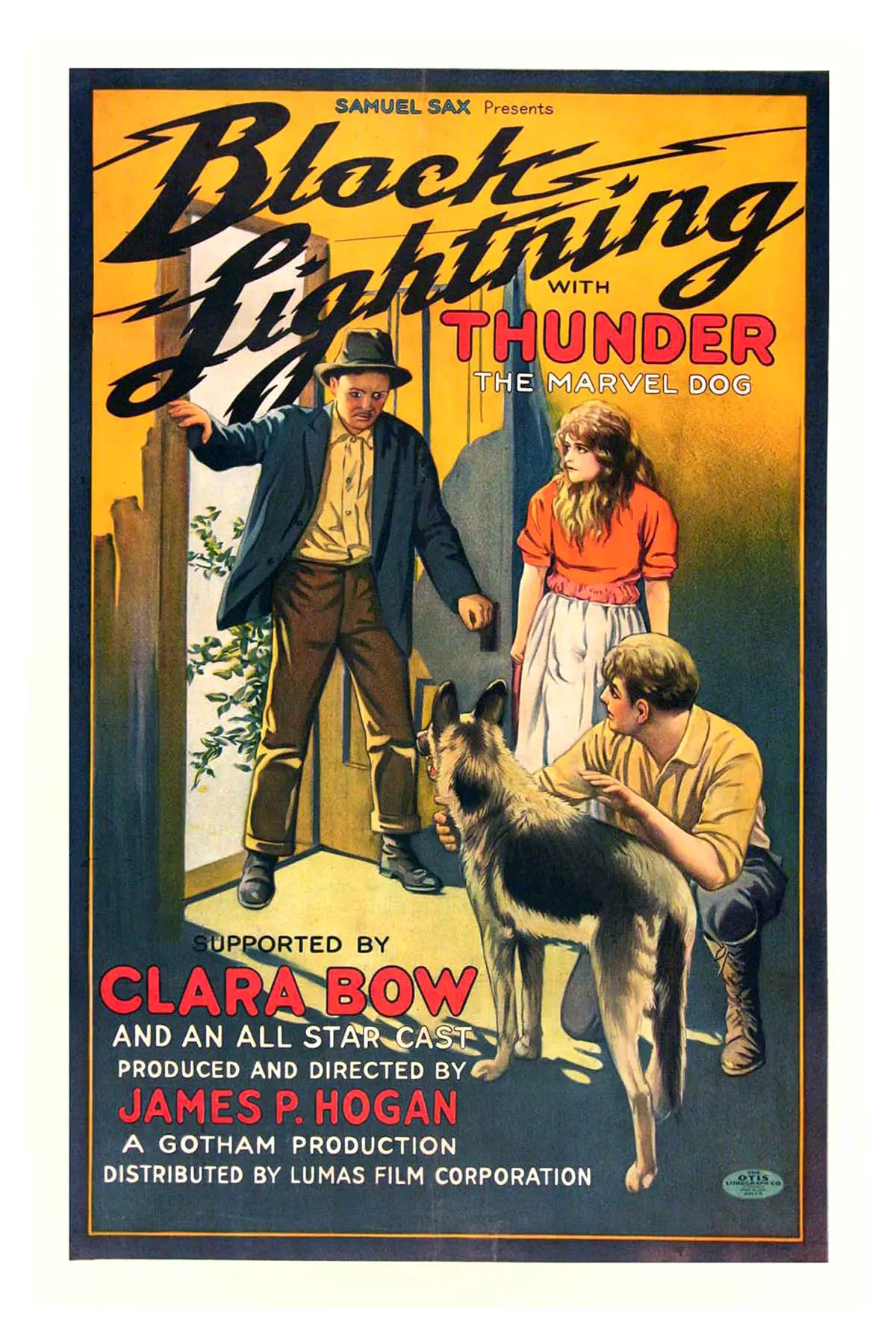
A definitive 5.6/10 rating for a film that redefined the boundaries of cult cinema. Black Lightning remains a cornerstone of transgressive art.
The year 1924 was a peculiar threshold in cinematic history, a moment when the silent medium had reached a zenith of visual storytelling just before the looming shadow of the talkies changed the syntax of the art form forever. Amidst this transition, Black Lightning emerges not merely as a relic of the past, but as a visceral exploration of the 'Lost Generation's' attempt to find footing in a world that had moved on from the horrors of the Western Front. Directed by James P. Hogan, this film is a fascinating amalgam of the 'man and his dog' subgenre and the rugged mountain melodrama that dominated the early American box office.
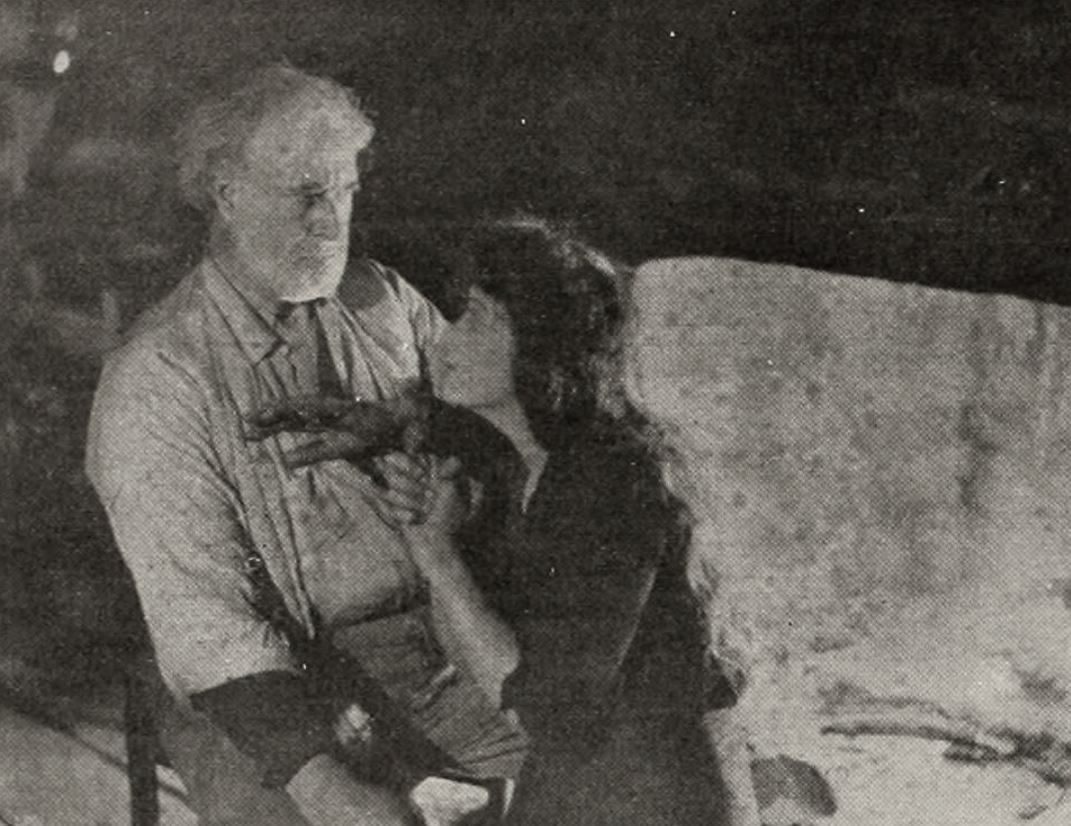
At the heart of the narrative is Ray Chambers, portrayed with a brooding, understated intensity by Jim Mason. Ray is the quintessential post-war protagonist—spiritually hollowed and physically depleted. His decision to retreat to the mountains is less about leisure and more about a desperate need for silence. However, the true star—and the character who provides the film's emotional backbone—is Thunder the Dog. In an era where Rin Tin Tin was becoming a global phenomenon, Thunder holds his own with a performance that feels less like trained tricks and more like a soulful partnership with his human co-star. The chemistry between Mason and Thunder is palpable, echoing the bond seen in contemporary works like The Whistle, where the relationship between man and beast or man and machine serves as a conduit for unspoken grief.
The film’s opening act establishes the debt Ray owes to Thunder, a debt forged in the mud of France. This backstory elevates the film above standard rural fare. It frames the mountain setting not just as a picturesque backdrop, but as a purgatory where the sins and scars of the Old World must be exorcised. Unlike the sweeping romanticism found in The Alaskan, Black Lightning treats the wilderness with a certain claustrophobic dread, a place where isolation can breed both healing and madness.
While the film is often marketed on the strength of its canine lead, the presence of a young Clara Bow as Martha Larned is what truly electrifies the screen. Even in 1924, before she became the definitive 'It Girl,' Bow possessed a magnetism that was impossible to ignore. As Martha, she portrays a mountain girl who is both vulnerable and fiercely independent. She isn't the typical damsel in distress we see in films like The Little Fool or the refined archetypes of The Career of Katherine Bush. Instead, Bow brings a raw, earthy quality to the role that feels startlingly modern.
Her performance provides a necessary warmth to the cold, blue-tinted nights of the mountain range. When Ray discovers that Martha is the sister of his deceased war buddy, the film shifts gears from a survivalist drama into a nuanced study of surrogate responsibility. The connection between them isn't immediate or saccharine; it is built on the shared ghost of Frank Larned. This thematic depth is reminiscent of the character-driven narratives in Golden Dreams, where the past acts as a persistent weight on the present.
No melodrama is complete without its villains, and in Black Lightning, we are given a truly unsettling duo in Jim and Ez Howard. The dynamic between the brothers provides a dark mirror to the loyalty shared between Ray and Thunder. While Ray and Thunder represent the best of the 'civilized' world's bond, Jim and Ez represent the regression into primal savagery that isolation can foster. Ez, played with a disturbing, erratic energy, serves as the catalyst for the film's violent climax. His presence adds a layer of 'mountain gothic' that distinguishes this film from more straightforward westerns like The Bargain.
The tension escalates when young Dick is injured, forcing Ray to leave the sanctuary of the cabin to find a doctor. This narrative device—the 'absent protector'—is a classic trope, yet Hogan handles it with a sense of genuine peril. The subsequent attack on Martha by Ez, following the fratricide of Jim, is filmed with a gritty intensity that pushes the boundaries of the era's sensibilities. It is here that Thunder truly earns his titular name, striking like lightning to defend the hearth. The canine's intervention is not just a plot convenience; it is a thematic resolution of the loyalty established in the trenches of France.
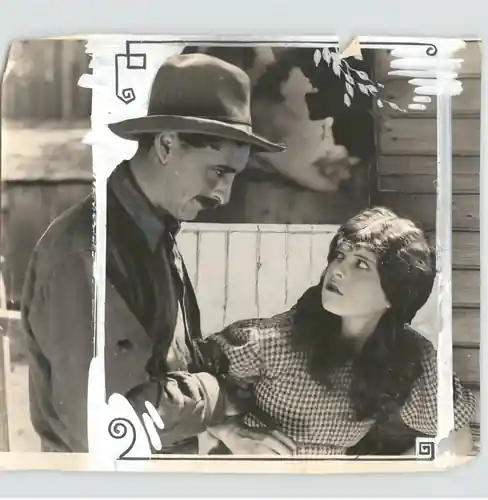
James P. Hogan’s direction is surprisingly sophisticated for a 1924 production. He utilizes the natural lighting of the mountain locations to create a stark contrast between the safety of the interior spaces and the threatening vastness of the exterior. The cinematography captures the rugged terrain with a clarity that rivals the work seen in Nan of Music Mountain. There is an economy to the storytelling; Harry Davis and Dorothy Howell’s script avoids excessive intertitles, allowing the actors’ expressions and Thunder’s physical presence to carry the narrative weight.
The editing during the climax is particularly noteworthy. The cross-cutting between Ray’s arduous journey through the storm and the escalating threat at the cabin creates a rhythmic tension that keeps the viewer engaged. This level of technical proficiency reminds me of the pacing in In Bad, though Black Lightning carries a much heavier emotional payload. The film manages to balance the 'wonder dog' spectacle with a serious exploration of post-war trauma, a feat that many of its contemporaries failed to achieve.
When placed alongside other films of the period, Black Lightning stands out for its refusal to rely solely on sentimentality. While Her First Kiss or Her Five-Foot Highness leaned into the lighter, more whimsical side of Clara Bow’s persona, this film showcases her range as a dramatic actress. It shares a certain DNA with The Halfbreed in its depiction of characters living on the fringes of society, battling both internal demons and external prejudices.
Furthermore, the film’s treatment of disability and recovery—both Ray’s psychological wounds and Dick’s physical injury—is handled with a degree of sincerity that was often missing in the more sensationalist 'medical' dramas of the time. It lacks the political artifice of A Gentleman from Mississippi, choosing instead to focus on the intimate, domestic stakes of survival. In many ways, it feels like a precursor to the modern survivalist thriller, albeit one wrapped in the aesthetic trappings of the Roaring Twenties.
As the film concludes with the marriage of Ray and Martha, it offers a sense of closure that feels earned rather than forced. The union is not just a romantic trope; it is a pragmatic alliance of two survivors who have found a reason to stop running. Thunder, ever-present, remains the silent witness to this new beginning, a symbol of the enduring power of loyalty in a fractured world.
For the modern viewer, Black Lightning is a rewarding experience. It provides a window into the early career of one of cinema’s greatest icons and showcases the incredible capabilities of animal actors in the silent era. It is a film that demands to be viewed not just as a piece of history, but as a compelling narrative in its own right. If you find yourself wandering through the archives of the 1920s, perhaps after revisiting Robinson Crusoe Hours or the suspense of Blind Man's Holiday, do not overlook this mountain tale. It is a testament to the fact that even in the silence, there is a thunderous amount of emotion to be found.
In the grand tapestry of 1920s cinema, Black Lightning may not have the avant-garde reputation of European imports, but it possesses a quintessentially American grit. It captures a nation in flux, caught between the agrarian past and an uncertain, mechanized future, all while reminding us that the bond between a man and his dog is perhaps the only thing that can truly bridge that divide. It is a cinematic experience that, much like its protagonist, finds strength in the quiet moments between the storms.
IMDb 6.2
1930
Community
Log in to comment.