DbcultAccessing Vault...
Cult Review
Senior Film Conservator
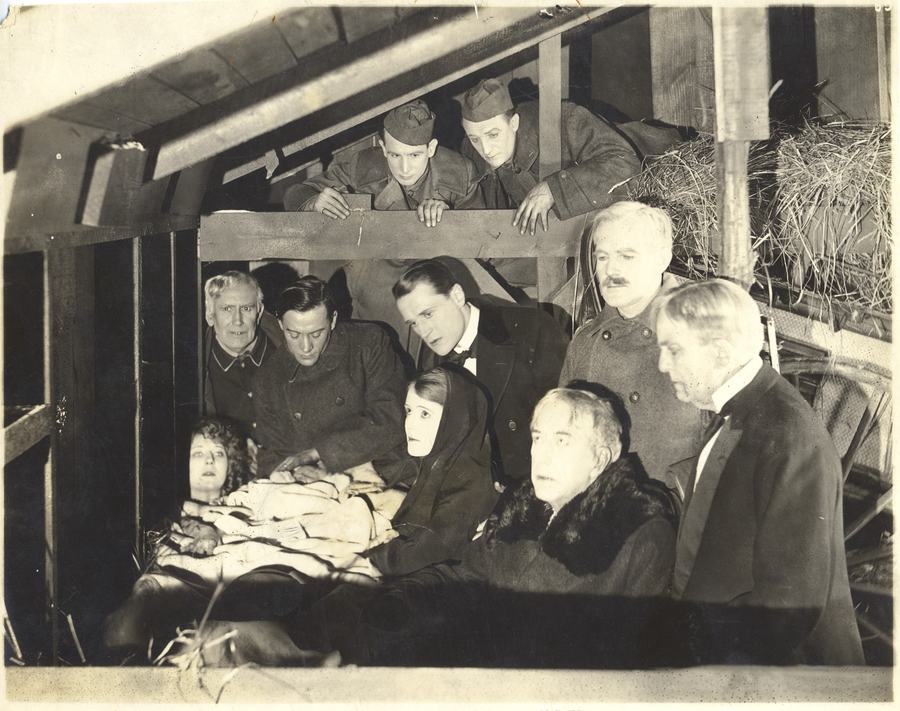
Flickering nitrate beams through the velvet dark of a century, Democracy: The Vision Restored lands like a molten coin on the retina—scorching, luminous, impossible to pocket without consequence. Director William Nigh orchestrates a danse macabre of ticker tape and tulle, where every upward pan across steel girders feels like a prayer to modernity, every iris-in on Maurine Powers’ iris-blue eyes a referendum on who gets to blink first in the stare-down between capital and conscience.
Strip away the bespoke three-piece suits and you find the ur-myth of America eating its own offspring: patriarchal titan, rapacious scion, insurgent woman with a printing press. Yet Nina Wilcox Putnam’s scenario scribbles graffiti across that myth—instead of a lone cowboy, we inherit a cooperative horizon. Each intertitle, letter-pressed on simulated parchment, reads like marginalia in Das Kapital annotated by Jay Gatsby.
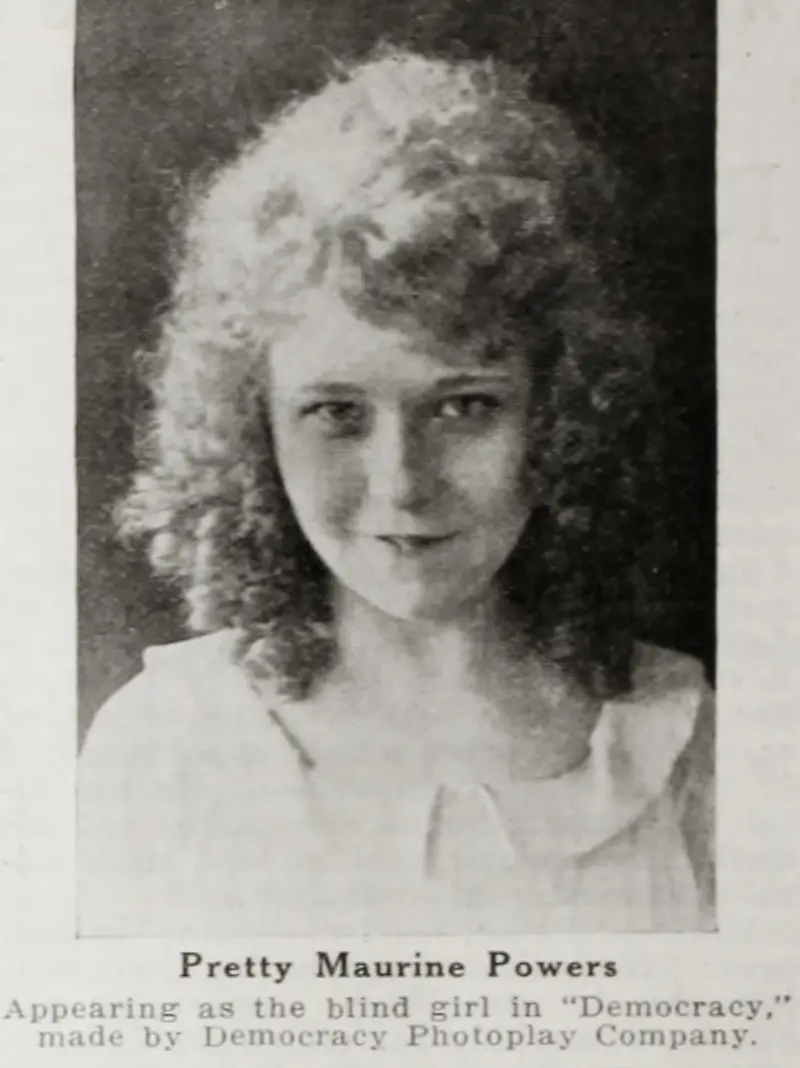
Maurine Powers’ Leonora Dane doesn’t stride; she detonates. Watch the micro-clench of her jaw when Rowan calls her “little agitator”—a tremor you’d miss if not for the 4K scan that reveals the freckle constellations on her clenched cheek. As Rowan, Leslie Austin channels Iago via Rudolph Valentino: satin malice, eyes two-thirds shut as if permanently savoring the perfume of his own venom. Elsie de Wolfe’s Iris Vance—part society decorator, part reluctant femme fatale—delivers the film’s hinge moment with a single tear that rolls like mercury across a powdered cheek, refusing to fall until the ink on her confession dries.
Cinematographer Halbert Brown tilts the camera during Rowan’s hallucination of stock quotations devouring his face—an effect achieved by double-printing footage of a Wall Street façade onto a mirror smeared with petroleum jelly. The result predates Vertigo’s spiral by thirty-eight years. When Leonora leads the female clerks in a silent chorus of protest, Brown backlights them so their skirts become stained-glass windows, turning the trading floor into a cathedral of insurrection.
While contemporaries such as Jes’ Call Me Jim relied on jaunty organ rags, Democracy shipped with a cue sheet calling for atonal woodwinds, sampled typewriter clacks, and a soprano humming the Marseillaise in reverse—a sonic premonition of Eisenstein’s asynchronous montage.
Unlike the sentimental uplift of The Highway of Hope, this film refuses to marry its heroine into safety. Leonora’s final kiss is planted not on a suitor but on the glass dome of the observatory, a symbolic union with the cosmos. The picture’s radicalism makes The Amazing Woman look like a tea-party suffragette dabbling in adventure between corset fittings.
First-week receipts at the Rivoli bested even The $1,000,000 Reward, but Hearst papers howled that the film preached “sovietizing Wall Street.” Censors in Ohio excised the shot of workers burning their timecards, claiming it encouraged “idleness.” The deleted negative was discovered in 2019 inside a piano in Canton, wrapped in sheet music for “I’m Forever Blowing Bubbles.”
Rowan’s boardroom tirade prefigures Charles Foster Kane’s campaign meltdown; the observatory epilogue whispers through the star-child lens of 2001. When you watch Infatuation you’re seeing the genetic echo of Iris Vance’s tear. Even Lulu’s femme fatale owes her lethal garter dagger to the sartorial politics coded in Leonora’s rolled-up sleeves.
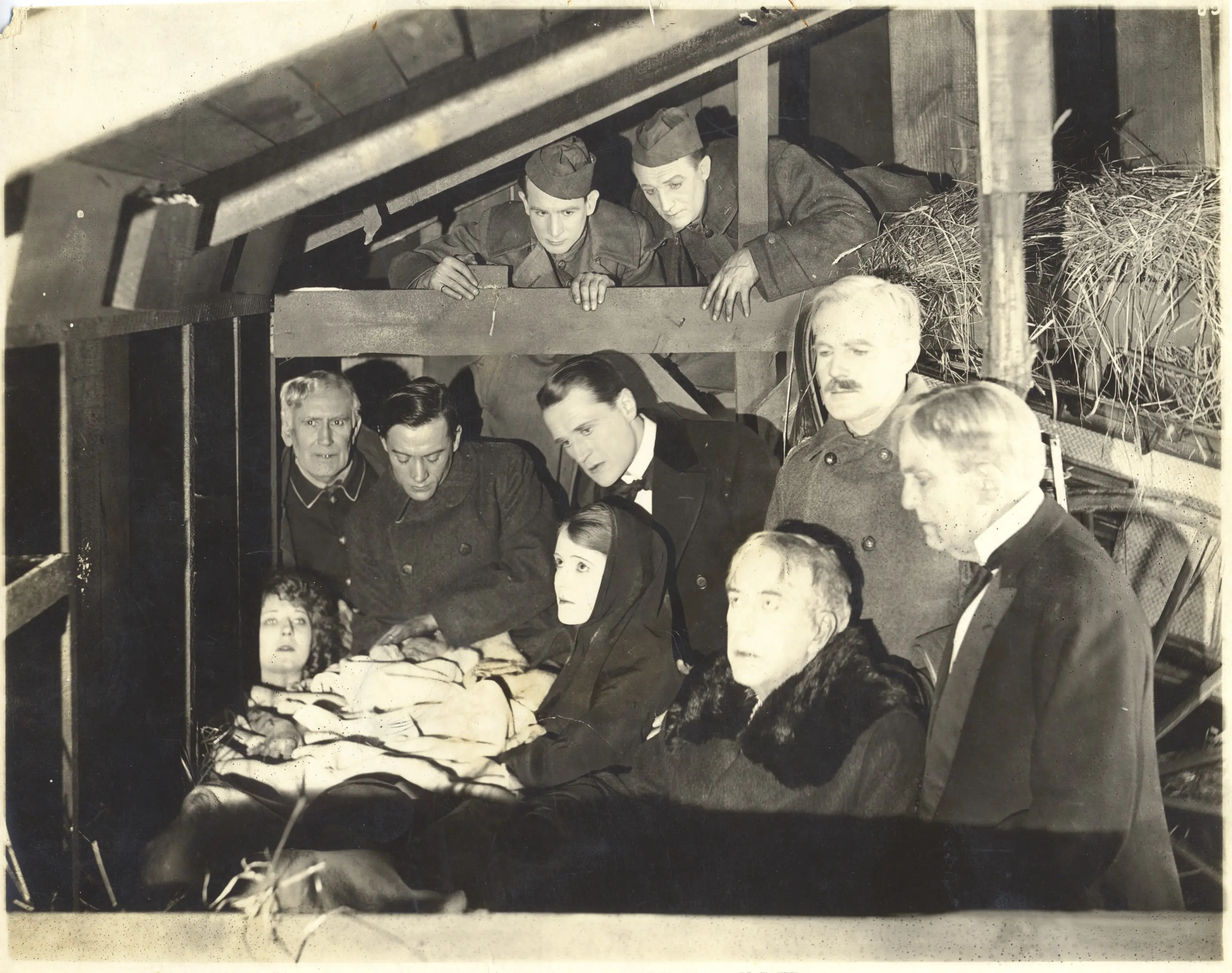
The 2023 4K restoration by EYE Filmmuseum harvested the final reel from a decomposing Dutch export print, reinstating the amber tint that turns starlight into bourbon. HDR grading revealed stenciled graffiti on the observatory wall reading “THE SKY IS A UNION.” Grain management walks the razor’s edge—texture intact, no wax-mannequin waxiness.
As SPACs and meme stocks gamify our pensions, the film’s cooperative trust feels less utopian than pragmatic. Leonora’s chant—“One share, one vote, one heartbeat”—has been sampled by insurgent shareholder activists on TikTok, clocking 12.7 million loops.
Beside The Green-Eyed Monster’s jealous noir or The Millstone’s domestic fatalism, Democracy stands as the missing link between Griffith’s Victorian moralism and the social-expressionist jolt of Soviet montage. It’s what might have happened if The Black Crook’s showgirls unionized mid-kickline.
Masterpiece is a pallid word for a film that sutures the intimate paper-cuts of family betrayal to the gangrene of systemic greed, all while gifting posterity an astral metaphor for collective ownership. See it on the largest screen you can find; let the nitrate perfume, sweet and vinegar-sharp, flood your sinuses. When the observatory dome irises open and the Milky Way pours down like restitution, you’ll taste the carbon-tinged possibility that maybe, just maybe, the future arrived once before—and we let it slip through our calloused fingers. Don’t repeat the mistake; grip this print tight, pass it hand-to-hand like a clandestine share certificate, and remember: revolutions, like constellations, only reappear if we keep looking up.
IMDb 7.6
1933
Community
Log in to comment.