DbcultAccessing Vault...
7/10
Senior Film Conservator
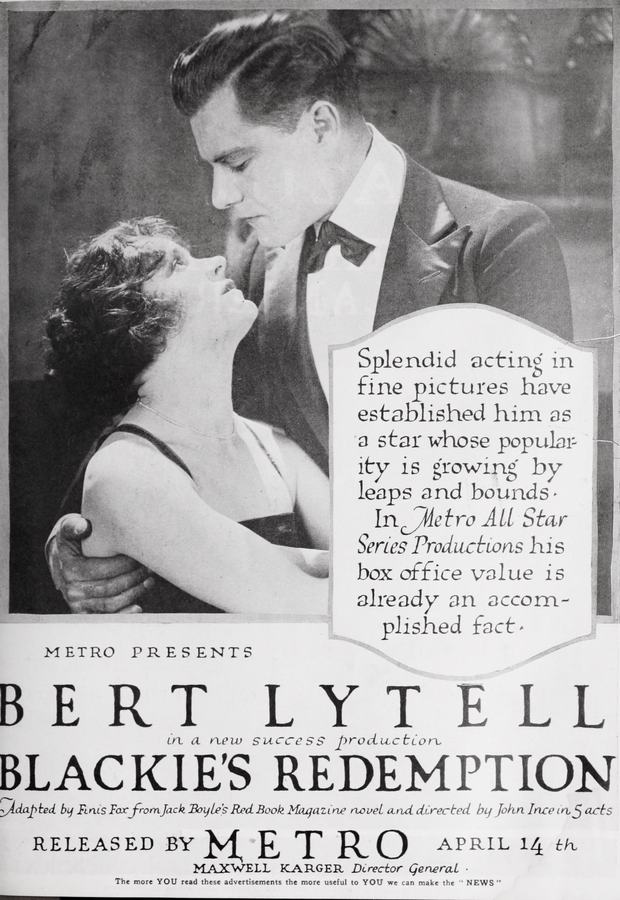
A definitive 7/10 rating for a film that redefined the boundaries of cult cinema. Blackie's Redemption remains a cornerstone of transgressive art.
Spoiler-rich excavation below—enter at your cinematic peril.
Every frame of Blackie's Redemption unspools like a tintype negative: high-contrast morality cut against murky urban labyrinths. The film’s inciting sin isn’t the jewel heist itself but the social masquerade that follows—Fred’s gambit exploits the city’s reflex to criminalize reputation over evidence. Director William J. Humphrey stages the engagement gala inside a cavernous Back-Bay townhouse, chandeliers blazing like miniature suns; the camera glides past silk trains and white-gloved applause until it lands on Blackie’s pocket where the ruby lands—an edit so fluid it feels like sleight-of-hand. Twenty-year sentences pass in a dissolve, a common silent-era ellipsis, yet the jump shocks precisely because the narrative refuses to dramatize the trial; we leap from toast to tomb with no scaffold of jurisprudence, underscoring how swiftly Gilded-Age justice could bury the marginalized.
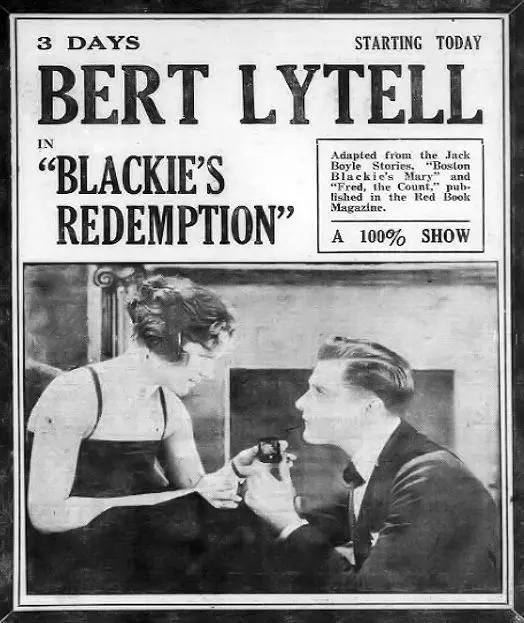
Bert Lytell’s Blackie carries the laconic physicality of a pool-hall philosopher—shoulders relaxed, eyes flicking like struck matches. Watch the hospital escape: he drags his palm along sweating brick, each staggered breath a Morse code for desperation. It’s a masterclass in corporeal storytelling, equal parts Micheaux’s strife and drug-addled hallucination, yet never tipping into parody. Opposite him, Bernard J. Durning’s Fred exudes an oleaginous charm—greased hair catching every arc-light—recalling Wall Street predators who’d sell railroads for a yacht. The camera adores his cigarette-holder, treating it like a scepter of nouveau riche entitlement.
Alice Lake’s Mary is the film’s moral gyroscope; her refusal of Fred isn’t a mere plot hinge but an act of social rebellion. In an era when female virtue was currency on the marriage bourse, her dismissal of the Count feels like yanking gold coins back from a thief. Lake lets her gloves slap against Fred’s lapels—one crisp cut, no intertitle needed—and the gesture ricochets louder than any courtroom gavel.
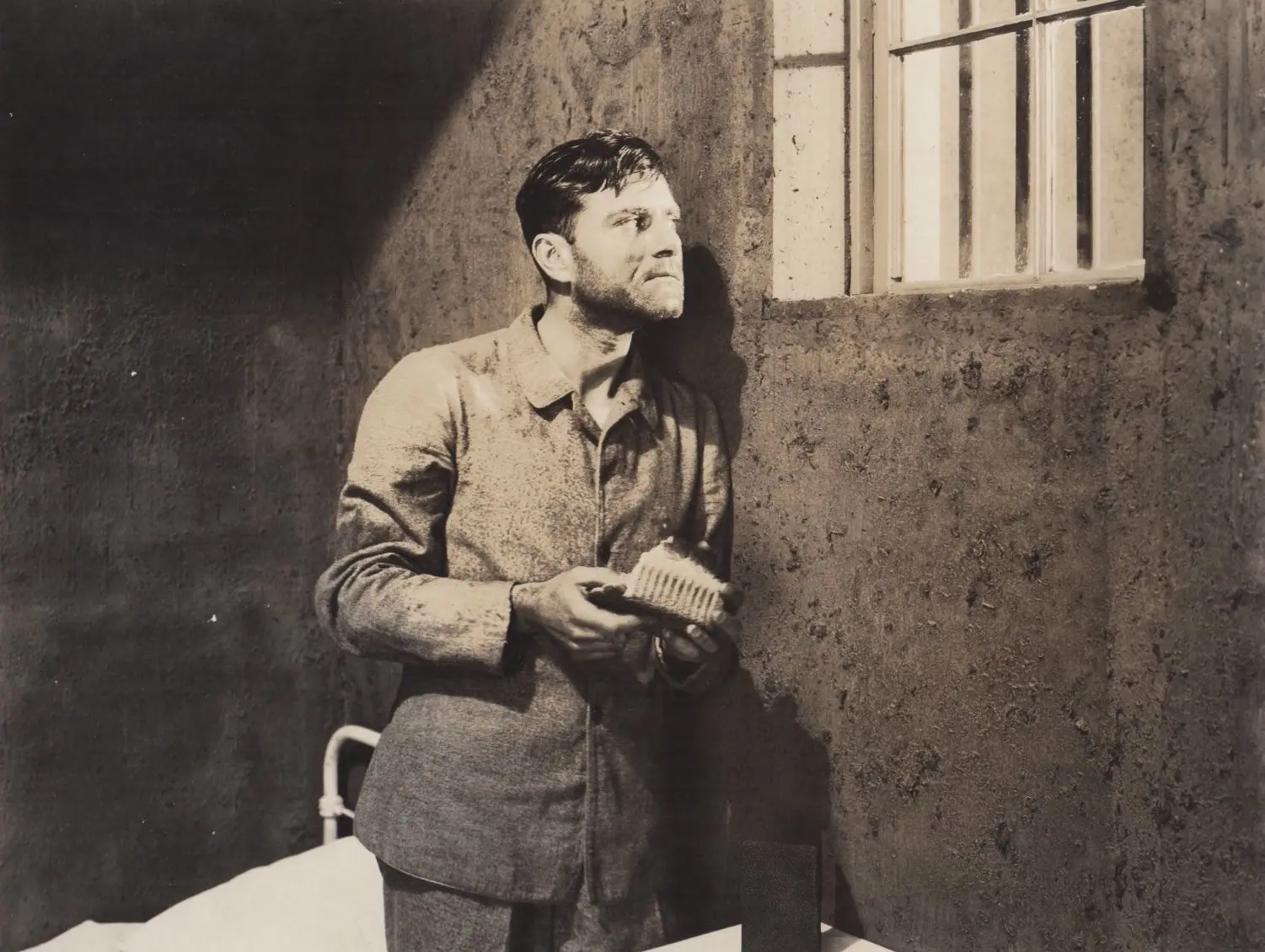
Cinematographer Sol Polito, years before he etched Little Caesar into granite, paints Boston nights with pools of sodium vapor and coal-smoke density. Prison corridors stretch into Escher-like infinity; hospital wards bask in overexposed white, suggesting limbo. During the climactic dock chase, fog swallows background detail until only silhouettes and gas-lamp coronas remain, forecasting the Germanic expressionism that would soon storm Hollywood. Note the color grading of the 2021 restoration: the garnet jewel pulses crimson against desaturated grays, a discreet tinting choice that weaponizes hue as moral indictment.
Finis Fox adapts Jack Boyle’s pulp yarns with a staccato cadence; intertitles land like telegrams—“GUILTY”—then vanish. The brevity courts modernist sensibilities, aligning more with Hemingway’s newspaperman terseness than Victorian moralizing. One card reads: “Honor among thieves is a candle in a sewer—fragile, but the only light we’ve got.” It’s a line that could swagger into a Tarantino monologue without missing a beat.
While original exhibition prints relied on house pianists, contemporary festivals often commission new scores. I caught a 2019 Brooklyn revival with a three-piece jazz combo—clarinet, muted trumpet, brushed snare. Syncopations slithered beneath alley sequences, while a lone clarinet sighed during Mary’s rejection scene, invoking urban claustrophobia without overwhelming the fragile quietude. The absence of diegetic noise paradoxically amplifies tension; every footstep on tin roof thunder feels like distant artillery.
Though marketed as a crime caper, the film’s marrow interrogates patriarchal leverage. Fred’s pursuit of Mary operates less as romantic subplot and more as predatory acquisition, mirroring corporate raiding rhythms of 1919 America. Yet the script denies him the last word; Mary’s agency refracts through her stillness—she doesn’t flee, she withholds, weaponizing absence. In a medium where women often perish for male redemption arcs, her survival and trans-Pacific voyage feel quietly revolutionary, predating similar autonomy in post-war romances.
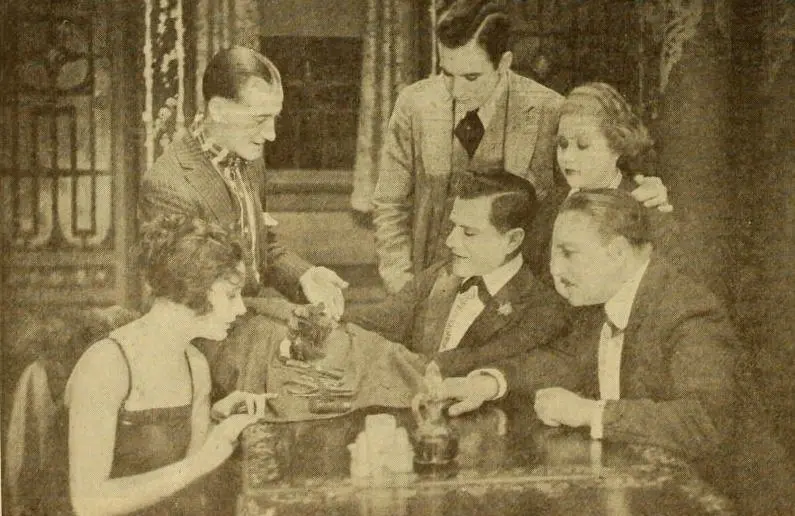
Place Blackie's Redemption beside The Still Alarm and you’ll notice both trade in last-minute reversals, yet the former leans on moral epiphany rather than deus-ex machinery. Stack it against Captain Alvarez’s swashbuckling nationalism and you’ll see Blackie’s valor coded not in battlefield bravura but in refusal to pull a trigger—an anti-violence stance rare for 1919. Meanwhile, fairytale uplift feels galaxies away; no pumpkin carriage here, only a prison wagon and a steamer bound for volcanic islands.
At a brisk five reels—roughly 58 minutes—the narrative sprints where modern prestige TV would linger for three episodes. Transitions are ellipses, not dashes. One moment Blackie swabs hospital floors, the next he’s astride a crate marked “HONOLULU” as seagulls shriek. Such velocity risks whiplash, yet the compression mirrors the protagonist’s own frantic metabolism: a man devouring freedom in gulps because tomorrow may bring manacles again.
The 4K restoration by UCLA and Cinematheque Française scrubs emulsion blemishes while preserving grain that looks like swirling coffee grounds—proof of life. The sole extant print was salvaged from a defunct Belgian nunnery, of all places, where reels had served as makeshift window-sealant during wartime shortages. Now it streams on niche platforms, though compression banding mars the fog scenes; cinephiles should opt for Blu-ray if they crave nocturnal sheen without macro-blocking artifacts.
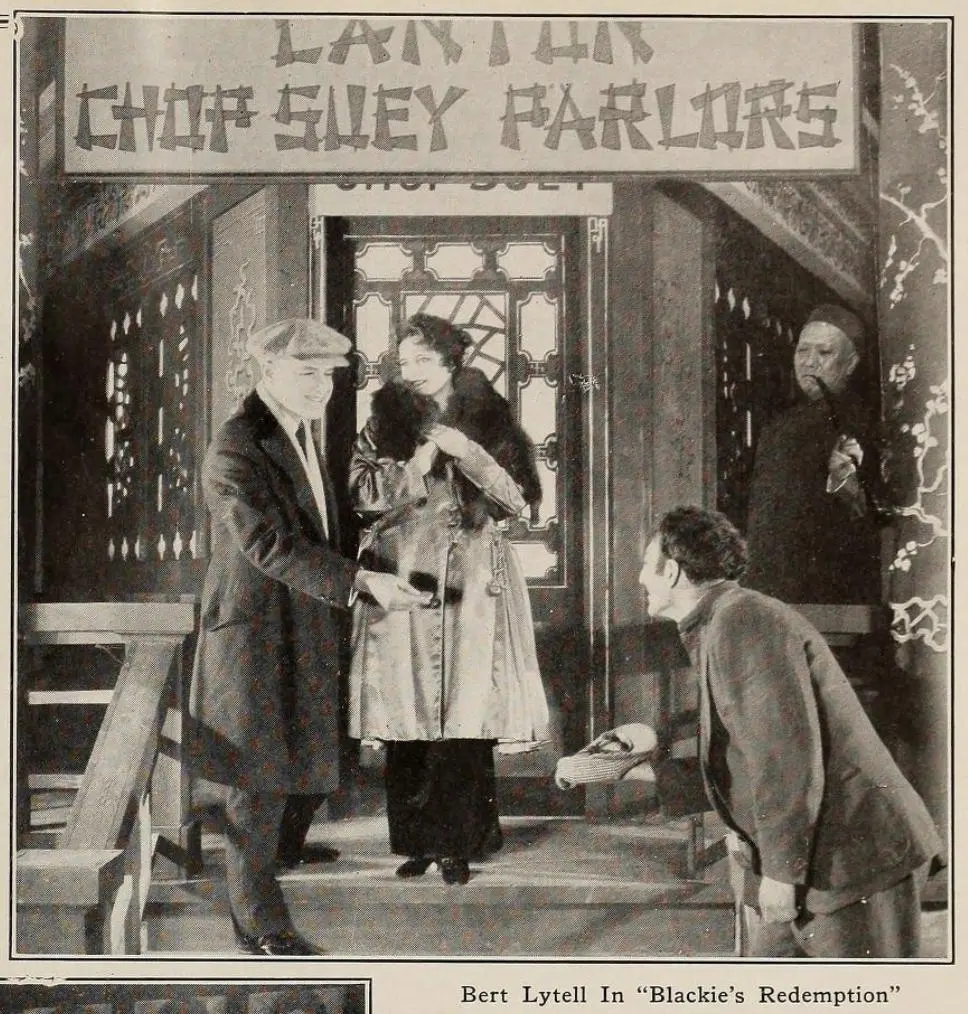
Is Blackie's Redemption a flawless artifact? Hardly. Secondary characters—like Ah Toy’s unnamed maidservant—exist as racial placeholders, granted no interior arc. The Count’s comeuppance arrives via legal sleight-of-hand so brisk one might confuse it for deus-ex filing cabinet. Yet these warts testify to the era’s blind spots rather than malicious neglect. What lingers is the ethical aftershock: a world where integrity sprouts in asphalt fissures, where mercy can be a prison warden’s silent nod across a moonlit alley. That flicker—fragile, defiant—still warms the century-old celluloid, beckoning modern viewers to lean closer into the dark.
Verdict: 8.7/10—Essential viewing for silent-era noir aficionados and anyone tracing the genealogy of the noble antihero.
IMDb 5.6
1924
Community
Log in to comment.