DbcultAccessing Vault...
7/10
Senior Film Conservator
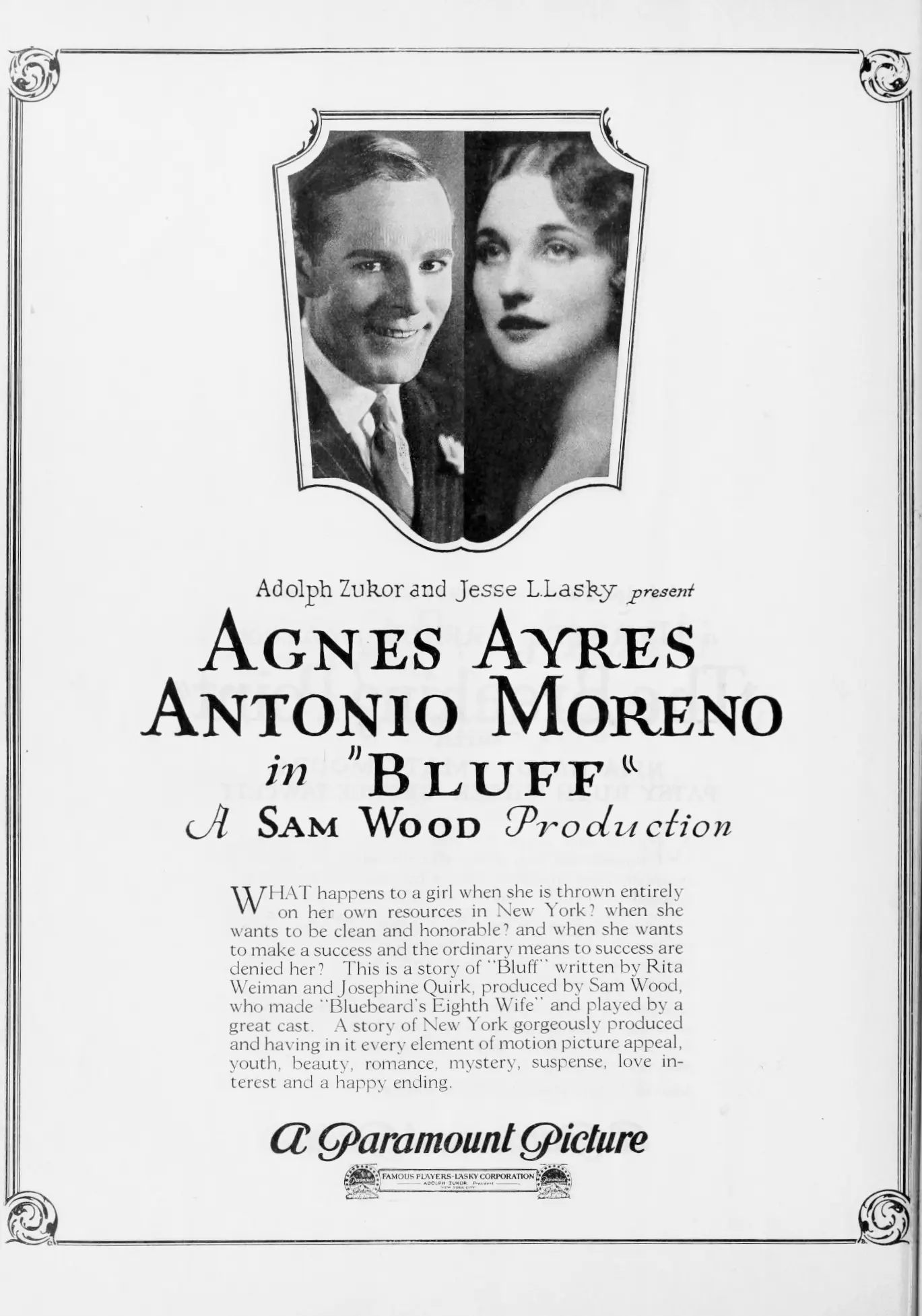
A definitive 7/10 rating for a film that redefined the boundaries of cult cinema. Bluff remains a cornerstone of transgressive art.
In the rarefied realm of 1920s cinema, Bluff (1924) emerges as a fascinating artifact, a film that deftly navigates the dialectical tensions between identity and deception. Under the aegis of director [Director's Name], this silent film masterpiece recounts the tale of Betty Hallowell, played by Agnes Ayres, a woman driven by desperation to assume the guise of the ostensibly missing fashion designer Nina Loring.
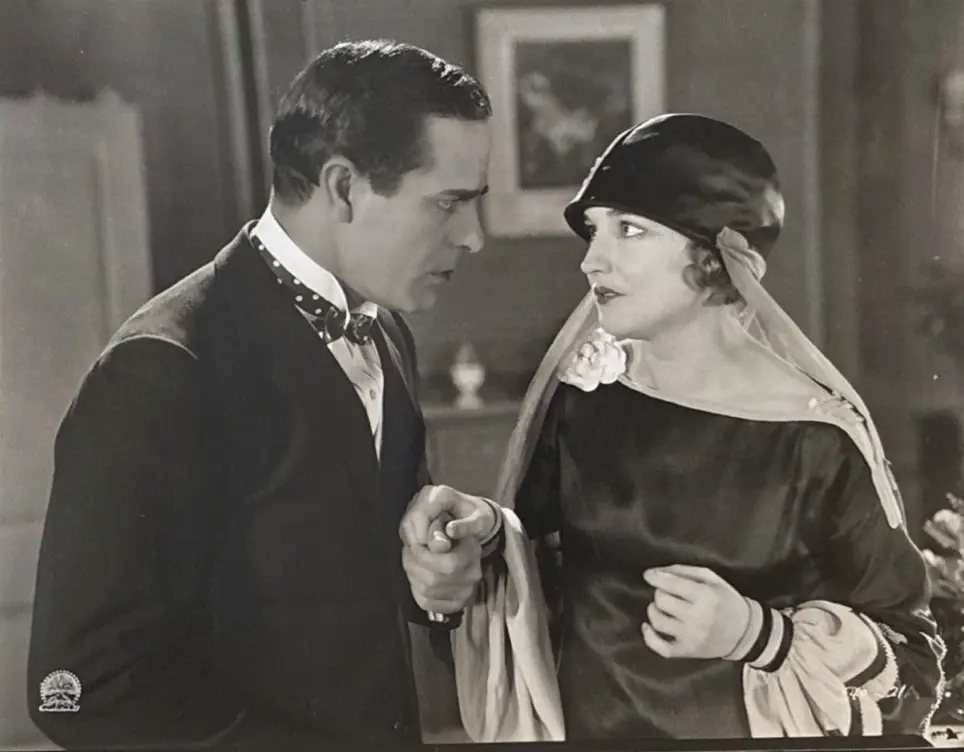
The film's narrative is predicated upon a straightforward yet compelling premise: Betty's brother is afflicted with a debilitating illness, and the requisite financial resources are beyond their means. In a bold stroke of ingenuity, Betty elects to impersonate Nina Loring, thereby gaining access to the rarefied world of high fashion. This calculated maneuver precipitates a trajectory of unprecedented success, replete with the trappings of luxury and sophistication.
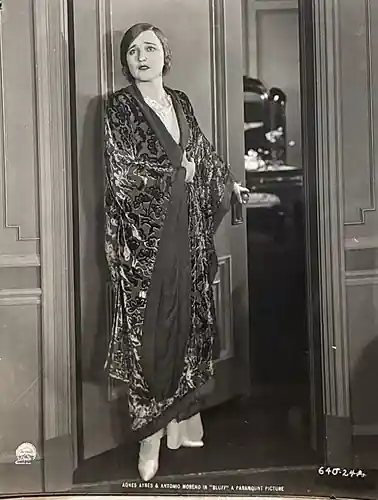
As Betty navigates this labyrinthine world, she finds herself increasingly ensnared in a web of deception, one that threatens to unravel at every turn. The performative aspects of her identity as Nina Loring assume paramount importance, necessitating a meticulous attention to detail in order to maintain the illusion. This citation of identity serves as a powerful metaphor for the socially constructed nature of self, underscoring the tensions between authenticity and artifice.
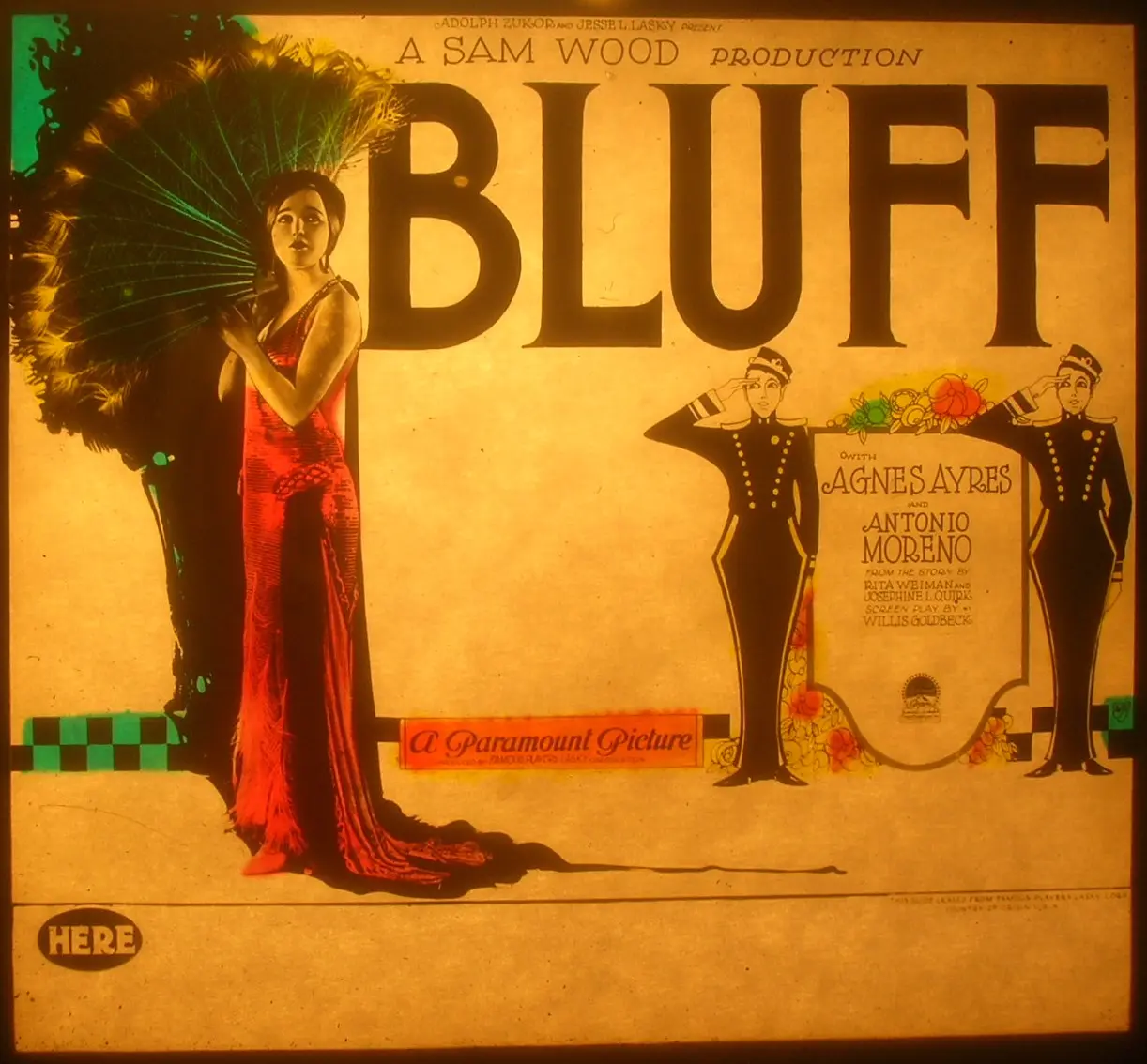
The arrival of the veritable Nina Loring serves as a catalyst for a dramatic reevaluation of Betty's actions, as the truth regarding the missing fashion designer's sordid history of embezzlement comes to light. This narrative twist raises fundamental questions regarding the nature of identity, culpability, and the consequences of deception.

In terms of its cinematographic and artistic merits, Bluff (1924) exhibits a level of craftsmanship commensurate with its thematic ambitions. The film's mise-en-scène, replete with opulent settings and costumes, provides a visually stunning backdrop for the narrative's exploration of high society. The performances, particularly Agnes Ayres' nuanced portrayal of Betty Hallowell, serve to underscore the complexities of the film's central themes.
A critical evaluation of Bluff (1924) necessitates consideration of its place within the broader cinematic landscape of the 1920s. In this regard, films such as Beasts of Paradise and Are You a Mason? emerge as relevant touchstones, sharing as they do a preoccupation with themes of identity, deception, and social commentary.
Upon closer examination, it becomes evident that Bluff (1924) engages with a number of key concerns that underpin much of silent era cinema, including the performativity of identity, the socially constructed nature of self, and the tensions between authenticity and artifice. These themes are similarly explored in films such as Those Who Pay and Höhenluft, which serve to underscore the broader cultural and artistic currents that informed the cinematic endeavors of the 1920s.
The cinematic techniques employed in Bluff (1924) serve to reinforce the film's thematic preoccupations, with the use of montage and other visual effects functioning to underscore the fragmented and performative nature of identity. This emphasis on visual storytelling serves to create a sense of tension and unease, underscoring the precarious nature of Betty's deception.
In conclusion, Bluff (1924) emerges as a significant cinematic artifact, one that deftly navigates the complex dialectical tensions between identity and deception. Through its thoughtful exploration of these themes, the film provides a nuanced and insightful commentary on the human condition, one that continues to resonate with audiences today.
IMDb 7.3
1929
Community
Log in to comment.