DbcultAccessing Vault...
Cult Review
Senior Film Conservator
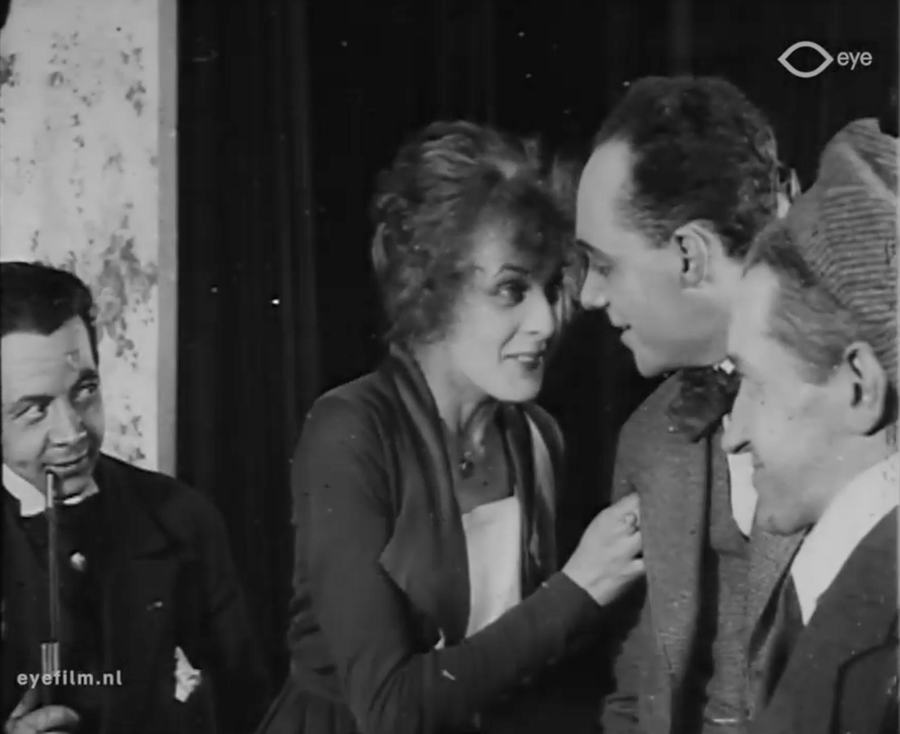
There is a moment—roughly seventeen minutes into Bobby als Filmschauspieler—when the camera forgets to pretend. Bobby, chased by studio henchmen through a cardboard Prussian village, suddenly glances straight at us, not as character but as lease-holder of his own hide, and the iris contracts until the frame becomes a bullet hole in time. That blink is the film’s neutron star: everything else orbits the terror of being seen.
Forget rags-to-riches; this is rags-to-rags, with a brief, blinding detour through limelight. Directors Gerhard Klein and Anneliese Zanner—operating on a shoestring so frayed it might have been spun from Bobby’s own unwashed hair—elect to fracture chronology until it resembles a child’s kaleidoscope smashed by a boot. We jump from smoky Babelsberg canteen debates to a tenement where Bobby’s mother burns his father's letters for warmth, then land inside a screening room where the first rough cut of the very film we are watching unspools, the audience of cigar-chewing producers erupting in laughter at the poverty on display.
Result: cinema as Möbius strip, every surface a secret suture.
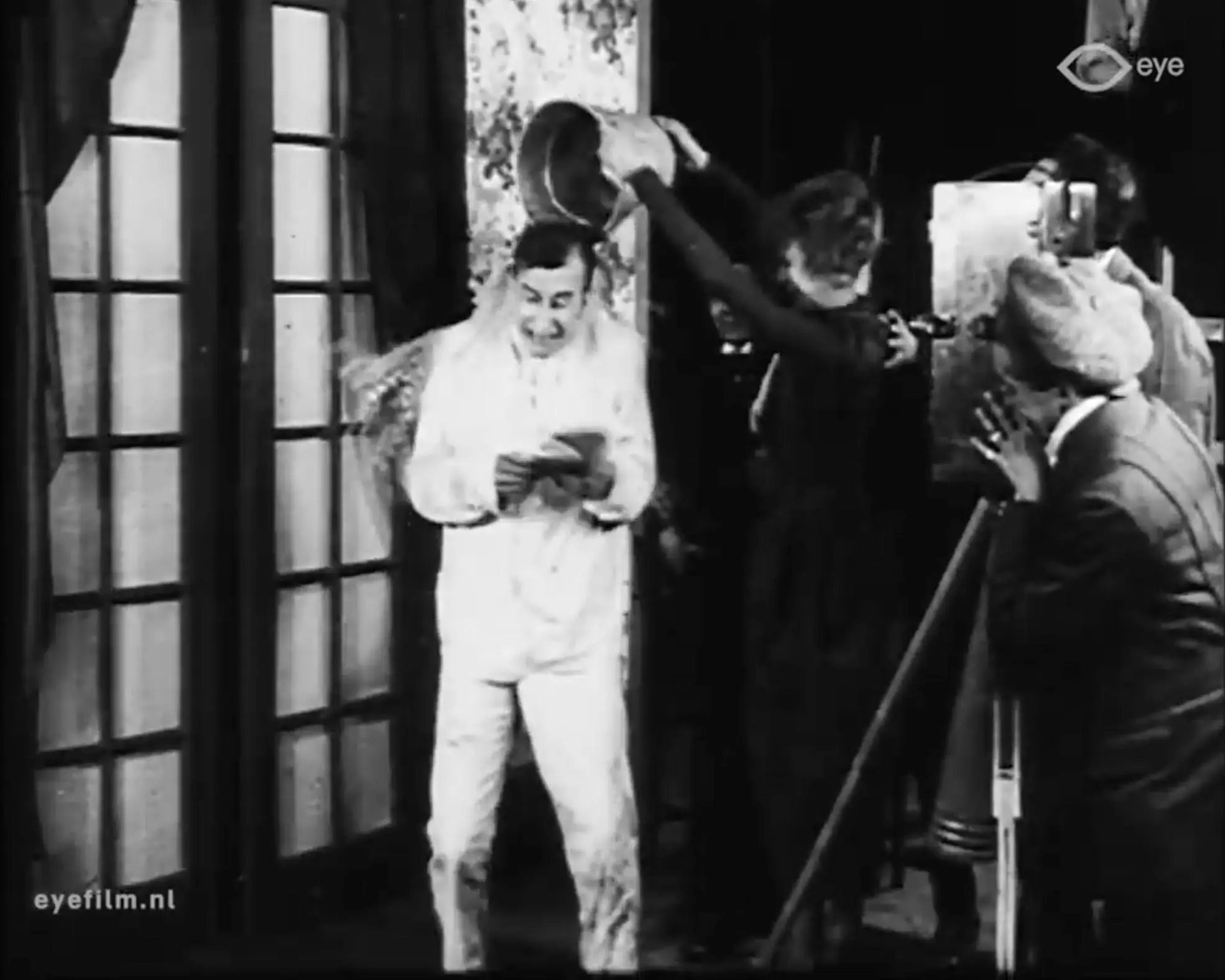
Bobby Flip, essentially playing a variant of himself named “Bobby,” navigates layers of artifice so numerous that any attempt to excavate the "real" collapses under the rubble of reenactment. Watch the way his shoulders hitch upward when a director yells “Aktion!”, a Pavlovian cringe learned after countless botched auditions. Flip’s eyes—two storm lanterns guttering in a North Sea gale—carry the cumulative exhaustion of everyone who ever stood outside a studio gate clutching a crumpled still.
Compare, for contrast, The Colonel, where Warner Krause’s militaristic rigidity is all external accoutrement—peaked cap, epaulettes, waxed moustache. Flip instead weaponizes absence: the roles he hasn’t secured haunt his gait more than any costume ever could.
Production designer Lina Czöllner conjures a metropolis stitched from soot-smudged backlots and expressionist sketches: staircases tilt at implausible angles, streetlamps flicker Morse code of despair, and the omnipresent U-Bahn rumbles like some subterranean deity digesting human ambition. The city functions as both prison and promise, a dialectic that finds its apotheosis in the film’s central montage: footage of the real 1919 Spartacist uprising is intercut with staged scenes of studio executives firing extras en masse, the celluloid scratched so viciously that blood appears to spurt from the screen itself.
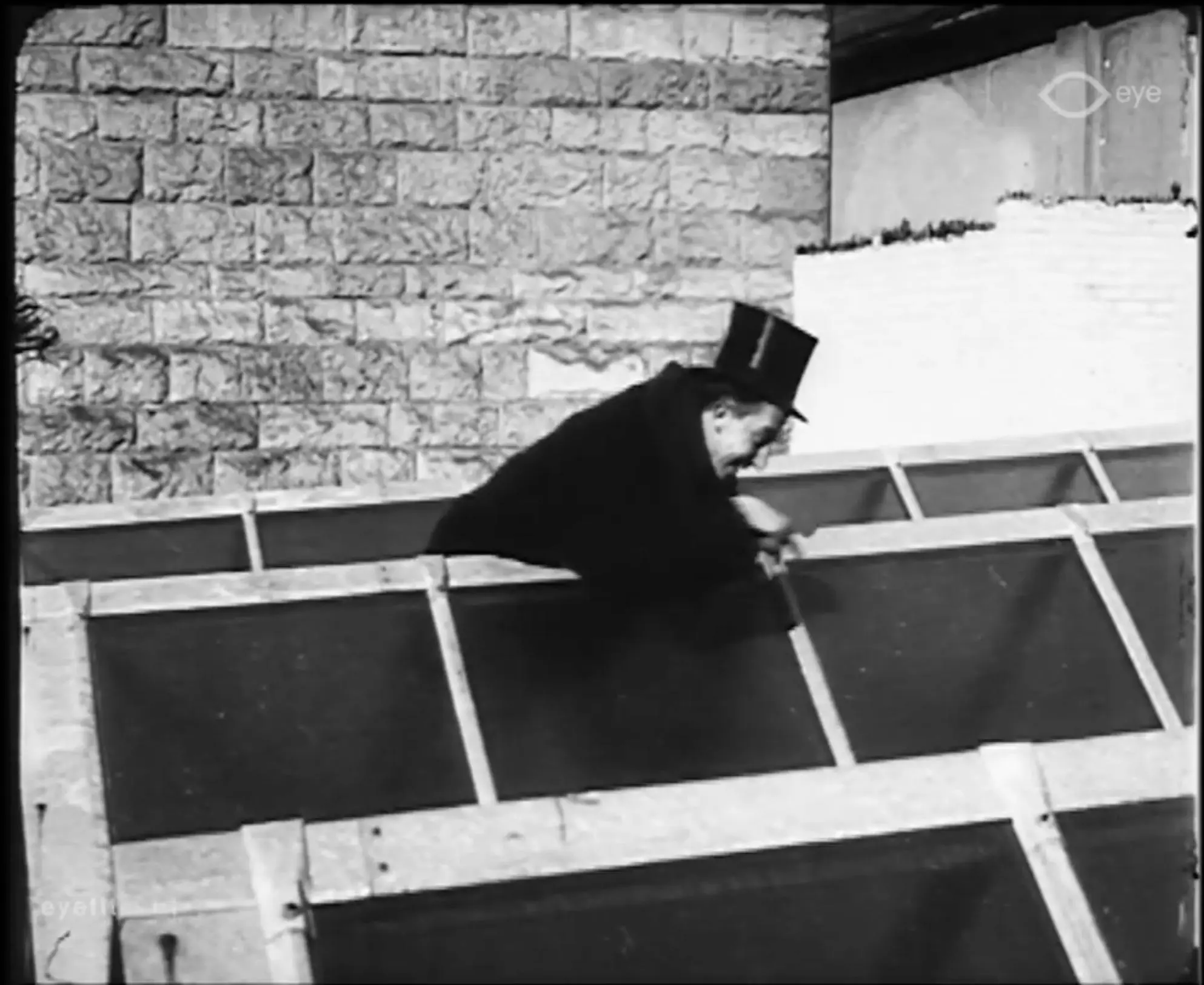
If Alone in London sentimentalizes urban alienation, Bobby weaponizes it, turning detachment into shrapnel.
Though released two years before synchronized dialogue became fashionable, the film anticipates the talkie revolution with cruel irony. Intertitles shrink, becoming haiku of rejection: “Too short.” “Wrong accent.” “Try cabaret.” The absence of spoken word amplifies every ambient clack—typewriter keys, telegraph wires, the metallic rasp of the film gate—until silence itself feels like a casting agent denying you entry.
By the time a single synchronized phonograph record finally crackles over the last reel—a tinny rendition of Schubert’s Der Leiermann—the effect is less musical accompaniment than coroner's report delivered in broken German.
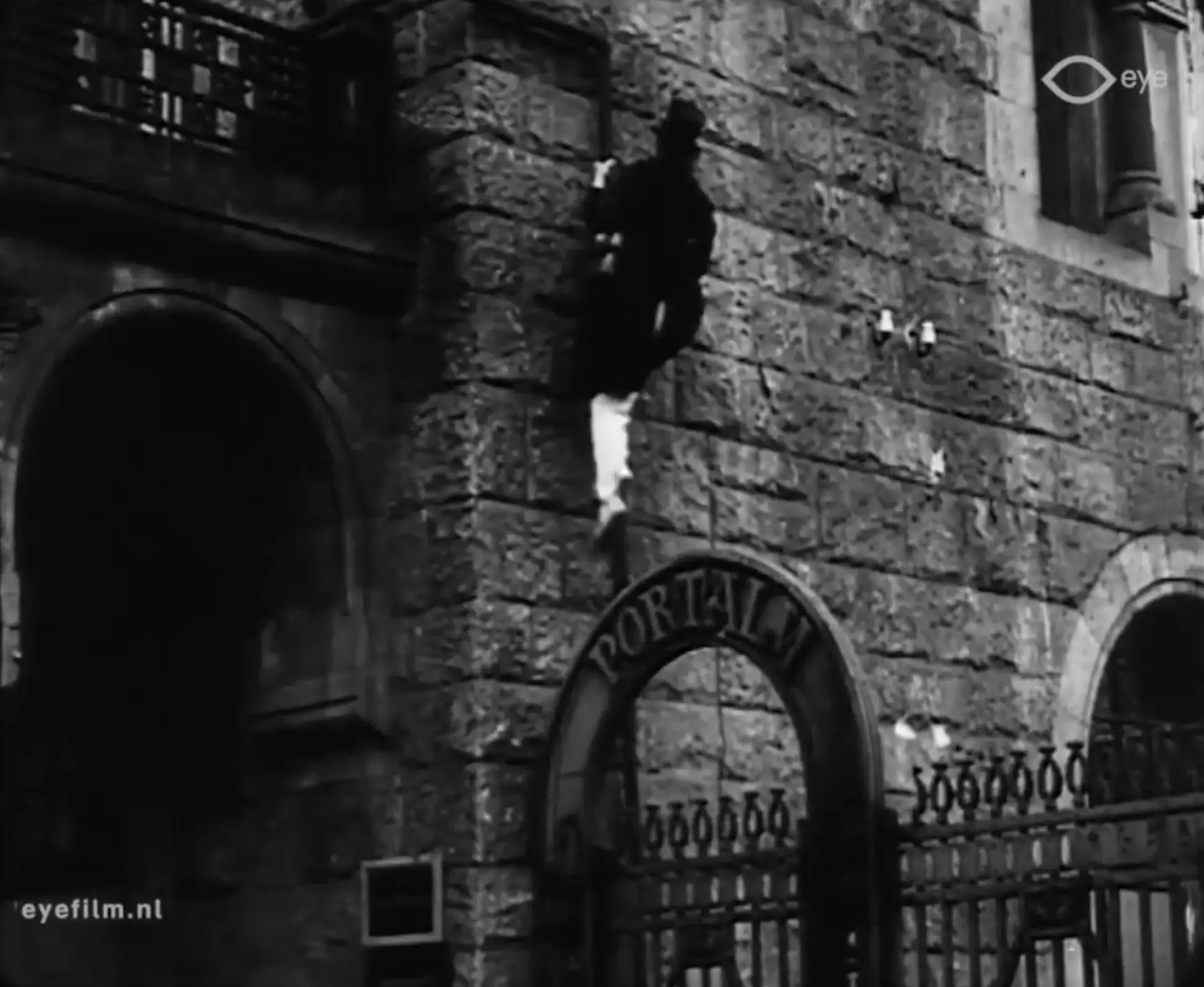
Women circulate as currency: starlets traded for cigarette endorsements, secretaries coerced into “after-hours script conferences,” mothers pawning daughters’ portraits to prop departments. Yet the camera, mercilessly, turns that same economy on Bobby. His torso—scarred, sinewy, filmed in chiaroscuro that accentuates every rib—becomes the merchandise, ogled by directors who promise stardom in exchange for a glimpse of skin. In one harrowing sequence, a female casting executive (played with predatory elegance by Trude Heidemann) orders him to strip, then scribbles “Will work for heat” across his clavicle with lipstick, literalizing the transactional tattoo.
This inversion of the male gaze feels startlingly contemporary, eclipsing the comparatively polite flirtations of The Honor of Mary Blake or the pastoral romanticism of A Girl Named Mary.
Editor Fritz von Strohnheim cuts like a man possessed, alternating between extreme long shots where Bobby is swallowed by architecture, and oppressive close-ups that map every pore. The average shot length clocks in at 1.8 seconds—vertiginous even by Soviet montage standards—yet the rhythm never devolves into gimmickry. Instead, the staccato cadence mirrors the protagonist’s splintering psyche: each splice a memory excised, each fade a door slammed on possibility.
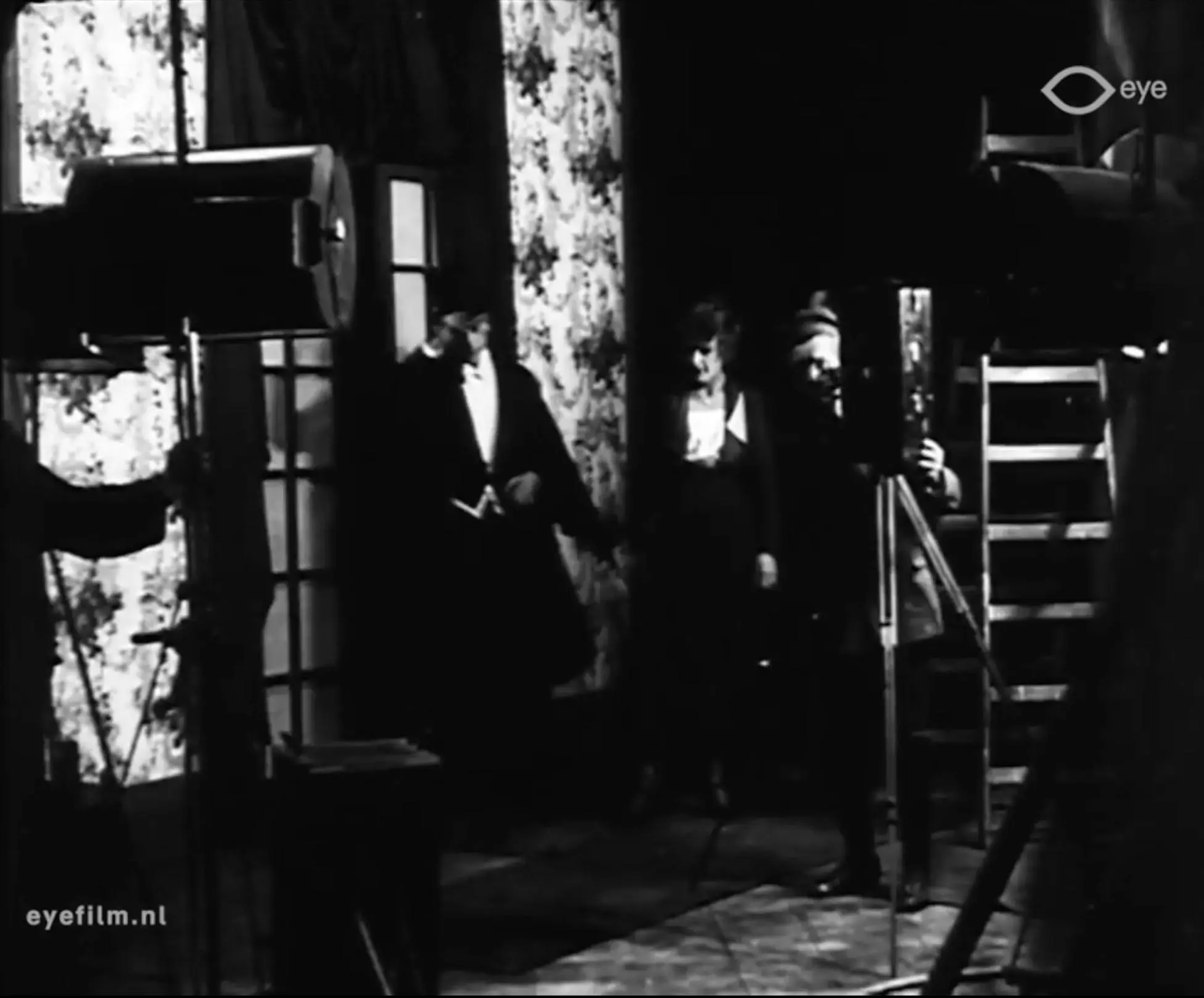
Compare this to the languid, tableau-like pacing of Det gamle Købmandshjem, where duration conveys familial stasis; here, velocity equals erasure.
The last three minutes remain unclassifiable. The camera retreats into the projector’s own aperture; we watch the film devour itself, emulsion bubbling like diseased skin. Over the optical soundtrack, someone whispers “That’s a wrap, Bobby,” though the voice might belong to the audience, the director, or the medium itself. When the screen whites out, the afterimage lingering on your retina resembles a boy sprinting, endlessly, toward a train whose headlight is the very light that allows you to see him flee.
Walk outside afterward, and Berlin feels complicit—every neon sign a callback to the film’s carbon arc glare, every passer-by a potential extra awaiting the guillotine of the next cut.
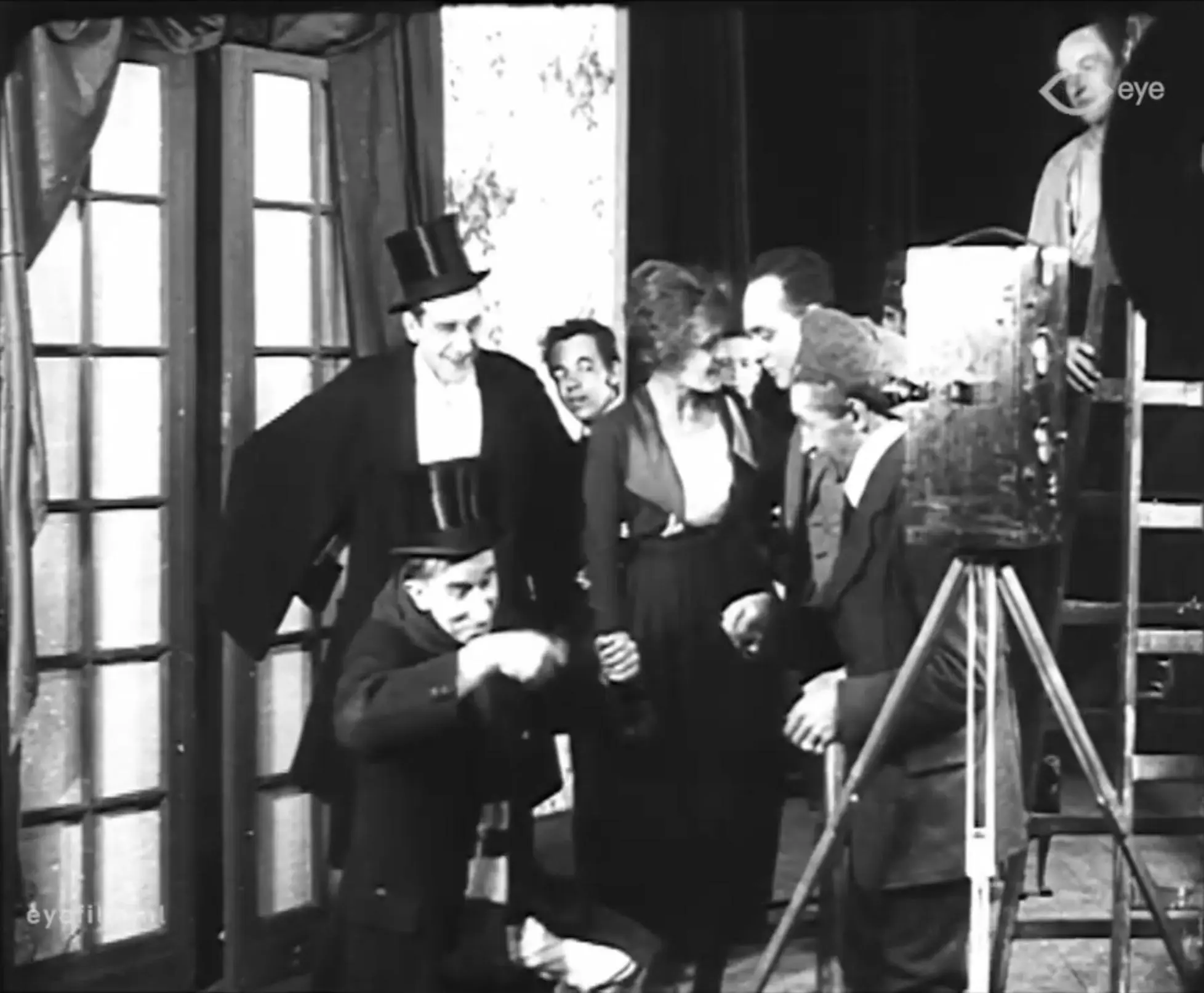
Because Instagram influencers stage authenticity for brand deals. Because LinkedIn resumés curate human worth into algorithmic fodder. Because every one of us now lives split-screen: performer and spectator, brand and product. Bobby als Filmschauspieler forecast this bifurcated hellscape a century early, minus the anesthesia of hashtags.
Restoration? Good luck. Only two nitrate prints survive: one in the Bundesarchiv, half-melted during the ’44 bombings; the other in a private collector’s climate-controlled vault outside Montevideo, rumored to be screened exactly once per decade for invite-only cineastes who exit blinking like moles, unsure whether they’ve witnessed a film or a séance.
Verdict: compulsory viewing for anyone who has ever conflated being seen with being alive.
References for further obsession: The Voice of Love (melodrama stripped raw), Robbery Under Arms (outlaw as entrepreneur), Behold My Wife (gaze reversed), and The Deciding Kiss (when a single touch rewrites destiny).
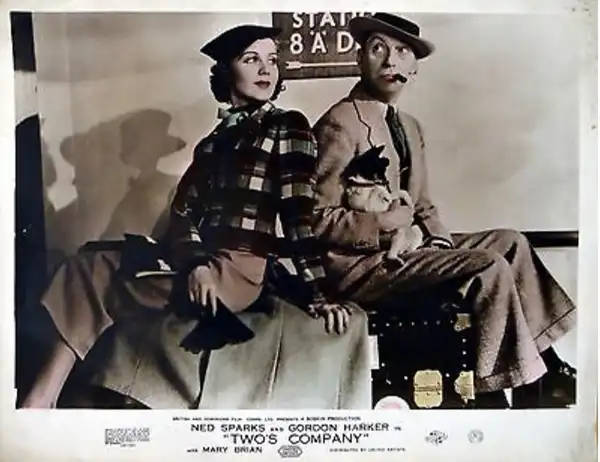
IMDb —
1936
Community
Log in to comment.