DbcultAccessing Vault...
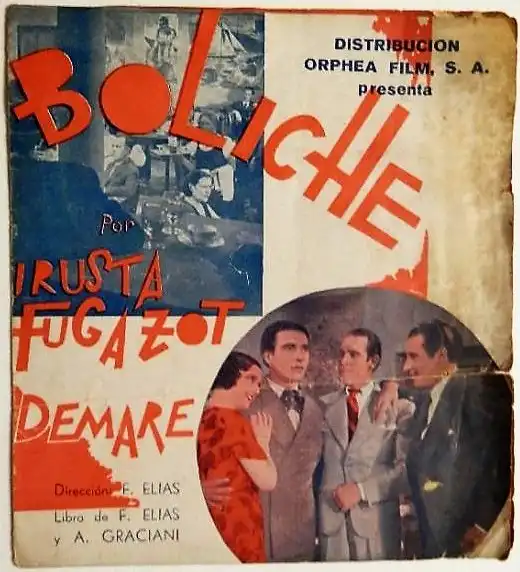
If you're into the history of tango or just want to see what people were watching when the world felt a lot smaller, yeah, give it a go. It's definitely not for the modern viewer who needs a high-octane edit or a plot that makes sense in a traditional way.
People who get annoyed by slow-moving black and white stuff should probably steer clear. You’ll be bored out of your mind by the second song.
There’s this rhythm to Boliche that feels like a rainy Sunday afternoon where you’ve got nothing to do but stare at the wall. It isn't trying to be deep. It’s just trying to exist.
The performances are… well, they’re very much of their time. Roberto Fugazot has this way of looking at the camera that feels like he’s trying to sell you something, even when he’s supposed to be heartbroken. It’s charming, in a weird way.
Watching this made me think about Madison Square Garden. Not because they’re the same, but because they both have that weird, specific energy of a movie that knows it’s just a diversion for an audience that’s probably already tired of their day.
There's a scene near the middle—I think it’s in a tavern—where the background actors are clearly just standing around waiting for the director to yell cut. One guy in the corner is barely pretending to drink his wine. It’s hilarious.
The movie gets noticeably better once it stops trying to pretend it’s telling a coherent story and just lets the musicians do their thing. The music is where the real blood is. The dialogue? It’s just filler to get us to the next tune.
Honestly, I can’t tell you how the whole thing ends because I think I stopped paying attention during the fourth musical break. And honestly? That’s fine. Some movies are meant to be sat with, not picked apart.
Year
1933
IMDb Rating
—

Editorial
Deciphering the legacy of transgressive cult cinema.
Community
Log in to comment.