DbcultAccessing Vault...
6.3/10
Senior Film Conservator
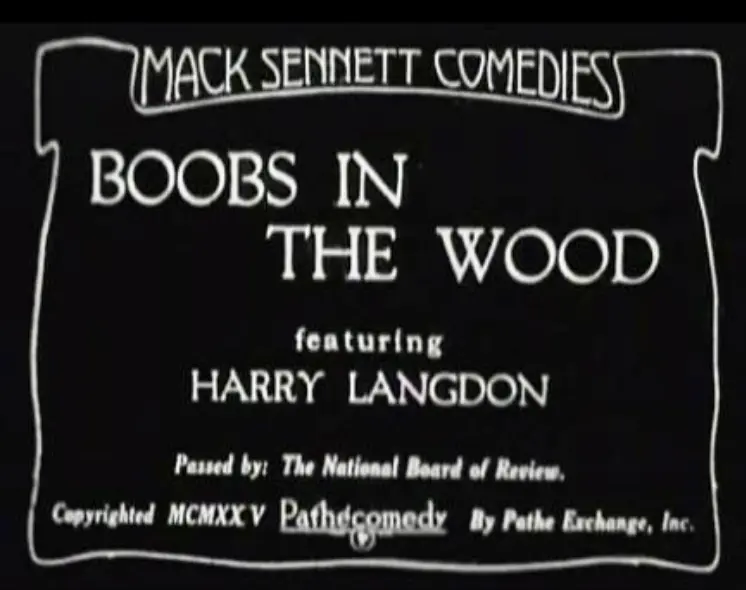
A definitive 6.3/10 rating for a film that redefined the boundaries of cult cinema. Boobs in the Wood remains a cornerstone of transgressive art.
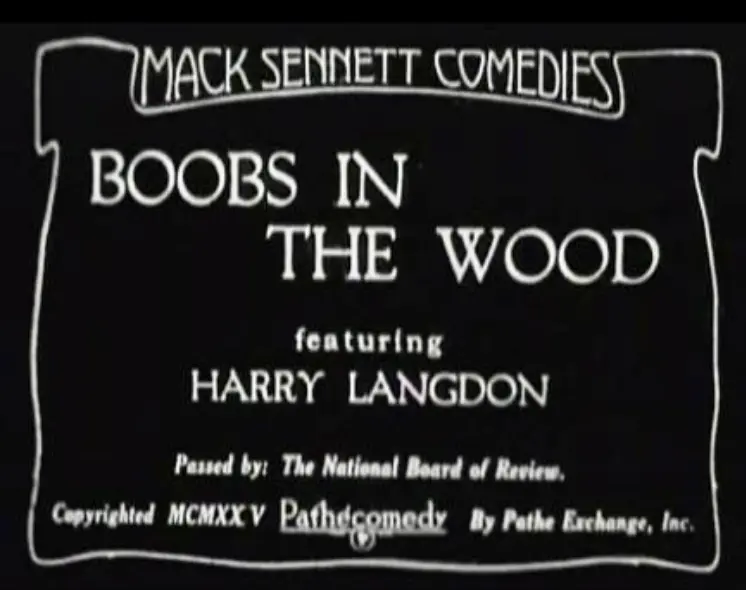
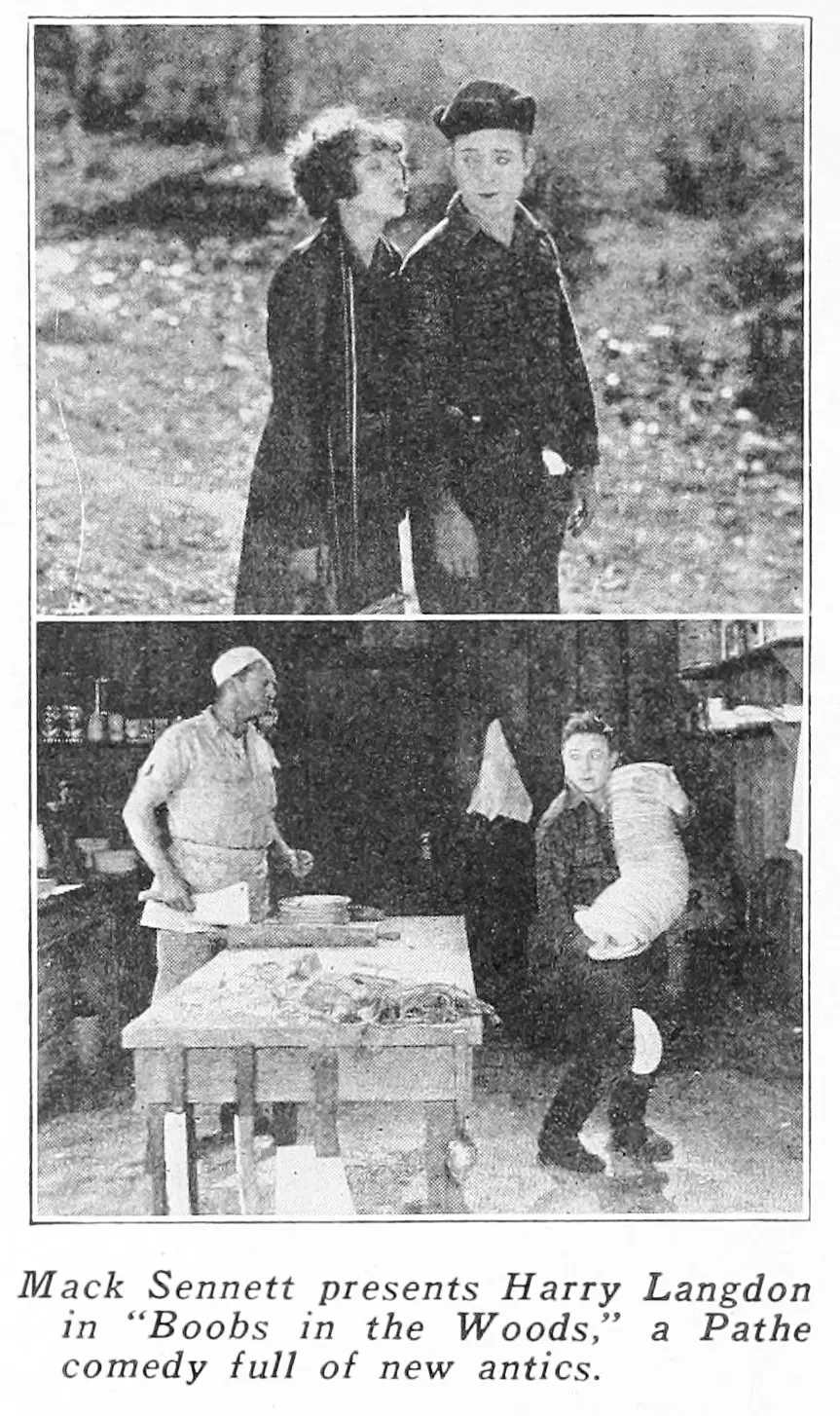
Boobs in the Wood, directed by Arthur Ripley and Frank Capra, presents a fascinating case study of a meek man's foray into the lumberjack lifestyle, which unexpectedly leads him to a Wild West saloon and a romantic entanglement.
The film's protagonist, played by Harry Langdon, is a perfect exemplar of the 'everyman' archetype, whose journey serves as a catalyst for exploring themes of masculinity, ambition, and the pursuit of love.
One of the most striking aspects of Boobs in the Wood is its use of the Wild West saloon as a backdrop for the protagonist's self-discovery. This setting, reminiscent of The Lone Round-Up, allows the filmmakers to cleverly subvert traditional notions of masculinity, presenting a space where vulnerability and sensitivity can coexist with rugged individualism.
The cinematography is noteworthy, capturing the harsh beauty of the north woods and the rough-and-tumble atmosphere of the saloon. The visual contrast between the serene natural environment and the rowdy, makeshift world of the saloon serves to underscore the protagonist's disorientation and growth.
The character of the beautiful girl, played by Marie Astaire, is more than just a love interest; she represents a symbol of the protagonist's aspirations and desires. Her presence in the saloon, a space dominated by men, adds a layer of complexity to the narrative, highlighting the tensions between traditional feminine roles and the protagonist's own ambitions.
The supporting cast, including Vernon Dent and Barney Hellum, deliver memorable performances that add depth and nuance to the film's portrayal of life in the Wild West. Their characters, with their own distinct personalities and motivations, serve to further illuminate the protagonist's journey, creating a rich tapestry of human experience.
In comparison to other films of the era, such as Footlights and The Heart of Jennifer, Boobs in the Wood stands out for its thoughtful exploration of masculinity and its willingness to challenge traditional norms. While films like Man's Plaything and Why Elephants Leave Home also probe the complexities of human relationships, Boobs in the Wood does so with a unique blend of humor, pathos, and insight.
The film's themes of self-discovery and love are timeless, recalling the works of Frank Capra, who would go on to direct classics like Disraeli and Political Pull. The direction, a collaborative effort between Arthur Ripley and Capra, demonstrates a keen understanding of the human condition, presenting a narrative that is both entertaining and thought-provoking.
One of the most compelling aspects of Boobs in the Wood is its use of humor. The film's comedic moments, often provided by Harry Langdon's endearing awkwardness, serve to underscore the absurdity of certain social norms and the challenges of navigating unfamiliar environments.
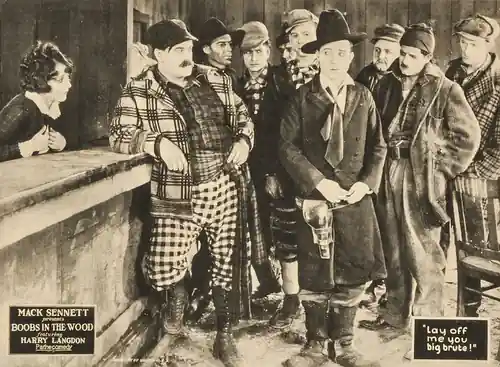
The film's portrayal of the Wild West, while stylized, captures the essence of a bygone era, recalling the works of filmmakers like Leo McCarey, who directed Honeymoon Ranch and Among the Counterfeiters. The attention to detail in the production design and costumes adds to the film's authenticity, immersing the viewer in the world of the story.
In conclusion, Boobs in the Wood is a cinematic gem that offers a nuanced exploration of masculinity, ambition, and love. With its thoughtful direction, memorable performances, and timeless themes, it is a film that will resonate with audiences for generations to come. While it may not be as well-known as some of its contemporaries, such as The Lover of Camille or Burning the Candle, Boobs in the Wood is a hidden treasure that deserves to be rediscovered.
Ultimately, Boobs in the Wood is a film that challenges its viewers to rethink their assumptions about identity, community, and the human condition. With its unique blend of humor, pathos, and insight, it is a must-see for anyone interested in exploring the complexities of human experience.
IMDb —
1915
Community
Log in to comment.