DbcultAccessing Vault...
Cult Review
Senior Film Conservator
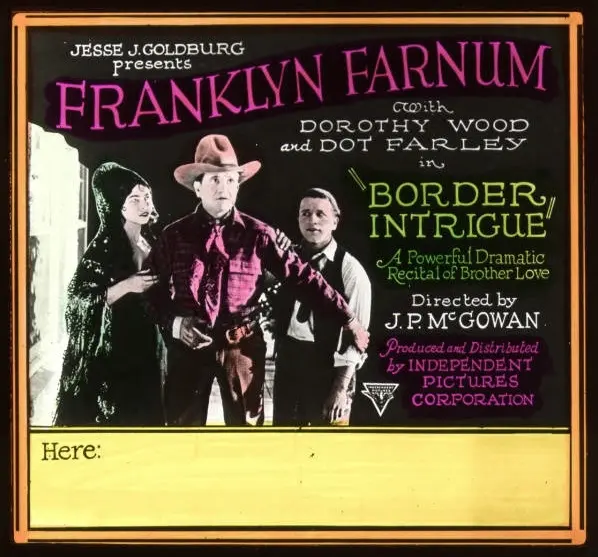
Is Border Intrigue worth watching today? Short answer: yes, but with a significant asterisk. This early Western, while undeniably a product of its time, offers a fascinating glimpse into the nascent stages of a genre that would define American cinema, making it a compelling watch for film historians and devotees of classic Hollywood, yet likely a challenging, perhaps even frustrating, experience for those accustomed to modern narrative conventions and pacing.
This film carves out a niche for those who appreciate the foundational grit of early cinema and the raw, often unpolished storytelling that characterized the silent era and its immediate aftermath. It is not for viewers seeking rapid-fire plots, complex visual effects, or contemporary moral sensibilities. It demands patience and a genuine interest in cinematic history.
This film works because of its unflinching portrayal of fraternal loyalty against a harsh, unforgiving backdrop, elevated by a surprisingly nuanced performance from Jack Vernon.
This film fails because its narrative structure, while ambitious for its era, occasionally meanders, and some supporting character motivations remain frustratingly underdeveloped.
You should watch it if you appreciate the raw, foundational storytelling of early Westerns and are keen to observe how themes of duty and danger were initially explored on screen, particularly if you're interested in the evolution of character-driven drama in the genre.
James Ormont’s Border Intrigue plunges us into a desolate, sun-baked world where the bonds of family are tested against the unforgiving realities of the frontier. The premise is elegantly simple: a seasoned cowboy, portrayed with understated gravitas by Jack Vernon, must venture south to the turbulent Mexican border. His mission? To rescue his younger, impetuous brother, played by Mack V. Wright, who has predictably stumbled into deep trouble, primarily due to a romantic entanglement with a local Mexican girl, Emily Barrye.
The film, despite its age, manages to tap into primal themes of responsibility and the lengths one will go for kin. Vernon’s character embodies the stoic archetype, a man of few words but profound action, a stark contrast to Wright’s hot-headed and often foolish sibling. This dynamic forms the emotional core of the narrative, driving the plot forward even when the pacing occasionally falters.
Ormont’s script, while not revolutionary, effectively sets the stage for a compelling character study wrapped in the guise of a Western adventure. It’s less about grand gunfights and more about the slow burn of tension and the moral compromises inherent in a lawless land. The 'intrigue' in the title isn't a complex espionage plot, but rather the tangled web of personal loyalties and dangerous liaisons.
James Ormont’s direction in Border Intrigue is, in many ways, a fascinating time capsule. The filmmaking style is direct, unpretentious, prioritizing clear storytelling over elaborate flourishes. This isn't a bad thing; it allows the stark beauty and inherent danger of the border setting to shine through without distraction. Ormont excels in establishing atmosphere, particularly in the dusty, isolated towns and expansive, empty landscapes that dominate the visual palette.
However, the pacing will undoubtedly test modern audiences. There are long stretches of visual storytelling, moments where the camera lingers, allowing the environment to speak volumes. For instance, a sequence involving Vernon’s solitary ride across a vast desert plain feels almost meditative, conveying his determination and the sheer scale of his task more effectively than any dialogue could. Yet, this deliberate pace can also lead to narrative lulls, particularly in the middle act where the plot progression feels less urgent.
Compared to the more frenetic energy of later Westerns or even the slapstick precision of contemporaries like Tillie's Punctured Romance, Border Intrigue feels like a slow, deliberate march. Ormont seems more interested in the psychological toll on his characters than in a rapid succession of events. This choice, while potentially alienating for some, is also its secret weapon, forcing viewers to absorb the atmosphere and the quiet desperation of the situation.
The ensemble cast, a mix of seasoned character actors and rising stars of the era, delivers performances that are largely effective within the conventions of early cinema. Jack Vernon, as the elder brother, is the anchor of the film. His portrayal is a masterclass in understated masculinity. He conveys a deep sense of weary responsibility through subtle facial expressions and a commanding physical presence, particularly in a tense, wordless confrontation with a local enforcer played by Slim Whitaker. It’s a performance that speaks volumes without needing to utter a single line.
Conversely, Mack V. Wright, as the troublesome younger brother, leans into the more melodramatic acting style prevalent at the time. His expressions of fear and youthful arrogance are perhaps a little broad for modern tastes, but they serve to highlight the stark contrast between the brothers. While some might find his character frustratingly one-dimensional, I argue that he represents a common archetype of the era—the impulsive, morally ambiguous anti-hero whose flaws drive much of the drama, making him more complex than a mere stock figure.
The female roles, particularly Emily Barrye as the Mexican girl and Mathilde Brundage in a supporting role (perhaps as a sympathetic saloon owner or ranch matriarch), are more constrained by the era's limitations. Barrye's character, despite being central to the plot's instigation, often feels more like a plot device than a fully fleshed-out individual. Yet, in fleeting moments, she manages to convey a quiet desperation and resilience that hints at a more complex inner life, particularly in a poignant scene where she attempts to communicate her plight to Vernon without words. Brundage, on the other hand, brings a strong, almost maternal presence, offering a grounded perspective amidst the chaos, a welcome respite from the male-dominated narrative.
The visual language of Border Intrigue is one of stark beauty and palpable grit. The black and white cinematography, while rudimentary by today's standards, is utilized effectively to create a sense of realism and desolation. The expansive shots of the desert, the dusty streets, and the humble adobe structures paint a vivid picture of the setting. There's a particular sequence involving a nighttime pursuit where the use of deep shadows and flickering torchlight creates a genuinely tense and atmospheric mood, showcasing a nascent understanding of visual suspense that was ahead of its time.
The film's tone is consistently serious, almost somber. There are few moments of levity, reflecting the harsh realities of the frontier and the gravity of the brother's predicament. This unwavering seriousness contributes to the film’s authenticity, preventing it from devolving into simplistic adventure. It's a tone that aligns well with the moral ambiguities explored, such as the blurred lines between justice and vengeance, and the personal cost of loyalty in a lawless land.
Ormont and his cinematographer (uncredited in many early productions, but clearly skilled) understood the power of the landscape as a character itself. The border isn't just a backdrop; it's an active participant in the drama, a symbol of division, danger, and the untamed spirit that defines the Western genre. This attention to environmental detail, while simple, grounds the narrative in a powerful sense of place that many contemporary films often overlook in favor of spectacle.
Border Intrigue sits comfortably within the early canon of the Western genre, predating many of the more elaborate and mythologized entries. It’s a film that focuses on the practicalities and personal dramas of frontier life rather than romanticizing the cowboy figure. It lacks the grandiosity of later epic Westerns, but gains an intimacy that is equally compelling.
It serves as a fascinating counterpoint to films that prioritized spectacle, like certain sequences in The Rescue, or the burgeoning romantic comedies of the era, such as The Pretty Sister of Jose. Instead, Border Intrigue aligns more closely with the foundational Westerns that sought to explore themes of survival, moral codes, and the clash of cultures in a developing nation. Its focus on the Mexican border, a common trope, is handled with a degree of realism that, while perhaps not fully nuanced by today's standards, was relatively progressive for its time, avoiding some of the more egregious caricatures found in other early films.
The film's exploration of cross-cultural relationships, even if simplified, marks it as a work attempting to grapple with the complex realities of the region. It's an important stepping stone in the genre's evolution, showing how early filmmakers began to move beyond simple hero-villain narratives towards more character-driven conflicts.
Yes, for the right audience, Border Intrigue is absolutely worth watching. It's not a casual viewing experience. You need to approach it with an appreciation for its historical context and filmmaking style. It offers valuable insights into early Western storytelling.
The film provides a window into the narrative techniques and acting conventions of its era. It’s a testament to the enduring power of simple, human stories. The central theme of fraternal loyalty remains timeless. It works. But it’s flawed. Its slow pace and occasional narrative ambiguities might deter some. However, its strengths lie in its authenticity and the compelling performance of Jack Vernon. It’s a solid piece of cinematic history.
Border Intrigue is more than just a historical curiosity; it’s a foundational piece of the Western genre that, for all its limitations, still possesses a quiet power. It’s a film that asks you to slow down, to engage with its deliberate pace, and to appreciate the raw, unvarnished storytelling of an earlier era. While it won't appeal to everyone, those willing to invest their time will discover a compelling tale of duty, danger, and the enduring strength of familial bonds.
It may not be a flawless experience, but its strengths—particularly Jack Vernon's commanding presence and Ormont's ability to conjure a palpable sense of place—make it a valuable watch for anyone serious about understanding the roots of American cinema. It’s not a masterpiece, but it’s an important one, a testament to the enduring appeal of the frontier narrative. Seek it out if you dare to venture into cinema's rugged past.
IMDb 5.1
1921
Community
Log in to comment.