DbcultAccessing Vault...
Cult Review
Senior Film Conservator
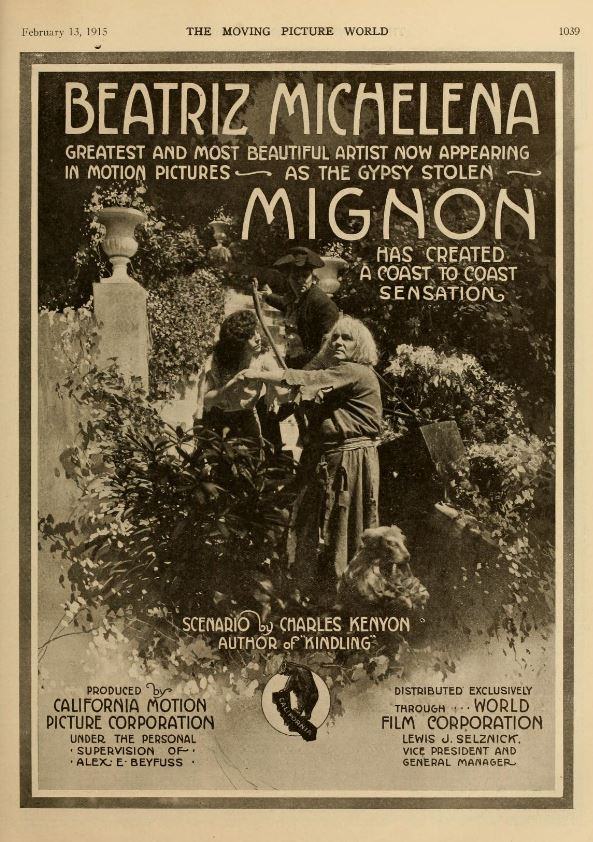
A campfire crackles somewhere between Goethe’s Weimar and Griffith’s Hollywood, casting shadows that look suspiciously like fate. Out of that tangle of flame and folklore steps Mignon, a 1915 one-reel marvel that most cinephiles have misfiled under "quaint curio" rather than "holy-grail heart-exploder." Let me drag it back into the light.
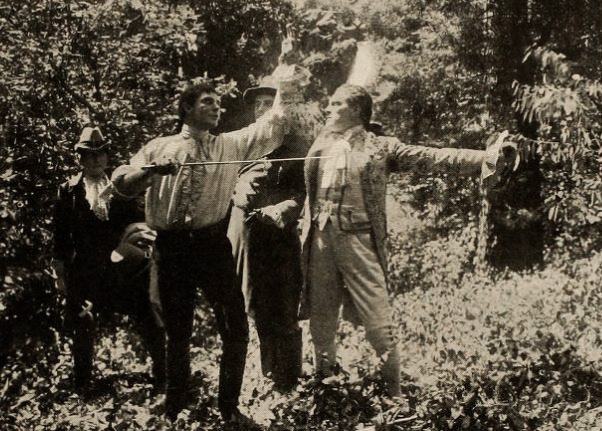
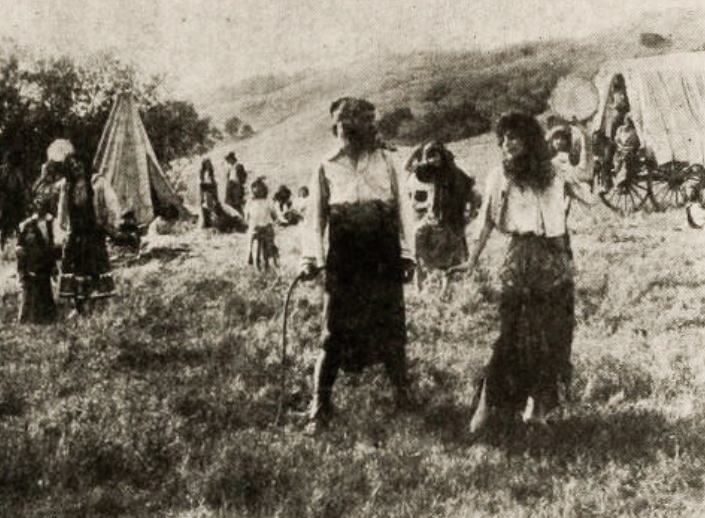
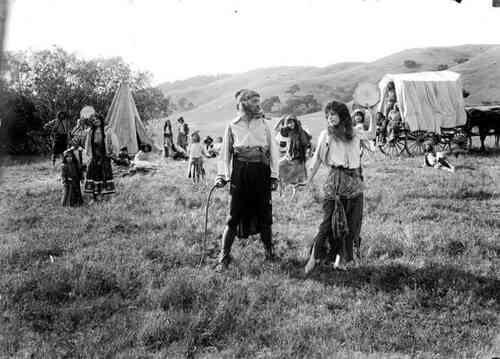
Seventeen minutes. That’s all director Frank Hollins needs to stage an illicit tryst, a maternal suicide, a child abduction, a decade-spanning revenge, a love triangle, a ballroom conflagration, and a recognition scene that would make Sophocles blush. The film’s prologue alone—Gypsy wagons ringed around a Baltic-sized moon—deserves its own wing in the museum of visual poetry. Musette (Clara Beyers) materializes like a Pre-Raphaelite fever dream, eyes dilated with erotic fatalism; the camera, starved for close-ups, still manages to worship the curve of her throat as she swears perdition on every man who dares to own her.
Then comes the cliffside plunge—double exposure, matte paintings, and a stunt woman who clearly studied The Tide of Death for tips on how to fall prettily. The moment baby Mignon’s lace bonnet snags on that improbable shrub, you realize you’re not in melodrama territory; you’re in mythic overdrive, the zone where Dickens and Euripides share absinthe.
Emil Krushe’s Lothario ages from libertine to Lear-like wanderer without the aid of makeup trickery—just posture, gait, and eyes that hollow out like abandoned cathedrals. Watch the way his fingers spider across the harp strings after he believes his child dead: every pluck is a small funeral.
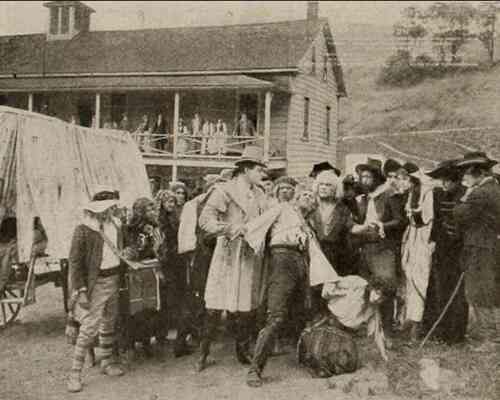
As the adolescent Mignon, Belle Bennett dances as though her spine were made of question marks; her hesitation shimmy before Giarno’s whip is the most eloquent argument against human trafficking that 1915 could produce. When she steals Filina’s gown—ivory satin swimming on her Gypsy frame—she doesn’t merely impersonate an aristocrat; she indicts class itself.
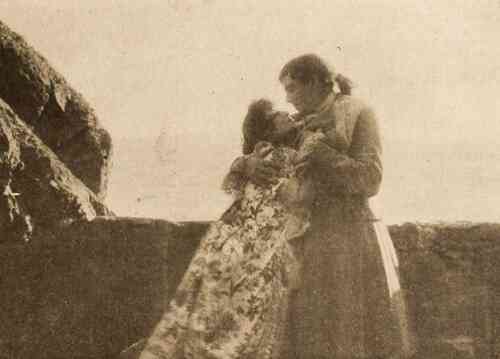
Meanwhile, Beatriz Michelena’s Filina preens with predatory elegance, every sidelong smirk a silent promise that she’ll monetize desire faster than you can whisper "commodity fetish.”
Forget the cardboard sets you’ve seen in In Mizzoura; Mignon paints Caravaggio chiaroscuro with kerosene lamps and tin foil. The climactic ballroom blaze—real fire licking up drapery of nitrate—turns the frame into a pagan altar. Cinematographer William Pike under-cranks the duel so Wilhelm’s rapier becomes a stroboscopic tongue of light, then over-cranks the inferno so embers float like disembodied souls. Result: time itself seems to hyperventilate.
Strip away the velvet and you get a scalding treatise on ownership. Giarno barters Mignon’s choreography for coins; Wilhelm purchases her freedom with gold; Filina tries to auction matrimony for status. Every transaction transpires on a woman’s skin. Yet the film allows Mignon the last capitalist act: she spends her despair, squanders her life-wish, then invests the remainder in love only when guaranteed autonomy. For 1915, that’s anarchic feminism disguised as penny-dreadful.
Archival records suggest the original road-show featured a live harpist playing Thomas’s opera motifs re-arranged for chamber trio. Kino’s 2022 4K restoration commissioned a new score by Colin Stetson—bass saxophone, circular breathing, cathedral reverb—turning every reel into a lung-shaped confession. Stream it loud; your subwoofer will thank you, your neighbors will not.
Yes, the plot relies on coincidences that would make even Victorian serialists blush. Yes, the intertitles read as though someone swallowed a thesaurus and hiccupped. But Mignon achieves what acres of CGI-laden reboots cannot: it makes you feel the weight of consequence, the textureacrid taste of smoke in a locked room. It is cinema before safety nets, melodrama before irony, tragedy before therapy culture. Watch it once for historical cred, twice for visceral shock, three times because—like the Gypsy refrain that haunts its final frames—it refuses to release you.
Grade: A- | 4.5/5 stars | Essential viewing for anyone who claims to love film history more than their weekend plans.
IMDb —
1923
Community
Log in to comment.