DbcultAccessing Vault...
6.6/10
Senior Film Conservator
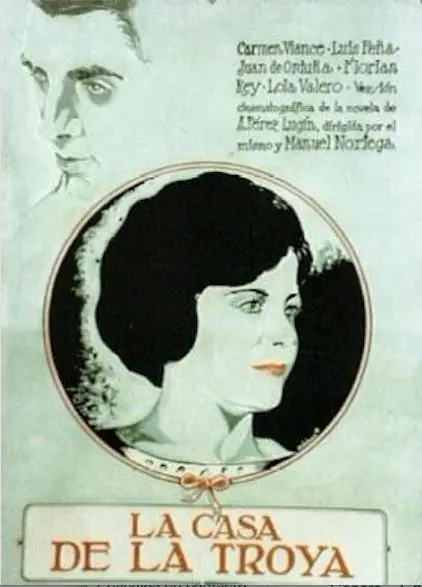
A definitive 6.6/10 rating for a film that redefined the boundaries of cult cinema. La casa de la Troya remains a cornerstone of transgressive art.
Stepping into the world of 'La casa de la Troya' is akin to unearthing a beautifully preserved time capsule, transporting us to the twilight years of the 19th century in Santiago de Compostela, Spain. This cinematic endeavor, penned by the insightful duo of Alejandro Pérez Lugín and Manuel Noriega, is far more than a mere period piece; it's a vibrant tapestry woven with the threads of nascent love, spirited academia, and the insidious tendrils of familial ambition. The film doesn't just present a story; it immerses the viewer in a specific cultural milieu, offering a window into the social mores and romantic ideals of a bygone Galician era. It's a testament to storytelling that transcends the limitations of its production period, resonating with themes that remain eternally human.
The choice of Santiago de Compostela as the primary setting is nothing short of inspired. Far from being a mere backdrop, the ancient city, with its rain-kissed stones, labyrinthine alleys, and the hallowed halls of its university, becomes a character in itself. The film captures the unique cadence of Galician life – the blend of devout tradition and burgeoning intellectual curiosity. One can almost feel the damp chill in the air, the scent of aged parchment, and the convivial clamor of student life emanating from the screen. This sense of place is crucial, as it grounds the romantic narrative in a tangible, believable reality. The city isn't just a location; it's an atmosphere, a living, breathing entity that influences the characters' choices and destinies. The contrast between the rigid, traditional structures of society and the youthful exuberance of the student body provides a dynamic tension that propels the narrative forward.
At the core of 'La casa de la Troya' lies a captivating dual narrative: a tender love story unfolding parallel to a vivid depiction of student life. The unnamed young man, a quintessential university student, finds his academic pursuits and boisterous friendships forming the bedrock of his existence. His days are filled with studies, philosophical debates, and the kind of carefree camaraderie that defines youth. This vibrant student world, brought to life by the energetic performances of the cast, including the lively The Courageous Coward, often serves as a delightful counterpoint to the more serious romantic entanglements. It’s in this bustling environment that he encounters the object of his affection, setting in motion a romance that is both deeply personal and emblematic of the era's romantic ideals.
The blossoming relationship between the two protagonists is portrayed with a delicate touch, emphasizing the subtle glances, unspoken desires, and societal constraints that shaped courtship in the late 19th century. Dolores Valero and Guillermo Muñoz, in their respective roles, manage to convey a genuine emotional connection, even within the stylized conventions of early cinema. Their performances speak volumes through gesture and expression, painting a portrait of young love that is both innocent and deeply felt. This romantic arc, while central, is never allowed to overshadow the broader social commentary inherent in the film, particularly concerning the role of education and the emerging independence of young adults.
No great love story is complete without its antagonists, and 'La casa de la Troya' delivers this in the form of an ambitious family whose designs threaten to sever the lovers' bond. This family, driven by social climbing and material gain, represents the more cynical aspects of societal structure. Their machinations are not overtly villainous in a melodramatic sense, but rather insidious, weaving a subtle web of pressure and manipulation. This kind of familial interference, where personal happiness is sacrificed for perceived social advantage, is a timeless theme, echoing through cinematic history from Dorothy Vernon of Haddon Hall to more modern narratives about class and marriage. The strength of the film lies in how it portrays these intrigues not as cartoonish evil, but as a realistic reflection of the era's social pressures.
The interplay between the sincere intentions of the young lovers and the calculating maneuvers of the ambitious family forms the central conflict. The tension is palpable, as viewers become invested in the protagonists' struggle against forces that seem insurmountable. The film cleverly uses the student friends as a vital counterpoint to this negativity. Their loyalty and collective ingenuity provide the much-needed support system for the young man, turning what could have been a solitary battle into a communal effort. This emphasis on camaraderie and mutual aid adds a layer of warmth and optimism to an otherwise fraught narrative. It highlights the idea that true wealth lies not in status or fortune, but in genuine human connection and unwavering friendship.
The film's success is undeniably bolstered by its extensive and talented cast. Beyond the central figures of Dolores Valero and Guillermo Muñoz, the supporting players breathe life into the vibrant world of Santiago. Carmen Viance and Clotilde Romero, for example, contribute nuanced performances that add depth to the community. José Argüelles and Juan Maestre, among others, embody the spirited student body, their collective energy infusing the screen with authenticity. Even the inclusion of the Agrupación Folclórica Cantigas e Agarimos, a real folk group, lends an unparalleled layer of cultural richness and authenticity, grounding the film firmly in its Galician roots. This kind of authentic cultural integration is a hallmark of truly immersive storytelling, distinguishing it from more generic period pieces.
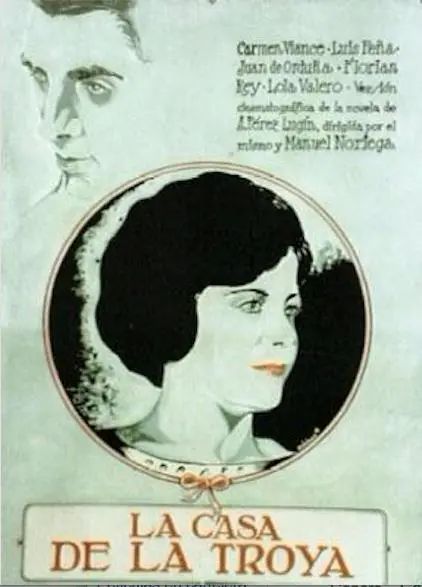
Juan de Orduña, Arturo Marín, Juan Muñiz, and the many others listed in the cast, each contribute to the bustling, believable world. Their collective efforts create a sense of a living, breathing community, where every face tells a story. This ensemble approach prevents the film from feeling solely focused on the romantic leads, instead expanding its scope to comment on broader societal interactions. The nuanced performances, even in roles that might seem minor, ensure that the world of 'La casa de la Troya' feels rich and fully realized. It's a testament to the directorial vision that such a large cast is managed so effectively, each individual contributing to the overall narrative tapestry.
Given its era, 'La casa de la Troya' relies heavily on visual storytelling. The cinematography, while perhaps not as technically advanced as later works like The Unholy Three, is nevertheless effective in conveying emotion and advancing the plot. The framing of shots, the use of natural light, and the deliberate movements of the actors all contribute to a visual poetry that is both evocative and informative. The film's pacing is deliberate, allowing moments of quiet introspection to breathe alongside scenes of lively student antics and dramatic confrontation. This careful balance ensures that the audience is fully absorbed in the narrative, rather than rushed through it. The visual language speaks volumes, communicating the characters' inner turmoil and external struggles without the need for extensive dialogue.
The directors, drawing from the source material by Lugín and Noriega, exhibit a keen understanding of how to translate literary nuances into cinematic form. The narrative flows organically, building tension gradually and resolving conflicts with a satisfying, if sometimes bittersweet, conclusion. This narrative craftsmanship is a key factor in the film's enduring appeal. It's not just a series of events; it's a carefully constructed journey that resonates on an emotional level. The visual style, while rooted in its time, possesses a timeless quality that allows its themes to shine through, much like other classics of its period such as The Italian, which also masterfully used visual cues to convey deep emotional narratives.
Beyond the surface romance and intrigue, 'La casa de la Troya' delves into deeper thematic territory. Loyalty, particularly among the student friends, is a powerful undercurrent. Their unwavering support for the protagonist in the face of adversity is a heartwarming portrayal of genuine camaraderie. This theme of collective strength against individual hardship is a poignant reminder of the importance of community. Resilience is another key takeaway; the lovers' determination to overcome obstacles, despite the formidable odds stacked against them, speaks to the enduring human spirit. Their journey is one of perseverance, illustrating that true love often requires sacrifice and steadfastness.
The film also offers subtle yet potent social commentary on the class structures and familial expectations of late 19th-century Spain. The ambitious family's actions highlight the pressures placed on individuals to conform to societal norms and marry for status rather than affection. This critique of social rigidity, while not overtly revolutionary, is embedded within the narrative, making viewers ponder the true cost of such conventions. It draws parallels with films like Black Oxen, which also explored the intricate dance between individual desire and societal demands. The film doesn't preach, but rather presents a scenario that allows the audience to draw their own conclusions about the fairness and wisdom of these societal constructs.
In the grand tapestry of Spanish cinema, 'La casa de la Troya' holds a significant place. It's a film that not only entertained audiences of its time but also offered a valuable glimpse into a specific historical and cultural moment. Its portrayal of Santiago de Compostela, its student life, and its romantic entanglements have resonated through generations. The enduring popularity of the source novel by Alejandro Pérez Lugín, which this film adapts, further cements its cultural footprint. This cinematic rendition serves as a faithful, yet interpretative, translation of a beloved literary work, bringing its characters and themes to life on the silver screen.
Comparing it to other films of its era, one can appreciate its unique blend of romantic drama and social realism. While films like The Wildcat might have offered a different kind of intensity, or Gefangene Seele a deeper psychological dive, 'La casa de la Troya' carves its niche through its charming authenticity and evocative depiction of a specific Spanish regional identity. It's a film that invites repeated viewings, each time revealing new layers of meaning and appreciation for its meticulous craftsmanship and heartfelt storytelling. Its legacy is not just as a piece of cinematic history, but as a cultural artifact that continues to speak to the universal experiences of love, friendship, and the eternal struggle against adversity. It stands as a vibrant testament to the power of narrative to capture the essence of a place and time, making it accessible and resonant for audiences across different eras.
IMDb 5.2
1916
Community
Log in to comment.