DbcultAccessing Vault...
6.1/10
Senior Film Conservator
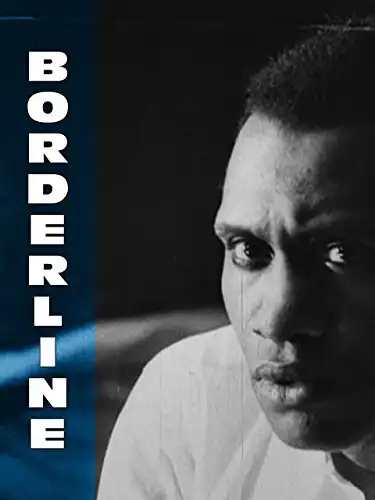
A definitive 6.1/10 rating for a film that redefined the boundaries of cult cinema. Borderline remains a cornerstone of transgressive art.
Alright, so look, Borderline isn't for everyone, and it definitely isn't a casual Sunday afternoon flick. If you’re a film history buff, someone who really digs into early cinema, or curious about how movies tackled tough topics way back in 1930, then yes, give it a shot.
But for most folks just wanting to chill out? You’ll probably find it slow, maybe even a bit confusing, and honestly, pretty uncomfortable. It’s a film that asks you to *work* a little. 😬
The premise is simple enough: a white man, his wife, and a Black woman have an affair. What follows is the wife’s slow unraveling and the town's ugly reaction, mostly aimed at the Black woman. It’s a heavy, heavy core.
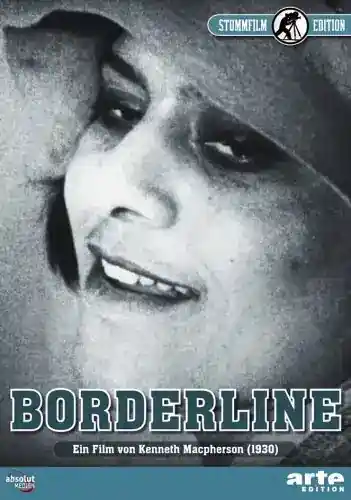
It’s not really about a tidy plot; it's more about emotions bubbling up and the crushing weight of societal judgment. You feel the tension, even when nothing much is 'happening'.
The standout here, without a doubt, is Eslanda Robeson. She’s just magnetic on screen. Her face, her eyes – they convey *so much* without a single spoken word.
There’s a shot where she’s just sitting, listening, and you can almost feel the weight of the world on her shoulders. It’s a masterclass in silent acting, really. She’s quiet but demands your attention.
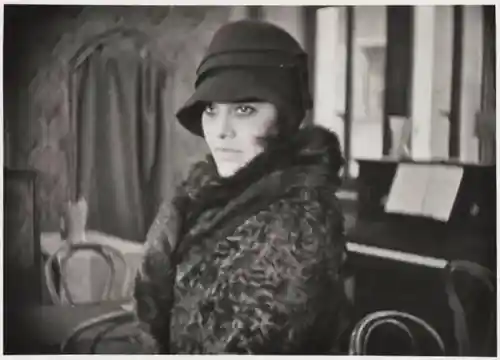
You can see the film trying to grapple with her character’s isolation. It’s not always subtle, but for its time, it’s bold.
Winifred Ellerman, playing the wife, also has some really intense moments. Her descent into what looks like madness is portrayed with these dramatic, almost exaggerated gestures that are so typical of the era.
One scene, she’s pacing, almost twitching, and the camera just stays on her. It’s hard to watch, but you can’t look away. It’s very *physical* acting.
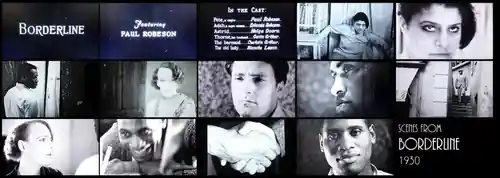
The film really emphasizes the onlookers. The townspeople aren’t just background noise; their stares, their whispers, their huddled groups become a character themselves. They represent the crushing social pressure.
It’s like they’re always watching, always judging. You can almost feel their collective disapproval hanging in the air. 🌬️
This movie feels like a film school project in the best way. It’s clearly experimenting with close-ups, with editing, with how to show internal turmoil externally. The director, Kenneth MacPherson, wasn't afraid to push boundaries.
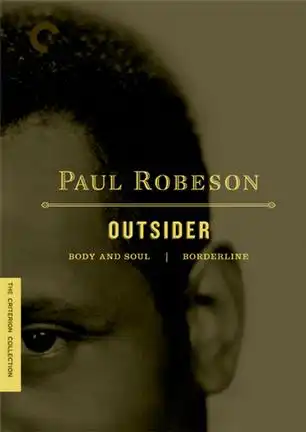
It’s not always smooth, but that’s part of its charm, I guess. It feels raw, unpolished, and very honest in its attempts.
Paul Robeson is in this too, but his role is much smaller, almost symbolic. He's a powerful presence, definitely, but the story isn’t really centered on him.
He's a quiet anchor, a source of strength that exists on the periphery. You feel his importance even without him dominating the screen time.
Ultimately, Borderline is a fascinating, if difficult, watch. It’s a stark reminder of the prejudices that existed – and still exist – and how they can tear lives apart. It doesn't offer easy answers or clean resolutions.
It just lays out this messy, uncomfortable situation and lets you sit with it. You can tell they were trying to say something important, even if the tools they had in 1930 were still a bit clunky.
It's a film that stays with you, not because of a thrilling plot, but because of its raw emotional power and its unapologetic look at the ugly side of humanity. Definitely not one for light viewing, but for serious film watchers, it's a piece of history worth experiencing. 🧐
IMDb 6.1
1925
Community
Log in to comment.