DbcultAccessing Vault...
5.6/10
Senior Film Conservator
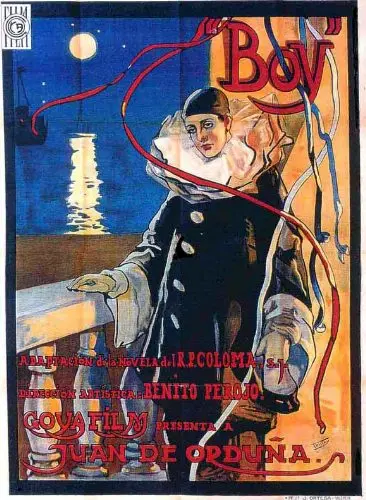
A definitive 5.6/10 rating for a film that redefined the boundaries of cult cinema. Boy remains a cornerstone of transgressive art.
Is the 1925 silent film Boy worth watching today? Short answer: yes, but with significant caveats. This historical Spanish drama offers a fascinating, if sometimes frustrating, glimpse into early 20th-century cinema, making it a compelling watch for cinephiles and historians, yet likely a challenging one for casual viewers accustomed to modern narrative conventions.
This film works because it attempts a sprawling narrative that blends societal commentary with a compelling murder mystery, showcasing ambitious storytelling for its era. It fails because its pacing can be wildly inconsistent, and certain character motivations feel underdeveloped, sacrificing emotional depth for plot propulsion. You should watch it if you appreciate the historical context of silent cinema, are interested in early Spanish film, or enjoy uncovering the roots of dramatic storytelling; however, those seeking fast-paced plots or nuanced psychological thrillers might find its rhythm and expressive style somewhat alienating.
The plot of Boy, based on a novel by Luis Coloma, unfolds with a distinct melodramatic flair, characteristic of its time. We are introduced to the titular Boy, played with youthful exuberance by Raymond Guérin-Catelain, as he returns from a naval mission. His initial joy is immediately undercut by a domestic situation he finds intolerable: his father has taken in a woman Boy instantly despises. This immediate conflict sets a tone of simmering resentment that permeates much of the film’s early acts.
The film swiftly moves Boy from one precipice to another. His infatuation with a countess, whose lavish lifestyle acts as a seductive siren call, is depicted with a speed that feels both exhilarating and alarming. This rapid descent into romantic and financial entanglement is arguably the film’s most compelling, if not entirely believable, narrative engine. It’s a classic tale of youthful folly, but here, it's amplified by the silent era's need for broad strokes and clear visual cues.
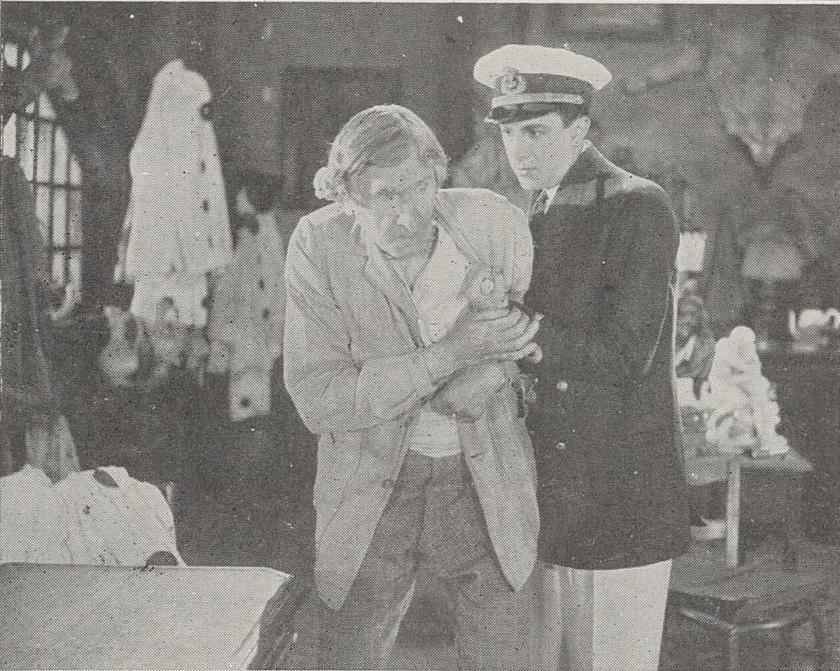
The pacing, particularly in these early sequences, is surprisingly brisk. Director Benito Perojo doesn't linger on the nuances of Boy’s emotional state as he falls in love or squanders his fortune. Instead, the narrative propels forward, almost as if destiny itself is rushing Boy towards his inevitable downfall. This approach, while sacrificing some psychological depth, creates a sense of urgency that keeps the viewer engaged, even if the motivations sometimes feel thin.
A specific moment that encapsulates this narrative drive is the sequence depicting Boy's escalating debt. Rather than a slow burn, we see montages of parties, gambling, and increasingly desperate interactions with a moneylender. It’s a shorthand, certainly, but an effective one for conveying the spiraling nature of his predicament. The film doesn't ask us to deeply understand Boy's choices, but rather to witness their dramatic consequences.
The introduction of the murder mystery injects a much-needed jolt into the already dramatic storyline. The sudden death of Boy’s moneylender, with all evidence pointing to the financially ruined viscount, shifts the film from a domestic drama of moral decline to a full-blown whodunit. This pivot is handled with a certain bluntness, typical of the era, but it effectively ratchets up the stakes. It's a testament to the film's ambition that it attempts to weave together such disparate narrative threads, even if the seams occasionally show.
The acting in Boy, like many films of the silent era, relies heavily on exaggerated gestures, expressive facial movements, and clear physical storytelling. Subtlety, as we understand it in modern cinema, is largely absent, replaced by a theatricality that was essential for conveying emotion without spoken dialogue. This can be jarring for contemporary audiences, but it’s crucial to appreciate it within its historical context.

Raymond Guérin-Catelain as Boy carries the emotional weight of the film. His portrayal of youthful arrogance, passionate love, and eventual despair is communicated through wide-eyed wonder, frantic hand gestures, and a perpetually worried brow. While his character's decisions often feel impulsive, Guérin-Catelain commits fully to the emotional swings, making Boy’s journey a captivating, if not always sympathetic, one. One particular scene where Boy reacts to the news of his financial ruin is a masterclass in silent despair, his physical collapse speaking volumes more than any intertitle could.
Suzy Vernon, playing the alluring countess, is equally compelling. She embodies the dangerous charm that draws Boy into his ruin. Her performance is less about overt villainy and more about a captivating allure, a woman whose beauty and lifestyle are her primary tools of influence. Vernon’s subtle smiles and elegant movements convey a sense of worldliness that contrasts sharply with Boy's youthful naivety. Her eyes, often downcast or subtly assessing, hint at a deeper, perhaps more calculating, nature beneath the glamorous surface. It's a genuinely strong performance, managing to be both captivating and slightly menacing without uttering a single word.
The supporting cast, while less prominent, contributes effectively to the film's atmosphere. Marguerite de Morlaye, as the woman Boy despises, manages to project an air of quiet defiance and dignity, making Boy's hatred for her feel somewhat unjustified and adding a layer of moral ambiguity to his character. The actors playing the various authority figures and the ill-fated moneylender also deliver performances that are functional and clear, if not particularly memorable. They serve the plot, pushing Boy's narrative forward with their reactions and actions.
What strikes me most about the performances here is their sheer physicality. Actors like Guérin-Catelain and Vernon had to communicate entire emotional arcs through their bodies and faces. This demands a unique kind of presence, and while it might feel over-the-top by today’s standards, it’s a powerful reminder of the craft required for silent cinema. It’s certainly a different beast than the nuanced, internal performances we see in films like The Easiest Way, but no less valid.
Benito Perojo’s direction in Boy is a fascinating window into early Spanish filmmaking. The cinematography, while not groundbreaking by the standards of its more famous international contemporaries, is competent and often effective in establishing mood and place. The film utilizes a relatively static camera for much of its runtime, allowing the actors and the elaborate sets to tell the story.
IMDb —
1917
Community
Log in to comment.