DbcultAccessing Vault...
7.1/10
Senior Film Conservator
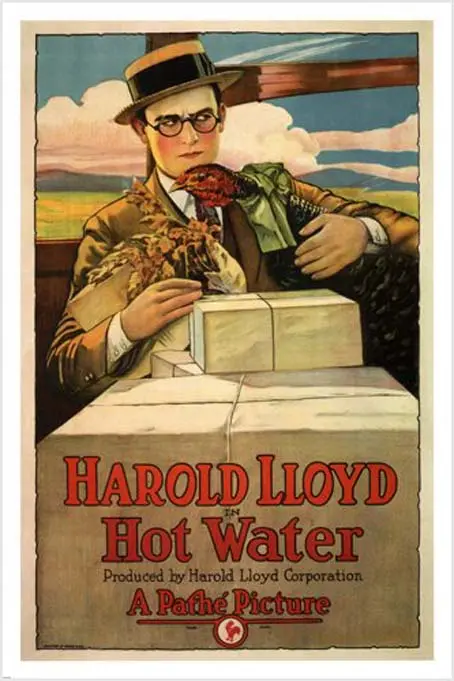
A definitive 7.1/10 rating for a film that redefined the boundaries of cult cinema. Hot Water remains a cornerstone of transgressive art.
Stepping into the kinetic world of 1924's Hot Water is akin to being caught in a delightful, meticulously choreographed comedic cyclone. Harold Lloyd, the bespectacled everyman whose cinematic persona transcended mere slapstick, delivers a performance that remains as fresh and resonant today as it was nearly a century ago. This film isn't just a series of gags; it's a poignant, uproarious exploration of the domestic sphere, a realm often overlooked in the grander narratives of silent cinema, yet one ripe with universal anxieties and absurdities. Lloyd, as Hubby, navigates the treacherous waters of married life with an inimitable blend of optimism, exasperation, and sheer, unadulterated panic, making Hot Water a quintessential entry in his illustrious filmography.
Harold Lloyd's genius lay in his ability to embody the aspirational, yet perpetually beleaguered, common man. Unlike Chaplin's tramp or Keaton's stone-faced stoic, Lloyd's characters were often striving for middle-class respectability, caught between ambition and the relentless tide of circumstance. In Hot Water, this persona is brilliantly distilled into Hubby, a character whose aspirations for a peaceful marital existence are constantly thwarted by the formidable presence of his wife's family. The writers—Thomas J. Gray, Sam Taylor, John Grey, and Tim Whelan—craft a narrative that, while episodic, builds a cumulative sense of escalating comedic dread, a testament to their understanding of both human nature and the mechanics of farce.
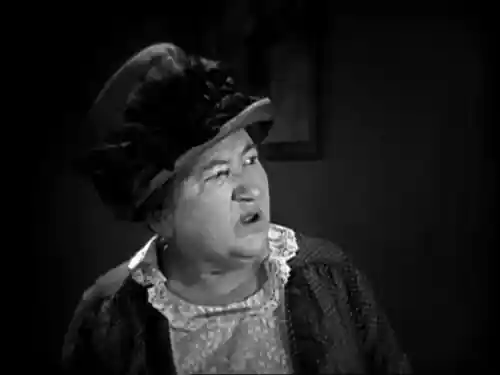
The film opens with a seemingly innocuous setup: Hubby's efforts to simply exist within his own home are complicated by the sheer gravitational pull of his in-laws. This isn't just about a domineering mother-in-law; it's a broader commentary on the delicate dance of familial integration, where personal space and individual desires often clash with the expectations of an extended clan. Lloyd's expressions, his subtle shifts from hopeful enthusiasm to wide-eyed terror, are a masterclass in non-verbal communication, drawing the audience into his plight with an empathetic grip. His struggle feels authentic, even amidst the most outlandish scenarios, which is precisely why his comedy endures. His characters, like the one in Hot Water, are us, or at least, a highly exaggerated version of our own domestic frustrations.
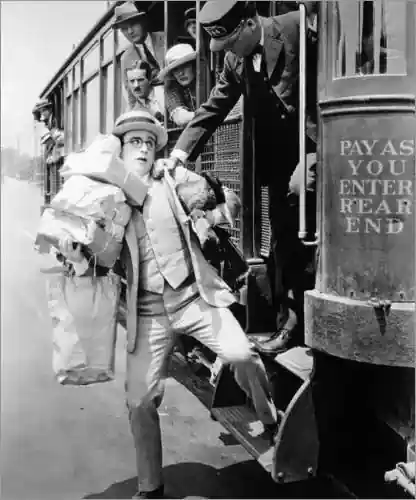
The narrative structure of Hot Water is a marvel of comedic pacing. It's not one long joke, but a series of meticulously constructed vignettes, each building upon the last to create an avalanche of absurdity. The first major set piece, the trolley ride with the live turkey, is a classic example of Lloyd's ability to extract humor from the mundane. What begins as a simple commute quickly transforms into a riotous battle against an unruly fowl in a cramped public space. The physical comedy here, involving Edgar Dearing, Pat Harmon, and Fred Holmes alongside Lloyd, is expertly executed, showcasing the chaotic energy that defined much of silent-era slapstick. One might draw a parallel to the escalating public embarrassments seen in films like The Bar Fly, where simple outings become tests of endurance.

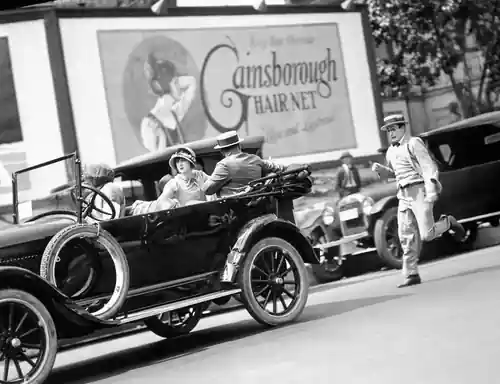
The second act introduces the new automobile, a symbol of Hubby's burgeoning independence that quickly becomes a vehicle for his further subjugation. The scene where the entire extended family, including the formidable Josephine Crowell as the mother-in-law and Jobyna Ralston as the long-suffering wife, piles into the small car is a triumph of visual comedy. The ensuing wild ride, with the car careening out of control, is a meticulously choreographed sequence that highlights Lloyd's daring physical comedy and the seamless integration of special effects for the era. The cast, including June King, George Warde, and Evelyn Burns, all contribute to the sense of confined chaos, each actor playing their part in the ensemble of domestic torment. This segment is a brilliant precursor to later road-trip comedies, demonstrating that the perils of family travel are a timeless source of laughter.
Beyond the overt gags, Hot Water delves into the psychological toll of marital life, particularly when complicated by in-laws. The film's third, and most iconic, segment sees Hubby accidentally chloroforming his mother-in-law. This moment, born of desperation and an attempt to alleviate a toothache, quickly spirals into a profound existential crisis for Hubby. His conviction that he has inadvertently committed murder is played with a sincerity that elevates the humor. The subsequent scenes, where the mother-in-law sleepwalks, are pure comedic gold, as Hubby believes he is being haunted by her vengeful spirit. This sequence brilliantly taps into primal fears of guilt, the supernatural, and, perhaps most terrifyingly for Hubby, the inescapable presence of his in-laws, even from beyond the grave.

The portrayal of the mother-in-law, a stock character in many comedies, is given a surprisingly nuanced treatment here. While she is the source of much of Hubby's anguish, her actions are not overtly malicious; rather, they stem from a well-meaning, if overbearing, personality. This makes Hubby's predicament all the more relatable and tragicomic. The film, in its own way, explores the anxieties of commitment, the loss of personal freedom, and the sometimes-suffocating embrace of family. It's a comedic echo of deeper societal concerns about the nuclear family unit and its expansion, a theme that resonates with similar domestic dramas of the era, though few tackled it with such a light touch and sheer comedic bravado.
The technical prowess displayed in
The ensemble cast, including actors like John T. Prince, Hayes E. Robertson, and Charles Stevenson, provide solid support, reacting to Lloyd's escalating predicaments with appropriate levels of bewilderment or exasperation. Mickey McBan, Andy De Villa, S.D. Wilcox, and Billy Rinaldi also contribute to the vibrant backdrop of Hubby's chaotic world. Their collective performances elevate the film beyond a mere star vehicle, transforming it into a cohesive comedic experience. The meticulous attention to detail in set design and costuming further immerses the audience in the period, lending an authentic feel to the domestic chaos.
Comparing Hot Water to other films of its time, one can appreciate its unique blend of domestic satire and physical comedy. While films like Nancy from Nowhere or The Snarl might have explored romantic entanglements or dramatic intrigue, Hot Water firmly plants its flag in the territory of everyday anxieties amplified to ludicrous proportions. It’s a precursor to countless sitcoms and family comedies, demonstrating that the universal truths of familial friction are timeless and endlessly amusing. The film's influence can be seen in later works that explore similar themes of marital strife and the often-overwhelming presence of in-laws, making it a foundational text in the genre of domestic farce.
The sheer inventiveness of the gags, particularly the extended sequence with the sleepwalking mother-in-law, showcases the creative brilliance of the writers and Lloyd himself. The way Hubby attempts to conceal her 'body' – dragging her through various precarious situations – is a masterclass in sustained comedic tension and physical humor. It’s a scene that could easily be disturbing, yet it’s played with such a light touch and frantic energy that it remains purely comical. This segment alone solidifies Hot Water's place as a landmark in silent comedy, demonstrating how to extract maximum comedic mileage from a single, outrageous premise.
Ultimately, Hot Water is more than just a series of laughs; it's a testament to Harold Lloyd's enduring legacy as a comedic visionary. His ability to connect with audiences on a deeply human level, to portray characters whose struggles, however exaggerated, mirrored their own, is what cemented his place in cinematic history. The film is a joyous, breathless ride through the trials and tribulations of married life, filtered through the unique lens of silent-era slapstick. It is a vibrant, energetic, and surprisingly insightful look at the domestic front, proving that sometimes, the greatest adventures happen not on distant shores, but within the confines of one's own home, especially when the in-laws are in town.
For anyone seeking an authentic slice of 1920s humor, a masterclass in physical comedy, or simply a good, hearty laugh, Hot Water remains an essential viewing experience. Its episodic structure, while seemingly simple, allows for a rich tapestry of comedic scenarios, each contributing to Hubby's escalating predicament. The film's themes of domesticity, the challenges of integration into an extended family, and the universal fear of accidental misdeeds are handled with a deftness that transcends its silent origins. It's a film that speaks volumes without uttering a single word, relying instead on the expressive power of its performers and the sheer ingenuity of its comedic construction. This film stands proudly alongside other classics of the era, a beacon of silent comedy that continues to charm and entertain new generations of viewers, reminding us that some anxieties, and some forms of laughter, are truly timeless. Its influence, while perhaps subtle in some modern comedies, is undeniable when one considers the enduring popularity of domestic farces. The sheer joy and inventiveness present in every frame make it a must-see for aficionados of classic cinema and anyone with a penchant for sophisticated, yet accessible, humor.
The collaborative effort between the director and the cast, including the often-unsung heroes of silent film like the stunt coordinators and set designers, is palpable. Every chaotic sequence, every close call, every moment of Hubby's escalating despair is meticulously crafted for maximum comedic impact. It is a film that demands repeated viewings, not just for the laughs, but to appreciate the intricate details of its construction. The performances of supporting cast members, like Harold Lloyd, Andy De Villa, and Mickey McBan, add layers of authenticity to the chaotic backdrop, making Hubby’s world feel lived-in and genuinely exasperating. The film’s lasting impact is a testament to the enduring power of well-executed physical comedy and relatable human predicaments, making Hot Water an indispensable piece of cinematic history.
IMDb —
1928
Community
Log in to comment.