DbcultAccessing Vault...
Cult Review
Senior Film Conservator
Short answer: yes, but with significant caveats. "Boys Will Be Girls" offers a fascinating, if sometimes frustrating, glimpse into early cinematic comedy and its adventurous spirit regarding social norms.
This film is absolutely for cinephiles, film historians, and those with a keen interest in the evolution of comedic storytelling and gender representation on screen. However, it is decidedly NOT for casual viewers seeking modern pacing, sophisticated narratives, or high-definition visual polish. Approach it as an archaeological expedition, not a blockbuster.
To review "Boys Will Be Girls" is to engage in a peculiar form of cinematic archaeology, where the artifact itself is more a whisper than a roar. Lacking detailed plot specifics, we must lean heavily on the evocative power of its title and the known context of its cast and production era. The title alone, a cheeky inversion of a common idiom, promises a delightful subversion, a comedic exploration of identity, and the fluid boundaries of gender presentation. In an era when cinema was still finding its voice, such a premise was both daring and inherently funny.
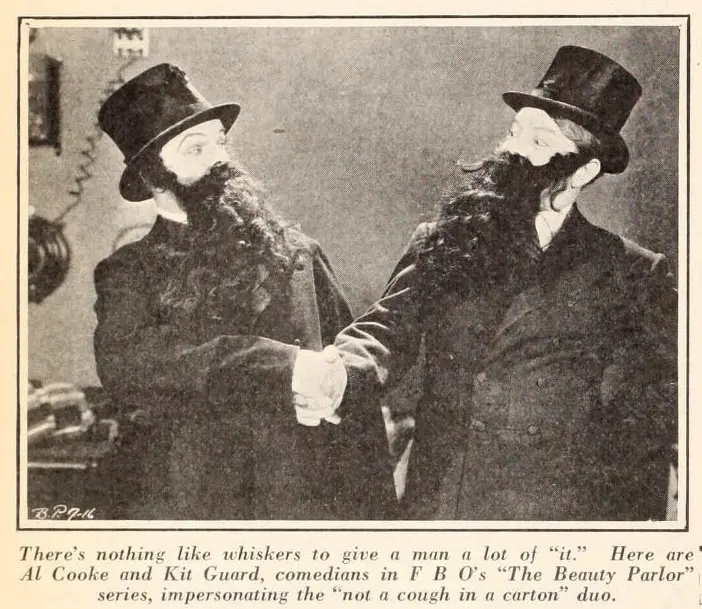
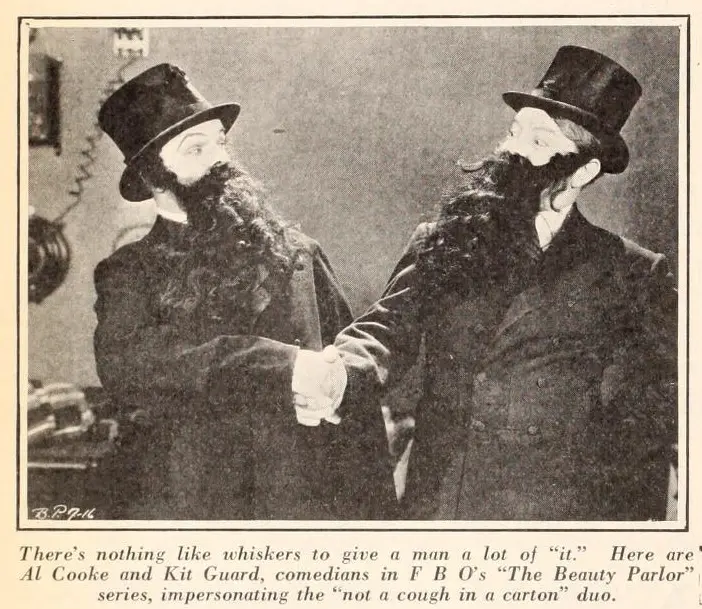
The film, starring Thelma Hill, Lorraine Eason, Danny O'Shea, Kit Guard, and Al Cooke, immediately places it within the vibrant, often chaotic, landscape of early American comedy. These actors were stalwarts of shorts, serials, and B-features, masters of physical comedy and expressive silent-era performance. Their presence suggests a film that prioritizes slapstick, visual gags, and character-driven humor over intricate dialogue or psychological depth. It’s a style that, while not always appreciated today, was the bedrock of cinematic entertainment.
The brilliance, and perhaps the biggest flaw, of "Boys Will Be Girls" lies in its simplicity. The implied premise of cross-dressing or gender role reversal is ripe for comedic exploitation. Imagine Danny O'Shea, known for his robust, often bewildered male characters, suddenly navigating the world in a flapper dress, or Thelma Hill, a vivacious comedienne, donning a suit and tie to infiltrate a male-dominated space. The humor would arise not just from the visual incongruity, but from the clash of expected behaviors with enforced roles.
This kind of gender-bending humor, while seemingly progressive, often served to reinforce traditional gender roles through the very act of lampooning them. The 'joke' was frequently that men dressed as women were inherently ridiculous, or women dressed as men were hilariously out of place. Yet, there's a subtle, almost accidental, subversion at play. By allowing characters to step into different gender expressions, even for laughs, these films inadvertently opened a door to questioning the rigidity of those very roles. This is where the film's enduring, if unintentional, value lies.
Consider the performance. Thelma Hill, a formidable screen presence, would have brought a sharp wit and physical precision to any role, male or female. Her ability to convey character through gesture and facial expression, honed in countless comedies, would be paramount here. Similarly, Danny O'Shea's broad, often exaggerated reactions would be perfect for the kind of double-takes and bewildered stares that such a premise demands. The ensemble cast, typical of these productions, would likely have played off each other with practiced comedic timing, creating a lively, if predictable, rhythm of gags.
However, the very broadness of the humor, a necessity in the early days of cinema to ensure universal comprehension, can feel simplistic to a modern audience. The pacing, too, would likely adhere to the rapid-fire succession of gags common in shorts, which can feel relentless without the narrative breathing room we expect today. It's a film that demands a certain level of historical empathy from its viewers, a willingness to meet it on its own terms rather than imposing contemporary standards.
"Boys Will Be Girls" is more than just a historical curio; it's a testament to cinema's early capacity for playful rebellion. Its lasting impact isn't in its forgotten plot, but in its audacious spirit.
Without a named director or specific cinematographic details, our analysis must again turn to the general practices of the era. Films like "Boys Will Be Girls" were often produced quickly, with functional direction focused on clearly staging gags and capturing performances. The directorial vision, therefore, would have been less about auteur theory and more about effective comedic delivery.
One can imagine a preference for medium shots that capture the full physical comedy of the performers, with occasional close-ups to emphasize facial expressions during moments of confusion or revelation. The camera would likely be static, observing the antics unfold, rather than engaging in dynamic movement. This approach, while basic by today's standards, was highly effective for the vaudeville-trained audiences of the time.
The cinematography, too, would have been straightforward. High-key lighting to ensure visibility, with perhaps some rudimentary efforts at creating mood during more dramatic (or melodramatic) moments. The aesthetic would be functional, serving the comedy first and foremost. There's a raw honesty to this approach, a lack of pretense that can be quite charming. It’s a style that prioritizes clarity over artistry, a pragmatic choice for a burgeoning art form.
Think of the visual grammar of other comedies from the period, like Horse Shoes or Pajamas. They relied on clear blocking, exaggerated movements, and well-timed entrances and exits. The direction of "Boys Will Be Girls" would almost certainly have followed a similar playbook, ensuring that the visual punchlines landed with maximum impact. The skill lay in precision, not necessarily in innovation.
The pacing of early comedies like this was typically brisk, almost relentless. Gag followed gag, with little time for reflection or character development beyond the immediate comedic situation. This rapid tempo was designed to keep audiences engaged, preventing any lulls that might allow for critical thought. It’s a high-energy approach that can be exhilarating or exhausting, depending on one's tolerance for constant comedic bombardment.
The tone would undoubtedly be lighthearted and farcical, leaning heavily into absurdity. Any social commentary, while present through the gender-bending premise, would be secondary to the pursuit of laughter. This isn't a film designed for deep introspection; it's designed to entertain, pure and simple. The humor would likely be broad, accessible, and occasionally risqué for its time, pushing the boundaries of what was considered acceptable on screen.
My unconventional observation about "Boys Will Be Girls" is that its very obscurity, its lack of a widely known plot, makes it more intriguing. It becomes a canvas for our own projections about what early cinema *could* be, rather than a fixed narrative. It’s a ghost of a film, haunting us with its potential.
The lasting impression of such a film, for those who seek it out, is a sense of wonder at the foundational elements of cinema. It reminds us that even before complex narratives and sophisticated techniques, filmmakers were exploring universal themes with boundless energy and a pioneering spirit. It works. But it’s flawed.
"Boys Will Be Girls" is a curious artifact, a cinematic whisper from an era of boisterous experimentation. Its primary value today lies not in its ability to captivate a mainstream audience, but in its profound historical significance. It represents a bold, comedic foray into themes of identity and societal performance that continue to resonate, albeit through a lens of early 20th-century sensibilities. While it demands an audience willing to engage with its historical context and forgive its technical and narrative limitations, the film offers a unique glimpse into the adventurous spirit of nascent cinema. It’s a film that, despite its elusive details, speaks volumes about the enduring appeal of laughter and the human desire to play with identity. For the dedicated film enthusiast, it's an essential, if incomplete, piece of the cinematic puzzle. For everyone else, it’s a fascinating, if sometimes challenging, historical curiosity.
IMDb 5.5
1927
Community
Log in to comment.