DbcultAccessing Vault...
5.7/10
Senior Film Conservator
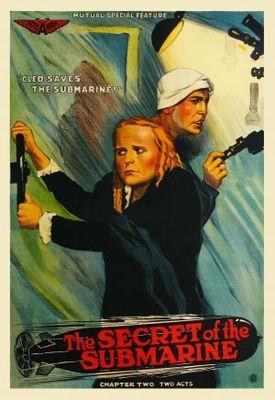
A definitive 5.7/10 rating for a film that redefined the boundaries of cult cinema. The Secret of the Submarine remains a cornerstone of transgressive art.
In the annals of early cinema, few genres captured the public imagination quite like the adventure serial. These episodic sagas, often brimming with scientific marvels, daring heroes, and nefarious villains, offered audiences a tantalizing glimpse into futures both fantastic and frightening. Among these pioneering works, 'The Secret of the Submarine' emerges as a compelling artifact, a silent film that, even in its inaugural episode, plunges viewers into a maelstrom of innovation, espionage, and existential peril. This isn't merely a historical curiosity; it's a vibrant testament to the storytelling prowess of an era that understood the raw power of visual narrative, even without the spoken word. The film, from its very genesis, establishes a grand scale of ambition and intrigue, setting a precedent for the thrilling cinematic experiences to follow.
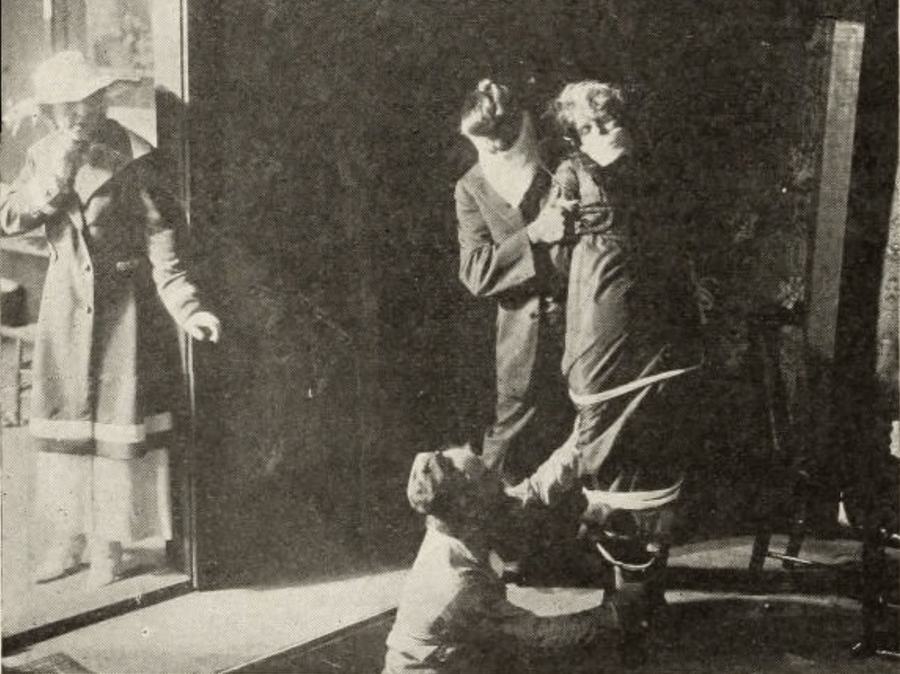
At the heart of 'The Secret of the Submarine' lies a truly revolutionary concept: Dr. Ralph Burke's groundbreaking apparatus. This isn't just an incremental improvement; it's a paradigm shift in naval technology, promising to liberate submarine craft from the restrictive reliance on compressed air, granting them the capacity for indefinite underwater operation. Such an invention, in the geopolitical climate of the early 20th century, was nothing short of a game-changer, holding immense strategic value for any nation that could harness its power. The film masterfully conveys the weight of this discovery, positioning it as a pivotal moment in global power dynamics. Dr. Burke, portrayed with a quiet intensity, is not merely an inventor but a figure whose intellect could reshape maritime warfare and exploration. His offering of this technology to the United States government underscores the nationalistic fervor and sense of duty prevalent during the period, framing the invention not just as a scientific triumph but as a bulwark for national security. The mere announcement of its perfection sets the stage for a narrative rife with high stakes and moral complexities, a silent symphony of potential and peril.
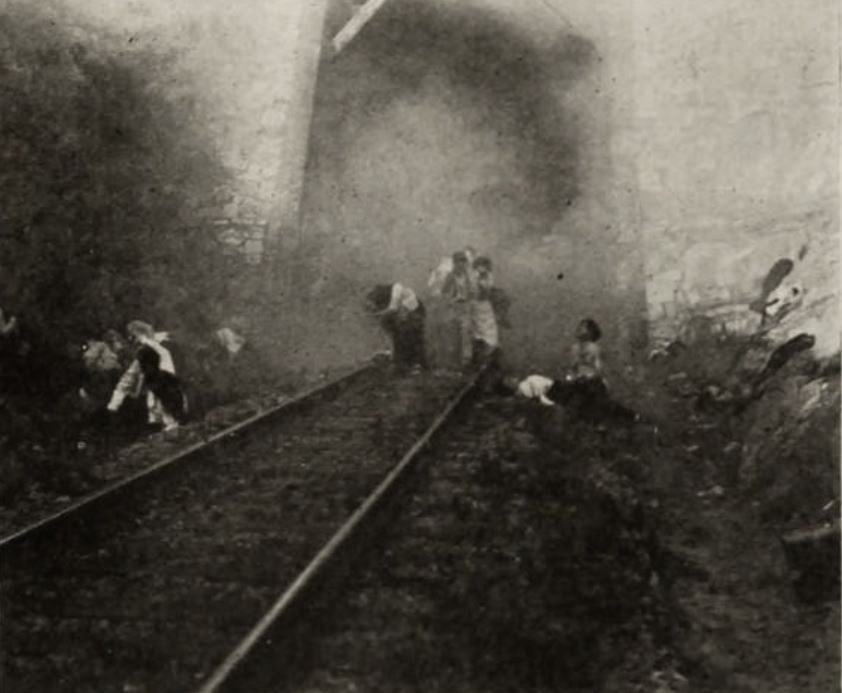
To validate Dr. Burke's claims, the U.S. Navy dispatches Lieutenant Jarvis Hope, a character embodying the quintessential cinematic hero of the era: brave, upright, and intelligent. Hope's mission is clear: to witness a practical demonstration of this remarkable invention. His journey to Burke's residence, however, is not without its personal detours. A chance encounter with Hook Barnacle, an old acquaintance whose life Hope once heroically saved from the jaws of a shark, adds a layer of unexpected humanity to the unfolding technological drama. Hook, now distinguished by a prosthetic iron hook, is a garrulous, larger-than-life character whose effusive gratitude and penchant for storytelling inadvertently become a catalyst for the ensuing intrigue. His dramatic recounting of Hope's heroism to Cleo, Dr. Burke's enigmatic daughter, sparks an immediate, palpable connection between the two. This burgeoning romance, delicately woven into the fabric of the espionage plot, provides a vital emotional anchor, grounding the grander narrative in human sentiment. The interplay between Hope's professional duty and his personal burgeoning affections hints at the sacrifices and choices that often define heroic journeys. The narrative, even in its opening episode, deftly balances the macro scale of international intrigue with the micro scale of individual relationships, ensuring that the audience has both intellectual and emotional investment.

Hook Barnacle's well-intentioned but ill-advised loquaciousness soon transforms a local secret into international news. His enthusiastic pronouncements about Lieutenant Hope's mission and Dr. Burke's invention echo through the village, reaching ears far more sinister than intended. This is where 'The Secret of the Submarine' truly begins to unfurl its intricate web of espionage. On one front, we are introduced to Sextus, a Russian operative, and Satsuma, a Japanese agent, both working under the shadowy command of the enigmatic Mahlin. Their immediate objective: to seize the submarine's secret. Their presence immediately injects a sense of global tension, reflecting the real-world anxieties and rivalries of the early 20th century. Concurrently, Olga Ivanoff, the formidable head of a Russian bureau operating within the United States, issues a direct command to Sextus: obtain the secret by any means necessary. This dual-pronged foreign threat highlights the perceived vulnerability of groundbreaking technology and the relentless pursuit of strategic advantage by rival powers. The film doesn't shy away from presenting a multi-faceted threat, illustrating that national security is often assailed from multiple directions.

Adding another layer of domestic perfidy is Calvin Montgomery, a wealthy and influential lobbyist. Driven by motives yet fully revealed but clearly steeped in avarice or political manipulation, Montgomery dispatches his nephew, Gerald Morton, an 'unprincipled rounder,' to acquire the invention's blueprints. Gerald, a character whose moral compass is clearly skewed, also harbors suspicions regarding his uncle's unusual interest in Cleo Burke, hinting at a darker, more personal subplot beneath the technological espionage. This complex interplay of international spies and domestic opportunists creates a dense narrative tapestry, where allegiances are fluid and trust is a luxury. The film effectively builds a sense of pervasive threat, where danger lurks not only from foreign adversaries but also from within the nation's own power structures, a theme that resonates even today. The tension is palpable, a silent ticking clock counting down to the inevitable confrontation. The narrative, through these interwoven threads, suggests that the 'secret' is not merely technical but also human, residing in the hearts and minds of those who covet and protect it. While not directly comparable in plot, the underlying theme of greed driving dangerous actions might echo in films like The Curse of Greed, if it explores similar moral failings and the destructive pursuit of illicit gain.

The stage is meticulously set for the grand demonstration. The following day arrives, charged with anticipation. Lieutenant Hope, Dr. Burke, and their party board the submarine, a marvel of engineering poised to redefine naval capabilities. The initial phase of the demonstration is a resounding success, the apparatus performing flawlessly, much to the admiration and satisfaction of Lieutenant Hope. The scenes inside the submarine, even in silent form, convey a sense of claustrophobic wonder, of man's triumph over the elements. The invention works; the future seems assured. Yet, beneath this veneer of triumph, a serpent is already coiled. Satsuma, the Japanese operative, demonstrating a chilling blend of stealth and audacity, has managed to secrete himself aboard the submarine, a silent, unseen predator lurking within the belly of the beast. His presence casts a long, ominous shadow over the success of the demonstration, transforming a moment of scientific triumph into a prelude for disaster. The film masterfully uses the confined space of the submarine to amplify the tension, making Satsuma's hidden presence all the more terrifying. The audience is aware of the danger, even as the characters remain blissfully ignorant, a classic dramatic irony that heightens engagement.
Following the successful initial trials, the party repairs to the salon for a well-deserved lunch, a moment of respite that proves to be tragically ill-timed. This interlude provides Satsuma with the crucial window of opportunity he needs. Crawling stealthily from his hiding place, the operative moves with predatory precision towards the heart of the invention. His objective is not merely observation but sabotage, to cripple or steal the technology before it can be fully secured by the Americans. The scene is a masterclass in silent suspense, the tension building with every furtive movement. However, Satsuma's clandestine operations are abruptly interrupted. Dr. Burke, perhaps sensing a disturbance or simply returning to check on his prized invention, surprises the Jap. The alarm is raised, shattering the calm of the submarine's interior. Sailors, alerted to the intrusion, rush in, intent on overpowering the desperate operative. But Satsuma is no ordinary spy; he is a man driven by extreme desperation, unwilling to be captured. The ensuing struggle is chaotic and violent, a stark contrast to the earlier scenes of scientific triumph. The confined space of the submarine amplifies the danger, turning it into a powder keg ready to explode. The film effectively uses visual cues to convey the frantic energy of the confrontation, relying on the actors' physicality and the quick pace of the editing to immerse the audience in the chaos.
The desperate struggle with Satsuma reaches a catastrophic crescendo. Shots are fired in the close quarters of the submarine, and in the ensuing melee, a bullet strikes the Burke apparatus, disabling the very mechanism designed to ensure indefinite underwater operation. This single act of sabotage transforms a tense confrontation into an immediate, life-threatening crisis. The invention, once a symbol of human ingenuity and control over the elements, now becomes a harbinger of doom. Satsuma, ever resourceful and ruthless, seizes the opportunity presented by the chaos. He throws over the lever opening the conning tower trap, creating a desperate escape route. With incredible agility, he leaps up the ladder, gains the top, and dives off into the sea, disappearing into the depths as swiftly as he appeared. His escape is a chilling testament to his training and resolve, leaving behind a trail of destruction and despair. The immediate aftermath is one of sheer terror. Water pours down through the open trap, a relentless, icy torrent flooding the submarine. The air machine, now broken, renders the vessel uncontrollable. The submarine, once a sanctuary of scientific advancement, becomes a rapidly sinking coffin. Dr. Burke and his party are thrust into a desperate, harrowing battle for life in the watery darkness, their fate hanging precariously in the balance. The episode ends on this precipice of disaster, a powerful cliffhanger designed to leave audiences breathless and eager for the next installment. The visual storytelling, even without sound, would have made the frantic scramble, the rush of water, and the terrified expressions of the cast incredibly impactful, highlighting the raw danger of the situation. This dramatic climax is a testament to the serial format's ability to create sustained tension and anticipation.
At its core, 'The Secret of the Submarine' is a narrative tapestry woven with threads of innovation, international intrigue, and the inherent frailty of human endeavor. Dr. Burke's invention represents the boundless potential of scientific progress, a vision of technological mastery over nature. Yet, the film swiftly juxtaposes this optimism with the grim reality of human ambition and geopolitical conflict. The pursuit of the submarine's secret by various factions – the Russian and Japanese agents, the powerful American lobbyist – underscores the idea that groundbreaking technology, while offering immense benefits, also becomes a magnet for illicit desires and power struggles. This theme of technology as a double-edged sword, capable of both salvation and destruction, is a potent undercurrent throughout the episode. The film also explores the vulnerabilities of even the most sophisticated systems, demonstrating how a single act of sabotage can unravel years of ingenuity and foresight. The human element, too, is critically examined. Hook Barnacle's well-meaning but ultimately disastrous garrulity serves as a cautionary tale about the unintended consequences of loose lips, highlighting the importance of discretion in matters of national security. The nascent romance between Lieutenant Hope and Cleo Burke, while secondary to the primary plot, introduces a vital human dimension, suggesting that even amidst grand geopolitical machinations, personal connections and affections retain their significance. This emotional subplot offers a brief respite from the relentless tension, reminding the audience of the human stakes involved. The film, in its silent yet eloquent manner, poses profound questions about the ethics of invention, the costs of ambition, and the enduring struggle between progress and peril. It's a complex narrative, subtly delivered, that speaks volumes about the anxieties and aspirations of its time.
'The Secret of the Submarine' stands as a compelling example of early cinematic serials, a format designed to draw audiences back to theaters week after week. The episodic structure, culminating in a dramatic cliffhanger, was a shrewd marketing strategy that fostered intense loyalty and anticipation. This particular episode, with its blend of scientific wonder, thrilling espionage, and a truly catastrophic climax, exemplifies the very best of the genre's appeal. The visual storytelling, stripped of dialogue, necessitated a heightened reliance on expressive acting, evocative set design, and dynamic editing. The performances, particularly in the moments of crisis aboard the submarine, would have been crucial in conveying the terror and desperation of the situation. The film's ability to create such palpable tension and excitement without spoken words is a testament to the skill of its creators and the inherent power of the visual medium. For instance, the frantic actions of Satsuma and the ensuing struggle would have been conveyed through exaggerated gestures and rapid cuts, immersing the audience in the chaos. The use of limited special effects for the submarine's descent, while rudimentary by today's standards, would have been groundbreaking and immensely effective for contemporary audiences, truly selling the illusion of danger. The film's influence can be seen in the development of later adventure films and thrillers, establishing conventions that continue to resonate in modern cinema. It carved out a niche for high-stakes, technologically driven narratives that captivated a generation. The silent era, often overlooked in contemporary discourse, was a period of immense innovation and creativity, and 'The Secret of the Submarine' is a shining example of this pioneering spirit, demonstrating how early filmmakers pushed the boundaries of what was possible on screen. It’s a foundational text in the history of the action-adventure genre, showcasing how effectively suspense and excitement could be generated with the tools available at the time. The film's legacy lies not just in its individual story, but in its contribution to the evolution of serialized storytelling and the enduring appeal of the cinematic thriller.
In conclusion, 'The Secret of the Submarine' launches its narrative with an explosive blend of scientific ambition, international intrigue, and heart-stopping action. The first episode expertly sets the stage, introducing compelling characters, establishing clear stakes, and escalating the tension to an almost unbearable degree. Dr. Burke's invention, Lieutenant Hope's heroism, the burgeoning romance with Cleo, and the multi-pronged threat from various adversaries all converge in a spectacular and terrifying climax. The image of the submarine, once a symbol of human triumph, now rapidly sinking into the abyss, with its occupants battling for survival, is a powerful and enduring one. It leaves the audience not just entertained, but profoundly invested in the fate of these characters and the resolution of this grand, unfolding drama. This isn't just a film; it's an invitation to a saga, a compelling testament to the enduring power of early cinematic storytelling to transport, thrill, and captivate. The initial installment masterfully fulfills its purpose, leaving an indelible impression and a ravenous hunger for the subsequent chapters of this gripping underwater adventure.

IMDb —
1920
Community
Log in to comment.