DbcultAccessing Vault...
6.3/10
Senior Film Conservator
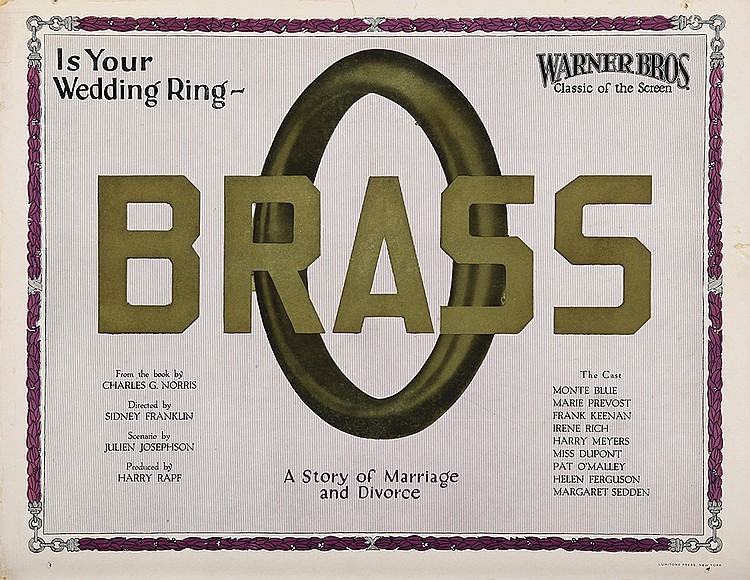
A definitive 6.3/10 rating for a film that redefined the boundaries of cult cinema. Brass remains a cornerstone of transgressive art.
Stepping back into the hallowed halls of silent cinema, one occasionally unearths a gem that speaks volumes without uttering a single word. Such is the case with 1923's Brass, a profound and often heart-wrenching domestic drama that, despite its century-old vintage, resonates with an astonishing contemporary relevance. It's a film that eschews grand spectacles for the intricate, often agonizing, landscape of the human heart, particularly as it navigates the treacherous terrain of a crumbling marriage. The narrative, deceptively simple on its surface – a wife’s desperate bid to reclaim her husband’s love and her child’s affection – unfolds with a meticulous psychological depth that belies the era’s nascent filmmaking techniques.
In an age where cinematic storytelling was still largely defined by visual metaphor and exaggerated gesture, Brass distinguishes itself through its nuanced portrayal of emotional turmoil. It’s a testament to the collaborative genius of its writers, Julien Josephson, Charles G. Norris, and Sada Cowan, who crafted a screenplay rich in unspoken tension and simmering resentment, yet ultimately imbued with a fragile hope. They understood that the most compelling dramas often play out not on battlefields or in grand ballrooms, but within the quiet confines of a home, where the subtle shifts in glances and the weight of silence can convey more than pages of dialogue ever could. This is a film that demands empathy, drawing the viewer into the raw, exposed nerves of its protagonist's struggle.
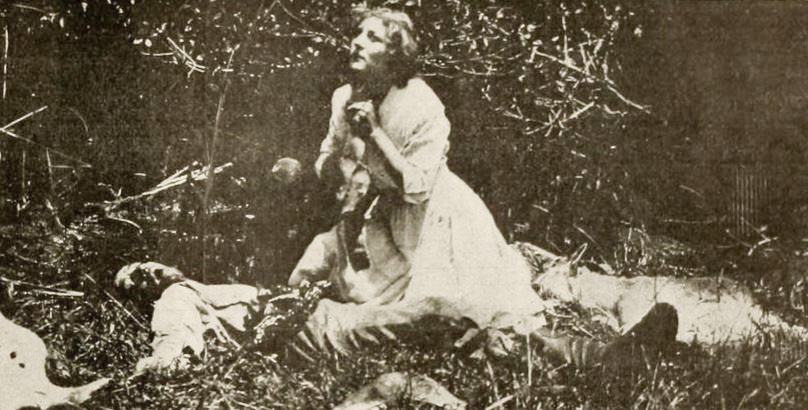
The core of Brass is the existential crisis faced by its young wife, portrayed with captivating fragility and burgeoning strength by Helen Ferguson. Her marriage, once presumably a beacon of shared dreams, has devolved into a landscape of emotional estrangement. Her husband, depicted by the stoic yet conflicted Pat O'Malley, seems to have drifted into a realm of detached indifference, leaving her to grapple with the hollow echo of what once was. The film masterfully illustrates this growing chasm, not through overt conflict, but through a series of subtle, telling moments: missed connections, averted gazes, and the palpable tension that hangs heavy in the air between them.
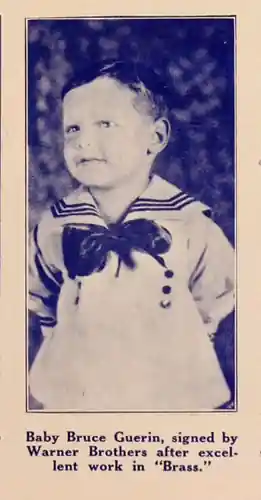
The heartbreak is compounded by the presence of their child, played by the remarkably expressive Bruce Guerin. The child becomes both a symbol of their fractured union and the ultimate prize in the wife’s desperate campaign for restoration. His innocent presence underscores the profound stakes of their marital discord, elevating the personal struggle into a broader commentary on family integrity and the ripple effects of adult unhappiness on the most vulnerable. Ferguson’s character isn’t merely seeking a return to domestic bliss; she’s fighting for the very soul of her family, for the foundational stability that every child deserves. Her plight is universal, transcending the specific social mores of the 1920s to touch upon the timeless anxieties of parental love and spousal devotion.
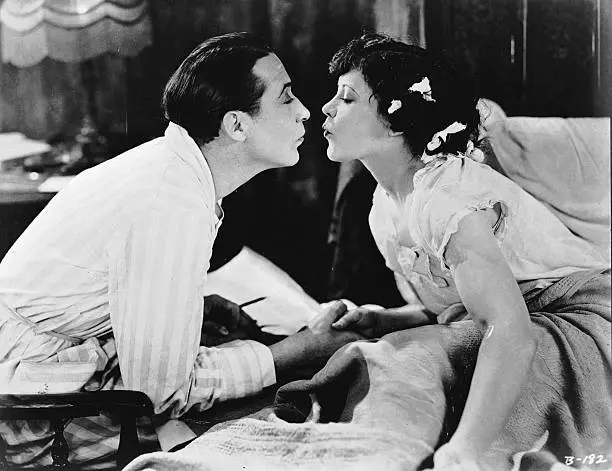
Helen Ferguson's performance as the embattled wife is nothing short of extraordinary. Her face, a canvas of shifting emotions, communicates fear, hope, despair, and an unyielding resolve with astonishing clarity. She embodies the quiet resilience of women facing societal and personal challenges in an era often characterized by their restricted agency. Her journey from quiet desperation to active pursuit of her family's salvation is the emotional anchor of the film, a masterclass in silent acting that relies on subtle facial expressions, graceful body language, and piercing gazes to convey a rich inner life. One feels her every pang of sorrow, her every flicker of determination.
Pat O'Malley, as the emotionally distant husband, provides a compelling counterpoint. His performance is less about grand gestures and more about the slow thawing of a frozen heart. He portrays a man perhaps overwhelmed by unseen pressures, or simply complacent in his marital role, whose eventual awakening feels earned rather than sudden. The chemistry between Ferguson and O'Malley, though often strained within the narrative, is palpable, creating a believable dynamic of a couple struggling to reconnect across a widening emotional chasm. Bruce Guerin, as the child, delivers a performance that is remarkably naturalistic for the period, his innocence and vulnerability serving as a poignant emotional barometer for the unfolding domestic drama.
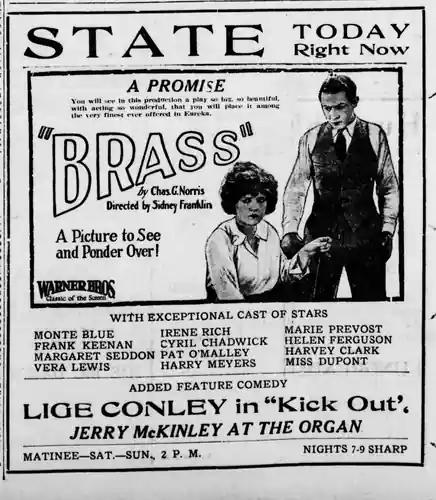
The film is further enriched by a robust ensemble cast whose contributions, though often in supporting roles, add significant texture and depth to the narrative. Marie Prevost, Margaret Seddon, Ethel Grey Terry, Miss DuPont, Harvey Clark, Cyril Chadwick, Frank Keenan, Edward Jobson, Harry Myers, Irene Rich, Gertrude Bennett, Monte Blue, and Vera Lewis each contribute to the film’s rich tapestry of character, painting a vivid picture of the social milieu surrounding the central couple. Whether portraying judgmental relatives, sympathetic friends, or incidental figures, their presence grounds the drama in a believable reality, highlighting the community’s often unspoken influence on private lives. The nuanced performances across the board elevate Brass beyond a simple melodrama, cementing its status as a sophisticated character study.
In the absence of spoken dialogue, the visual language of Brass becomes paramount. The cinematography, though perhaps not groundbreaking by modern standards, is acutely tuned to the emotional landscape of the story. Close-ups are used judiciously to emphasize the characters' internal states, allowing the audience to read every flicker of doubt, every surge of hope, in Ferguson's expressive eyes. The framing often accentuates the isolation of the wife, placing her alone in a room, or physically separated from her husband within the same frame, visually reinforcing their growing distance. The use of light and shadow is also employed effectively to mirror the emotional arc, moving from brighter, more hopeful scenes to darker, more somber compositions as the protagonist faces her deepest despair.
The intertitles, crucial conduits of information and emotion in silent films, are deployed with a poetic economy. They provide necessary exposition without over-explaining, allowing the visual performances to carry the bulk of the storytelling. The rhythm of these intertitles, interspersed with long takes of emotional exchange, creates a compelling pace that draws the viewer deeper into the narrative's unfolding drama. This careful balance between visual and textual information is a hallmark of well-crafted silent cinema, and Brass executes it with admirable precision, demonstrating a keen understanding of how to guide an audience through a complex emotional journey without the aid of sound.
Released in 1923, Brass offers a fascinating glimpse into the societal anxieties and evolving gender roles of the Roaring Twenties. While often romanticized as an era of flappers and jazz, it was also a period of significant domestic upheaval, as traditional values clashed with burgeoning modernity. The film subtly explores the pressures on women to maintain the sanctity of the home, even as their personal desires and autonomy began to gain recognition. The wife's struggle is not just a personal one; it's emblematic of a broader societal negotiation of marriage, family, and individual happiness.
In some ways, Brass stands alongside other films of its time that explored the complexities of modern relationships. One might draw parallels to films like Dollars and the Woman (1920), which similarly delved into the economic and emotional strains on marital bonds, albeit from a slightly different angle of financial independence. While Brass focuses more intently on the emotional and psychological aspects of a wife's struggle for reconciliation, both films underscore the era's growing cinematic interest in the domestic sphere as a site of profound drama. They reflect a society grappling with the shifting definitions of partnership and the persistent question of what constitutes a 'successful' marriage.
The film's exploration of marital discord also contrasts with more overtly optimistic or purely comedic portrayals of family life found in some contemporary works. It offers a more grounded, perhaps even starker, vision of the effort required to sustain a relationship. It's not a tale of effortless love, but of love as a continuous, often arduous, act of will and vulnerability. This unflinching honesty is one of its most enduring qualities, allowing it to transcend its historical context and speak to universal human experiences.
What makes Brass endure a century later is not just its historical value as a silent film, but its timeless exploration of themes that continue to resonate deeply. The pain of a dissolving marriage, the fierce protectiveness of a parent, the yearning for lost intimacy – these are emotions that remain universally understood, regardless of the technological advancements in filmmaking or the shifting social landscapes. Helen Ferguson's performance, in particular, remains a powerful testament to the expressive power of silent cinema, proving that profound emotion can be conveyed without a single spoken word.
The film serves as a crucial reminder of the foundational elements of storytelling: compelling characters, relatable conflicts, and a narrative arc that speaks to the human condition. It demonstrates that even in the nascent days of the medium, filmmakers were capable of crafting sophisticated psychological dramas that could move and challenge audiences. For cinephiles and casual viewers alike, Brass offers a window into a bygone era, yet its emotional core feels as fresh and relevant as any contemporary drama. It is a quiet triumph, a film that whispers its profound truths across the decades, reminding us of the enduring fragility and immense strength of the human heart.
In a world often saturated with noise, the silent eloquence of Brass is a refreshing and deeply moving experience. It invites introspection, encourages empathy, and ultimately celebrates the persistent human drive to mend what is broken, to reclaim what is lost, and to fight for the love that defines our lives. It stands as a powerful argument for the artistic merit and emotional depth that silent cinema was capable of achieving, a truly remarkable piece of cinematic history that deserves to be rediscovered and cherished by new generations of film enthusiasts.
IMDb 2.3
1914
Community
Log in to comment.