DbcultAccessing Vault...
6.6/10
Senior Film Conservator
A definitive 6.6/10 rating for a film that redefined the boundaries of cult cinema. Bread remains a cornerstone of transgressive art.
In the annals of early cinematic storytelling, few narratives capture the raw, unvarnished struggle of the human spirit quite like the 1918 drama, "Bread." This film, a stark portrayal of burgeoning ambition crushed under the heel of urban indifference and malevolent opportunism, stands as a testament to the era's capacity for social commentary. It’s a narrative that peels back the romanticized veneer of the burgeoning metropolis, revealing the gritty, often brutal truths lurking beneath its glittering surface. The title itself, deceptively simple, carries a profound weight, symbolizing not just sustenance but the fundamental human need for dignity and survival in a world that frequently denies both. Directed with an acute understanding of human vulnerability, the film thrusts its protagonist, a naive country girl, into the unforgiving maw of New York City, where her aspirations of theatrical stardom quickly dissipate into a desperate fight for mere existence. This is not merely a tale of lost innocence, but a potent critique of a societal structure where idealism is preyed upon and dreams are bartered for basic needs.
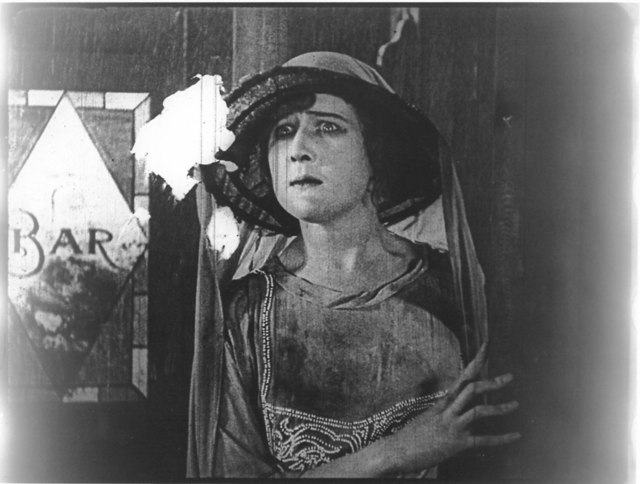
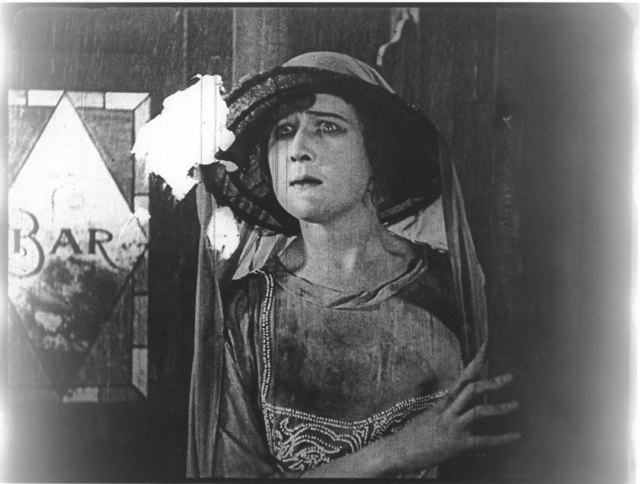
At the heart of "Bread" lies Mary MacLaren’s exquisite performance, a masterclass in silent film acting. MacLaren, as the unnamed country girl, embodies a purity and earnestness that is both captivating and heartbreakingly fragile. Her expressive eyes, a conduit for myriad unspoken emotions, convey the initial wonder, the creeping fear, and ultimately, the profound disillusionment that marks her character's journey. One observes her transformation from a wide-eyed idealist, brimming with an almost reckless optimism, to a figure weathered by hardship, her spirit bruised but not entirely broken. This arc is rendered with such delicate nuance that it transcends the typical melodramatic trappings of the period. MacLaren’s ability to articulate internal turmoil through subtle gestures and facial expressions is truly remarkable, allowing the audience to deeply empathize with her plight. She doesn't just play a character; she inhabits the very essence of a young woman caught between a rock and a hard place, her choices narrowing with each successive blow dealt by the unforgiving city. It is a performance that resonates with a quiet power, underscoring the universal vulnerability of those who dare to dream beyond their station.
New York City in "Bread" is not merely a setting; it is an active antagonist, a sprawling, indifferent entity that devours innocence and spits out cynicism. The film masterfully contrasts the girl’s idyllic rural origins with the harsh, impersonal landscape of the urban jungle. The initial promise of opportunity, painted in the vibrant hues of her imagination, rapidly fades into the stark monochrome of reality. The city's towering facades and bustling streets, initially symbols of aspiration, soon become monuments to her growing isolation and despair. This portrayal of the city as a character in itself, a place where dreams are manufactured and shattered with equal fervor, finds echoes in other films of the era that explored similar themes of urban disillusionment. One might draw parallels to the societal critiques embedded in films like The Barricade, which similarly explores the struggles of the working class against an oppressive urban backdrop, or Exile, where protagonists grapple with displacement and alienation in unfamiliar environments. The relentless pace and anonymity of city life are depicted not as liberating but as suffocating, eroding the very foundations of her self-worth and autonomy.
The central conflict of "Bread" crystallizes around the figure of the lecherous theatre manager, a character deftly portrayed by Edward Cecil. He represents the insidious underbelly of the entertainment industry, a realm where talent and ambition are often seen as commodities to be exploited, particularly when embodied by a vulnerable young woman. His offers of a path to stardom are not genuine opportunities but rather thinly veiled propositions, designed to leverage her desperation against her virtue. This predatory dynamic is a tragically timeless theme, one that resonates with the struggles faced by many aspiring artists then and now. The film doesn't shy away from depicting the moral quandary she faces: compromise her integrity for a chance at survival, or cling to her principles and risk utter destitution. This exploration of exploitation within the theatre world brings to mind the dramatic tensions found in films like Zaza, which also delves into the moral complexities and personal sacrifices demanded of women in the performing arts. Cecil’s portrayal is chillingly effective, embodying a suave menace that makes his character all the more repulsive. His charm is a facade, a weapon used to disarm and disempower, making his interactions with MacLaren’s character fraught with palpable tension and dread. The film meticulously builds this sense of threat, underscoring the precarious position of women in a patriarchal society.
The title "Bread" is far from incidental; it is a potent, multifaceted symbol woven throughout the narrative. On its most literal level, it represents the basic necessity for survival, the daily struggle to put food on the table in a harsh economic climate. For the protagonist, bread becomes a tangible measure of her diminishing circumstances, a stark reminder of her fall from grace. Yet, the symbolism extends far beyond mere sustenance. "Bread" also evokes the idea of spiritual nourishment, the sustenance of hope, dignity, and self-respect, all of which are systematically chipped away by her experiences. The film uses this symbol to underscore the profound chasm between the ideal of a fulfilling life and the grim reality of a life reduced to mere survival. The quest for bread, therefore, becomes a metaphor for the broader human quest for meaning and validation in a world that often demands compromise. The writers, Ida May Park and Evelyn Campbell, demonstrate a keen understanding of how simple, everyday objects can carry immense thematic weight, enriching the narrative with layers of subtext that elevate it beyond a simple melodrama. This evocative use of an everyday item to represent profound existential struggles is a hallmark of thoughtful storytelling, inviting audiences to ponder the deeper implications of the character's predicament.
While Mary MacLaren undeniably anchors the film, the contributions of the supporting cast lend crucial depth and texture to the narrative. Louis Morrison and Kenneth Harlan, though perhaps in less prominent roles, contribute to the film's gritty realism, portraying figures who either witness or inadvertently contribute to the protagonist's trials. Gladys Fox, too, adds to the ensemble, her presence helping to flesh out the tapestry of urban life and its varied inhabitants. These performances, often understated, serve to amplify the protagonist's isolation and the indifference of the world around her. The narrative, crafted by Ida May Park and Evelyn Campbell, is remarkably tight, eschewing unnecessary subplots to maintain a laser focus on the central character's harrowing journey. Their screenplay demonstrates a sophisticated understanding of character development and thematic resonance, building a story that feels both intensely personal and universally relatable. The pacing, characteristic of silent films, allows moments of quiet contemplation to punctuate the more dramatic sequences, giving the audience space to absorb the emotional weight of each scene. The collaboration of these talents results in a film that is more than just a sequence of events; it is a carefully constructed examination of resilience and despair.
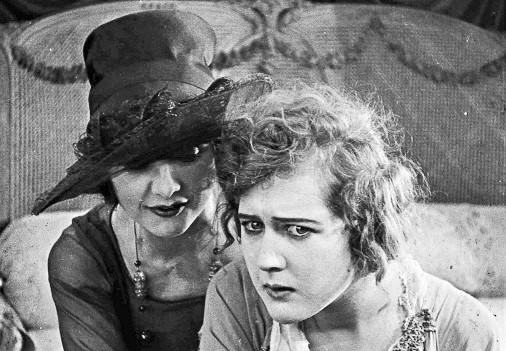
Over a century after its release, "Bread" retains a remarkable contemporary resonance. Its themes of economic precarity, the exploitation of the vulnerable, and the shattering of dreams in the face of harsh reality are unfortunately timeless. The film serves as a powerful historical document, offering a glimpse into the social anxieties and moral quandaries of early 20th-century America, yet its core message transcends its specific historical context. It speaks to the ongoing struggles faced by individuals striving for a better life, only to encounter systemic barriers and personal predators. The film’s unflinching portrayal of these hardships invites viewers to reflect on societal responsibility and the moral obligations we have to one another. In an era where discussions about social justice, economic inequality, and the #MeToo movement dominate headlines, "Bread" feels less like a relic of the past and more like a prophetic echo. Its narrative, while rooted in a bygone cinematic language, communicates a universal truth about the human condition: the perpetual battle between hope and despair, integrity and compromise. The enduring power of "Bread" lies in its ability to provoke thought and empathy, reminding us that the pursuit of dignity and survival is a fundamental human struggle, irrespective of the era.
"Bread" distinguishes itself not through grand spectacle, but through its commitment to a poignant, almost brutal realism. It eschews the often-sensationalized plots of some contemporary films for a more grounded, character-driven narrative. The film's strength lies in its quiet intensity, its ability to evoke profound emotion without resorting to overt histrionics. The direction, while perhaps not as overtly innovative as some of its more celebrated contemporaries, is effective in its clarity and emotional directness. It allows the story to unfold organically, letting the weight of the circumstances slowly bear down on the protagonist, and by extension, on the audience. The visual storytelling, though limited by the technology of the time, is highly effective in conveying mood and character psychology. Through careful framing and evocative close-ups, the film communicates the inner turmoil of its characters, making their struggles palpable. This approach to filmmaking, prioritizing emotional authenticity over lavish production, is what grants "Bread" its lasting power. It’s a film that lingers in the mind long after the final frame, prompting introspection and a deeper appreciation for the resilience of the human spirit in the face of overwhelming adversity. Its contribution to silent cinema is not in flashy innovation but in its profound and enduring humanism. Much like Livets Gøglespil (Life's Juggling Act), which also explored the complex interplay of fate and human choice, "Bread" offers a compelling, albeit somber, reflection on the trials of existence. It stands as a powerful reminder of cinema's capacity to illuminate the darkest corners of the human experience, and to find a flicker of defiance even amidst the deepest despair.
In conclusion, "Bread" is more than just a historical curiosity; it is a profound piece of cinematic art that speaks to the timeless struggles of ambition, poverty, and exploitation. Mary MacLaren's performance is a luminous core, illuminating the film's dark themes with grace and vulnerability. The film's exploration of New York as both a dream factory and a dream crusher, coupled with its unflinching look at predatory behavior, cements its place as a significant work in silent cinema. It is a film that challenges, educates, and ultimately, resonates deeply with the enduring human quest for dignity and survival. Its stark portrayal of a young woman's journey through the treacherous labyrinth of urban life remains as relevant and impactful today as it was over a century ago, a testament to its powerful narrative and the universal truths it bravely confronts.
IMDb 7.4
1923
Community
Log in to comment.