DbcultAccessing Vault...
5.1/10
Senior Film Conservator
A definitive 5.1/10 rating for a film that redefined the boundaries of cult cinema. Headin' Home remains a cornerstone of transgressive art.
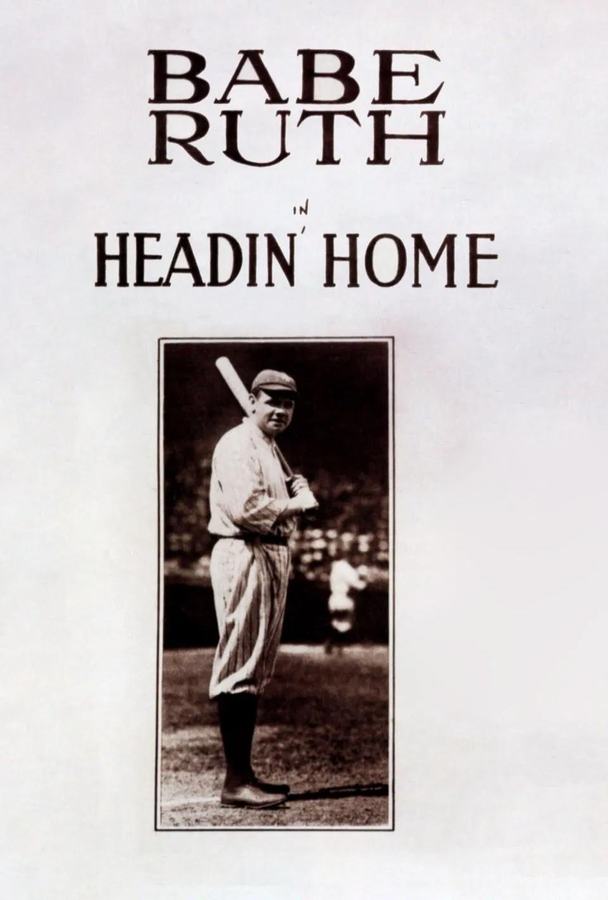
To gaze upon Headin' Home is to witness the very moment when the American sporting hero transcended the physical confines of the ballpark to inhabit the ethereal realm of the cinematic icon. Released in 1920, just as the 'Babe' was beginning to fundamentally rewrite the physics of baseball with the New York Yankees, this film represents a peculiar, almost desperate attempt to solidify a legacy that was still in the process of being forged. Unlike the sophisticated European imports of the era, such as Die platonische Ehe, which grappled with complex social structures, Headin' Home is a work of pure, unadulterated vernacular myth-making.
The film operates within a tradition of rural sentimentality that was already becoming a cliché by the early 1920s. We see echoes of the 'clumsy hero' archetype prevalent in He Comes Up Smiling, yet Ruth brings a singular, heavy-set gravitas to the role that defies the typical slapstick expectations. The production, directed by Lawrence Windom, feels less like a cohesive narrative and more like a series of vignettes designed to showcase Ruth’s naturalistic, if unrefined, screen presence. It is a celluloid time capsule that captures the transition from the Victorian moralizing of the previous decade to the roaring celebrity culture of the twenties.
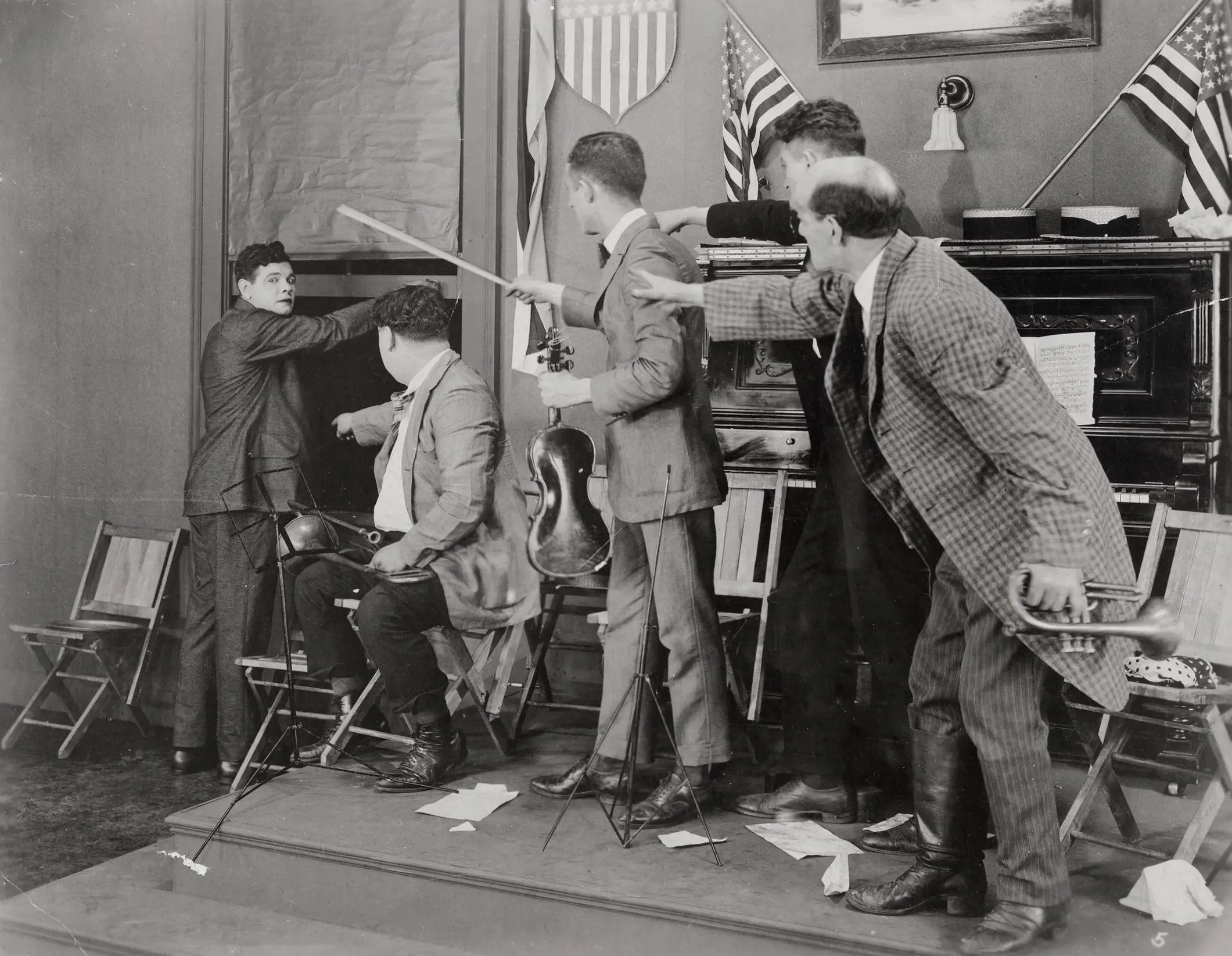
The script, penned by Arthur 'Bugs' Baer and Earle Browne, takes significant liberties with the truth. By placing Ruth in the bucolic setting of Haverlock, the film attempts to scrub away the rough edges of his actual biography. There is no mention of the St. Mary's Industrial School for Boys; instead, we are treated to a version of Ruth who is a simple woodcutter’s son, a man who carves his own bats from the very heart of the American forest. This kind of folkloric fabrication is reminiscent of the heightened reality found in Romance and Dynamite, where the setting serves as a character in its own right, albeit one that is heavily stylized.
The supporting cast, including Ann Brody and Margaret Seddon, provides the necessary emotional scaffolding for Ruth’s performance. Seddon, as the long-suffering mother, anchors the film in a domestic reality that contrasts sharply with the broader, more theatrical villainy of William Sheer. Sheer’s portrayal of the town rival is almost operatic in its sneering intensity, a performance style that feels antiquated compared to Ruth’s more modern, understated physicality. One might find a similar clash of acting styles in The Tail of a Cat, where the juxtaposition of naturalism and melodrama creates a jarring, yet oddly compelling, viewing experience.
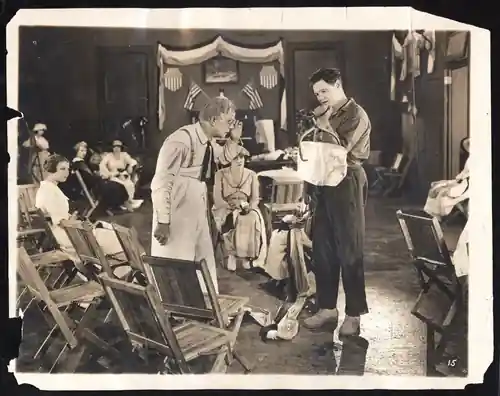
Technically, Headin' Home is a product of its constraints. The cinematography is functional, lacking the moody chiaroscuro that would define later noir efforts like Quicksand. However, there is an inherent beauty in the location shooting. The dusty diamonds and sun-drenched porches of the small-town sets feel lived-in and authentic, providing a grounding force for the otherwise flighty plot. The film lacks the grand scale of La Tosca or the whimsical visual effects of Cinderella, but it possesses a rugged, tactile quality that suits its subject matter perfectly.
The editing is occasionally erratic, struggling to maintain a consistent pace during the middle act. While historical epics like The Indian Wars or nationalistic dramas like For Napoleon and France relied on grand spectacle to keep the audience engaged, Headin' Home relies entirely on the magnetism of its star. When Ruth is not on screen, the film tends to sag under the weight of its own sentimentality. It lacks the historical gravitas of La tragica fine di Caligula imperator, yet it offers a different kind of history—the history of a man becoming a brand.

At its core, the film is a classic underdog story, a trope as old as time but rarely executed with such a specific commercial intent. It shares thematic DNA with The Weavers of Life, focusing on the struggle of the individual against the stifling expectations of their community. Ruth’s character, however, isn't just an individual; he is a force of nature. When he finally steps up to the plate in the climactic game, the film shifts from a domestic drama into a sports epic. The framing of these baseball sequences is surprisingly modern, capturing the anticipation of the crowd and the sheer power of Ruth’s swing with a kinetic energy that must have been electrifying to 1920 audiences.
There is a poignant subtext to the film’s obsession with Ruth’s 'home' and his search for acceptance. Much like the characters in Come Through or the high-society aspirations in Lombardi, Ltd., the protagonist is seeking a place where his unique talents are not just exploited, but understood. The film’s title, Headin' Home, is a double entendre—referring both to a baseball diamond and the emotional sanctuary of family. It’s a sentimental reach, but in the context of the era’s desire for wholesome heroes, it lands with a soft, if somewhat mushy, impact.
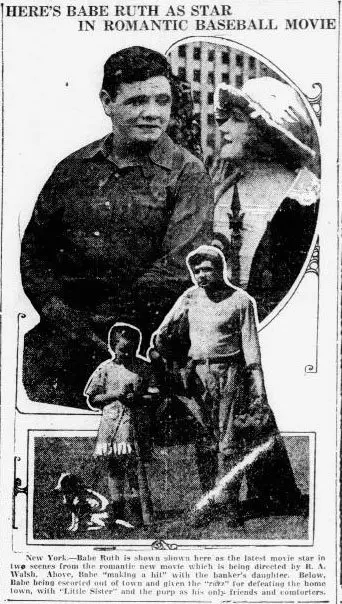
Comparing this to Her Greatest Performance, one sees the difference between a seasoned actress commanding the screen and an athlete merely inhabiting it. Ruth is not a 'great' actor by any academic standard, yet he possesses an authenticity that is impossible to manufacture. He doesn't need the nuanced timing of Half a Hero because he is already a whole icon. His presence alone provides the film with a reason to exist, turning what would have been a forgettable B-movie into a significant cultural document.
The intertitles by 'Bugs' Baer deserve special mention. They are infused with a dry, journalistic wit that occasionally undercuts the film’s more saccharine moments. This linguistic flair adds a layer of sophistication to a story that is otherwise quite simple. It reminds us that while the visuals might be rudimentary, the intellectual framework surrounding the 'Babe' was already quite savvy. The film knows exactly what it is selling: the American Dream in a pinstripe suit.

Ultimately, Headin' Home is a fascinating failure as a biography but a resounding success as a piece of propaganda. It captures the zeitgeist of a nation looking for a hero to lead them out of the shadows of the Great War and into a new era of prosperity and play. It is a film that values the legend over the man, the home run over the struggle, and the image over the reality. For those interested in the intersection of sports, celebrity, and early cinema, it is an essential, if idiosyncratic, viewing experience. It stands as a testament to the power of the camera to transform a man into a myth before he has even finished his career.
IMDb 5.9
1928
Community
Log in to comment.