DbcultAccessing Vault...
7.4/10
Senior Film Conservator
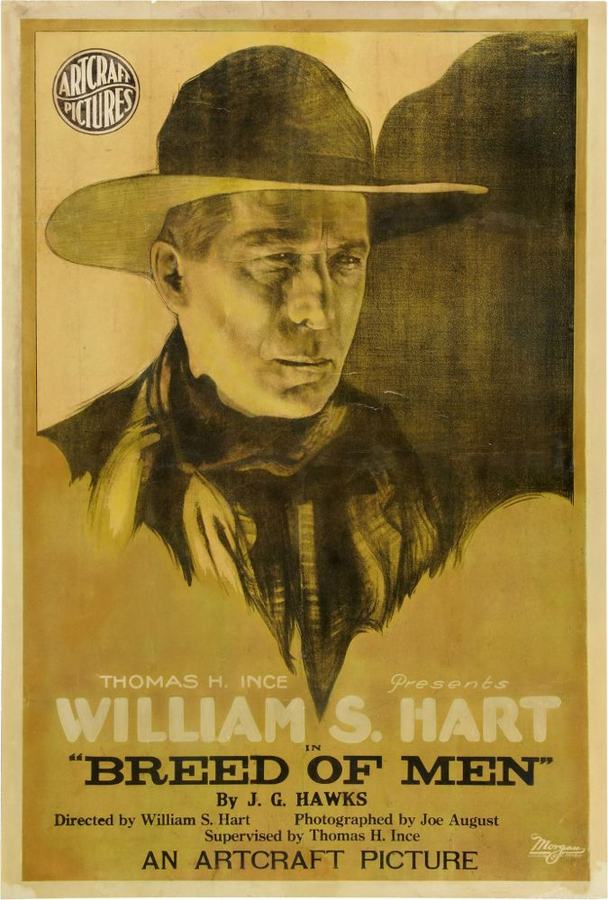
A definitive 7.4/10 rating for a film that redefined the boundaries of cult cinema. Breed of Men remains a cornerstone of transgressive art.
In the annals of early American cinema, few figures cast a shadow as long and as distinctive as William S. Hart. His films, often stark and morally complex, carved out a unique niche in the burgeoning Western genre, offering a grittier, more introspective portrayal of frontier life than many of his contemporaries. 'Breed of Men' (1919) stands as a quintessential example of Hart's craftsmanship, a silent epic that transcends mere genre conventions to explore the very essence of justice, personal integrity, and the often-brutal realities of the untamed West. It’s a film that resonates with a quiet power, showcasing Hart not just as an actor, but as an auteur who understood the soul of the characters he brought to life.
The narrative thrust of 'Breed of Men' is immediately compelling, drawing us into the dusty, sun-baked streets of Chloride, Arizona. Here, we meet Careless Carmody, a man whose initial encounter with the town is one of profound misfortune. A crooked faro game, masterminded by the shrewd and ruthless Wes Prentice – the local land company owner who holds the town in his financial thrall – leaves Carmody stripped of his money and, perhaps more painfully, his beloved horse. This foundational injustice is not merely a plot device; it's the crucible in which Carmody's character is forged. Hart, with his signature stoicism and world-weary gaze, embodies Carmody's quiet dignity even in defeat. There’s a palpable sense of internal struggle as he grapples with this raw deal, a silent contemplation that speaks volumes without a single intertitle. His subsequent appointment as sheriff of Chloride isn't just a career change; it's a profound narrative irony, placing the wronged man in a position to uphold the very law that, in its laxity, allowed his initial undoing.
What makes Hart's portrayal so captivating is the subtle transformation. Carmody doesn't suddenly become a swaggering hero. Instead, his assumption of the badge is imbued with a sense of reluctant responsibility, a quiet determination to bring order to a town that desperately needs it. His 'careless' moniker, perhaps a relic of a past life, now seems a stark contrast to the weighty burden of justice he carries. This duality – the 'good-bad man' archetype that Hart so masterfully cultivated – is on full display here. He’s a man who understands the shadows because he's walked through them, making his commitment to justice all the more authentic and compelling. The film uses this personal history to ground Carmody's actions, making his pursuit of justice feel less like a heroic flourish and more like a deeply personal quest for equilibrium in a chaotic world.
Every great Western needs a formidable antagonist, and Wes Prentice, portrayed by Bert Sprotte, is a chillingly effective one. He’s not a bandit with a six-shooter, but a more insidious threat: the capitalist villain, manipulating the nascent legal and economic systems of the frontier for personal gain. Prentice's scheme—selling land without proper titles and then reselling it—taps into a very real historical anxiety of the American West. Land was wealth, promise, and the very foundation of a new life. To steal it through bureaucratic deception was a betrayal of the highest order, striking at the heart of the settler's dream. Sprotte imbues Prentice with a cold, calculating demeanor, a man whose power derives not from brute force but from cunning and control over vital resources. His actions expose the fragility of justice in a developing society, where paper trails and legal loopholes could be just as devastating as a bullet.
Prentice represents a different breed of lawlessness, one that operates under the veneer of legitimacy. This makes him a more complex and, arguably, more dangerous foe than a simple outlaw. He exploits trust, preys on naiveté, and uses the very mechanisms of law to perpetuate his fraud. The film's brilliance lies in contrasting this sophisticated, systemic corruption with Carmody's more straightforward, personal code of ethics. The struggle between them is not just a battle of good versus evil, but a clash of philosophies: the rugged individualism and inherent fairness of the old West versus the encroaching, often morally ambiguous, machinations of burgeoning capitalism. This thematic depth elevates 'Breed of Men' beyond a simple shoot-em-up, positioning it as a commentary on the evolving American landscape.
Amidst the dust and deceit, a tender human connection blossoms. Carmody's rescue of Ruth Fellows (Seena Owen) from a local ruffian is a classic Western trope, but in Hart's hands, it feels authentic. Ruth is not merely a damsel in distress; she represents the innocent, vulnerable heart of the frontier, a symbol of the very dreams Prentice seeks to exploit. Seena Owen portrays Ruth with a quiet strength and earnestness, making her a believable object of Carmody's affection. Their burgeoning romance provides a crucial emotional anchor, softening the harsh edges of the narrative and giving Carmody a personal stake in the town's well-being beyond mere duty. It's a relationship built on mutual respect and a shared sense of vulnerability in a harsh world.
The cruel twist, when Prentice manipulates Carmody into serving Ruth with eviction papers for the land he fraudulently sold her, is a masterstroke of dramatic irony. This moment is the narrative's emotional fulcrum, forcing Carmody to confront the direct consequences of Prentice's villainy on someone he deeply cares for. It's a powerful scene, rendered with silent film's characteristic reliance on facial expression and body language. Hart's internal conflict is palpable; the lawman is forced to become an instrument of injustice against the woman he loves. This complication is not just a plot point; it's a test of Carmody's character, pushing him to decide whether he will uphold a corrupt system or follow his moral compass. It's a poignant reminder that even in the pursuit of justice, the path is rarely straightforward.
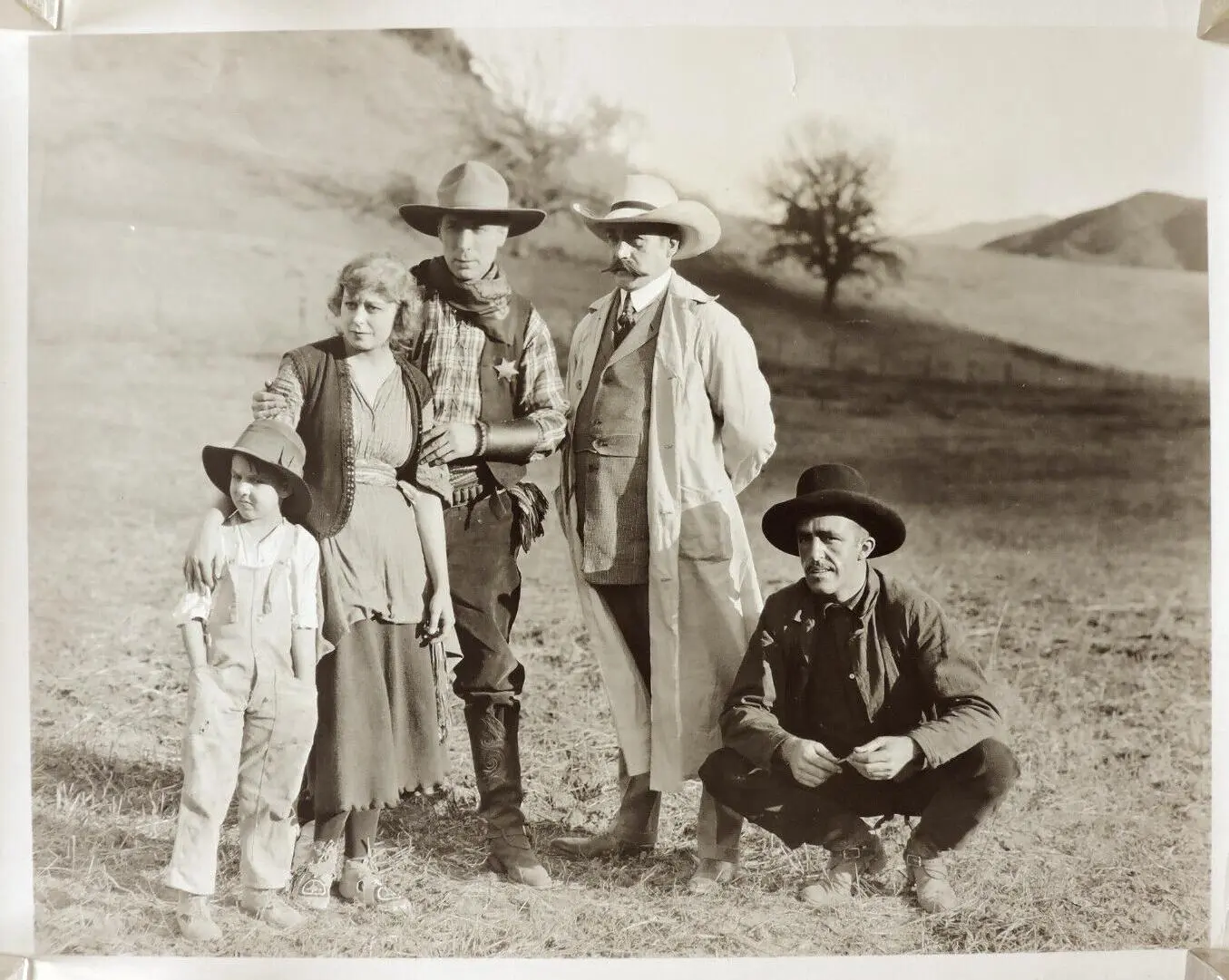
'Breed of Men' is more than just a Western; it's a meditation on the very fabric of American society in its formative years. The film deftly explores themes of justice, both personal and systemic, the corrosive nature of unchecked power, and the enduring human desire for a patch of land to call one's own. The land fraud subplot is particularly potent, reflecting the complex and often contentious history of land ownership and settlement in the West. It highlights the vulnerability of settlers who, in their eagerness for a new beginning, could easily fall prey to unscrupulous opportunists. This theme of legal injustice finds an echo in other narratives of the era, where the letter of the law could be twisted against the spirit of fairness, much like the thematic undercurrents one might explore in a film like The Frame-Up, albeit in a different context. Both touch upon the betrayal of trust within established systems, underscoring a universal concern about fairness.
Hart’s films often posed questions about what constitutes a 'good' man in a 'bad' world, and 'Breed of Men' is no exception. Carmody's journey is one of moral awakening, forcing him to reconcile his personal code with his official duties. The film suggests that true justice often requires going beyond the written law, especially when that law is manipulated by the corrupt. This pursuit of an ideal, a truer 'American Way' of fairness and opportunity, resonates deeply, even if it's a stark contrast to the often harsh realities depicted. It’s a vision of what the West could be, even as it shows what it often was – a place of struggle and ethical compromise. The film, in its quiet power, critiques the hollow promises of easy prosperity, advocating instead for the virtues of integrity and perseverance.
Directed by J.G. Hawks, who also penned the screenplay, 'Breed of Men' exemplifies the sophisticated visual language of silent cinema. The film relies heavily on expressive acting, dramatic close-ups, and meticulously staged action sequences to convey emotion and narrative progression. Hart, with his famously restrained yet powerful acting style, is a master of this form. His eyes, his posture, the subtle clenching of his jaw—all communicate volumes. There’s an economy of movement that speaks to the character's internal discipline and quiet strength. The cinematography, though limited by the technology of the era, effectively captures the expansive, rugged beauty and unforgiving nature of the Arizona landscape, making the environment an active character in the drama.
The pacing of 'Breed of Men' is deliberate, allowing the emotional weight of each scene to fully register. It builds tension not through frenetic action but through the slow burn of injustice and the tightening grip of moral dilemma. The intertitles, rather than merely stating facts, are crafted to enhance the dramatic impact, often echoing the terse, impactful dialogue that would characterize later Westerns. The supporting cast, particularly Buster Irving as the ruffian and Bert Sprotte as Prentice, deliver performances that complement Hart's gravitas, creating a believable ensemble in a world fraught with danger and deceit. The film's ability to create a complex moral landscape without spoken dialogue is a testament to the power of pure cinematic storytelling, relying on universal human emotions and visually striking scenarios to convey its message.
William S. Hart was more than just an actor; he was an icon who shaped the very image of the Western hero for a generation. His commitment to authenticity, his insistence on portraying characters with genuine moral struggles, set him apart. He often played characters who were not simply 'good guys' but rather men haunted by their pasts, driven by a personal code of honor that often stood in stark contrast to the legalistic frameworks of society. 'Breed of Men' perfectly encapsulates this persona, offering a nuanced depiction of a man caught between personal vengeance and civic duty, between burgeoning love and the harsh dictates of the law. His films, including this one, were instrumental in elevating the Western from mere pulp entertainment to a vehicle for serious dramatic exploration.
The film remains a powerful testament to the timeless appeal of stories about justice, redemption, and the human spirit's resilience in the face of adversity. It's a reminder of a bygone era of filmmaking, where narrative clarity and emotional depth were paramount, conveyed through the artistry of movement, expression, and evocative imagery. For anyone interested in the foundational works of the Western genre, or indeed in the broader history of silent cinema, 'Breed of Men' is an essential viewing. It’s a film that speaks to the 'breed of men' who forged the West, not just with their guns, but with their courage, their integrity, and their unwavering belief in a moral compass, even when society's own seemed to falter. The quiet power of Hart’s performance and the film’s compelling narrative ensure its continued relevance, offering a window into the complex soul of the American frontier.
In an age of rapid change and shifting cinematic landscapes, 'Breed of Men' stands as a sturdy monument to the enduring power of classic storytelling. Its themes of justice, betrayal, and the quest for a better life resonate just as strongly today as they did a century ago. It’s a film that beckons us to look beyond the surface, to understand the intricate moral dilemmas that shaped a nation, and to appreciate the artistry of those who first brought these complex narratives to the silver screen. William S. Hart's legacy is undeniable, and 'Breed of Men' is a shining example of why his work continues to captivate and inform generations of film enthusiasts.
IMDb 7.2
1935
Community
Log in to comment.